- الجدول الزمني. من الإثنين - السبت 09.00 - 20.00








أدوات قياس المستوى
الصفحة الرئيسية » أدوات قياس المستوى

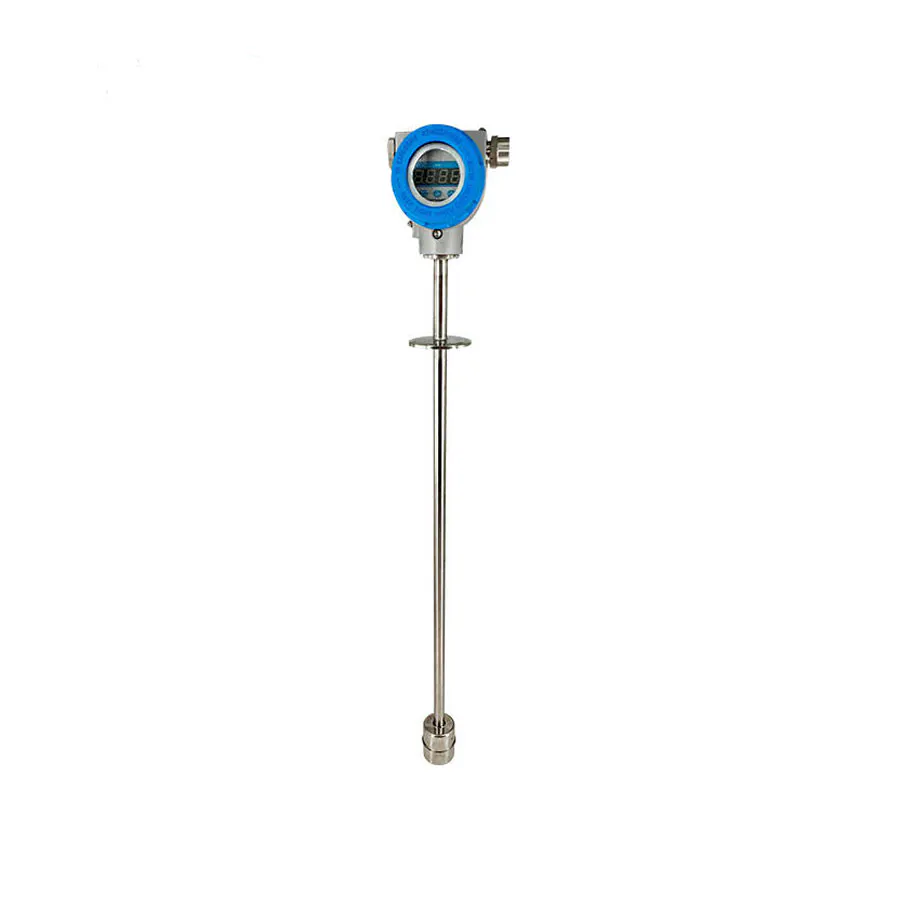
نطاق القياس: 300-6000 مم
ضغط العمل: ≤42 ميجا باسكال
- مقاومة للانفجار، ودرجة الحرارة العالية، والضغط العالي
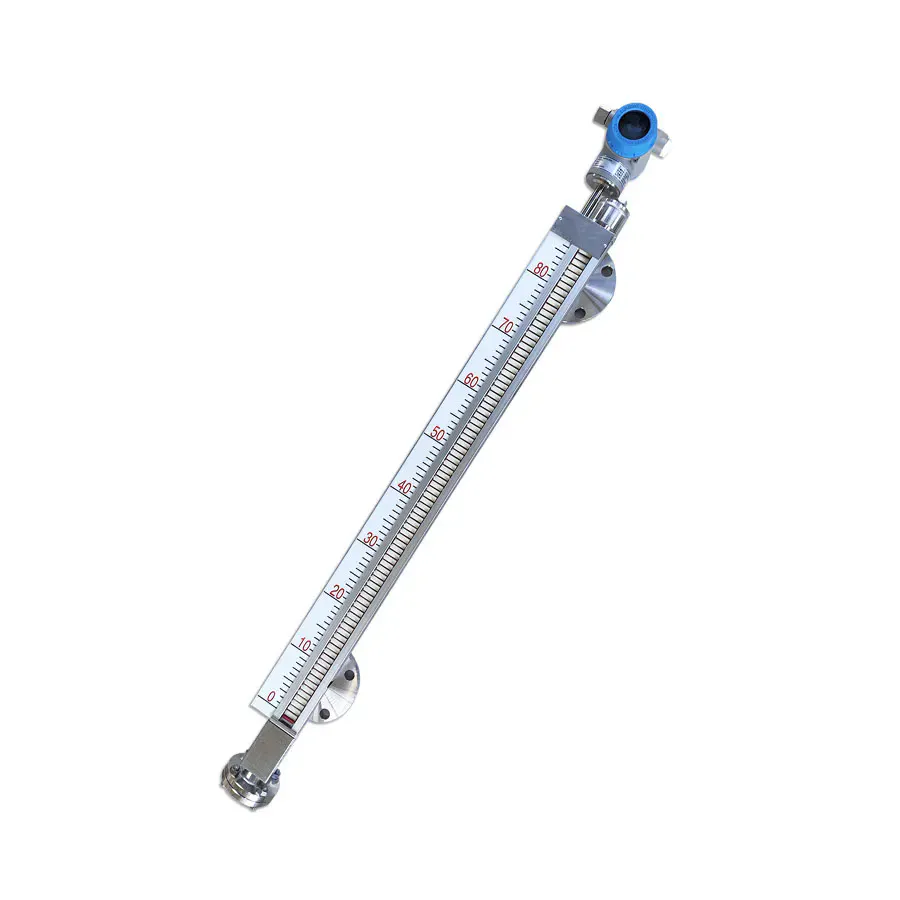
نطاق القياس: (جامد) 440-2200 مم
(مرنة): 2000-20000 مم
الضغط الاسمي: PN2.5 ~ PN260 (0.1 ميجا باسكال)
- درجة الحرارة العالية، الضغط العالي، SIL، الضغط العالي

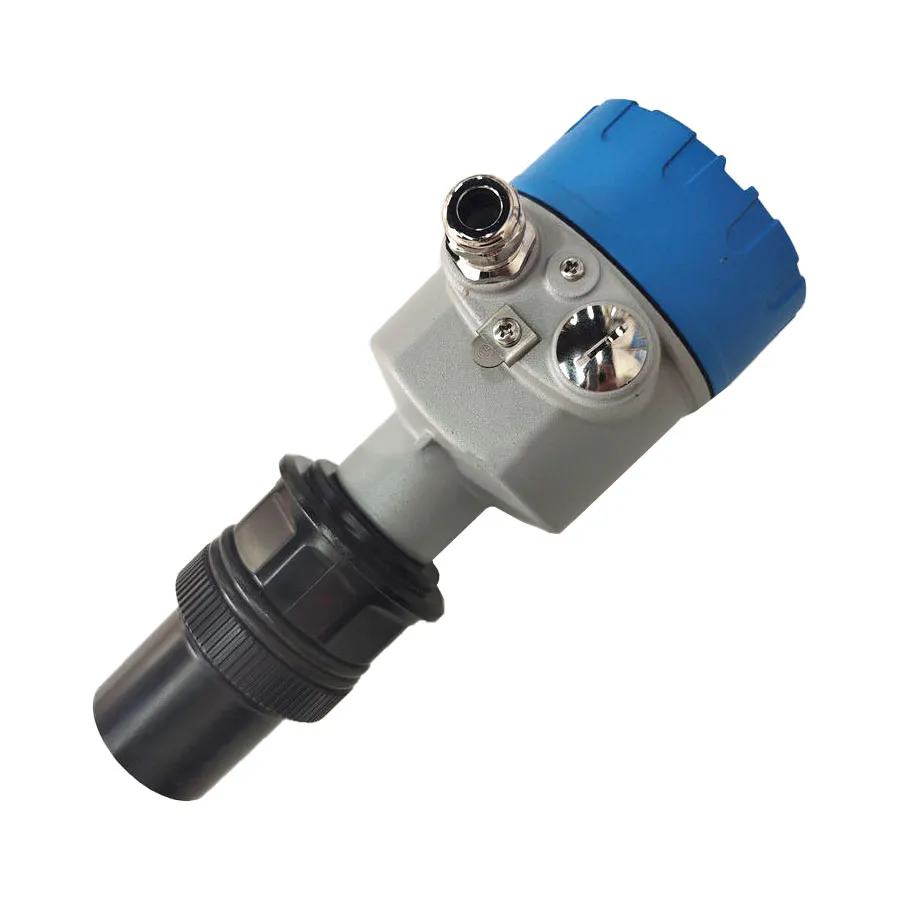
نطاق القياس: 0-3m
درجة حرارة التشغيل: -40-450 ℃
- آمنة جوهريًا، حرجة السلامة، CE
نطاق القياس: 0-60m
ضغط العمل: جهاز الصراف الآلي
- مقاوم للانفجار، آمن جوهريًا، SIL
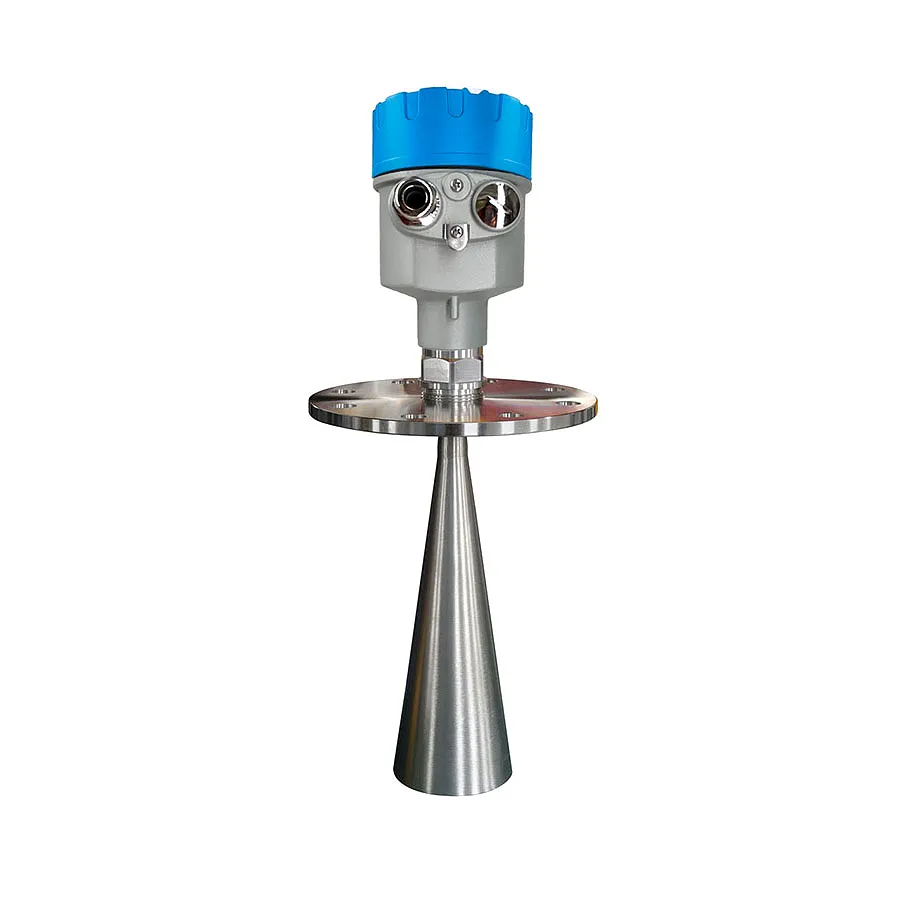
نطاق القياس: 0-6m
درجة حرارة التشغيل: -190-425 ℃
- آمنة جوهريًا، حرجة السلامة، ذات درجة حرارة عالية
نطاق القياس: 0-30m
درجة حرارة التشغيل: -40-250 ℃
- مقاوم للتآكل، مقاوم للتآكل، من الدرجة الصناعية، قليل الصيانة
تنزيل مستند معلومات منتج مقياس مستوى السائل EN
Industrial Level Measuring Instruments for Accurate Liquid & Solid Level Detection
Level measuring instruments are critical components in modern industrial automation systems designed to monitor and control the height of liquids, solids, or interfaces within tanks, silos, vessels, and pipelines. These instruments provide real‑time level data that help prevent overflow, dry‑run conditions, and process interruptions — ensuring safety, efficiency, and compliance across various applications.
At Instrava, we offer a comprehensive portfolio of high‑performance level measuring instruments engineered for accuracy, durability, and seamless integration into industrial control systems.
What Are Level Measuring Instruments?
Level measuring instruments are devices used to determine the level or height of a liquid or solid material inside a container or open channel. They convert physical level values into readable output signals — such as electrical or digital communication — for monitoring, automation, or safety control.
Unlike simple switches that indicate “high” or “low,” level measuring instruments often provide continuous measurement over the entire range, allowing precise control of industrial processes.
Common Types of Level Measuring Instruments
Industrial processes vary widely in media, conditions, and accuracy requirements. Below are the most widely used level measuring technologies:
Float Level Sensors
Float level sensors use a buoyant float connected to a rod or stem. The vertical movement of the float corresponds to the liquid level, which is then converted to an electrical signal or switch output.
✔ Simple and cost‑effective
✔ Suitable for water and non‑corrosive liquids
✔ Ideal in tanks, basins, and reservoirs
Ultrasonic Level Sensors
Ultrasonic sensors emit high‑frequency sound waves that reflect off the liquid surface. The time it takes for the echo to return determines the level.
✔ Non‑contact measurement
✔ Works well with liquids and solids
✔ Resistant to buildup and corrosion
Radar Level Sensors
Radar (microwave) level sensors send electromagnetic waves to the surface. The reflected signal provides precise distance and level information.
✔ Excellent for challenging conditions (vapor, dust)
✔ High accuracy
✔ Ideal for chemicals, oil, and wastewater
Guided Wave Radar (GWR) Level Sensors
Guided Wave Radar uses a probe to direct microwave energy to the media surface, minimizing signal noise and interference.
✔ Reliable for liquids, slurries, and solids
✔ Less affected by foam or turbulence
✔ High accuracy continuous measurement
Capacitance Level Sensors
Capacitance sensors detect changes in capacitance between the probe and the vessel wall as the media level changes.
✔ Effective for liquids, solids, and interfaces
✔ Works for high‑temperature or viscous media
✔ Requires calibration based on dielectric constant
Hydrostatic Level Sensors
Hydrostatic sensors measure liquid level based on hydrostatic pressure at a given depth.
✔ Suitable for deep tanks
✔ Ideal for wastewater and open channels
✔ Simple installation
How Level Measuring Instruments Work
Level measuring instruments convert physical level data into usable signals through a combination of sensing elements and signal processing electronics.
Sensing Element – Detects the physical change (sound echo, capacitance variance, float displacement, pressure).
Signal Processor – Converts raw data into standardized outputs (4–20 mA, HART, Modbus).
Output Communication – Delivers accurate level values to PLC, SCADA, or DCS systems for automation control.
This process enables real‑time monitoring and automatic adjustments in industrial processes.
Industrial Applications of Level Measuring Instruments
Level measurement is essential across multiple industries:
معالجة المياه ومياه الصرف الصحي
Monitor tank levels, prevent overflow, and ensure regulatory compliance.
المعالجة الكيميائية
Measure corrosive media with high precision and safety.
النفط والغاز
Accurate level detection in storage, separators, and transfer systems.
المأكولات والمشروبات
Hygienic level monitoring in tanks, silos, and mixing vessels.
توليد الطاقة
Maintain boiler feedwater levels and cooling systems.
Mining & Aggregates
Measure solid bulk material levels in silos and hoppers.
How to Choose the Right Level Measuring Instrument
Selecting the correct level instrument requires consideration of:
🔹 Measured Media – Liquids vs solids vs slurries
🔹 Process Conditions – Temperature, pressure, vapor, foam
🔹 Accuracy Requirements – High precision vs on/off control
🔹 Installation Constraints – Top mount, side mount, internal sensors
🔹 Output Signal Needs – Analog, digital, protocol communication
🔹 حماية البيئة – IP rating, material compatibility
The right choice improves reliability, reduces maintenance, and optimizes process control.
Why Choose Instrava Level Measuring Solutions
Instrava level measuring instruments deliver:
✔ High precision and reliability
✔ Rugged designs for harsh conditions
✔ Continuous and discrete output options
✔ Easy installation and integration
✔ Long service life with minimal maintenance
With experience in industrial measurement and automation, Instrava provides dependable solutions
مركز قياس المستوى المعرفي
توفر هذه الصفحة نظرة عامة منظمة ومركزة على الهندسة لقياس المستوى الصناعي. وهي مصممة لدعم قرارات الاختيار والتطبيق وتصميم النظام بدلاً من التعريفات الأساسية. يعكس المحتوى ظروف العملية الحقيقية والاعتبارات التشغيلية طويلة الأجل.
1. دور قياس المستوى في النظم الصناعية
يعد قياس المستوى مكونًا أساسيًا لسلامة العمليات والتحكم وإدارة المخزون. في البيئات الصناعية، نادرًا ما يتم استخدام معلومات المستوى بمعزل عن غيرها. فهي تدعم عمليات التعشيق والإنذارات والتحكم في الدُفعات وتوازن المواد. لا تكمن قيمة جهاز قياس المستوى في الدقة فحسب، بل في ثباته وتوافره وتوافقه مع النظام الكلي.
تشمل الأهداف الرئيسية لأنظمة قياس المستوى ما يلي:
منع حالات الملء الزائد أو التشغيل الجاف
الحفاظ على استمرارية العملية وتوازنها
دعم الوظائف المتعلقة بالسلامة
توفير بيانات موثوقة للتشغيل الآلي والتحسين
2. مقياس المستوى، وجهاز استشعار المستوى، وجهاز إرسال المستوى - أدوار النظام
تخدم أجهزة قياس المستوى المختلفة أدوارًا مختلفة داخل النظام:
توفر مقاييس المستوى مؤشرًا مرئيًا محليًا للمشغلين وموظفي الصيانة.
تقوم حساسات المستوى بتحويل تغيرات المستوى إلى إشارات كهربائية لأغراض التحكم أو الإنذار.
توفر أجهزة إرسال المستوى مخرجات موحدة للتكامل مع أنظمة التحكم المنطقي القابل للبرمجة (PLC) أو نظام التحكم الموزع (DCS) أو أنظمة SCADA.
في العديد من التطبيقات، يتم استخدام هذه الأجهزة معًا لتوفير التكرار والتحقق المتبادل والمرونة التشغيلية. وغالباً ما يكون اختيار التركيبة الصحيحة أكثر أهمية من اختيار نوع جهاز واحد.
3. عوامل الاختيار الرئيسية لأجهزة قياس المستوى
يبدأ الاختيار الفعال من ظروف العملية بدلاً من نوع المنتج. وتشمل العوامل الحاسمة ما يلي:
خصائص وسط المعالجة مثل الكثافة أو اللزوجة أو التآكل أو الرغوة أو محتوى المواد الصلبة
نطاقات ضغط التشغيل ودرجة الحرارة
هندسة السفينة وقيود التركيب
وقت الاستجابة المطلوب وثبات الإشارة المطلوب
اعتبارات الوصول إلى الصيانة واعتبارات تكلفة دورة الحياة
قد يتصرف حساس المستوى الذي يعمل بشكل جيد في ظروف المختبر بشكل مختلف تمامًا في بيئة صناعية حقيقية. يجب أن يعطي الاختيار الأولوية للموثوقية في ظل ظروف التشغيل الفعلية.
4. تحديات القياس الموجهة نحو التطبيق
4.1 أوعية الضغط العالي والحرارة العالية
في التطبيقات المضغوطة أو ذات درجات الحرارة المرتفعة، تصبح السلامة الميكانيكية وموثوقية الختم أمرًا بالغ الأهمية. يجب أن تحافظ مقاييس المستوى ومستشعرات المستوى على الأداء دون تدهور المواد أو انحراف الإشارة بمرور الوقت.
4.2 الوسائط ذات الرغوة أو الطلاء أو المواد الصلبة
يمكن أن تتداخل السوائل الرغوية أو الوسائط اللزجة أو المواد الصلبة العالقة مع قياس المستوى. وتتحمل بعض مبادئ القياس هذه الظروف بشكل أفضل من غيرها. المطابقة المناسبة للتكنولوجيا والمواد المبللة تقلل من القراءات الخاطئة وتكرار الصيانة.
4.3 ظروف العملية الديناميكية
يؤدي الملء أو التفريغ أو التقليب السريع إلى حدوث اضطراب يمكن أن يشوه قراءات المستوى. يلعب موضع التركيب وخصائص التخميد لمستشعر المستوى دورًا رئيسيًا في تحقيق قياس مستقر.
5. اعتبارات التركيب وتكامل النظام
تؤثر جودة التركيب بشكل مباشر على أداء قياس المستوى. وتشمل الجوانب المهمة ما يلي:
موقع الفوهة بالنسبة للمداخل والمخارج وأجهزة التقليب
المحاذاة الرأسية وصلابة التركيب
التأريض الكهربائي وتدريع الإشارة
التكامل مع أنظمة التحكم ومنطق الإنذار
غالبًا ما يؤدي التثبيت المصمم جيدًا إلى تحسين موثوقية القياس أكثر من التحسينات الإضافية في دقة المستشعر.
6. الموثوقية والتكرار واستراتيجية السلامة
في التطبيقات المتعلقة بالسلامة، نادرًا ما يعتمد قياس المستوى على جهاز واحد. وتشمل الاستراتيجيات الشائعة ما يلي:
الجمع بين مقاييس المستوى المحلي ومستشعرات المستوى المستقلة
استخدام أجهزة منفصلة للتحكم والإنذارات عالية المستوى
تنفيذ الكشف عن الأعطال والتحقق من صحة الإشارات في نظام التحكم
تقلل هذه الأساليب من مخاطر الفشل غير المكتشف وتدعم التشغيل الآمن في ظل الظروف غير الطبيعية.
7. الصيانة والمعايرة وتكلفة دورة الحياة
تتأثر تكلفة دورة الحياة بأكثر من سعر الشراء. وتشمل المساهمون الرئيسيون ما يلي:
تكرار المعايرة وإمكانية الوصول إليها
متطلبات التنظيف أو الفحص
توافر قطع الغيار
وقت التوقف عن العمل أثناء أنشطة الصيانة
إن اختيار أجهزة قياس المستوى ذات متطلبات صيانة منخفضة يمكن أن يقلل بشكل كبير من التكلفة الإجمالية للملكية على مدار دورة حياة النظام.
8. ممارسات قياس المستوى الخاص بالصناعة
تختلف ممارسات قياس المستوى حسب الصناعة:
تعطي صناعات المعالجة الأولوية للمتانة والاستقرار على المدى الطويل
تركز تطبيقات المياه ومياه الصرف الصحي على مقاومة التآكل وسهولة الصيانة
غالبًا ما تتطلب تطبيقات النفط والغاز الامتثال لمعايير المناطق الخطرة
يساعد فهم التوقعات الخاصة بالقطاع على مواءمة استراتيجية القياس مع الواقع التشغيلي.
9. الأخطاء الشائعة على مستوى النظام في قياس المستوى
تتضمن المشكلات المتكررة التي تتم مواجهتها في مشروعات قياس المستوى ما يلي:
اختيار الأجهزة بناءً على مواصفات الدقة فقط
تجاهل قيود التثبيت أثناء التصميم
التقليل من تأثير التباين في العملية
الاعتماد على نقطة قياس واحدة لوظائف السلامة الحرجة
يتطلب تجنب هذه الأخطاء منظورًا على مستوى النظام بدلاً من نهج يركز على المنتج.
10. بناء استراتيجية قوية لقياس المستوى
تراعي استراتيجية قياس المستوى القوية اختيار الجهاز والتركيب والتكامل والصيانة كنظام موحد. من خلال التركيز على الأداء طويل الأجل والسياق التشغيلي، يمكن لمقاييس المستوى وأجهزة استشعار المستوى أن تقدم قيمة ثابتة طوال عمر المصنع.
يهدف هذا الهيكل المعرفي إلى دعم اتخاذ القرارات المستنيرة والتحسين المستمر في أنظمة القياس على المستوى الصناعي.
مقياس المستوى - سؤال وجواب
كيف ينبغي اختيار مقياس المستوى للتشغيل الصناعي طويل الأجل؟
يجب أن يعتمد اختيار مقياس المستوى على ظروف التشغيل مثل الضغط ودرجة الحرارة وخصائص الوسط وقيود التركيب. بالنسبة للتشغيل المستمر، غالبًا ما يكون الاستقرار ومقاومة تغير العملية أكثر أهمية من دقة المختبر. في العديد من الأنظمة الصناعية، يعمل مقياس المستوى أيضًا كمستشعر مستوى لأغراض التحكم أو الإنذار، لذا فإن موثوقية الإشارة بمرور الوقت عامل حاسم.
ما العوامل الأكثر شيوعًا التي تؤثر على دقة قياس المستوى في التطبيقات الحقيقية؟
في بيئات المعالجة الحقيقية، تتأثر الدقة بتغيرات الكثافة المتوسطة، وتذبذب درجة الحرارة، والاهتزاز الميكانيكي، والتراكم على الأجزاء المبللة. وعلى عكس ظروف الاختبار المثالية، يجب أن تتحمل مقاييس المستوى الصناعية هذه العوامل مع الحفاظ على مخرجات قابلة للتكرار. إن اختيار مستشعر مستوى مصمم لظروف العملية الفعلية يقلل بشكل كبير من الانحراف على المدى الطويل.
كيف يؤثر وضع التركيب على أداء مقياس المستوى؟
يؤثر وضع التركيب بشكل مباشر على موثوقية القياس. يمكن أن يؤدي اتجاه الفوهة، وهندسة الوعاء، والقرب من المداخل أو المحرضات إلى حدوث اضطرابات أو قراءات خاطئة. يضمن الموضع المناسب أن يعكس مقياس المستوى أو مستشعر المستوى مستوى السائل الحقيقي بدلاً من الاضطرابات الموضعية داخل الوعاء.
متى يجب دمج مقياس المستوى المحلي مع جهاز إرسال المستوى أو مستشعر المستوى؟
توفر مقاييس المستوى المحلية تأكيدًا مرئيًا وغالبًا ما تستخدم للفحص الروتيني، بينما تتيح أجهزة استشعار أو أجهزة إرسال المستوى المراقبة والتحكم عن بُعد. في العديد من التطبيقات، يؤدي الجمع بين الاثنين إلى تحسين السلامة التشغيلية من خلال توفير التكرار والتحقق المتبادل بين المؤشر البصري ومخرجات الإشارات الإلكترونية.
كيف تؤثر خصائص وسائط المعالجة على اختيار مقياس المستوى ومستشعر المستوى؟
تلعب خواص الوسائط مثل اللزوجة والتآكل والميل إلى الرغوة ووجود المواد الصلبة دورًا رئيسيًا في الاختيار. تؤدي بعض مقاييس المستوى أداءً جيدًا مع السوائل النظيفة ولكنها قد تعاني مع الوسائط اللزجة أو الكاشطة. تساعد مطابقة تصميم حساس المستوى والمواد المبللة مع الوسط على منع انحراف القياس والفشل الميكانيكي.
ما هي التحديات الشائعة عند استخدام مقاييس المستوى في الأوعية ذات الضغط العالي أو الأوعية ذات درجة الحرارة العالية؟
تضع ظروف الضغط العالي ودرجات الحرارة المرتفعة ضغطًا إضافيًا على موانع التسرب والمواد ومكونات القياس. في ظل هذه الظروف، يجب أن يحافظ مقياس المستوى على السلامة الميكانيكية بينما يظل مستشعر المستوى مستقرًا ومستجيبًا. يعد اختيار التصميمات المصنفة لغلاف التشغيل الكامل أمرًا ضروريًا للقياس الآمن والموثوق.
كيف يتم تقييم موثوقية أجهزة قياس المستوى المستخدمة في التطبيقات المتعلقة بالسلامة؟
يتم تقييم الموثوقية على أساس الثبات على المدى الطويل، ومقاومة اضطراب العملية، واتساق المخرجات في ظل ظروف مختلفة. في التطبيقات ذات الصلة بالسلامة، غالبًا ما تستخدم مقاييس المستوى جنبًا إلى جنب مع أجهزة استشعار المستوى المستقلة لتوفير حماية متعددة الطبقات وتقليل مخاطر انحراف المستوى غير المكتشف.
ما هي اعتبارات الصيانة التي تؤثر على تكلفة دورة حياة مقياس المستوى؟
يؤثر تكرار الصيانة وإمكانية الوصول ومتطلبات إعادة المعايرة بشكل مباشر على تكلفة دورة الحياة. قد يبدو مقياس المستوى الذي يتطلب تنظيفًا أو تعديلًا متكررًا فعالاً من حيث التكلفة في البداية ولكنه يزيد من وقت التعطل وجهد الصيانة. يؤدي اختيار مستشعر مستوى مع متطلبات صيانة منخفضة إلى تحسين كفاءة النظام بشكل عام.
هل يمكن أن يغطي تصميم مقياس مستوى واحد تكوينات متعددة للخزانات أو الأوعية؟
في حين أن بعض مقاييس المستوى توفر خيارات تركيب مرنة، فإن الأداء الأمثل يتحقق عادةً عندما يتوافق التصميم مع نوع الوعاء. تفرض كل من الخزانات العمودية والأوعية الأفقية والحاويات المضغوطة تحديات قياس مختلفة، مما يجعل الاختيار الخاص بالتطبيق اعتبارًا مهمًا.
كيف تدعم أجهزة قياس المستوى ومستشعرات المستوى التحكم في العمليات وتحسينها؟
بالإضافة إلى الإشارة، توفر مقاييس المستوى وأجهزة استشعار المستوى مدخلات مهمة لإدارة المخزون والتحكم في العمليات وأنظمة الإنذار. وتساعد بيانات المستوى المستقرة والدقيقة المشغلين على الحفاظ على توازن العملية، ومنع حالات الملء الزائد أو التشغيل الجاف، وتحسين الكفاءة التشغيلية الإجمالية.
لماذا تختار إنسترافا
باختيارك Instrava، ستحصل على شريك يتمتع بفهم عميق للتطبيقات الصناعية والخبرة اللازمة لمواجهة التحديات التشغيلية الحالية.
يمتد دورنا إلى ما هو أبعد من المنتجات - فنحن ندعم نجاحك من خلال حلول يمكن الاعتماد عليها والتزام طويل الأجل.
الابتكار المدفوع بالهندسة
يسترشد الابتكار في Instrava بالمتطلبات الصناعية الحقيقية. نحن نعمل باستمرار على تحسين تقنياتنا لمعالجة التحديات التشغيلية المتطورة، مما يضمن أداءً عمليًا وموثوقًا في البيئات الصعبة.
التخصيص الخاص بالتطبيق الخاص بالتطبيق
نحن نقدم التخصيص على المستوى الهندسي لمطابقة ظروف عملية محددة. بدءًا من نطاق القياس والمواد إلى إشارات الخرج وخيارات التثبيت، يتم تكوين حلولنا لتناسب التطبيقات الحقيقية.
جودة وموثوقية مثبتة
الجودة والموثوقية أمران أساسيان لكل منتج من منتجات إنسترافا. تُصنع أدواتنا تحت رقابة صارمة على الجودة ويتم اختبارها بدقة، وتوفر أداءً دقيقًا ومستقرًا وطويل الأجل.
القدرة العالمية مع الدعم المحلي
تجمع إنسترافا بين الخبرة الهندسية العالمية والدعم المحلي سريع الاستجابة، مما يضمن لشركائنا الاستفادة من التكنولوجيا المتوافقة دوليًا والخدمة الإقليمية في الوقت المناسب.
محفظة المنتجات الشاملة
تتيح لنا محفظتنا الواسعة من أدوات القياس والتحكم تلبية مجموعة واسعة من الاحتياجات الصناعية، مما يوفر حلولاً متكاملة من مصدر واحد وموثوق.
الدعم الهندسي الموجه للشركاء
نحن نعمل عن كثب مع شركائنا بدءاً من الاستشارات الفنية وحتى دعم ما بعد البيع. ينصب تركيزنا على تقديم حلول تخلق قيمة دائمة وتدعم النجاح التشغيلي على المدى الطويل.