- الجدول الزمني. من الإثنين - السبت 09.00 - 20.00






مقياس التدفق
الصفحة الرئيسية » مقياس التدفق
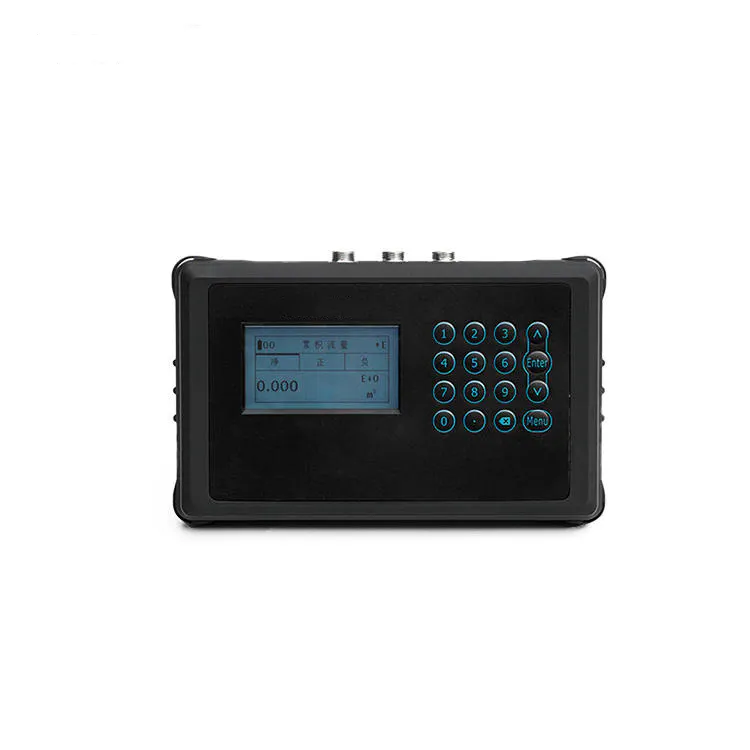
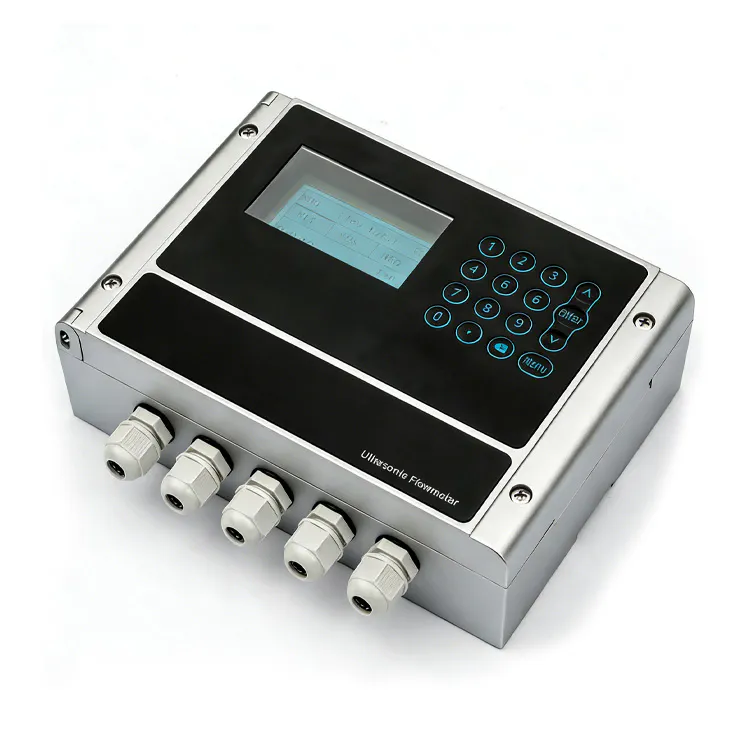
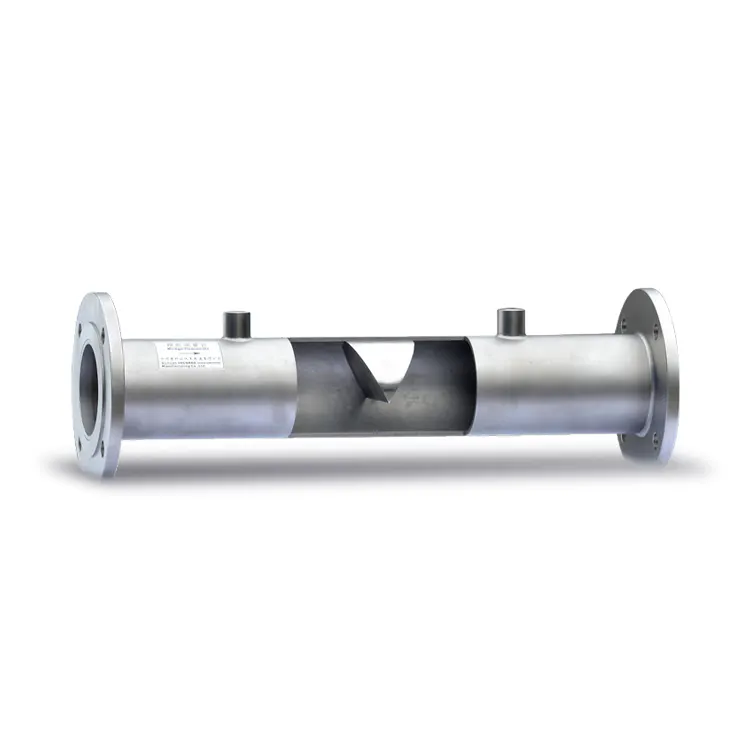
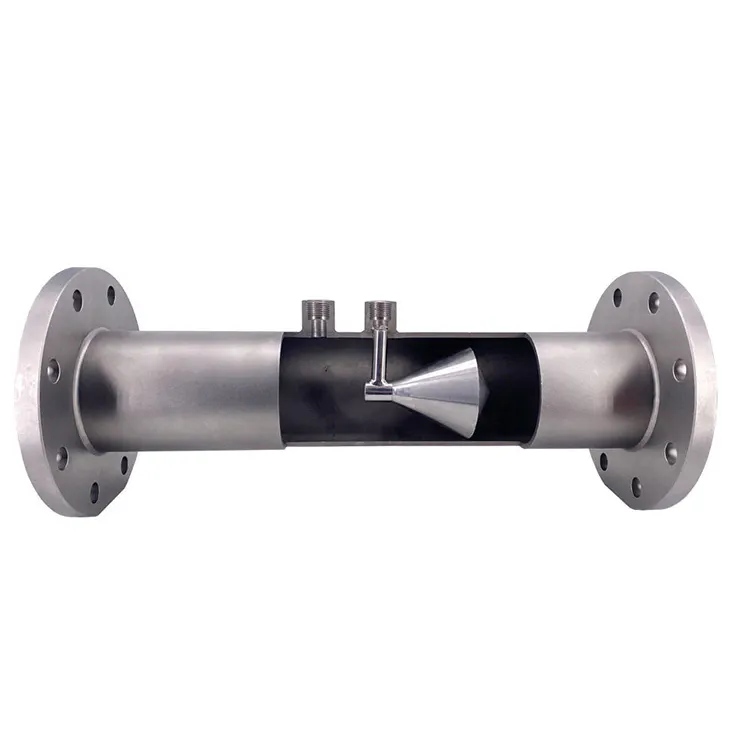
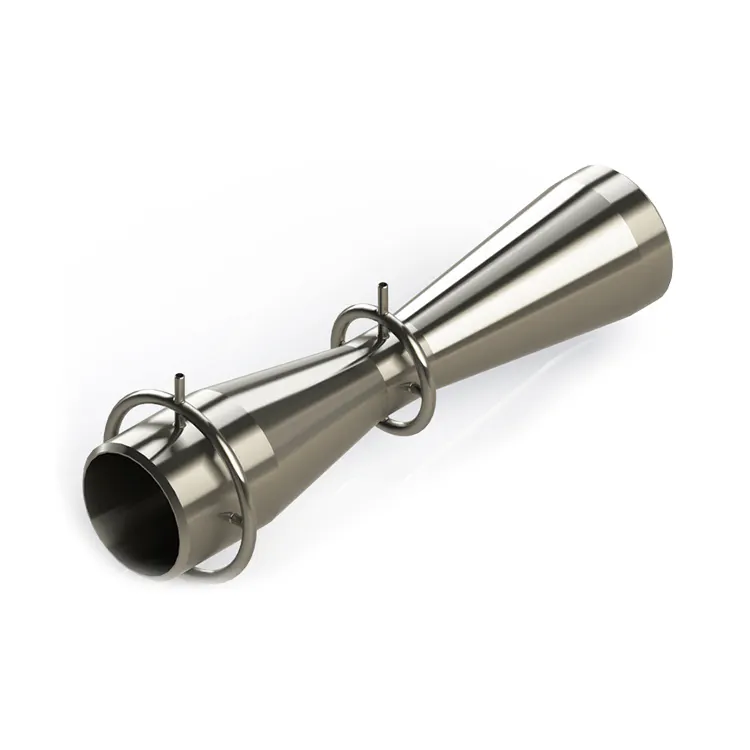
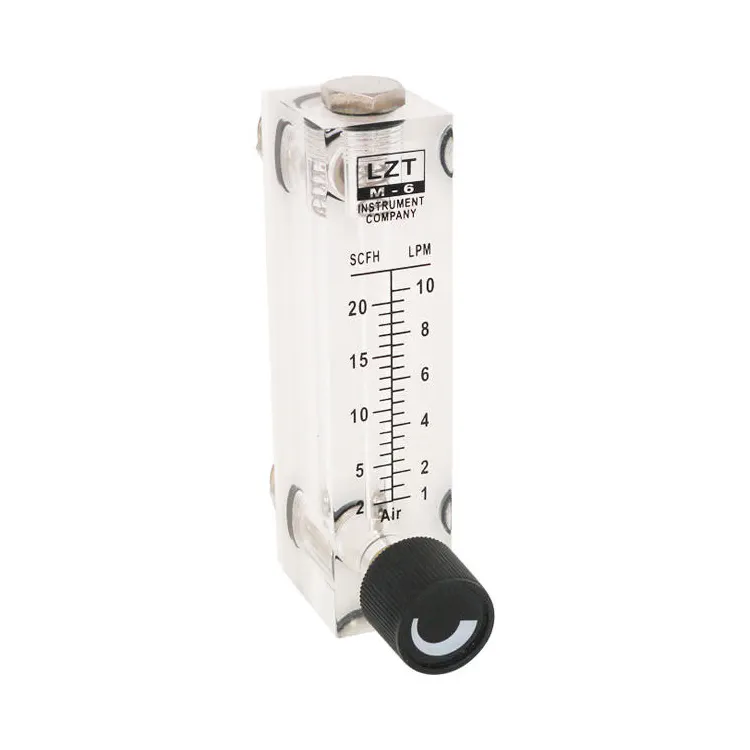
- Intrinsically Safe, Harsh Environment
تنزيل مستند معلومات منتج مقياس التدفق EN
Flowmeter Knowledge Hub
This page provides a structured, engineering-oriented overview of industrial flow measurement. It is designed to support technology selection, application evaluation, and system-level decision-making, rather than basic definitions. The content reflects real process conditions, long-term operation, and integration within industrial control systems.
1. Role of Flow Measurement in Industrial Systems
Flow measurement is a fundamental element of process control, energy management, and material balance. In industrial plants, flow data is directly linked to product quality, safety interlocks, efficiency optimization, and regulatory compliance. A flowmeter is rarely an isolated device; it functions as part of a larger measurement and control system.
Key objectives of flow measurement include:
Maintaining stable and repeatable process conditions
Supporting mass balance and consumption monitoring
Enabling control loops and safety logic
Providing reliable data for optimization and reporting
2. Flowmeter, Flow Sensor, and Flow Transmitter – System Roles
Flow measurement systems may include different functional components:
Flowmeters provide primary measurement based on a specific physical principle.
Flow sensors detect flow-related parameters and generate raw signals.
Flow transmitters condition signals and deliver standardized outputs for control systems.
In many industrial installations, these elements are integrated into a single device, while in others they are distributed for flexibility or redundancy. Understanding their roles helps define system architecture and reliability requirements.
3. Key Selection Factors for Flowmeters
Effective flowmeter selection begins with process conditions rather than product type. Critical factors include:
Medium type, such as liquid, gas, or steam
Fluid properties including density, viscosity, conductivity, and cleanliness
Operating pressure and temperature ranges
Required turndown ratio and response time
Pipe size, installation space, and accessibility
Selecting a flowmeter that matches actual operating conditions is more important than relying solely on nominal accuracy specifications.
4. Flow Measurement Technologies and Application Boundaries
4.1 Electromagnetic Flow Measurement
Electromagnetic flowmeters are commonly used for conductive liquids. They offer stable performance with minimal pressure loss and are well suited for water, wastewater, and slurry applications, provided conductivity requirements are met.
4.2 Ultrasonic Flow Measurement
Ultrasonic flowmeters are suitable for large pipe diameters and applications where non-intrusive measurement is preferred. Their performance depends on fluid properties, installation conditions, and signal path stability.
4.3 Differential Pressure and Velocity-Based Methods
Flow measurement methods based on pressure drop or velocity are widely used in gas and steam applications. These technologies require careful installation and compensation to maintain accuracy under changing process conditions.
5. Installation and Piping Considerations
Installation quality has a significant impact on flow measurement performance. Important considerations include:
Straight pipe length upstream and downstream
Flow profile disturbances caused by valves, bends, or pumps
Orientation and mounting alignment
Grounding, shielding, and signal routing
Proper piping design often improves measurement repeatability more effectively than selecting higher-accuracy devices.
6. Influence of Process Variations on Flow Measurement
Industrial processes are rarely stable. Temperature fluctuations, pressure changes, and flow regime variation can affect measurement consistency. Flowmeters designed for industrial use incorporate compensation and damping mechanisms to maintain reliable output under dynamic conditions.
7. Accuracy, Repeatability, and Long-Term Stability
While accuracy is an important parameter, repeatability and long-term stability are often more critical in industrial flow measurement. A flow sensor that produces consistent results over time supports better control performance and reduces recalibration effort.
8. System Integration and Data Utilization
Flowmeters are commonly integrated with PLC, DCS, or SCADA systems through standard output signals or digital communication. Beyond real-time monitoring, flow data supports batching, energy management, and predictive maintenance strategies.
9. Maintenance, Calibration, and Lifecycle Cost
Lifecycle cost is influenced by installation complexity, calibration requirements, and exposure to wear or fouling. Flowmeters selected for ease of maintenance and robust operation can significantly reduce downtime and total cost of ownership.
10. Industry-Specific Flow Measurement Practices
Different industries impose different priorities on flow measurement:
Water and wastewater applications emphasize reliability and low pressure loss
Oil and gas applications require wide operating ranges and safety compliance
Chemical processing focuses on material compatibility and process stability
Understanding these priorities helps align flowmeter selection with operational goals.
11. Common System-Level Challenges in Flow Measurement
Typical challenges encountered in flow measurement projects include:
Underestimating the impact of piping disturbances
Selecting technology based only on nominal accuracy
Ignoring maintenance access during design
Applying a single measurement principle across incompatible applications
Addressing these challenges requires a system-level approach rather than a device-centric view.
12. Building a Robust Flow Measurement Strategy
A robust flow measurement strategy integrates device selection, installation design, system integration, and maintenance planning. By focusing on real operating conditions and long-term performance, flowmeters can deliver reliable data that supports safe, efficient, and optimized industrial operations.
This knowledge structure is intended to serve as a long-term reference for engineers, system designers, and decision-makers involved in industrial flow measurement.
Flowmeter-FAQ
ما هو مقياس التدفق وكيف يعمل؟
A مقياس التدفق هو جهاز يقيس معدل تدفق السوائل أو الغازات في أنبوب أو قناة. في التطبيقات الصناعية، تحوِّل مقاييس التدفق التدفق الفيزيائي للسائل إلى إشارة كهربائية أو ميكانيكية يمكن نقلها إلى نظام التحكم. تشمل مبادئ القياس الشائعة تقنيات الضغط التفاضلي والكهرومغناطيسي والموجات فوق الصوتية والكوريوليس والتوربينات.
ما هي الأنواع المختلفة لمقاييس التدفق المستخدمة في التطبيقات الصناعية؟
تشمل مقاييس التدفق الصناعي ما يلي:
مقاييس التدفق بالضغط التفاضلي (DP): قياس التدفق عبر انخفاض الضغط عبر عائق (فوهة، فنتوري).
مقاييس التدفق الكهرومغناطيسي: استخدام قانون فاراداي للسوائل الموصلة؛ لا توجد أجزاء متحركة.
أجهزة قياس التدفق بالموجات فوق الصوتية: قياس التدفق عن طريق وقت العبور أو إزاحة دوبلر؛ مناسب للأنابيب الكبيرة أو القياس غير الجراحي.
مقاييس تدفق كوريوليس: قياس التدفق الكتلي مباشرةً؛ دقة عالية للتطبيقات الكيميائية أو تطبيقات النفط/الغاز.
مقاييس التدفق التوربيني: استخدام دوّار تتناسب سرعته مع التدفق؛ مثالي للسوائل النظيفة والوقود.
كيف تختار مقياس التدفق المناسب لمصانع النفط أو الغاز أو الكيماويات؟
يعتمد الاختيار على:
خصائص السوائل:: اللزوجة، والتوصيلية، والتآكل، ومحتوى الطين
معدل التدفق والمدى:: الحد الأدنى، والحد الأقصى، والتقلبات المتوقعة
حجم الأنبوب ومساحة التركيب
متطلبات الدقة:: ± 0.1%-1% حسب احتياجات العملية
الظروف البيئية:: تصنيف درجات الحرارة والضغط والاهتزازات والمناطق الخطرة
احتياجات التكامل:: التناظرية 4-20 مللي أمبير أو البروتوكولات الرقمية مثل HART أو Modbus
ما الفرق بين مقياس التدفق ومقياس التدفق بالضغط التفاضلي؟
A مقياس التدفق مصطلح عام لأي جهاز يقيس التدفق. A مقياس تدفق الضغط التفاضلي (DP) هو نوع من مقاييس التدفق الذي يحسب معدل التدفق عن طريق قياس فرق الضغط عبر عائق، مثل لوحة فتحة أو أنبوب فنتوري. تُستخدم مقاييس التدفق DP على نطاق واسع في مراقبة العمليات الصناعية نظرًا لموثوقيتها وفعاليتها من حيث التكلفة.
كيف يمكن المقارنة بين مقاييس التدفق الكهرومغناطيسي والكوريوليس والموجات فوق الصوتية؟
| النوع | الأفضل لـ | الدقة | الإيجابيات | السلبيات |
|---|---|---|---|---|
| الكهرومغناطيسية | السوائل الموصلة | ± 0.5 - 0.5 - 1% | لا توجد أجزاء متحركة، صيانة منخفضة | السوائل الموصلة فقط |
| كوريوليس | التدفق الكتلي للسوائل والغازات | ± 0.1-0.2% | تدفق كتلي مباشر، دقة عالية | تكلفة أعلى، ثقيلة |
| الموجات فوق الصوتية | الأنابيب الكبيرة، غير الغازية | ± 1% | لا يوجد تلامس مع السوائل، سهل التعديل التحديثي | حساس للفقاعات/المواد الصلبة |
ما مدى دقة أجهزة قياس التدفق الصناعي للسوائل والغازات؟
تعتمد الدقة على نوع مقياس التدفق:
عدادات كوريوليس:: ± 0.1-0.21 ت 3 ت 3 ت
مقاييس الضغط التفاضلي:: ± 0.25-1%
عدادات كهرومغناطيسية:: ± 0.5 - 0.5 - 1%
أجهزة قياس بالموجات فوق الصوتية:: ± 1%
يعد التركيب والمعايرة والصيانة المناسبة أمرًا بالغ الأهمية للحفاظ على الدقة المحددة.
هل يمكن لمقياس التدفق قياس كل من تدفق السائل والغاز؟
بعض مقاييس التدفق، مثل كوريوليس وأنواع الموجات فوق الصوتية, يمكن قياس كل من السوائل والغازات. ومع ذلك، فإن معظم مقاييس التدفق الكهرومغناطيسي تعمل مع السوائل الموصلة فقط، وعادةً ما تتم معايرة عدادات DP أو التوربينات إما للسائل أو الغاز، وليس لكليهما.
ما هي الأخطاء الشائعة في تركيب عدادات التدفق في خطوط الأنابيب؟
التركيب في المناطق ذات التدفق المضطرب أو عدم كفاية أطوال الأنابيب المستقيمة
استخدام عدادات ذات مقاسات غير صحيحة بالنسبة لقطر الأنبوب أو نطاق التدفق
تجاهل الظروف البيئية (درجة الحرارة، أو الاهتزاز، أو الوسائط المسببة للتآكل)
تخطي خطوط الدفع أو المرشحات لمقاييس التدفق DP
عدم توفير التأريض المناسب أو التدريع المناسب للعدادات الكهرومغناطيسية
كم مرة يجب معايرة عدادات التدفق الصناعي؟
تعتمد المعايرة على الاستخدام وأهمية العملية:
عالية الدقة أو مقاييس التدفق الكتلي (كوريوليس):: كل 6-12 شهراً
مقاييس التدفق DP: 12 شهرًا أو حسب متطلبات العملية
عدادات كهرومغناطيسية أو فوق صوتية: 12-18 شهرًا
تضمن المعايرة المنتظمة قياس التدفق الموثوق به والتحكم في العمليات.
هل يمكن أن تعمل عدادات التدفق في البيئات الخطرة أو القابلة للانفجار؟
نعم. العديد من مقاييس التدفق الصناعي معتمدة من ATEX أو IECEx أو CSA, مما يسمح بالتشغيل الآمن في الظروف القابلة للاشتعال أو الانفجار. اختر دائمًا العدادات ذات تصنيف المناطق الخطرة لبيئة العملية.
كيف تتواصل عدادات التدفق الذكية مع أنظمة SCADA أو PLC؟
غالبًا ما تتضمن عدادات التدفق الذكية بروتوكولات اتصال رقمية مثل HART، أو Modbus، أو FOUNDATION Fieldbus, مما يسمح بالمراقبة والتشخيص عن بُعد والتكامل مع أنظمة التحكم الموزعة أو أنظمة SCADA. يمكنها توفير بيانات في الوقت الفعلي عن معدل التدفق والحجم الكلي وتنبيهات الصيانة.
ما الصيانة المطلوبة لقياس التدفق الموثوق به على المدى الطويل؟
المعايرة والتحقق الدوري
تنظيف أجهزة الاستشعار في السوائل عالية الترسبات
فحص التلف الميكانيكي أو التسرب
التحقق من الخطوط الدافعة (لمقاييس DP)
تحديث البرامج الثابتة أو التحقق من تشخيصات العدادات الذكية
لماذا تختار إنسترافا
باختيارك Instrava، ستحصل على شريك يتمتع بفهم عميق للتطبيقات الصناعية والخبرة اللازمة لمواجهة التحديات التشغيلية الحالية.
يمتد دورنا إلى ما هو أبعد من المنتجات - فنحن ندعم نجاحك من خلال حلول يمكن الاعتماد عليها والتزام طويل الأجل.
الابتكار المدفوع بالهندسة
يسترشد الابتكار في Instrava بالمتطلبات الصناعية الحقيقية. نحن نعمل باستمرار على تحسين تقنياتنا لمعالجة التحديات التشغيلية المتطورة، مما يضمن أداءً عمليًا وموثوقًا في البيئات الصعبة.
التخصيص الخاص بالتطبيق الخاص بالتطبيق
نحن نقدم التخصيص على المستوى الهندسي لمطابقة ظروف عملية محددة. بدءًا من نطاق القياس والمواد إلى إشارات الخرج وخيارات التثبيت، يتم تكوين حلولنا لتناسب التطبيقات الحقيقية.
جودة وموثوقية مثبتة
الجودة والموثوقية أمران أساسيان لكل منتج من منتجات إنسترافا. تُصنع أدواتنا تحت رقابة صارمة على الجودة ويتم اختبارها بدقة، وتوفر أداءً دقيقًا ومستقرًا وطويل الأجل.
القدرة العالمية مع الدعم المحلي
تجمع إنسترافا بين الخبرة الهندسية العالمية والدعم المحلي سريع الاستجابة، مما يضمن لشركائنا الاستفادة من التكنولوجيا المتوافقة دوليًا والخدمة الإقليمية في الوقت المناسب.
محفظة المنتجات الشاملة
تتيح لنا محفظتنا الواسعة من أدوات القياس والتحكم تلبية مجموعة واسعة من الاحتياجات الصناعية، مما يوفر حلولاً متكاملة من مصدر واحد وموثوق.
الدعم الهندسي الموجه للشركاء
نحن نعمل عن كثب مع شركائنا بدءاً من الاستشارات الفنية وحتى دعم ما بعد البيع. ينصب تركيزنا على تقديم حلول تخلق قيمة دائمة وتدعم النجاح التشغيلي على المدى الطويل.