- Расписание. Пн - Сб 09.00 - 20.00








Передатчики
Главная » Передатчики
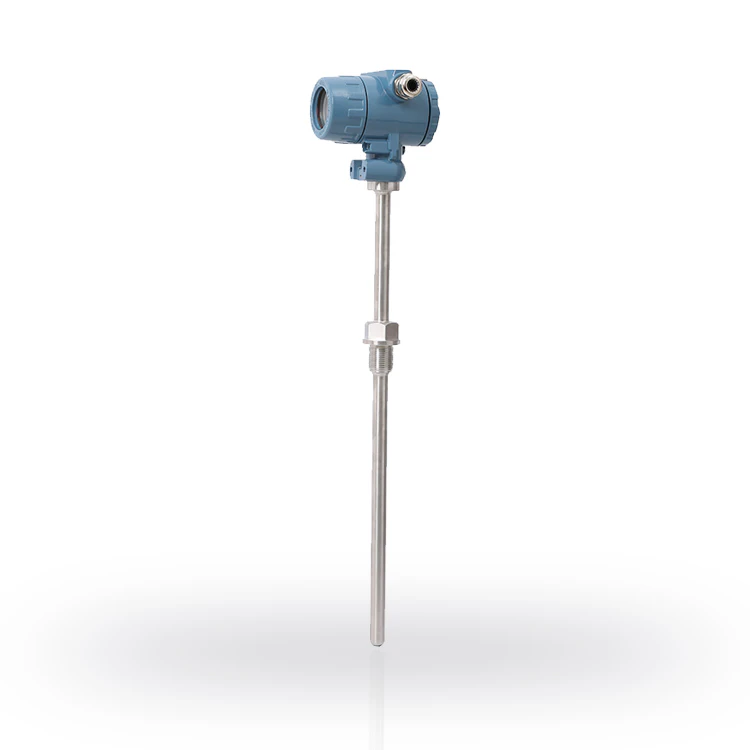
Высокоточные измерительные схемы с малым дрейфом
- Искробезопасность, высокая точность

0.0–19.9 μS/cm | 20–199 μS/cm | 0.20–2.00 mS/cm| 2.00–10.00 mS/cm
- High Accuracy, IP65 Rated
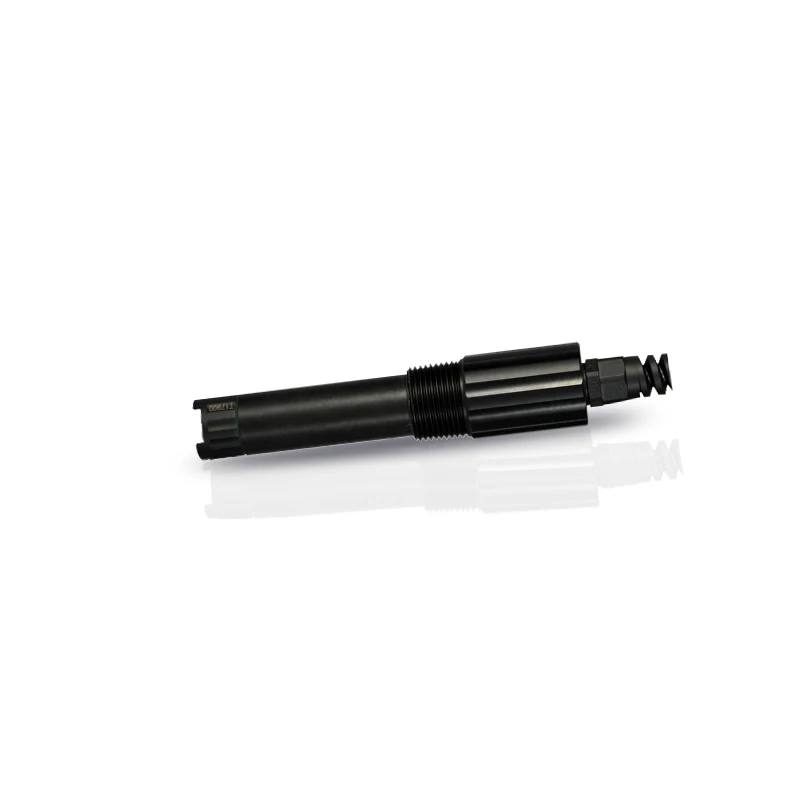
Трехэлектродная амперометрическая измерительная система
- High Accuracy, IP65 Rated
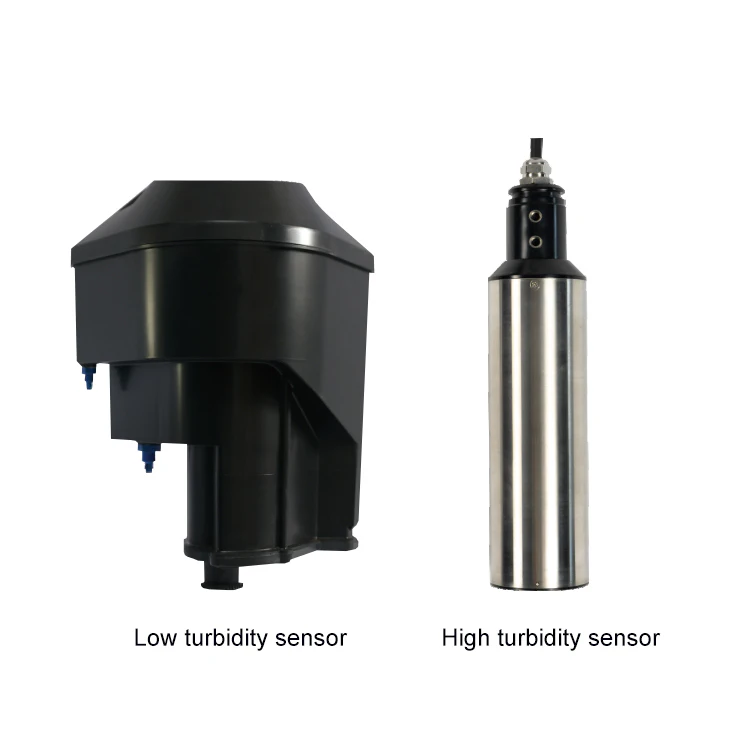
0.01–100 NTU | 0.01–4000 NTU
- Intrinsically Safe, IP68 Rated
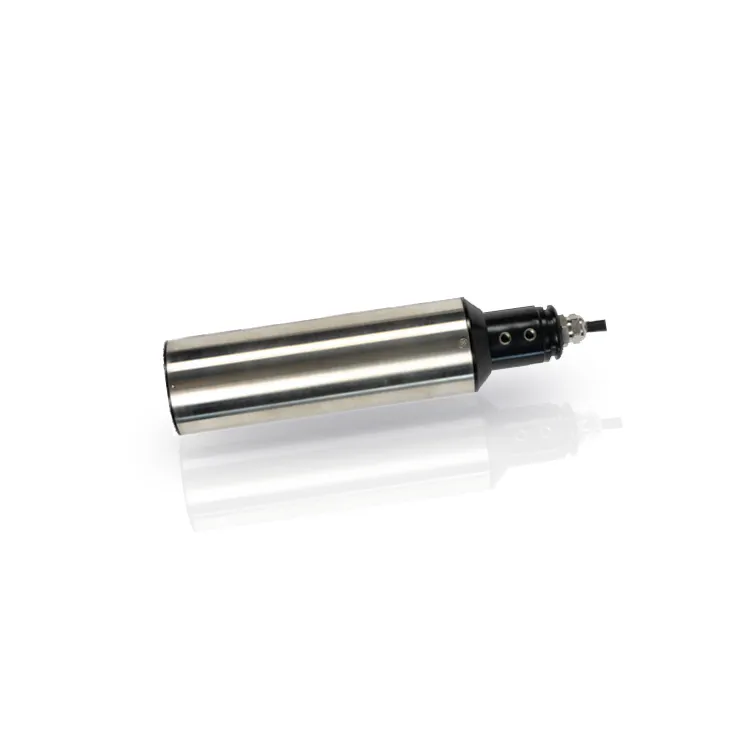
Online SS & MLSS Measurement Sensor for Water and Wastewater
- High Accuracy, IP68 Rated
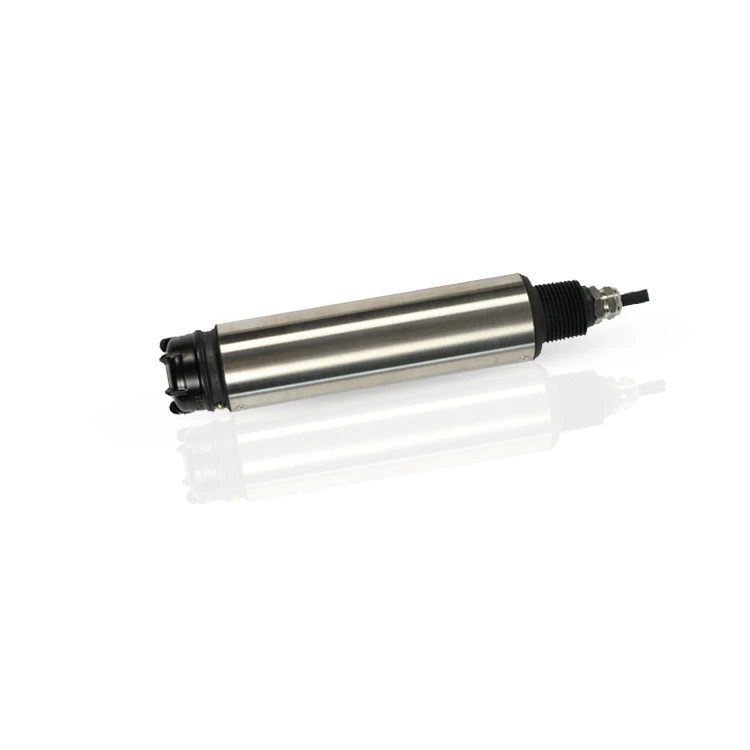
Optical, Maintenance-Free DO Measurement for Long-Term Monitoring
- High Accuracy, IP68 Rated
Скачать документ EN с информацией о продукции передатчиков
Центр знаний о передатчиках
На этой странице представлен всеобъемлющий обзор промышленных преобразователей с акцентом на их роль в измерении процессов, системной интеграции и эксплуатационной надежности. Она предназначена для инженеров, разработчиков систем и специалистов по промышленной безопасности, а не для базовых технических определений.
1. Роль преобразователей в промышленных системах
Преобразователи преобразуют физические переменные процесса, такие как давление, температура, расход и уровень, в стандартизированные электрические сигналы (4-20 мА, HART, Modbus и т. д.) для целей мониторинга, управления и автоматизации. Они имеют решающее значение для:
Мониторинг процесса в режиме реального времени
Интеграция систем сигнализации и безопасности
Регистрация данных и соблюдение нормативных требований
Управление с обратной связью в автоматизированных системах
Передатчики являются связующим звеном между физическими процессами и цифровыми системами управления, обеспечивая надежность данных и эффективность промышленных операций.
2. Типы промышленных преобразователей
2.1 Преобразователи давления
Используются для измерения избыточного, абсолютного или дифференциального давления в жидкостях, газах и паре. Ключевыми факторами являются диапазон, совместимость со средой, температурные пределы и условия установки.
2.2 Преобразователи температуры
Преобразование сигналов RTD или термопар в стандартизированные выходы для систем DCS/PLC. Критерии выбора включают тип датчика, диапазон температур процесса и стабильность сигнала.
2.3 Преобразователи расхода
Используется с расходомерами (электромагнитными, ультразвуковыми, вихревыми, турбинными и т.д.) для получения точных, воспроизводимых данных о расходе для управления, мониторинга и управления запасами.
2.4 Преобразователи уровня
Преобразуют изменения уровня жидкости в электрические сигналы для дистанционного мониторинга или управления. В зависимости от области применения они могут использовать радарные, ультразвуковые, гидростатические или магнитные технологии.
2.5 Газовые трансмиттеры
Обнаруживают токсичные, горючие или кислороднодефицитные среды и посылают сигналы контроллерам или системам безопасности. Выбор типа датчика (электрохимический, каталитический, инфракрасный) влияет на дальность обнаружения и надежность.
3. Основные критерии выбора передатчиков
Тип и диапазон переменных процесса
Условия эксплуатации: температура, давление, влажность, вибрация
Свойства среды: коррозионная, вязкая или абразивная
Требования к выходным сигналам и протоколы связи
Экологические рейтинги и сертификаты (IP, NEMA, ATEX, IECEx)
Доступность обслуживания и необходимость калибровки
Выбор преобразователя, соответствующего условиям технологического процесса, обеспечивает долговременную точность и надежность.
4. Установка и интеграция системы
Правильный монтаж для минимизации механических нагрузок и вибрации
Достаточное удаление от источников тепла или электромагнитных помех
Правильное подключение, заземление и экранирование
Интеграция с DCS, PLC, SCADA или системами безопасности
Проверка и диагностика сигнала для выявления дрейфа или неисправностей датчика
Хорошо продуманная установка максимально увеличивает точность и срок службы передатчика.
5. Практика технического обслуживания и калибровки
Регулярная калибровка в соответствии с рекомендациями производителя и критичностью процесса
Функциональные проверки и диагностика для выявления дрейфа или деградации датчика
Планирование запасных частей для долгосрочной поддержки
Очистка и контроль в жестких технологических условиях
Регулярное техническое обслуживание обеспечивает бесперебойный контроль процесса и безопасность системы.
6. Отраслевые применения передатчиков
Нефть и газ: датчики давления, уровня и расхода для контроля добычи, хранения и трубопроводов
Химическая и нефтехимическая промышленность: коррозионностойкие преобразователи для управления технологическими процессами и безопасности
Вода и сточные воды: преобразователи расхода и уровня для мониторинга и соблюдения нормативных требований
Энергетика: датчики давления, температуры и расхода для турбин, котлов и систем охлаждения
Продукты питания и напитки: гигиенические преобразователи для контроля и автоматизации процессов
7. Соображения системного уровня
Резервирование: двойные датчики для критических переменных для повышения безопасности и надежности
Диагностика: интеллектуальные передатчики с функцией самопроверки и передачи сигналов тревоги
Интеграция данных: анализ тенденций, предиктивное обслуживание и оптимизация процессов
Совместимость с контрольно-измерительными системами (КИС) для аварийного реагирования
Передатчики-FAQ
Как выбрать подходящий излучатель для моего процесса?
Учитывайте переменные процесса, рабочую среду, совместимость со средой, требуемую точность, тип выходного сигнала и соответствие нормативным требованиям. Соответствие преобразователя конкретным промышленным условиям обеспечивает надежность и снижает потребность в техническом обслуживании.
Каковы общие выходные сигналы промышленных передатчиков?
Стандартные выходы включают 4-20 мА, 0-10 В, цифровой обмен данными HART, Modbus и Fieldbus. Выбор зависит от системной интеграции, расстояния и требований к данным.
Как воздействие окружающей среды влияет на работу передатчика?
Высокая температура, влажность, вибрация, коррозионная среда или электромагнитные помехи могут ухудшить характеристики и точность датчиков. Выбор датчиков промышленного класса с защитным корпусом и соответствующими характеристиками окружающей среды имеет большое значение.
Как часто следует калибровать датчики?
Частота калибровки зависит от типа датчика, критичности процесса, характеристик дрейфа датчика и рекомендаций производителя. При повышенном риске или критических переменных процесса может потребоваться более частая калибровка.
Можно ли использовать передатчики во взрывоопасных зонах?
Да, но они должны соответствовать сертификатам безопасности, таким как ATEX, IECEx, или местным нормам. Для горючих или взрывоопасных сред требуется взрывозащищенное или искробезопасное исполнение.
В чем разница между передатчиком и датчиком?
Датчик обнаруживает физический параметр (давление, температуру, уровень, расход) и может вырабатывать необработанный сигнал. Датчик обрабатывает этот сигнал и преобразует его в стандартный выходной сигнал для систем мониторинга, управления или безопасности.
Как интеллектуальные передатчики улучшают управление процессом?
Интеллектуальные датчики обеспечивают диагностику, самокалибровку, анализ тенденций и цифровую связь. Эти функции обеспечивают прогнозируемое техническое обслуживание, сокращение времени простоя и повышение эффективности процессов.
Как интегрировать несколько передатчиков в систему?
Передатчики могут быть подключены к ПЛК, DCS, SCADA или контроллерам безопасности с использованием аналоговой или цифровой связи. Правильная интеграция включает в себя проверку сигнала, диагностику и планирование резервирования.
Какие проблемы технического обслуживания характерны для промышленных передатчиков?
К числу проблем относятся дрейф датчиков, засорение, коррозия, механические нагрузки и электрические помехи. Регулярный осмотр, калибровка и выбор надежных устройств промышленного класса позволяют решить эти проблемы.
Как передатчики способствуют обеспечению безопасности и соблюдению нормативных требований?
Передатчики обеспечивают мониторинг критических переменных процесса в реальном времени, подают сигналы тревоги, поддерживают системы безопасности и регистрируют данные для аудита и нормативной отчетности. Они необходимы как для обеспечения безопасности эксплуатации, так и для документирования соответствия.
Почему стоит выбрать Instrava
Выбирая компанию Instrava, вы получаете партнера с глубоким пониманием промышленных применений и опытом, позволяющим решать современные производственные задачи.
Наша роль выходит за рамки продукции - мы поддерживаем ваш успех с помощью надежных решений и долгосрочных обязательств.
Инновации, управляемые инженерами
Инновации компании Instrava основаны на реальных промышленных требованиях. Мы постоянно совершенствуем наши технологии для решения возникающих производственных задач, обеспечивая практичную и надежную работу в сложных условиях.
Настройка под конкретное приложение
Мы обеспечиваем настройку на инженерном уровне для соответствия конкретным условиям процесса. От диапазона измерений и материалов до выходных сигналов и вариантов установки - наши решения настраиваются в соответствии с реальными условиями применения.
Проверенное качество и надежность
Качество и надежность являются основой каждого продукта Instrava. Изготовленные под строгим контролем качества и тщательно протестированные, наши приборы обеспечивают точную, стабильную и долговременную работу.
Глобальный потенциал с поддержкой на местах
Компания Instrava сочетает глобальный инженерный опыт с оперативной поддержкой на местах, обеспечивая нашим партнерам преимущества международных технологий и своевременного регионального обслуживания.
Широкий ассортимент продукции
Широкий ассортимент измерительных и контрольно-измерительных приборов позволяет нам удовлетворять широкий спектр промышленных потребностей, предлагая комплексные решения из одного надежного источника.
Инженерная поддержка, ориентированная на партнеров
Мы тесно сотрудничаем с нашими партнерами, начиная с технических консультаций и заканчивая послепродажным обслуживанием. Наше внимание сосредоточено на предоставлении решений, которые создают долгосрочную ценность и поддерживают долгосрочный операционный успех.