- Расписание. Пн - Сб 09.00 - 20.00






Liquid Analysis
Главная » Liquid Analysis
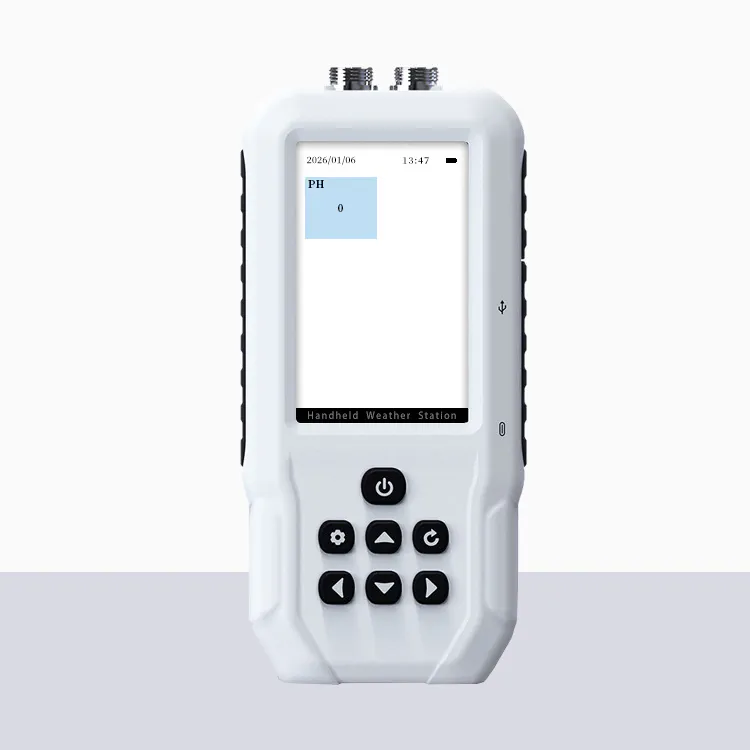
pH range: 0 – 14 pH | Measurement accuracy: ±0.1 pH
- Industrial-Grade Construction, Long-Term Stability, OEM & Project Customization, Factory-Calibrated & Tested
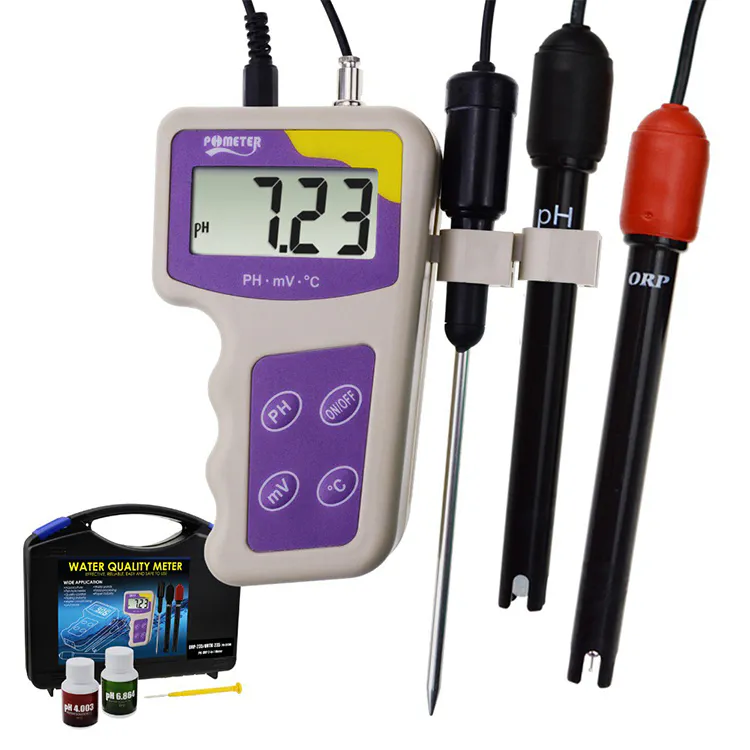
pH range: 0.00 – 14.00 pH | mV range: -1999 – 1999 mV
- Industrial-Grade Construction, Corrosion-Resistant Materials, OEM & Project Customization
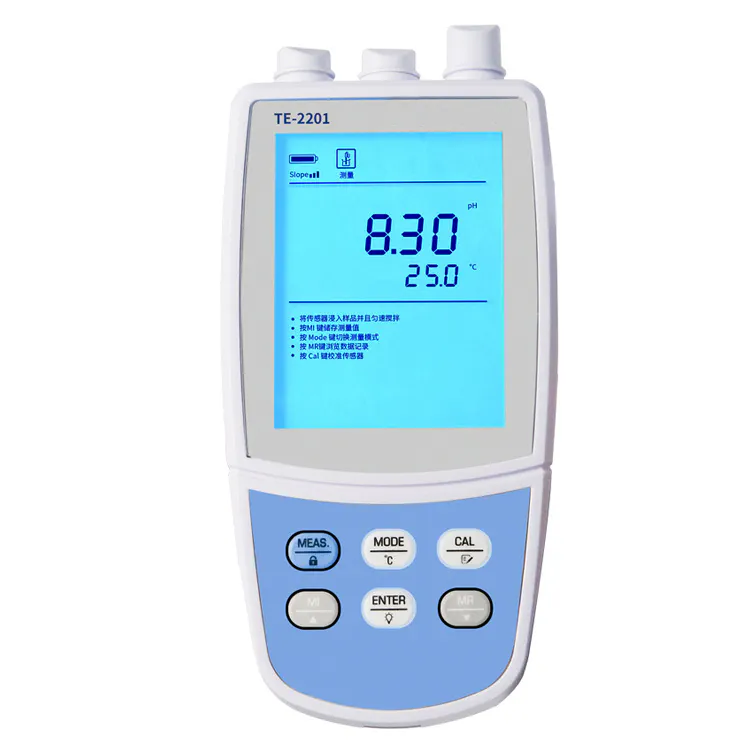
Automatic Temperature Compensation | USB Data Management
- Long-Term Stability, OEM & Project Customization
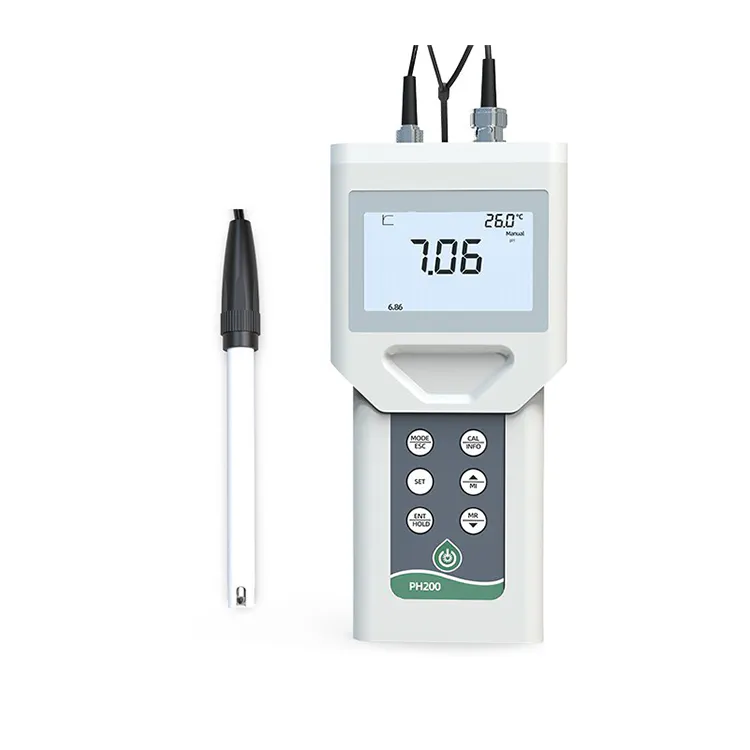
pH measurement range: 0.00 – 14.00 pH
- Corrosion-Resistant Materials, OEM & Project Customization
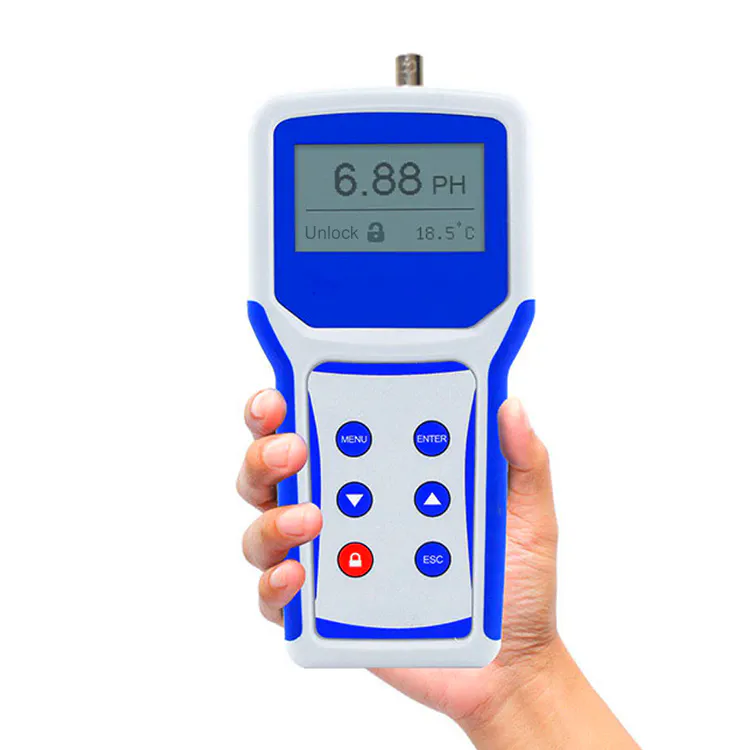
pH measurement range: -2.00 to 16.00
Resolution: 0,01 pH, temperature: 0.1°C
- Corrosion-Resistant Materials, OEM & Project Customization
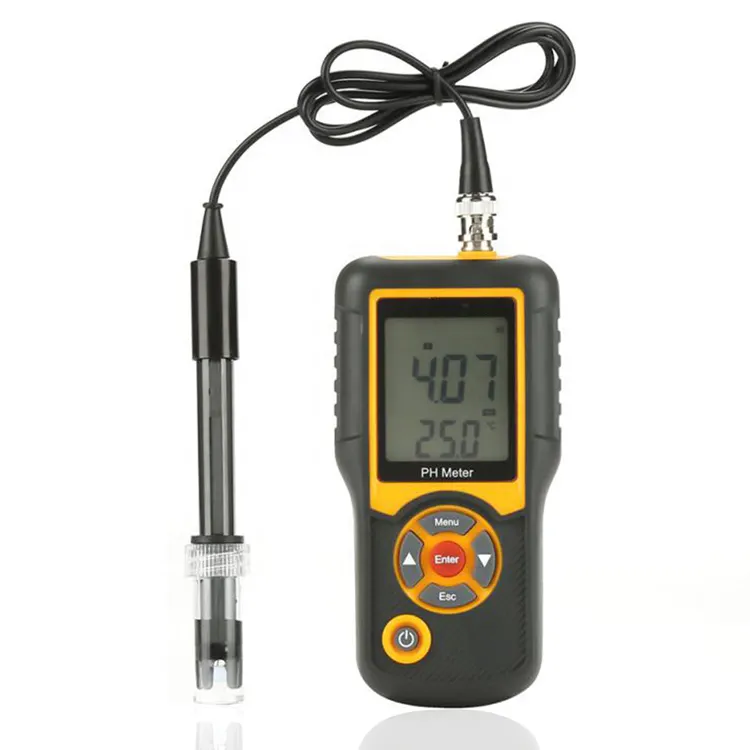
0–14 pH | -415 mV to 415 mV
- OEM & Project Customization, Factory-Calibrated & Tested
Liquid Analysis Knowledge Hub
This page provides a structured technical framework for understanding liquid analysis in industrial environments. It focuses on system architecture, sensor selection logic, environmental constraints, calibration strategy, and long-term reliability rather than basic parameter definitions.
Liquid analysis plays a critical role in process control, environmental compliance, water treatment, and product quality assurance. Accurate chemical measurement directly influences operational stability, regulatory adherence, and asset protection.
1. Role of Liquid Analysis in Industrial Systems
Liquid analysis instruments monitor chemical and physical parameters of water and process fluids. Unlike purely physical measurements such as flow or pressure, liquid analysis deals with electrochemical interactions, ion concentration, and dissolved substances.
These measurements are essential for:
Process optimization and chemical dosing control
Corrosion prevention and scaling control
Environmental discharge compliance
Product quality assurance
Equipment protection in boilers, cooling towers, and pipelines
Liquid analysis systems typically consist of sensors, transmitters, controllers, sample conditioning components, and calibration tools.
2. Core Measurement Parameters in Liquid Analysis
2.1 pH Measurement
pH sensors measure hydrogen ion activity and are widely used in water treatment, chemical processing, and wastewater monitoring. Stability, temperature compensation, and electrode maintenance are key considerations.
2.2 ORP (Oxidation-Reduction Potential)
ORP monitoring evaluates oxidation efficiency in disinfection and chemical treatment processes. It is commonly used in wastewater treatment and swimming pool systems.
2.3 Conductivity and Resistivity
Conductivity sensors assess ionic concentration and are critical in boiler feedwater, cooling systems, and ultrapure water applications.
2.4 Dissolved Oxygen (DO)
DO measurement supports biological treatment processes, aquaculture, and process monitoring where oxygen levels affect reaction efficiency.
2.5 Turbidity and Suspended Solids
Turbidity sensors detect suspended particles and are essential for filtration monitoring and discharge compliance.
2.6 Chlorine and Residual Disinfectants
Used in potable water and wastewater systems to ensure effective disinfection and regulatory compliance.
3. Sensor Technologies and Selection Logic
Liquid analysis relies heavily on electrochemical and optical sensor technologies. Key selection factors include:
Measurement range and required accuracy
Temperature and pressure conditions
Fouling and coating risk
Chemical compatibility of wetted materials
Response time requirements
Maintenance accessibility
In harsh industrial environments, sensor durability and drift stability often outweigh laboratory-level precision.
4. Installation and Sampling Considerations
Reliable liquid analysis depends on proper installation:
Flow cell vs inline installation
Adequate sample flow rate
Avoidance of air bubbles and sediment accumulation
Proper grounding to prevent electrical noise
Temperature compensation integration
Incorrect sampling design is one of the most common causes of unstable readings.
5. Calibration and Maintenance Strategy
Unlike pressure or flow measurement, liquid analysis sensors require periodic calibration due to electrode aging and coating.
Best practices include:
Routine cleaning to remove scaling or biofouling
Calibration with certified buffer or standard solutions
Scheduled sensor replacement based on service life
Monitoring slope and offset changes to detect degradation
A structured maintenance plan ensures long-term measurement integrity.
6. Integration with Control and Automation Systems
Liquid analysis transmitters typically provide 4-20 mA, HART, or digital communication outputs. They can be integrated with:
ПЛК и системы DCS
Chemical dosing pumps
Alarm controllers
SCADA platforms for remote monitoring
Data from liquid analysis instruments enables automated chemical dosing and compliance reporting.
7. Industry Applications
Water & Wastewater Treatment: pH, ORP, turbidity, chlorine monitoring
Chemical Processing: reaction control and corrosion prevention
Power Generation: boiler water conductivity and dissolved oxygen control
Food & Beverage: hygienic pH and conductivity monitoring
Semiconductor & Electronics: ultrapure water resistivity measurement
Each industry presents unique challenges in terms of contamination risk, regulatory requirements, and maintenance frequency.
8. Reliability and Lifecycle Considerations
Liquid analysis instruments operate in chemically aggressive environments. Long-term reliability depends on:
Sensor material compatibility
Automatic temperature compensation
Protection against fouling and scaling
Ease of calibration and sensor replacement
Lifecycle cost evaluation should include consumables, calibration frequency, and downtime impact.
9. FAQ – Liquid Analysis
Q1. Why do liquid analysis sensors require more frequent calibration than pressure or flow instruments?
Electrochemical sensors gradually drift due to membrane aging, electrolyte depletion, coating, and chemical exposure. Regular calibration ensures measurement accuracy and regulatory compliance.
Q2. How does temperature affect pH and conductivity measurements?
Temperature directly influences ion activity and electrical conductivity. Proper temperature compensation is necessary to maintain accurate and stable readings.
Q3. What causes unstable readings in liquid analysis systems?
Common causes include air bubbles, insufficient flow, electrical interference, fouling, sensor aging, and improper grounding.
Q4. How can fouling impact liquid analysis performance?
Coating or scaling on sensor surfaces reduces response time and accuracy. Routine cleaning and selecting anti-fouling designs help maintain performance.
Q5. When should inline measurement be preferred over sample-based systems?
Inline measurement is suitable for real-time control and fast response, while sample systems are used when process conditions are too harsh or require conditioning.
Q6. How do liquid analysis instruments support regulatory compliance?
They provide continuous monitoring data for discharge permits, potable water standards, and environmental reporting requirements.
Q7. What is the difference between laboratory and industrial liquid analysis instruments?
Laboratory instruments prioritize high precision under controlled conditions, while industrial instruments emphasize durability, stability, and resistance to harsh environments.
Q8. How does sensor material compatibility influence longevity?
Incorrect material selection can lead to corrosion, swelling, or chemical degradation, significantly shortening sensor service life.
Q9. Can liquid analysis systems be automated for chemical dosing control?
Yes. Integrated transmitters and controllers can trigger dosing pumps based on real-time pH, ORP, or conductivity readings.
Q10. What are the main cost drivers in liquid analysis systems?
Cost drivers include sensor replacement frequency, calibration labor, cleaning requirements, and downtime during maintenance.
10. Расширение центра знаний
This Liquid Analysis Knowledge Hub can be extended with dedicated technical pages covering:
pH measurement troubleshooting guide
Conductivity measurement selection strategy
Dissolved oxygen sensor comparison
Industrial calibration best practices
Liquid analysis system design for water treatment plants
These extensions build authority in water quality analysis and industrial chemical measurement systems.
Liquid Analysis-FAQ
Why do liquid analysis readings sometimes look stable but are actually inaccurate?
A stable reading does not always indicate accuracy. Electrochemical sensors may drift gradually while still producing consistent output. Without periodic calibration or slope verification, long-term drift can create false confidence in process stability.
How can improper grounding affect liquid analysis systems?
Liquid analysis sensors are highly sensitive to electrical noise. Poor grounding or shared power circuits can introduce signal instability, random fluctuations, or offset errors. Proper shielding and isolated transmitters significantly improve measurement reliability.
Why is sensor placement often more critical than sensor model selection?
Even high-quality sensors will perform poorly if installed in stagnant zones, near air entrainment points, or in sediment-prone locations. Flow dynamics and sample representativeness are often more important than nominal sensor accuracy.
How does biofouling impact long-term liquid analysis performance?
Biofilm formation can insulate sensor surfaces, slow response time, and alter readings. In wastewater and cooling applications, anti-fouling coatings or automatic cleaning mechanisms may be necessary to maintain stability.
Can rapid chemical dosing cause misleading pH or ORP readings?
Yes. Localized chemical injection without proper mixing can cause temporary spikes in sensor readings. Installing sensors downstream of adequate mixing zones ensures meaningful control feedback.
Why do identical sensors perform differently in different facilities?
Differences in water composition, temperature fluctuations, maintenance practices, and installation quality can significantly affect sensor lifespan and stability. Process context is more influential than model specifications.
How do liquid analysis systems support predictive maintenance strategies?
By tracking calibration slope, offset deviation, and response time trends, operators can anticipate sensor degradation before failure occurs. This reduces unexpected downtime and improves maintenance planning.
What are the risks of over-calibrating liquid analysis sensors?
Excessive calibration can accelerate wear on electrodes and increase contamination risk. Calibration frequency should balance process criticality and sensor stability rather than following arbitrary schedules.
How can sample conditioning improve measurement stability?
Sample cooling, pressure reduction, filtration, and bubble removal stabilize measurement conditions. In high-temperature or high-pressure processes, conditioning systems are often essential for reliable liquid analysis.
Why do conductivity readings sometimes fluctuate during stable operations?
Microbubble formation, temperature swings, or flow inconsistency can cause conductivity variation. Ensuring steady sample flow and proper temperature compensation minimizes fluctuations.
What is the most overlooked cost factor in liquid analysis systems?
The long-term cost of sensor replacement, cleaning labor, calibration downtime, and chemical standards often exceeds initial instrument cost. Lifecycle planning is critical in budgeting decisions.
How can operators distinguish between sensor failure and process change?
Comparing redundant measurements, checking calibration slope, and verifying temperature compensation help identify whether deviations originate from the sensor or the process itself.
Are industrial liquid analysis instruments suitable for laboratory-grade accuracy?
Industrial instruments prioritize durability, stability, and environmental resistance over ultra-high precision. Expecting laboratory-level accuracy in harsh process environments is unrealistic without controlled sampling systems.
How does flow rate affect sensor response time?
Low flow rates can delay response and create stagnant layers around electrodes. Proper flow cell design ensures rapid equilibration and representative sampling.
Why do dissolved oxygen sensors require special attention in biological systems?
In aeration tanks or biological reactors, DO levels can change rapidly. Sensor response time, membrane condition, and biofouling resistance directly influence control efficiency and energy consumption.
Почему стоит выбрать Instrava
Выбирая компанию Instrava, вы получаете партнера с глубоким пониманием промышленных применений и опытом, позволяющим решать современные производственные задачи.
Наша роль выходит за рамки продукции - мы поддерживаем ваш успех с помощью надежных решений и долгосрочных обязательств.
Инновации, управляемые инженерами
Инновации компании Instrava основаны на реальных промышленных требованиях. Мы постоянно совершенствуем наши технологии для решения возникающих производственных задач, обеспечивая практичную и надежную работу в сложных условиях.
Настройка под конкретное приложение
Мы обеспечиваем настройку на инженерном уровне для соответствия конкретным условиям процесса. От диапазона измерений и материалов до выходных сигналов и вариантов установки - наши решения настраиваются в соответствии с реальными условиями применения.
Проверенное качество и надежность
Качество и надежность являются основой каждого продукта Instrava. Изготовленные под строгим контролем качества и тщательно протестированные, наши приборы обеспечивают точную, стабильную и долговременную работу.
Глобальный потенциал с поддержкой на местах
Компания Instrava сочетает глобальный инженерный опыт с оперативной поддержкой на местах, обеспечивая нашим партнерам преимущества международных технологий и своевременного регионального обслуживания.
Широкий ассортимент продукции
Широкий ассортимент измерительных и контрольно-измерительных приборов позволяет нам удовлетворять широкий спектр промышленных потребностей, предлагая комплексные решения из одного надежного источника.
Инженерная поддержка, ориентированная на партнеров
Мы тесно сотрудничаем с нашими партнерами, начиная с технических консультаций и заканчивая послепродажным обслуживанием. Наше внимание сосредоточено на предоставлении решений, которые создают долгосрочную ценность и поддерживают долгосрочный операционный успех.