- Horario. Lun - Sab 09.00 - 20.00








Instrumentos de medición de nivel
Inicio » Instrumentos de medición de nivel
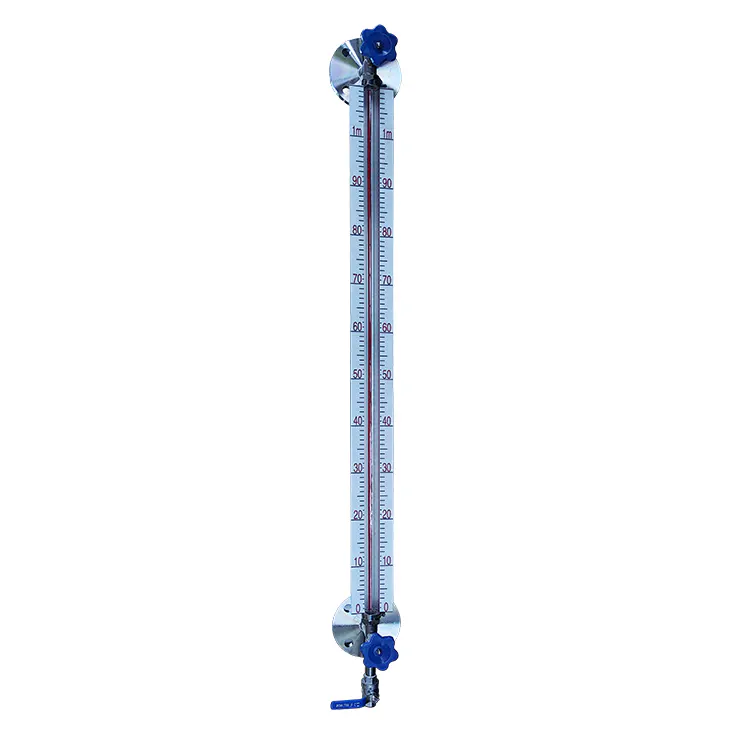
Rango de medición: 440-2200mm
Presión de trabajo: 1,6MPa
- Seguridad crítica, bajo mantenimiento, CE
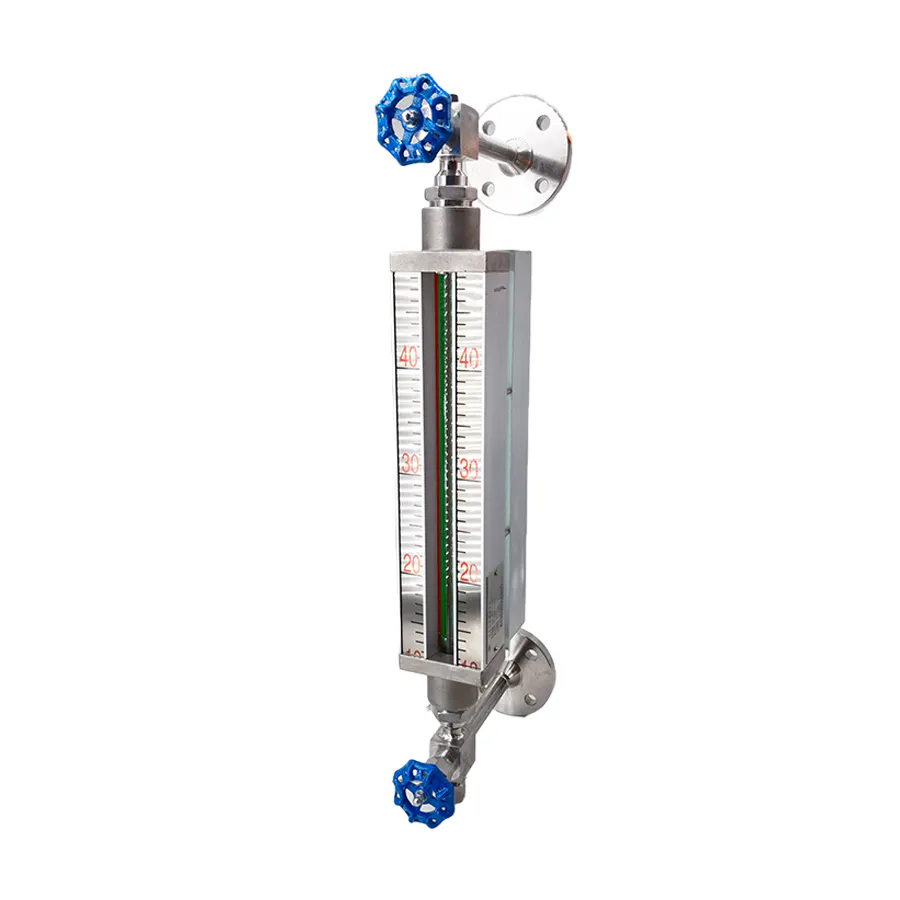
Rango de medición: 300-2000mm
Presión de trabajo: 10MPa
- A prueba de explosiones, alta presión, grado industrial
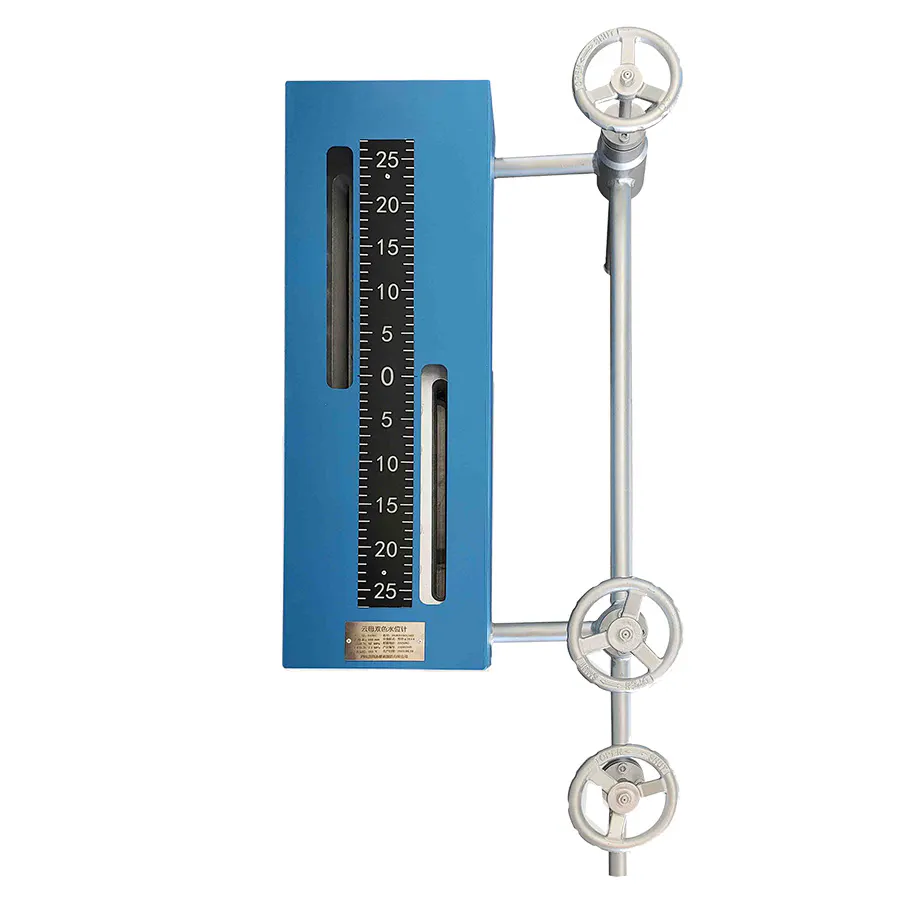
Rango de medición: 300-670 mm
Presión de trabajo: 21.511.5-MPa
- Alta temperatura, alta presión, grado industrial
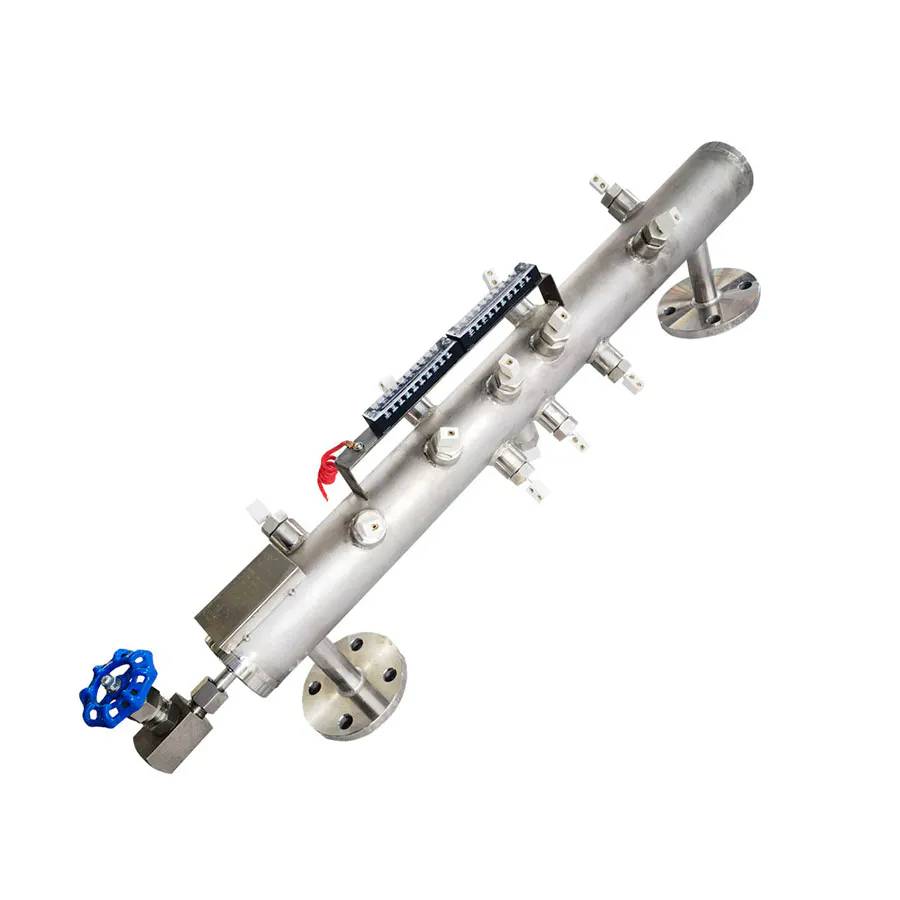
Rango de medición: 440-2200mm
Presión de trabajo: 22MPa
- Intrínsecamente seguro, alta temperatura, alta presión
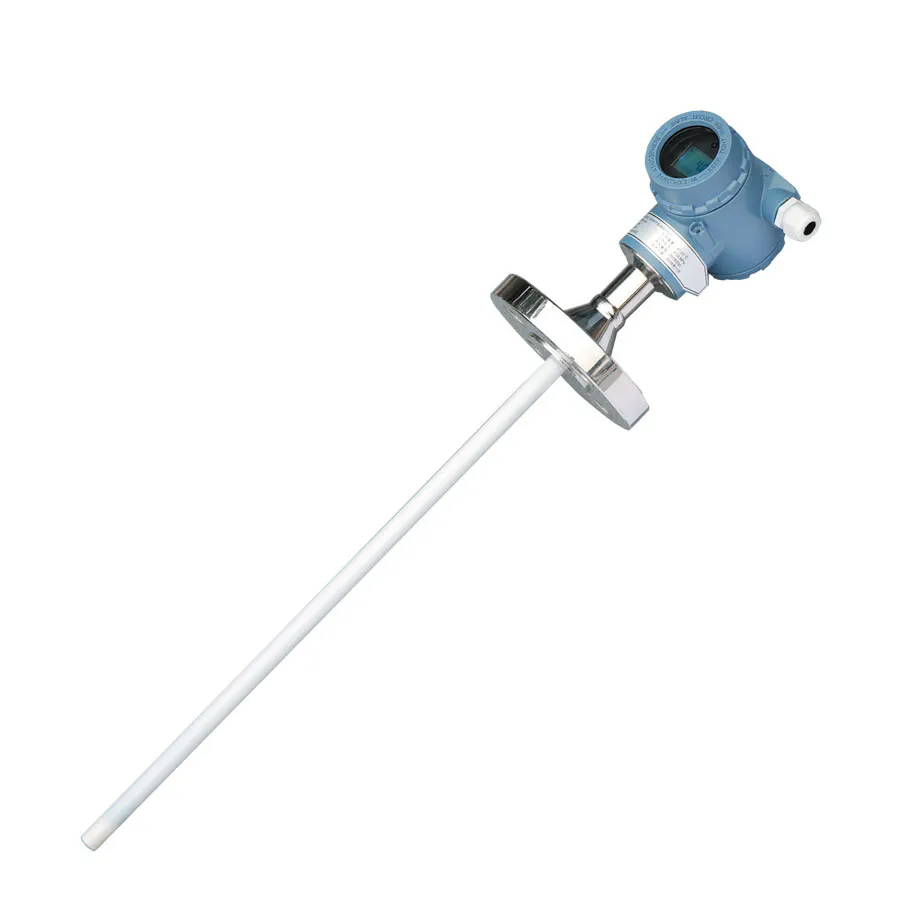
Rango de medición: 0-6m
Presión de trabajo: ≤32MPa
- Intrínsecamente seguro, grado industrial, estabilidad a largo plazo
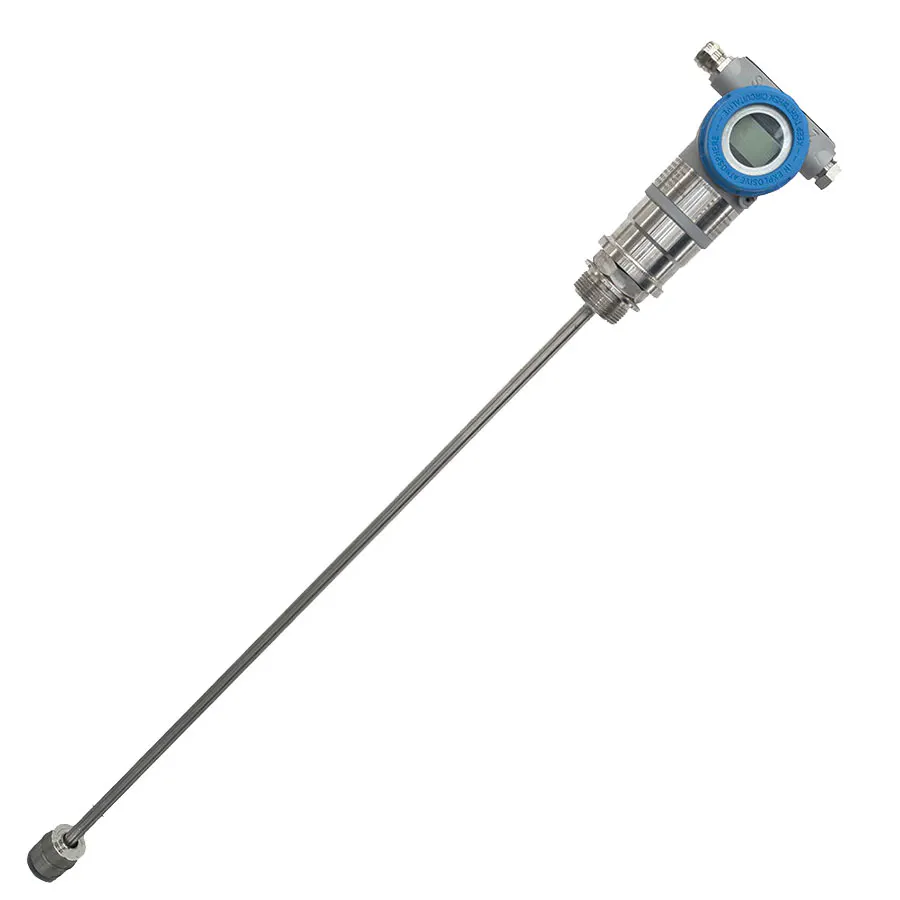
Rango de medición: 0-20m
Presión de trabajo: 16MPa
- Seguridad intrínseca, bajo mantenimiento, CE
Descargar información sobre el medidor de nivel de líquido
Medición del nivel Knowledge Hub
Esta página ofrece una visión general estructurada y centrada en la ingeniería de la medición de nivel industrial. Su objetivo no es ofrecer definiciones básicas, sino apoyar las decisiones de selección, aplicación y diseño de sistemas. El contenido refleja condiciones de proceso reales y consideraciones operativas a largo plazo.
1. Papel de la medición de nivel en los sistemas industriales
La medición de niveles es un componente esencial de la seguridad de los procesos, el control y la gestión de inventarios. En entornos industriales, la información de nivel rara vez se utiliza de forma aislada. Sirve de apoyo a enclavamientos, alarmas, control de lotes y balance de materiales. El valor de un dispositivo de medición de nivel no sólo reside en su precisión, sino también en su estabilidad, disponibilidad y compatibilidad con el sistema global.
Entre los objetivos clave de los sistemas de medición de nivel se incluyen:
Prevención de sobrellenado o funcionamiento en seco
Mantener la continuidad y el equilibrio del proceso
Apoyo a las funciones relacionadas con la seguridad
Datos fiables para la automatización y la optimización
2. Indicador de nivel, sensor de nivel y transmisor de nivel - Funciones del sistema
Los distintos dispositivos de medición de nivel desempeñan diferentes funciones dentro de un sistema:
Los indicadores de nivel proporcionan una indicación visual local para los operarios y el personal de mantenimiento.
Los sensores de nivel convierten los cambios de nivel en señales eléctricas para fines de control o alarma.
Los transmisores de nivel ofrecen salidas normalizadas para su integración con sistemas PLC, DCS o SCADA.
En muchas aplicaciones, estos dispositivos se utilizan juntos para proporcionar redundancia, verificación cruzada y flexibilidad operativa. Seleccionar la combinación adecuada suele ser más importante que elegir un único tipo de dispositivo.
3. Factores clave para la selección de dispositivos de medición de nivel
Una selección eficaz parte de las condiciones del proceso más que del tipo de producto. Los factores críticos incluyen:
Propiedades del medio de proceso, como densidad, viscosidad, corrosividad, formación de espuma o contenido en sólidos.
Rangos de presión y temperatura de funcionamiento
Geometría del buque y limitaciones de instalación
Tiempo de respuesta requerido y estabilidad de la señal
Consideraciones sobre el acceso al mantenimiento y el coste del ciclo de vida
Un sensor de nivel que funciona bien en condiciones de laboratorio puede comportarse de forma muy diferente en un entorno industrial real. La selección debe dar prioridad a la fiabilidad en condiciones de funcionamiento reales.
4. Retos de la medición orientada a la aplicación
4.1 Recipientes de alta presión y alta temperatura
En aplicaciones presurizadas o a alta temperatura, la integridad mecánica y la fiabilidad del sellado se convierten en aspectos críticos. Los indicadores y sensores de nivel deben mantener su rendimiento sin degradación del material ni desviación de la señal con el paso del tiempo.
4.2 Medios con espuma, revestimiento o sólidos
Los líquidos espumosos, los medios pegajosos o los sólidos en suspensión pueden interferir en la medición del nivel. Algunos principios de medición toleran estas condiciones mejor que otros. La correcta adaptación de la tecnología y los materiales húmedos reduce las lecturas erróneas y la frecuencia de mantenimiento.
4.3 Condiciones dinámicas del proceso
El llenado, vaciado o agitación rápidos introducen turbulencias que pueden distorsionar las lecturas de nivel. La posición de instalación y las características de amortiguación del sensor de nivel desempeñan un papel clave para lograr una medición estable.
5. Consideraciones sobre la instalación y la integración del sistema
La calidad de la instalación afecta directamente al rendimiento de la medición de nivel. Entre los aspectos importantes se incluyen:
Ubicación de la boquilla con respecto a las entradas, salidas y agitadores
Alineación vertical y rigidez de montaje
Conexión eléctrica a tierra y apantallamiento de señales
Integración con sistemas de control y lógica de alarma
Una instalación bien diseñada suele mejorar la fiabilidad de las mediciones más que las mejoras incrementales en la precisión de los sensores.
6. Fiabilidad, redundancia y estrategia de seguridad
En las aplicaciones relacionadas con la seguridad, la medición de nivel rara vez depende de un único dispositivo. Entre las estrategias habituales se incluyen:
Combinación de indicadores de nivel locales con sensores de nivel independientes
Utilización de dispositivos separados para el control y las alarmas de alto nivel
Detección de fallos y validación de señales en el sistema de control
Estos enfoques reducen el riesgo de fallos no detectados y favorecen un funcionamiento seguro en condiciones anómalas.
7. Mantenimiento, calibración y coste del ciclo de vida
En el coste del ciclo de vida influye algo más que el precio de compra. Los principales factores son:
Frecuencia de calibración y accesibilidad
Requisitos de limpieza o inspección
Disponibilidad de piezas de recambio
Tiempo de inactividad durante las actividades de mantenimiento
La selección de dispositivos de medición de nivel que requieran poco mantenimiento puede reducir significativamente el coste total de propiedad a lo largo del ciclo de vida del sistema.
8. Prácticas de medición de nivel específicas del sector
Las prácticas de medición de niveles varían según el sector:
Las industrias de procesos dan prioridad a la solidez y la estabilidad a largo plazo
Las aplicaciones de agua y aguas residuales hacen hincapié en la resistencia a la corrosión y la facilidad de mantenimiento
Las aplicaciones de petróleo y gas suelen requerir el cumplimiento de las normas sobre zonas peligrosas
Comprender las expectativas específicas del sector ayuda a alinear la estrategia de medición con la realidad operativa.
9. Errores comunes a nivel de sistema en la medición de niveles
Entre los problemas más frecuentes que se plantean en los proyectos de medición de niveles figuran los siguientes:
Selección de dispositivos basada únicamente en especificaciones de precisión
Ignorar las limitaciones de instalación durante el diseño
Subestimación del impacto de la variación del proceso
Confiar en un único punto de medición para las funciones críticas para la seguridad
Evitar estos errores requiere una perspectiva a nivel de sistema en lugar de un enfoque centrado en el producto.
10. Creación de una estrategia sólida de medición de niveles
Una estrategia sólida de medición de nivel considera la selección de dispositivos, la instalación, la integración y el mantenimiento como un sistema unificado. Al centrarse en el rendimiento a largo plazo y el contexto operativo, los indicadores y sensores de nivel pueden ofrecer un valor constante durante toda la vida útil de la planta.
Esta estructura de conocimientos tiene por objeto apoyar la toma de decisiones informadas y la mejora continua en los sistemas de medición a nivel industrial.
Medidor de nivel-FAQ
¿Cómo debe seleccionarse un indicador de nivel para un funcionamiento industrial a largo plazo?
La selección del indicador de nivel debe basarse en las condiciones de funcionamiento, como la presión, la temperatura, las propiedades del medio y las limitaciones de la instalación. Para el funcionamiento continuo, la estabilidad y la resistencia a las variaciones del proceso suelen ser más importantes que la precisión de laboratorio. En muchos sistemas industriales, el indicador de nivel también funciona como sensor de nivel para fines de control o alarma, por lo que la fiabilidad de la señal a lo largo del tiempo es un factor crítico.
¿Qué factores suelen afectar a la precisión de la medición de nivel en aplicaciones reales?
En los entornos de proceso reales, los cambios de densidad del medio, las fluctuaciones de temperatura, las vibraciones mecánicas y las incrustaciones en las piezas húmedas influyen en la precisión. A diferencia de las condiciones de prueba ideales, los indicadores de nivel industriales deben tolerar estos factores manteniendo una salida repetible. La selección de un sensor de nivel diseñado para las condiciones reales del proceso reduce significativamente las desviaciones a largo plazo.
¿Cómo influye la posición de instalación en el rendimiento del indicador de nivel?
La posición de la instalación afecta directamente a la fiabilidad de la medición. La orientación de la boquilla, la geometría del recipiente y la proximidad a entradas o agitadores pueden introducir turbulencias o falsas lecturas. Una posición adecuada garantiza que el indicador de nivel o el sensor de nivel reflejen el nivel real del líquido y no las perturbaciones localizadas dentro del recipiente.
¿Cuándo debe combinarse un indicador de nivel local con un transmisor o sensor de nivel?
Los indicadores de nivel locales proporcionan confirmación visual y suelen utilizarse para inspecciones rutinarias, mientras que los sensores o transmisores de nivel permiten la supervisión y el control remotos. En muchas aplicaciones, la combinación de ambos mejora la seguridad operativa al ofrecer redundancia y verificación cruzada entre la indicación visual y la salida de señal electrónica.
¿Cómo influyen las propiedades de los medios de proceso en la selección de indicadores y sensores de nivel?
Las propiedades del medio, como la viscosidad, la corrosividad, la tendencia a la formación de espuma y la presencia de sólidos, desempeñan un papel importante en la selección. Algunos indicadores de nivel funcionan bien con líquidos limpios, pero pueden tener problemas con medios pegajosos o abrasivos. Adaptar el diseño del sensor de nivel y los materiales húmedos al medio ayuda a evitar la desviación de la medición y los fallos mecánicos.
¿Cuáles son los problemas más comunes al utilizar indicadores de nivel en recipientes de alta presión o alta temperatura?
Las condiciones de alta presión y alta temperatura suponen un esfuerzo adicional para las juntas, los materiales y los componentes de medición. En estas condiciones, un indicador de nivel debe mantener la integridad mecánica al tiempo que el sensor de nivel permanece estable y sensible. La selección de diseños aptos para todas las condiciones de funcionamiento es esencial para obtener mediciones seguras y fiables.
¿Cómo se evalúa la fiabilidad de los indicadores de nivel utilizados en aplicaciones relacionadas con la seguridad?
La fiabilidad se evalúa en función de la estabilidad a largo plazo, la resistencia a las alteraciones del proceso y la uniformidad del resultado en condiciones variables. En aplicaciones relacionadas con la seguridad, los indicadores de nivel se utilizan a menudo junto con sensores de nivel independientes para proporcionar una protección estratificada y reducir el riesgo de desviación de nivel no detectada.
¿Qué consideraciones de mantenimiento afectan al coste del ciclo de vida de un indicador de nivel?
La frecuencia de mantenimiento, la accesibilidad y los requisitos de recalibrado repercuten directamente en el coste del ciclo de vida. Un indicador de nivel que requiera limpiezas o ajustes frecuentes puede parecer rentable inicialmente, pero aumenta el tiempo de inactividad y el esfuerzo de mantenimiento. La elección de un sensor de nivel con bajos requisitos de mantenimiento mejora la eficiencia global del sistema.
¿Puede un diseño de indicador de nivel cubrir múltiples configuraciones de depósitos o recipientes?
Aunque algunos indicadores de nivel ofrecen opciones de montaje flexibles, normalmente se consigue un rendimiento óptimo cuando el diseño se adapta al tipo de recipiente. Los depósitos verticales, los horizontales y los contenedores presurizados plantean distintos retos de medición, por lo que es importante tener en cuenta la selección específica de la aplicación.
¿Cómo ayudan los indicadores y sensores de nivel a controlar y optimizar los procesos?
Más allá de la indicación, los indicadores y sensores de nivel proporcionan datos críticos para la gestión de inventarios, el control de procesos y los sistemas de alarma. Unos datos de nivel estables y precisos ayudan a los operarios a mantener el equilibrio del proceso, evitar el sobrellenado o el funcionamiento en seco y mejorar la eficiencia operativa general.
Por qué elegir Instrava
Al elegir Instrava, obtiene un socio con un profundo conocimiento de las aplicaciones industriales y la experiencia necesaria para hacer frente a los retos operativos actuales.
Nuestro papel va más allá de los productos: respaldamos su éxito con soluciones fiables y un compromiso a largo plazo.
Innovación impulsada por la ingeniería
La innovación en Instrava se guía por necesidades industriales reales. Perfeccionamos continuamente nuestras tecnologías para hacer frente a los cambiantes retos operativos, garantizando un rendimiento práctico y fiable en entornos exigentes.
Personalización específica de la aplicación
Ofrecemos personalización a nivel de ingeniería para adaptarnos a las condiciones específicas del proceso. Desde el rango de medición y los materiales hasta las señales de salida y las opciones de instalación, nuestras soluciones están configuradas para adaptarse a aplicaciones reales.
Calidad y fiabilidad demostradas
La calidad y la fiabilidad son fundamentales en todos los productos Instrava. Fabricados bajo estrictos controles de calidad y sometidos a pruebas exhaustivas, nuestros instrumentos ofrecen un rendimiento preciso, estable y a largo plazo.
Capacidad global con apoyo local
Instrava combina la experiencia mundial en ingeniería con una asistencia local receptiva, lo que garantiza que nuestros socios se beneficien de una tecnología alineada internacionalmente y de un servicio regional puntual.
Amplia cartera de productos
Nuestra amplia cartera de instrumentos de medición y control nos permite dar respuesta a una amplia gama de necesidades industriales, proporcionando soluciones integradas a partir de una fuente única y fiable.
Asistencia técnica orientada a los socios
Trabajamos en estrecha colaboración con nuestros socios, desde el asesoramiento técnico hasta la asistencia posventa. Nos centramos en ofrecer soluciones que generen un valor duradero y contribuyan al éxito operativo a largo plazo.