- Horario. Lun - Sab 09.00 - 20.00








Detectores de gas
Inicio » Detectores de gas
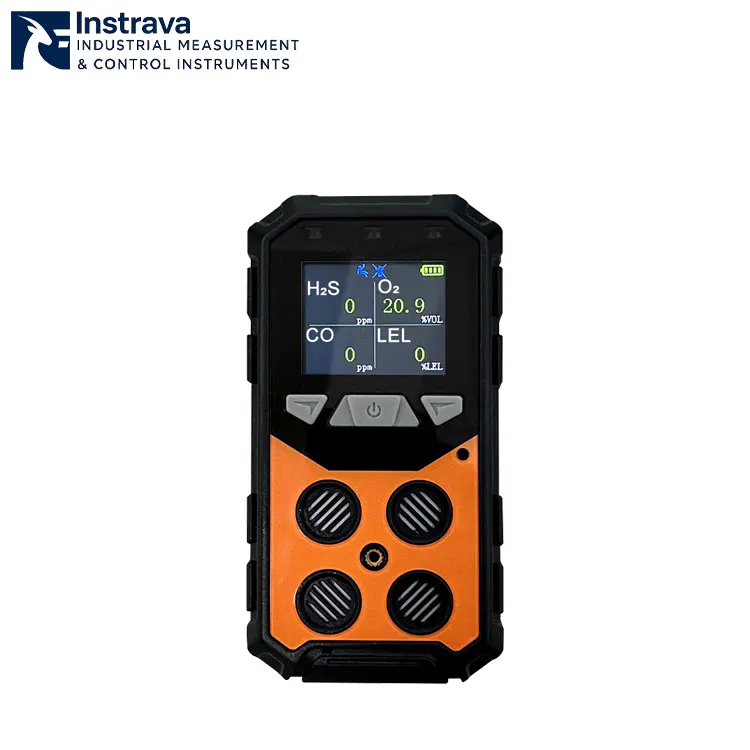
Sound, light, vibration, screen alarm | Ex d ib II C T4 Gb
- Explosion-Proof, High Sensitivity, Multi-Gas Detection, Low Maintenance
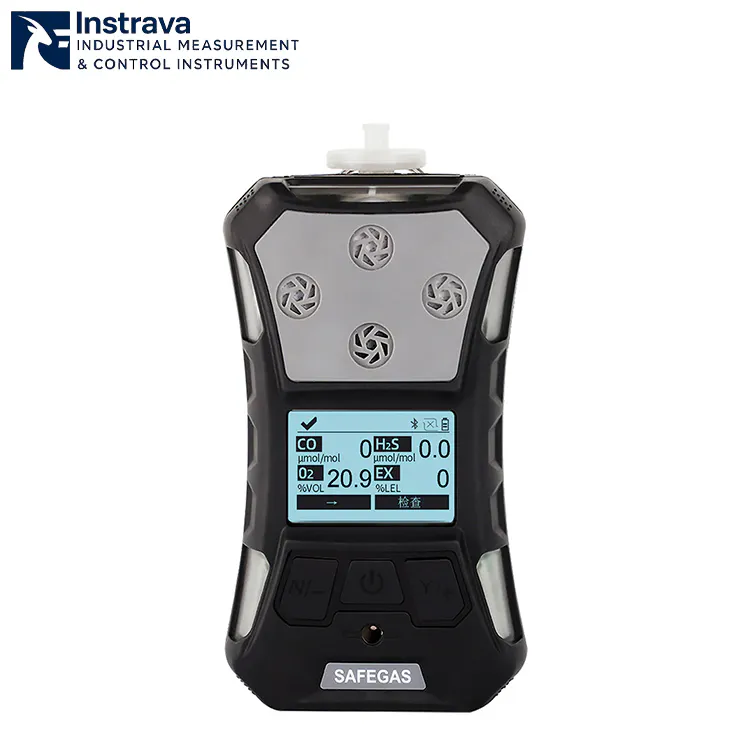
Simultaneous detection of up to 4 gases | ast response ≤30 seconds, accurate readings ≤±2% F.S
- Explosion-Proof, High Sensitivity, Multi-Gas Detection, Industrial Grade, Long-Term Stability

O₂, LEL, CO, H₂S (optional gases available)
- Explosion-Proof, High Sensitivity, Fast Response Time, Multi-Gas Detection, Industrial Grade

Oxygen (O₂) | Combustible gases (LEL) | Hydrogen sulfide (H₂S) | Carbon monoxide (CO)
- High Sensitivity, Multi-Gas Detection, Industrial Grade
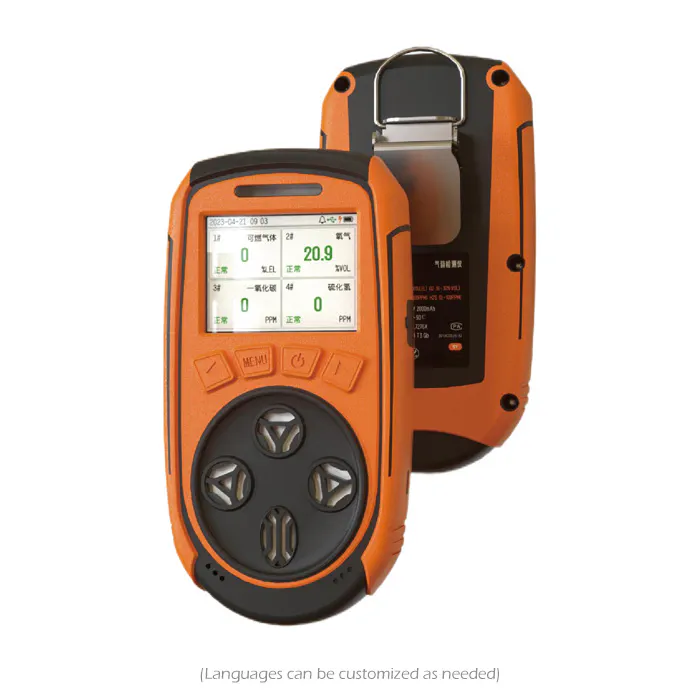
Múltiples alarmas | Batería de litio de gran capacidad
- Detección multigas a prueba de explosiones
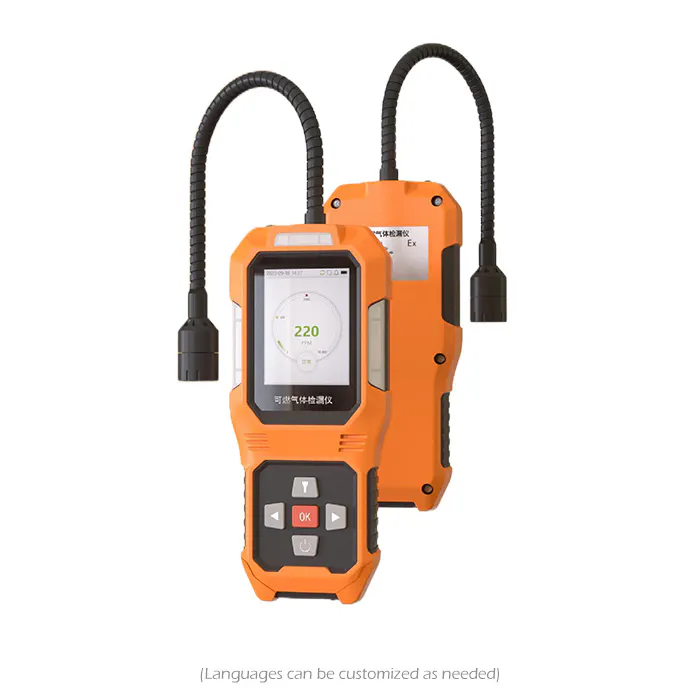
Hasta 10000PPM | Hasta 8 horas
- A prueba de explosiones, grado industrial

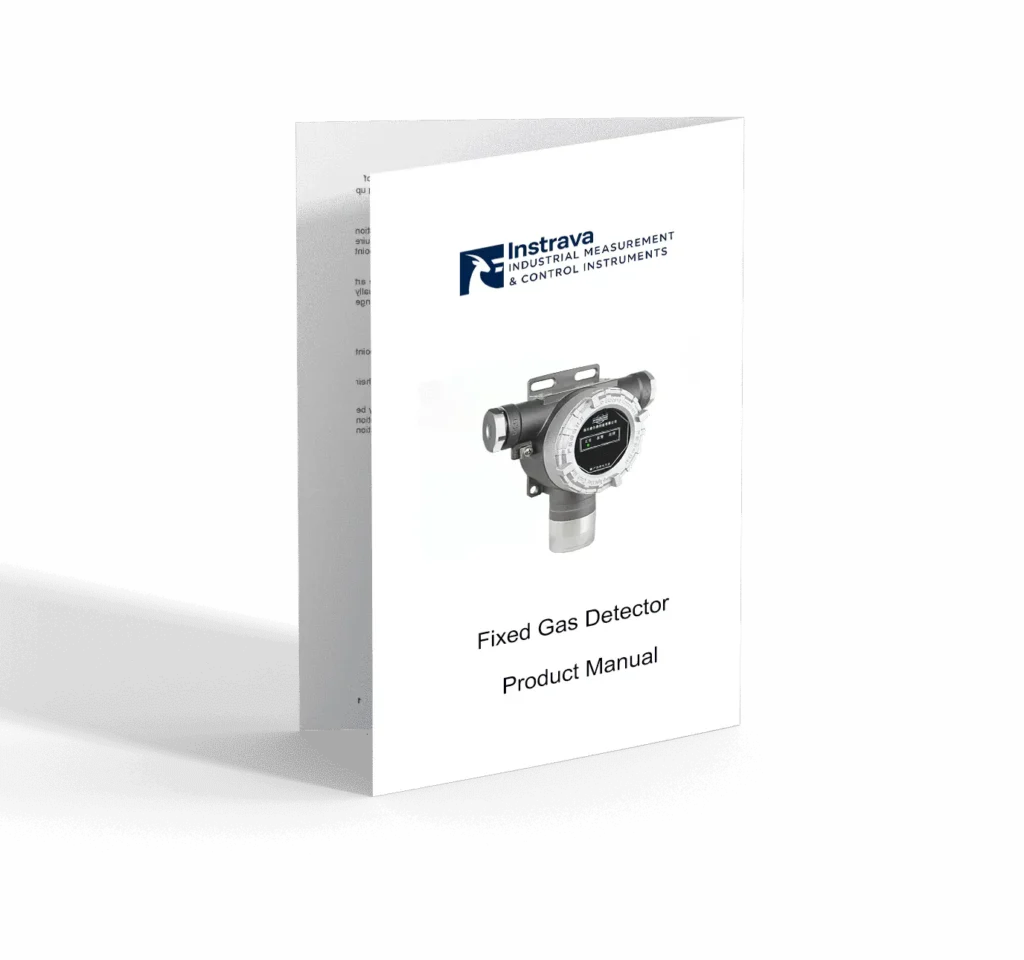
Industrial Gas Detectors for Reliable Safety & Real‑Time Gas Monitoring
Gas detectors play a critical role in ensuring workplace safety and environmental protection by continuously detecting hazardous gases in industrial and commercial environments. These devices identify the presence and concentration of combustible, toxic, or oxygen‑related gases — helping prevent accidents, equipment damage, and regulatory non‑compliance.
At Instrava, we offer a comprehensive range of high‑quality industrial gas detectors designed for accuracy, sensitivity, and dependable performance across diverse applications. From fixed point gas monitoring systems to advanced infrared and electrochemical detectors, our products help safeguard personnel, facilities, and processes.
What Are Gas Detectors?
Gas detectors are devices that continually monitor the surrounding atmosphere to detect the presence and concentration of specific gases. When gas levels exceed predefined safety thresholds, these devices trigger alarms and outputs — providing early warning and enabling rapid response to potential hazards.
Industrial gas detectors are used to identify:
Combustible gases (flammable)
Toxic gases (harmful to health)
Oxygen depletion or enrichment
They are essential components of gas safety systems in industrial facilities, laboratories, mines, and confined spaces.
Types of Gas Detectors
Different industrial scenarios require different gas sensing technologies. Below are the most common types of gas detectors:
Combustible Gas Detectors
Combustible gas detectors identify flammable gases such as methane (CH₄), propane (C₃H₈), butane, and hydrogen. These detectors help prevent fires, explosions, and fuel leaks.
✔ Fast response to flammable gases
✔ Used in chemical, oil & gas, and fuel storage applications
✔ Compatible with catalytic bead or infrared sensing
Toxic Gas Detectors
Toxic gas detectors monitor harmful gases such as carbon monoxide (CO), hydrogen sulfide (H₂S), sulfur dioxide (SO₂), and ammonia (NH₃). These detectors help protect workers from health risks.
✔ High sensitivity to dangerous gases
✔ Visual and audible alarms
✔ Ideal for industrial plants, laboratories, and confined spaces
Oxygen Deficiency & Enrichment Detectors
These detectors monitor oxygen levels in the air. Both oxygen depletion (below 19.5%) and oxygen enrichment (above 23.5%) can create hazardous conditions.
✔ Ensures breathable air quality
✔ Essential in confined spaces, tanks, and sewers
✔ Works with electrochemical sensing
Infrared (IR) Gas Detectors
Infrared gas detectors use infrared absorption to detect gases such as CO₂ and combustible gases. They are highly stable and less affected by environmental factors.
✔ Non‑catalytic sensing
✔ Ideal for methane and hydrocarbon detection
✔ Long‑term stability
Electrochemical Gas Detectors
Electrochemical gas detectors are ideal for detecting low concentrations of toxic gases. They provide excellent sensitivity and accuracy.
✔ Low power consumption
✔ High selectivity
✔ Common for CO, H₂S, NO₂
How Gas Detectors Work
Gas detectors function by using a sensor element that interacts with gas molecules. The basic process involves:
Sensing Element – Detects gas presence (electrochemical, infrared, catalytic bead, semiconductor).
Signal Processing – Converts raw detection into measurable values.
Threshold Comparison – Compares measurement to set alarm limits.
Output & Alarm – Triggers audible/visual alerts and relay outputs.
This mechanism enables early gas hazard notification and rapid control actions.
Key Features of Industrial Gas Detectors
Industrial gas detectors are designed with the following features:
✔ Real‑Time Monitoring – Continuous detection 24/7
✔ Fast Response Time – Immediate hazard exposure notification
✔ Audible & Visual Alarms – Beepers, buzzers, indicators
✔ Digital Display & Data Logging – For monitoring & records
✔ Multiple Communication Interfaces – 4–20 mA, HART, Modbus
✔ Rugged Industrial Housing – Durable in harsh conditions
✔ Calibration & Self‑Diagnostics – Ensuring long‑term reliability
Industrial Applications
Gas detectors are vital across many industries:
Oil & Gas Facilities
Detect flammable hydrocarbon leaks and prevent explosions.
Plantas químicas y petroquímicas
Monitor toxic and combustible gases in processing units.
Mining & Tunneling
Protect workers from methane buildup and oxygen deficiency.
Confined Spaces (Tanks/Boilers)
Ensure safe breathing environments.
Manufacturing & Warehouses
Monitor gas hazards related to welding, ventilation, or leaks.
Food & Beverage Processing
Detect CO₂ and other by‑products.
How to Choose the Right Gas Detector
Choosing the correct gas detector depends on:
🔹 Gas Type to Monitor – Combustible, toxic, oxygen change
🔹 Detection Range & Sensitivity
🔹 Entorno de instalación – Indoor/outdoor, confined spaces
🔹 Output Requirements – Relays, digital protocols
🔹 Condiciones medioambientales – Temperature, humidity, corrosion
🔹 Certification & Safety Standards – ATEX, IECEx, UL, CE
A properly selected gas detector increases safety, reduces false alarms, and extends service life.
Gas Detectors: The Ultimate Guide to Industrial Gas Detection Technology
1. Introduction: The Strategic Importance of Gas Detection in Industrial Safety
Industrial operations frequently involve handling combustible, toxic, or otherwise hazardous gases. Any uncontrolled accumulation can lead to catastrophic incidents: explosions, chemical poisoning, or equipment failures. The COVID-era global attention to occupational health, combined with increasingly strict international safety regulations (OSHA, ATEX, IECEx, ISO 45001), has heightened the need for sophisticated gas detection systems.
Gas detection is not merely about “alerting when gas is present”; it is a complex process of sensing, analyzing, controlling, and integrating safety mechanisms. Gas detectors form the foundation of this process. They measure gas concentrations continuously, providing actionable data that is interpreted, displayed, and relayed to controllers and industrial automation systems.
By embedding gas detection into a facility’s industrial safety and process control strategy, operators gain:
Early detection and mitigation of hazards
Integration with emergency control systems for automated safety response
Historical data logging for auditing, compliance, and continuous improvement
Optimization of operational workflow by minimizing unplanned shutdowns
Understanding gas detectors requires studying sensor technologies, environmental factors, system integration, and the evolution of industrial safety philosophy.
2. Gas Detectors: Definition and Classification
A gas detector is an instrument capable of detecting, identifying, and quantifying gas concentration in a given environment, often linked with alarms and control systems.
2.1 Classification by Installation
Detectores de gas fijos
Permanently installed at critical points
Continuously monitor ambient air in industrial facilities
Typically connected to controladores de alarmas de gas or SCADA systems
Detectores de gas portátiles
Handheld or wearable
Designed for personal protection or temporary monitoring
Often used during maintenance, inspections, or confined space entry
2.2 Classification by Gas Type
Combustible Gas Detectors – Methane (CH₄), Hydrogen (H₂), Propane (C₃H₈)
Toxic Gas Detectors – Hydrogen sulfide (H₂S), Carbon monoxide (CO), Chlorine (Cl₂), Ammonia (NH₃)
Oxygen Sensors – Monitor oxygen deficiency (<19.5%) or enrichment (>23.5%)
Volatile Organic Compound (VOC) Detectors – Measure solvents and hydrocarbons at ppb/ppm levels
3. Principles of Gas Detection: From Physical Chemistry to Industrial Engineering
Understanding gas detection requires appreciating the underlying physical and chemical principles, sensor design, and the translation of these principles into industrial safety practice.
3.1 Catalytic Combustion Sensors
Principle: Gas combusts on a heated catalyst, producing a measurable thermal change
Application: Detect flammable hydrocarbons in hazardous zones
Consideration: Requires oxygen presence; affected by poisoning from silicones or sulfur compounds
3.2 Electrochemical Sensors
Principle: Chemical reaction between gas molecules and electrodes generates a proportional electrical current
Application: Toxic gas detection (CO, H₂S, NO₂)
Consideration: Sensor life depends on environmental humidity, temperature, and exposure frequency
3.3 Infrared (IR) Sensors
Principle: Gas absorbs infrared light at specific wavelengths; absorption intensity correlates to concentration
Application: Hydrocarbons, CO₂
Advantages: Immune to sensor poisoning; suitable for high concentration ranges
3.4 Semiconductor Sensors
Principle: Gas exposure alters semiconductor resistance
Application: Detect flammable gases or VOCs at moderate concentrations
Limitation: Sensitive to temperature and humidity; calibration required
3.5 Photoionization Detectors (PID)
Principle: UV light ionizes VOCs, producing measurable current
Application: Low concentration VOC detection (ppb–ppm)
Limitation: Sensitive only to ionizable compounds
4. System Architecture: From Sensor to Safety Response
Gas detectors rarely operate in isolation. They are nodes in an industrial safety network:
Sensing Layer: Detects gases using chemical or physical principles
Transmisión de señales: Analog (4–20 mA) or digital (Modbus, Ethernet, wireless)
Control Layer: Gas alarm controllers aggregate signals, display concentrations, and trigger alarms
Safety Layer: Automated actions—ventilation, equipment shutdown, or emergency evacuation
Este multi-layered approach ensures that a gas leak triggers not just an alarm, but also controlled responses aligned with industrial safety protocols.
5. Key Features and Industrial Requirements
5.1 Multi-Gas Detection
Modern industrial environments often contain multiple hazards. Multi-gas detectors allow simultaneous monitoring, reducing the need for multiple single-gas devices.
5.2 Alarm Levels and Logic
Low-Level Alarm – Early warning
High-Level Alarm – Immediate intervention required
Over-Range Alarm – Dangerous concentrations
Sensor Fault Alarm – Maintenance or failure detection
5.3 Integration and Automation
Connection to SCADA, DCS, PLCs
Relay outputs to control ventilation, emergency shut-off, or fire suppression
Real-time monitoring dashboards
5.4 Data Logging and Compliance
Continuous recording of gas levels
Historical alarm and sensor performance data
Supports regulatory standards (ISO 45001, OSHA, ATEX, IECEx)
5.5 Environmental Considerations
Hazardous zones classification (Zone 0, 1, 2)
Temperature, humidity, dust, and chemical resistance
Explosion-proof or intrinsically safe housings
6. Industrial Applications: Case-Based Analysis
Oil & Gas Industry: Continuous methane and H₂S monitoring to prevent catastrophic explosions.
Plantas químicas y petroquímicas: VOC and toxic gas detection to ensure worker safety and process integrity.
Centrales eléctricas: Hydrogen monitoring in turbines to avoid explosive conditions.
Wastewater Treatment: Methane and H₂S detection in tanks and pipelines to prevent toxic exposure.
Manufacturing & Mining: Monitoring confined spaces, solvent emissions, and oxygen levels to protect workers.
Key Principle: Integration of gas detection into Process Safety Management (PSM) reduces risk, ensures compliance, and supports operational efficiency.
7. Evolution and Future Trends
IoT-Enabled Gas Detection: Remote monitoring, predictive analytics
Wireless Gas Detection Networks: Reduce installation cost, enable scalable deployments
Smart Sensors and AI: Predict potential leaks, optimize alarm thresholds
Cloud-Based Logging: Centralized compliance and historical data access
Wearable Multi-Gas Detectors: Personal safety with high portability
8. Selecting the Right Gas Detector
Key parameters:
Gases diana e intervalos de concentración
Environment and hazardous zone classification
Fixed or portable requirements
Integration with controllers, SCADA, or automation
Certification compliance (ATEX, IECEx, UL)
Maintenance, calibration, and long-term reliability
High-Level Guidance: Effective gas detection design is an engineering decision, balancing safety, cost, maintainability, and regulatory compliance.
Detectores de gas - FAQ
What types of gas detectors are used in industrial safety monitoring systems?
Industrial facilities use fixed gas detectors, portable gas detectors, single-gas sensors, and multi-gas detectors to monitor combustible gases, toxic gases, oxygen levels, and VOCs, ensuring industrial gas detection compliance across plants worldwide.
How do industrial gas detectors integrate with a gas alarm system?
Gas detectors transmit real-time signals to gas alarm controllers or SCADA systems, enabling automated safety responses, audible and visual alarms, and emergency shutdowns, forming the backbone of industrial gas monitoring networks.
What is the difference between fixed and portable gas detectors for industrial applications?
Fixed detectors provide continuous monitoring in hazardous areas, while portable detectors are handheld or wearable devices used for personal safety, confined space entry, and inspection tasks. Both types are crucial in a comprehensive industrial gas detection strategy.
Which gases are commonly monitored by industrial gas detectors?
Industrial gas detectors are designed to detect combustible gases (methane, propane, hydrogen), toxic gases (CO, H₂S, Cl₂), oxygen deficiency/enrichment, and VOCs to maintain workplace safety and comply with international standards such as OSHA, ATEX, and IECEx.
How do catalytic, electrochemical, infrared, and photoionization sensors differ in gas detectors?
Catalytic sensors: Detect flammable gases through oxidation
Electrochemical sensors: Measure toxic gases via chemical reactions
Infrared sensors: Monitor CO₂ and hydrocarbons
Photoionization detectors (PID): Detect VOCs at low concentrations
Understanding sensor technology is essential for designing reliable industrial gas detection systems.
Can industrial gas detectors provide early warning before hazardous concentrations reach dangerous levels?
Yes, most gas detectors are integrated with multi-level alarm logic, allowing low-level warnings, high-level alarms, and over-range alerts, providing critical time for emergency interventions in industrial facilities.
How do gas detectors support industrial compliance and safety audits?
By continuously recording gas concentration data, alarm events, and sensor status, gas detectors help plants demonstrate compliance with OSHA, ISO 45001, and local safety regulations, enabling global companies to meet GEO-specific industrial standards.
How are industrial gas detectors selected for complex facilities?
La selección depende de:
Types of hazardous gases
Environment (temperature, humidity, dust, explosive zones)
Integration with PLC, SCADA, and gas alarm controllers
Certification requirements (ATEX, IECEx, UL)
Una selección adecuada garantiza reliable multi-gas monitoring and process safety.
What is a multi-gas detector, and why is it critical in industrial safety?
A multi-gas detector monitors multiple gases—combustible, toxic, and oxygen—simultaneously, ideal for confined spaces, chemical plants, and oil & gas facilities, allowing operators to respond quickly to complex hazards.
How do wireless gas detectors improve industrial monitoring efficiency?
Wireless gas detectors eliminate extensive cabling, allow flexible installation, provide real-time remote monitoring, and integrate with cloud-based industrial safety platforms, enhancing global operational visibility and GEO-friendly safety solutions.
How frequently should industrial gas detectors be calibrated and maintained?
Calibration is typically required every 6–12 months, or as recommended by the manufacturer, ensuring accuracy, reliability, and compliance with international gas detection standards and workplace safety regulations.
How do gas detectors interact with industrial automation and control systems?
Gas detectors provide signals to gas alarm controllers, PLCs, DCS, or SCADA systems, triggering alarms, ventilation, or emergency shutdowns. This integration is critical for automated industrial safety and process control across facilities globally.
Can industrial gas detectors measure oxygen levels accurately in confined spaces?
Yes, oxygen sensors within gas detectors monitor oxygen deficiency (<19.5%) or enrichment (>23.5%), ensuring worker safety in confined spaces and enclosed industrial environments, and meeting regional occupational health requirements.
What certifications and standards are essential for industrial gas detectors?
Certified detectors comply with ATEX, IECEx, UL, CSA, and meet regional regulations. Choosing certified detectors ensures safe installation in hazardous zones and compliance with GEO-specific industrial safety codes.
How do gas detectors contribute to predictive industrial safety management?
Modern gas detectors, especially IoT-enabled and cloud-connected devices, provide real-time data analytics, trend monitoring, and predictive alerts, enabling industrial operators to anticipate hazards, optimize safety protocols, and reduce downtime across global operations.
Por qué elegir Instrava
Al elegir Instrava, obtiene un socio con un profundo conocimiento de las aplicaciones industriales y la experiencia necesaria para hacer frente a los retos operativos actuales.
Nuestro papel va más allá de los productos: respaldamos su éxito con soluciones fiables y un compromiso a largo plazo.
Innovación impulsada por la ingeniería
La innovación en Instrava se guía por necesidades industriales reales. Perfeccionamos continuamente nuestras tecnologías para hacer frente a los cambiantes retos operativos, garantizando un rendimiento práctico y fiable en entornos exigentes.
Personalización específica de la aplicación
Ofrecemos personalización a nivel de ingeniería para adaptarnos a las condiciones específicas del proceso. Desde el rango de medición y los materiales hasta las señales de salida y las opciones de instalación, nuestras soluciones están configuradas para adaptarse a aplicaciones reales.
Calidad y fiabilidad demostradas
La calidad y la fiabilidad son fundamentales en todos los productos Instrava. Fabricados bajo estrictos controles de calidad y sometidos a pruebas exhaustivas, nuestros instrumentos ofrecen un rendimiento preciso, estable y a largo plazo.
Capacidad global con apoyo local
Instrava combina la experiencia mundial en ingeniería con una asistencia local receptiva, lo que garantiza que nuestros socios se beneficien de una tecnología alineada internacionalmente y de un servicio regional puntual.
Amplia cartera de productos
Nuestra amplia cartera de instrumentos de medición y control nos permite dar respuesta a una amplia gama de necesidades industriales, proporcionando soluciones integradas a partir de una fuente única y fiable.
Asistencia técnica orientada a los socios
Trabajamos en estrecha colaboración con nuestros socios, desde el asesoramiento técnico hasta la asistencia posventa. Nos centramos en ofrecer soluciones que generen un valor duradero y contribuyan al éxito operativo a largo plazo.