- Расписание. Пн - Сб 09.00 - 20.00








Оптический анализ
Главная » Оптический анализ
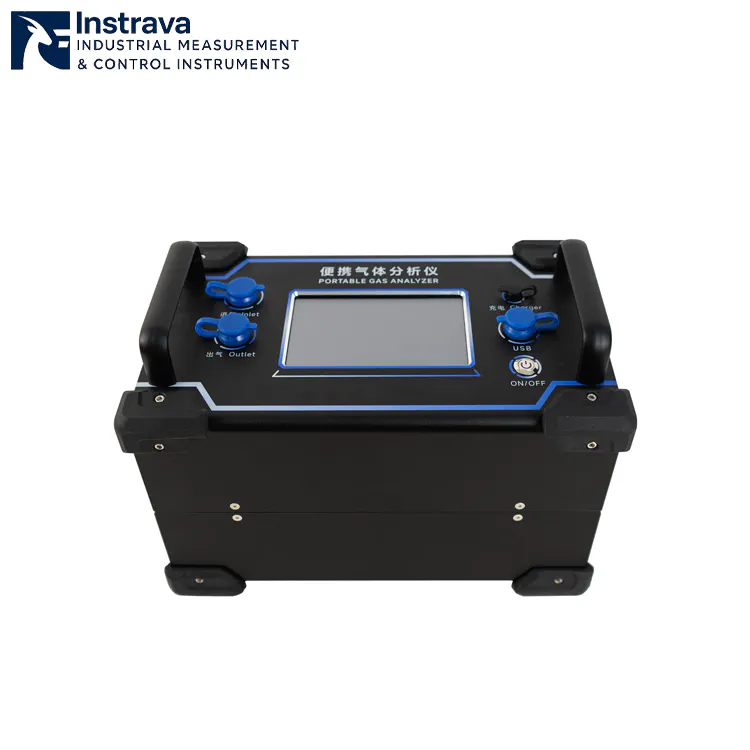
CO, CO₂, CH₄, CnHm, O₂, H₂
High/Low Calorific Value calculation (MJ/m³ or kcal/m³)
Optional gas ranges customizable on request without additional cost
- NDIR Gas Analyzers, Infrared Multi-Gas Analyzers
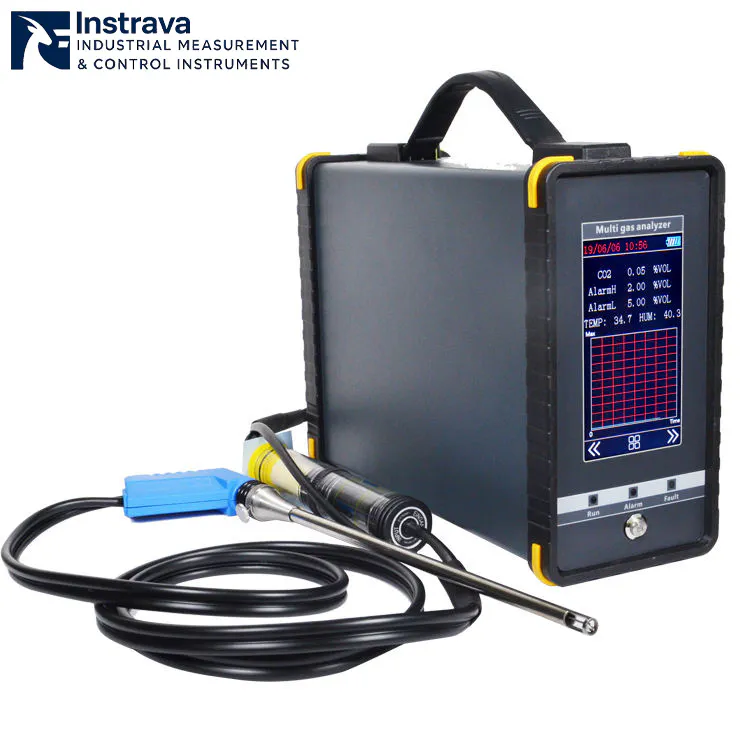
Real-time detection of up to 16 gases | Pump-suction type sampling with high-power pumping function
- NDIR Gas Analyzers, Infrared Multi-Gas Analyzers
Optical Analysis Knowledge Hub
This page provides a structured overview of optical analysis technologies used in industrial monitoring and process control. Instead of focusing on basic definitions, the goal is to explain how optical measurement systems function within industrial environments, how to select the appropriate technology, and how to maintain long‑term measurement reliability.
Optical analysis instruments detect chemical or physical properties of liquids, gases, or solids by measuring the interaction between light and matter. These systems are widely used in environmental monitoring, water treatment, laboratory analysis, and process quality control.
1. Role of Optical Analysis in Industrial Monitoring
Optical analysis technologies allow non‑destructive, fast, and highly selective measurement of chemical compounds and physical characteristics. Unlike electrochemical sensors that rely on chemical reactions, optical systems measure changes in light absorption, scattering, fluorescence, or reflection.
Industrial optical analyzers are commonly used for:
Water quality monitoring
Chemical concentration measurement
Turbidity and suspended solids detection
Colorimetric analysis
Nutrient and organic contamination monitoring
Because they rely on optical signals rather than direct chemical consumption, many optical instruments offer improved stability and reduced reagent usage.
2. Key Optical Measurement Principles
2.1 Absorption Spectroscopy
Absorption spectroscopy measures how specific wavelengths of light are absorbed by chemical compounds in a sample. The amount of light absorbed correlates with concentration.
This method is widely used for:
Nitrate and nitrite monitoring
Organic compound detection
UV254 water quality analysis
2.2 Colorimetric Analysis
Colorimetric analyzers measure concentration by evaluating color changes caused by chemical reactions with reagents. The intensity of color corresponds to the concentration of the target compound.
Типичные области применения включают:
Phosphate monitoring
Ammonia analysis
Chlorine measurement
2.3 Turbidity Measurement
Turbidity sensors measure scattered light caused by suspended particles in a liquid. The higher the particle concentration, the greater the light scattering.
Turbidity monitoring is essential for:
Drinking water treatment
Filtration system performance
Wastewater discharge monitoring
2.4 Fluorescence-Based Measurement
Fluorescence sensors detect compounds that emit light when excited by a specific wavelength. This technique is commonly used for detecting organic matter or biological contamination.
2.5 Optical Dissolved Oxygen Measurement
Optical DO sensors measure oxygen concentration based on luminescence quenching rather than electrochemical reactions. These sensors provide longer maintenance intervals compared to traditional membrane-based sensors.
3. Advantages of Optical Analysis Technologies
Compared with traditional chemical or electrochemical methods, optical analysis provides several advantages:
Minimal sensor consumption or chemical reaction
Faster response time
Reduced maintenance in many applications
High selectivity for certain compounds
Suitable for continuous monitoring systems
However, optical systems may still require cleaning or calibration depending on the environment.
4. Sensor Selection Considerations
Selecting an optical analysis instrument requires evaluation of:
Target compound or parameter
Required detection range
Process transparency and turbidity
Условия температуры и давления
Fouling or scaling risk
Installation method (inline, immersion, or sample-based)
Matching sensor technology to process conditions ensures stable long-term measurements.
5. Installation and Measurement Environment
Reliable optical measurements depend on proper installation.
Important considerations include:
Avoiding air bubbles in optical paths
Ensuring sufficient sample flow
Minimizing sediment accumulation on optical windows
Installing sensors where the sample is representative of the process
Poor installation is a frequent cause of measurement instability.
6. Maintenance and Cleaning Requirements
Optical sensors require periodic inspection and cleaning to prevent fouling of optical surfaces.
Maintenance practices may include:
Manual cleaning of optical windows
Automatic wiper systems
Calibration with reference standards
Periodic verification against laboratory measurements
Routine maintenance ensures measurement accuracy and sensor longevity.
7. Integration with Industrial Systems
Modern optical analyzers can be integrated into automation platforms through:
4–20 mA analog outputs
Digital communication protocols
Data logging and SCADA integration
These integrations enable automated process adjustments, alarm generation, and regulatory reporting.
8. Отраслевые приложения
Optical analysis instruments are used in many sectors:
Очистка воды и сточных вод
Environmental monitoring
Chemical production
Food and beverage processing
Laboratory quality control
Each industry presents different challenges in terms of contamination, maintenance frequency, and measurement precision.
9. FAQ – Optical Analysis
Q1. Why are optical analyzers preferred for continuous water quality monitoring?
Optical analyzers provide fast response, stable measurements, and reduced reagent consumption, making them suitable for continuous monitoring in water treatment systems.
Q2. What factors can affect optical sensor accuracy?
Fouling, air bubbles, temperature variation, and improper installation can influence optical signal quality and measurement accuracy.
Q3. How does turbidity interfere with optical measurements?
High turbidity can scatter light and distort measurements in certain optical systems. Sensor design and measurement wavelength help minimize this effect.
Q4. Are optical dissolved oxygen sensors better than electrochemical sensors?
Optical DO sensors generally require less maintenance because they do not consume oxygen during measurement and do not rely on membranes that require frequent replacement.
Q5. Why is cleaning important for optical sensors?
Deposits on optical windows can block or distort light transmission, leading to inaccurate readings. Routine cleaning ensures reliable measurement performance.
Q6. Can optical analyzers be used in highly contaminated water?
Yes, but sensors may require protective housings, automatic cleaning systems, or sample conditioning to maintain stable operation.
Q7. How often should optical analyzers be calibrated?
Calibration intervals depend on the measurement parameter, environmental conditions, and regulatory requirements. Periodic verification against laboratory methods is recommended.
Q8. What are the main advantages of optical measurement compared with reagent-based methods?
Optical methods often reduce chemical consumption, simplify maintenance, and enable real-time monitoring without manual sampling.
Q9. Can optical analysis systems support automated process control?
Yes. When integrated with control systems, optical analyzers can trigger alarms, adjust chemical dosing, or regulate treatment processes.
Q10. What determines the long-term stability of optical sensors?
Sensor material quality, resistance to fouling, proper installation, and consistent maintenance practices all contribute to long-term performance.
10. Расширение центра знаний
The Optical Analysis Knowledge Hub can be expanded with dedicated technical pages such as:
Turbidity measurement technology comparison
Optical vs electrochemical dissolved oxygen sensors
UV absorbance monitoring in water treatment
Online nutrient analyzers for wastewater plants
These extensions help build a comprehensive optical measurement knowledge architecture for industrial and environmental monitoring.
Optical Analysis-FAQ
Why do optical analysis instruments sometimes produce inconsistent readings in highly turbid water?
In highly turbid water, suspended particles scatter and absorb light in unpredictable ways. This can distort the optical signal path and lead to measurement variability. Sensor design, wavelength selection, and signal filtering algorithms are critical for maintaining stability in such environments.
How does optical path contamination influence measurement accuracy?
Deposits on optical windows reduce light transmission and alter the signal detected by the sensor. Even thin biofilms or mineral scaling can significantly change the optical response, which is why routine cleaning or automatic wiper systems are commonly used in continuous monitoring applications.
Why is wavelength selection important in optical analysis systems?
Different substances absorb or scatter light at specific wavelengths. Selecting the appropriate wavelength allows the analyzer to isolate the target parameter while minimizing interference from other compounds in the sample matrix.
How do optical sensors distinguish between dissolved substances and suspended particles?
Optical systems use different measurement principles to differentiate these effects. Absorption-based analyzers target dissolved compounds, while turbidity sensors measure light scattering caused by particles. Advanced instruments combine multiple wavelengths or detection angles to improve selectivity.
What are the main causes of long-term drift in optical analysis instruments?
Long-term drift may result from optical component aging, fouling on sensor surfaces, changes in light source intensity, or gradual degradation of detector sensitivity. Periodic verification against laboratory measurements helps maintain measurement confidence.
How does ambient light influence optical measurements?
External light sources can introduce noise into optical detection systems. Industrial optical analyzers are typically designed with shielding, modulated light sources, and signal filtering techniques to minimize interference from ambient lighting.
Why can optical dissolved oxygen sensors maintain longer maintenance intervals than electrochemical sensors?
Optical dissolved oxygen sensors rely on luminescence quenching rather than oxygen-consuming chemical reactions. Because they do not consume oxygen during measurement, they typically experience slower drift and require fewer membrane replacements.
Can optical analysis replace laboratory chemical analysis completely?
Online optical analysis provides rapid and continuous monitoring, but laboratory methods remain essential for validation, calibration reference, and detailed chemical characterization. In most industrial systems, online sensors and laboratory testing complement each other.
How do optical analyzers handle complex water matrices with multiple interfering compounds?
Advanced analyzers may use multi-wavelength detection, algorithm-based compensation, or calibration models to isolate target signals. However, in highly complex matrices, measurement uncertainty can still increase.
Why do optical analyzers sometimes show delayed response during sudden concentration changes?
Response delay can occur due to sample flow conditions, mixing dynamics, or optical sensor stabilization time. Ensuring adequate flow and proper sensor placement improves real-time measurement responsiveness.
What is the role of automatic cleaning systems in optical monitoring installations?
Automatic cleaning systems such as mechanical wipers, air blast systems, or ultrasonic cleaning reduce fouling on optical windows. These systems significantly extend maintenance intervals in wastewater or biological environments.
How does temperature variation influence optical measurement systems?
Temperature can affect both the optical properties of the sample and the performance of light sources and detectors. Many analyzers include internal temperature compensation to maintain measurement stability across varying process conditions.
Why are optical analyzers commonly used for continuous environmental monitoring?
Optical instruments allow rapid, non-destructive measurements and can operate continuously with minimal reagent consumption. This makes them well suited for long-term monitoring in water treatment plants and environmental monitoring stations.
What determines the long-term reliability of an optical analysis system?
Reliability depends on optical component durability, sensor material resistance to fouling, proper installation, and consistent maintenance practices. System design that allows easy cleaning and calibration significantly improves long-term stability.
Почему стоит выбрать Instrava
Выбирая компанию Instrava, вы получаете партнера с глубоким пониманием промышленных применений и опытом, позволяющим решать современные производственные задачи.
Наша роль выходит за рамки продукции - мы поддерживаем ваш успех с помощью надежных решений и долгосрочных обязательств.
Инновации, управляемые инженерами
Инновации компании Instrava основаны на реальных промышленных требованиях. Мы постоянно совершенствуем наши технологии для решения возникающих производственных задач, обеспечивая практичную и надежную работу в сложных условиях.
Настройка под конкретное приложение
Мы обеспечиваем настройку на инженерном уровне для соответствия конкретным условиям процесса. От диапазона измерений и материалов до выходных сигналов и вариантов установки - наши решения настраиваются в соответствии с реальными условиями применения.
Проверенное качество и надежность
Качество и надежность являются основой каждого продукта Instrava. Изготовленные под строгим контролем качества и тщательно протестированные, наши приборы обеспечивают точную, стабильную и долговременную работу.
Глобальный потенциал с поддержкой на местах
Компания Instrava сочетает глобальный инженерный опыт с оперативной поддержкой на местах, обеспечивая нашим партнерам преимущества международных технологий и своевременного регионального обслуживания.
Широкий ассортимент продукции
Широкий ассортимент измерительных и контрольно-измерительных приборов позволяет нам удовлетворять широкий спектр промышленных потребностей, предлагая комплексные решения из одного надежного источника.
Инженерная поддержка, ориентированная на партнеров
Мы тесно сотрудничаем с нашими партнерами, начиная с технических консультаций и заканчивая послепродажным обслуживанием. Наше внимание сосредоточено на предоставлении решений, которые создают долгосрочную ценность и поддерживают долгосрочный операционный успех.