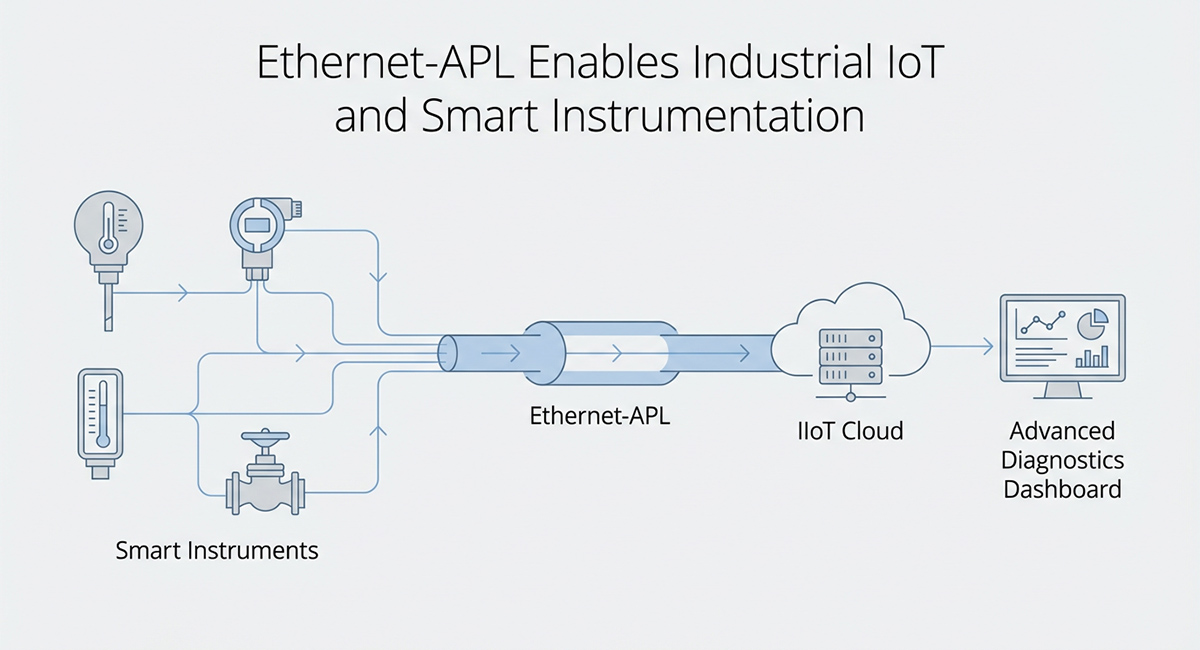
วิธีที่ Ethernet-APL ช่วยให้เกิด IoT อุตสาหกรรมและเครื่องมือวัดอัจฉริยะ
ระบบอุตสาหกรรมกำลังพัฒนาอย่างรวดเร็วจากสภาพแวดล้อมการควบคุมแบบแยกส่วนไปสู่ระบบนิเวศที่เชื่อมต่อกันทั้งหมดและขับเคลื่อนด้วยข้อมูล อยู่ที่ศูนย์กลางของการเปลี่ยนแปลงนี้...

เครื่องส่งสัญญาณ
หน้าแรก » ผลิตภัณฑ์ » เครื่องส่งสัญญาณ » เซ็นเซอร์คุณภาพน้ำหลายพารามิเตอร์

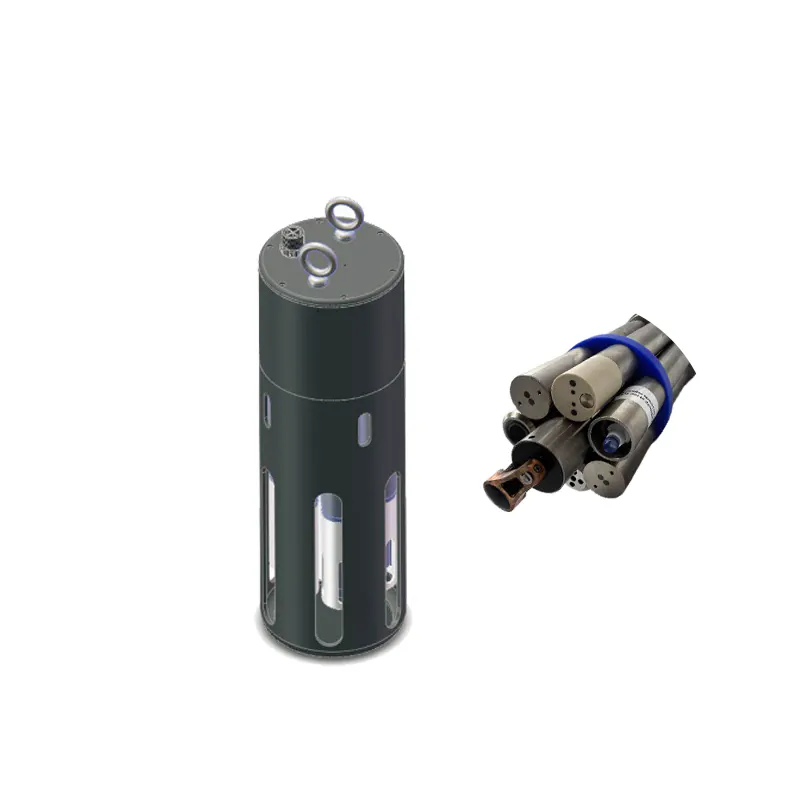
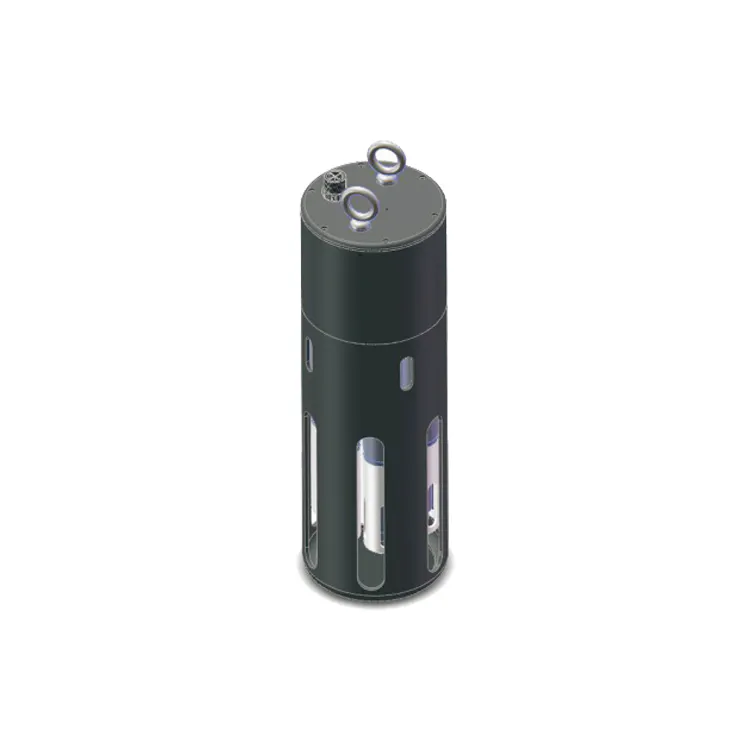
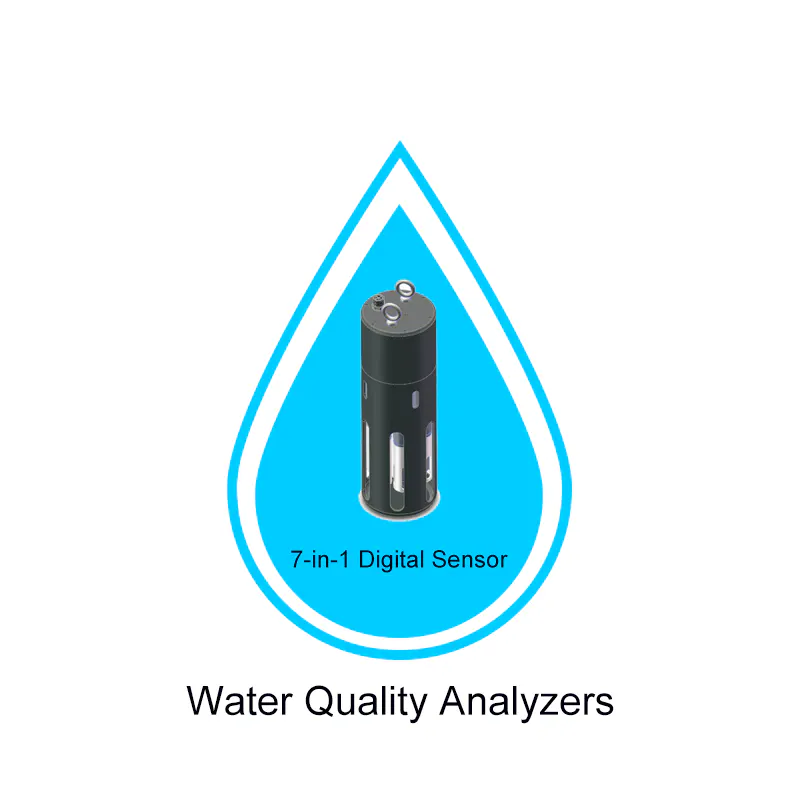
The multi-parameter water quality sensor is designed to work seamlessly with Instrava multifunction water quality analyzers.
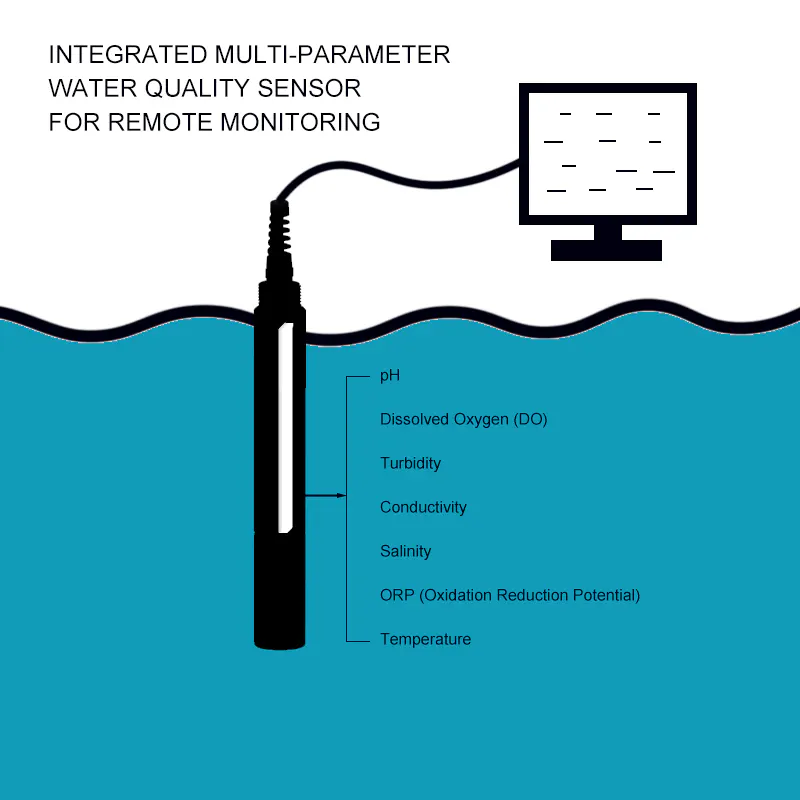
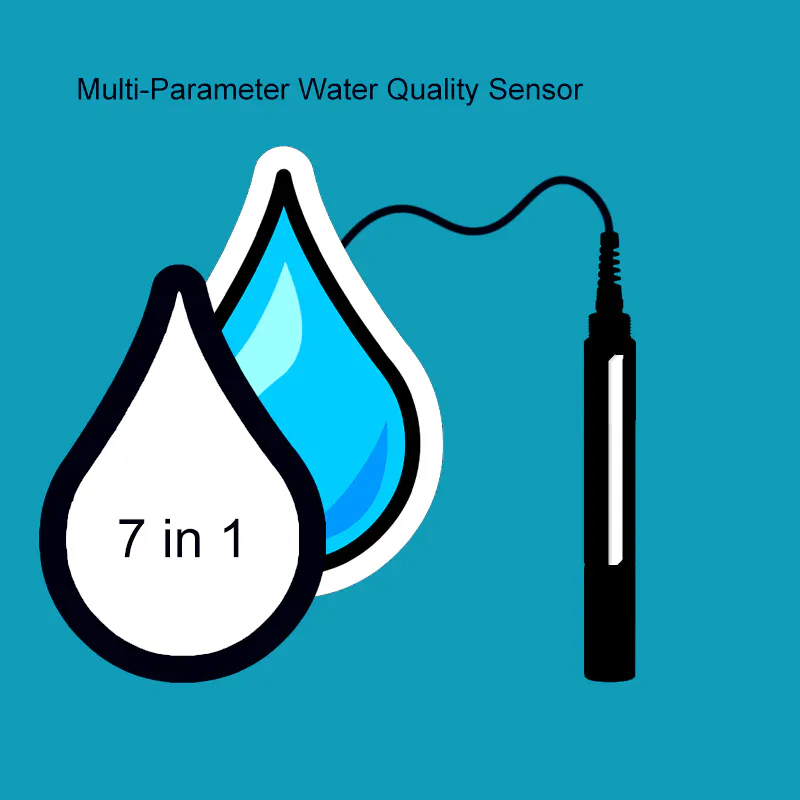
A single integrated probe enables simultaneous measurement of up to seven key water quality parameters, significantly reducing installation space, wiring complexity, and maintenance workload.
With digital RS-485 (Modbus RTU) output, automatic cleaning capability, and wide power supply compatibility, the sensor is ideal for continuous online monitoring in water treatment, chemical processes, environmental monitoring, and industrial wastewater applications.
เครื่องส่งสัญญาณและเซ็นเซอร์ คำอธิบาย
7-in-1 Digital Sensor-Measured Parameters
This integrated sensor supports the following parameters within one compact structure:
พีเอช
Dissolved Oxygen (DO)
ความขุ่น
Conductivity / Salinity
ORP (Oxidation Reduction Potential)
อุณหภูมิ
All parameters are measured simultaneously and transmitted digitally to the analyzer.


Working with Water Quality Analyzer
The sensor is specifically designed for integration with Instrava multifunction water quality analyzers.
All measured parameters are digitally transmitted via RS-485, ensuring:
Stable signal transmission over long distances
No signal drift compared with analog sensors
Simplified wiring and commissioning
One analyzer can display, transmit, alarm, and log all parameters simultaneously.
Multi-Parameter Water Quality Sensor Key Advantages
7 parameters in one sensor – compact and space-saving
Digital RS-485 output – strong anti-interference performance
Automatic cleaning function – reduced maintenance frequency
Unified power supply – easy system integration
Factory-matched analyzer compatibility – plug-and-play deployment


Multi-Parameter Water Quality Sensor Typical Applications
Municipal water treatment plants
การบำบัดน้ำเสียจากอุตสาหกรรม
Chemical process water monitoring
Environmental monitoring stations
Power plants and energy facilities
Food & pharmaceutical water systems
เครื่องส่งสัญญาณ & เซ็นเซอร์ พารามิเตอร์
| พารามิเตอร์ | pH Sensor | ออกซิเจนละลาย | ความขุ่น | Conductivity / Salinity | ค่า ORP | อุณหภูมิ |
|---|---|---|---|---|---|---|
| ช่วงการวัด | 0 ~ 14 pH | 0 ~ 20 mg/L | 0 ~ 1000 NTU | 0 ~ 5000 µS/cm | -1500 mV ~ +1500 mV | 0 ~ 50 ℃ |
| ความถูกต้อง | ±0.1 pH | ±0.3 mg/L | ±5% or ±3 NTU | ±1.5% F.S. | ±6 mV | ±0.3 ℃ |
| การแก้ไขปัญหา | 0.01 pH | 0.01 mg/L | 0.1 NTU | 1 µS/cm | 1 มิลลิโวลต์ | 0.1 ℃ |
| รายการ | ข้อกำหนด |
|---|---|
| สัญญาณขาออก | RS-485 (Modbus RTU) |
| Cleaning Method | Automatic cleaning |
| แหล่งจ่ายไฟ | 12–24 VDC ±5% |
| ความยาวสายเคเบิล | Standard 10 m (customizable) |
อินสตราวา OEM/ODM
เครื่องมือที่เชื่อถือได้. โซลูชันที่เหมาะกับงานของคุณ.
Instrava มุ่งเน้นในการนำเสนอโซลูชันอุตสาหกรรมที่เชื่อถือได้ ผ่านผลิตภัณฑ์ที่คัดสรรมาอย่างพิถีพิถัน การปรับแต่งให้เหมาะสมกับการใช้งาน และการปรับแต่งที่ยืดหยุ่น เราเลือกเครื่องมือที่ผ่านการพิสูจน์แล้วจากผู้ผลิตที่เชื่อถือได้ เพื่อให้มั่นใจในคุณภาพที่สม่ำเสมอ ปรับโซลูชันให้เหมาะสมตามสภาพการทำงานจริงเพื่อแก้ไขปัญหาที่เกิดขึ้นจริง และให้การกำหนดค่าที่ปรับแต่งได้เพื่อตอบสนองความต้องการเฉพาะของการใช้งาน.
ด้วยการผสานความเชี่ยวชาญในการคัดเลือกเข้ากับความเข้าใจในการประยุกต์ใช้งาน Instrava ช่วยให้ลูกค้าลดความเสี่ยง เพิ่มประสิทธิภาพ และบรรลุผลลัพธ์ที่เชื่อถือได้ในสภาพแวดล้อมอุตสาหกรรมที่ซับซ้อน.

Can multiple parameters be measured simultaneously without interference?
Yes. Each parameter uses an independent sensing element and digital signal processing.
All data are transmitted via RS-485, eliminating cross-interference common in analog multi-sensor systems.
Why RS-485 (Modbus RTU) instead of 4–20 mA outputs?
RS-485 allows:
Multi-parameter transmission over one cable
Long-distance communication with strong anti-interference
Easy integration with PLC, SCADA, and DCS systems
No signal drift over time
This makes it ideal for complex water treatment and industrial environments.
How often does the sensor require maintenance?
Maintenance frequency depends on water quality.
With automatic cleaning enabled, typical inspection cycles are:
Clean water: 3–6 months
Wastewater or sludge: 1–3 months
Automatic cleaning significantly reduces manual intervention.
Can the sensor be calibrated on site?
Yes. Calibration is performed through the connected Instrava water quality analyzer.
Step-by-step calibration guidance and output verification are supported to minimize operational errors.
Is the sensor suitable for harsh chemical or industrial wastewater?
Yes. The sensor is designed for continuous operation in industrial environments such as:
การแปรรูปทางเคมี
Power plants
Municipal and industrial wastewater
Material selection and cleaning functions help maintain long-term stability.
Can one analyzer manage multiple sensors or monitoring points?
Yes. Instrava multifunction analyzers can be configured to support:
Multiple sensors
Multiple monitoring points
Centralized data acquisition and alarm management
This is ideal for large-scale plants and distributed monitoring systems.
สร้างบนความสม่ำเสมอ ไม่ใช่คำกล่าวอ้าง
เราเชี่ยวชาญด้านการวิเคราะห์และตรวจจับในอุตสาหกรรม โดยมีความเข้าใจอย่างชัดเจนเกี่ยวกับสภาพแวดล้อมการทำงานจริงและความต้องการต่างๆ.
ทุกเครื่องมือได้รับการประเมินตามประสิทธิภาพ, ความเสถียร, และความเหมาะสมในการนำไปใช้—ไม่ใช่เพียงแค่ข้อมูลจำเพาะหรือราคา.
เราทำงานร่วมกับผู้ผลิตที่เชื่อถือได้เพื่อให้แน่ใจว่ามีปริมาณการจัดหาที่เสถียร คุณภาพที่สม่ำเสมอ และการจัดส่งที่น่าเชื่อถือ.
คำแนะนำของเราได้รับการสนับสนุนจากความเข้าใจในการใช้งานจริง ช่วยให้ลูกค้าหลีกเลี่ยงปัญหาทั่วไปและบรรลุผลลัพธ์ที่เชื่อถือได้.
Instrava ถูกสร้างขึ้นเพื่อลดความไม่แน่นอน—เพื่อให้ทุกการตัดสินใจของคุณชัดเจน ปลอดภัย และน่าเชื่อถือมากขึ้น.

ระบบอุตสาหกรรมกำลังพัฒนาอย่างรวดเร็วจากสภาพแวดล้อมการควบคุมแบบแยกส่วนไปสู่ระบบนิเวศที่เชื่อมต่อกันทั้งหมดและขับเคลื่อนด้วยข้อมูล อยู่ที่ศูนย์กลางของการเปลี่ยนแปลงนี้...

เทคโนโลยีการสื่อสารอุตสาหกรรมได้พัฒนาไปอย่างมากในช่วงหลายทศวรรษที่ผ่านมา ระบบฟีดด์บัสแบบดั้งเดิม เช่น PROFIBUS และ Modbus ได้ถูกใช้มาเป็นเวลานาน...
เมื่อระบบอุตสาหกรรมก้าวสู่การดิจิทัลและการอัตโนมัติที่ชาญฉลาด เทคโนโลยีการสื่อสารภาคสนามแบบดั้งเดิมก็ไม่สามารถตอบสนองความต้องการได้มากขึ้น...