How Ethernet-APL Enables Industrial IoT and Smart Instrumentation
Industrial systems are rapidly evolving from isolated control environments into fully connected, data-driven ecosystems. At the center of this transformation...
Home » Products » Transmitters » Multi-Parameter Water Quality Sensor

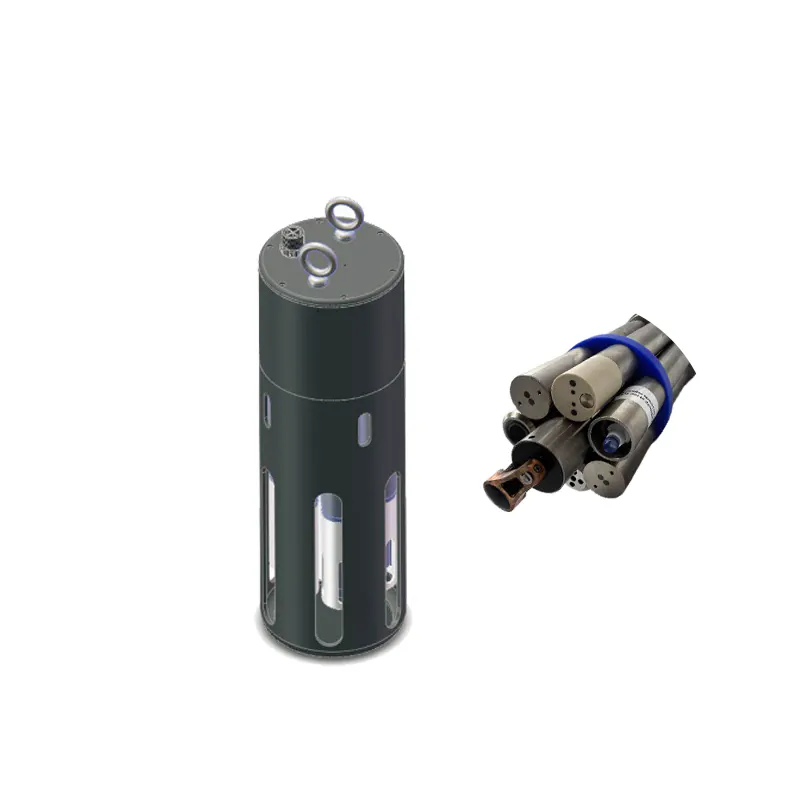
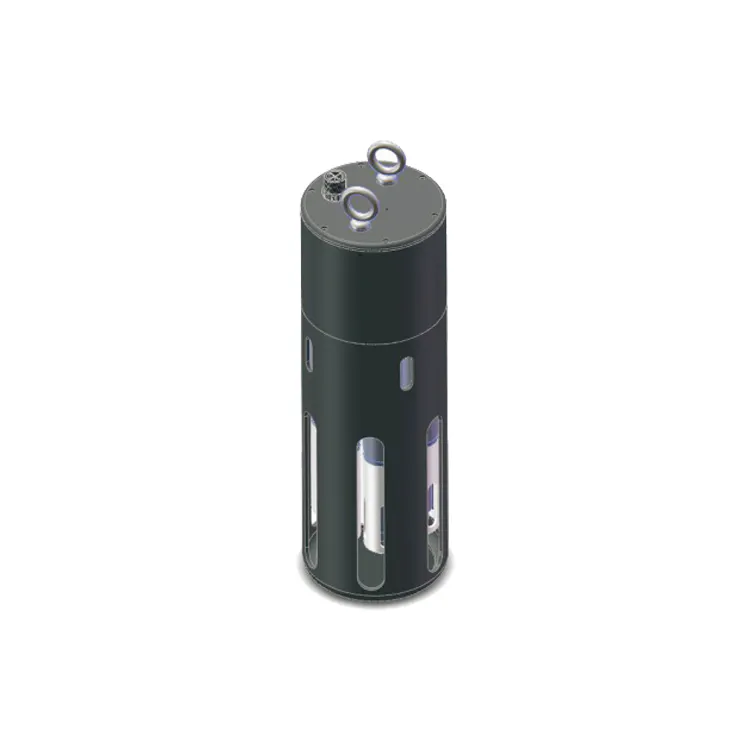
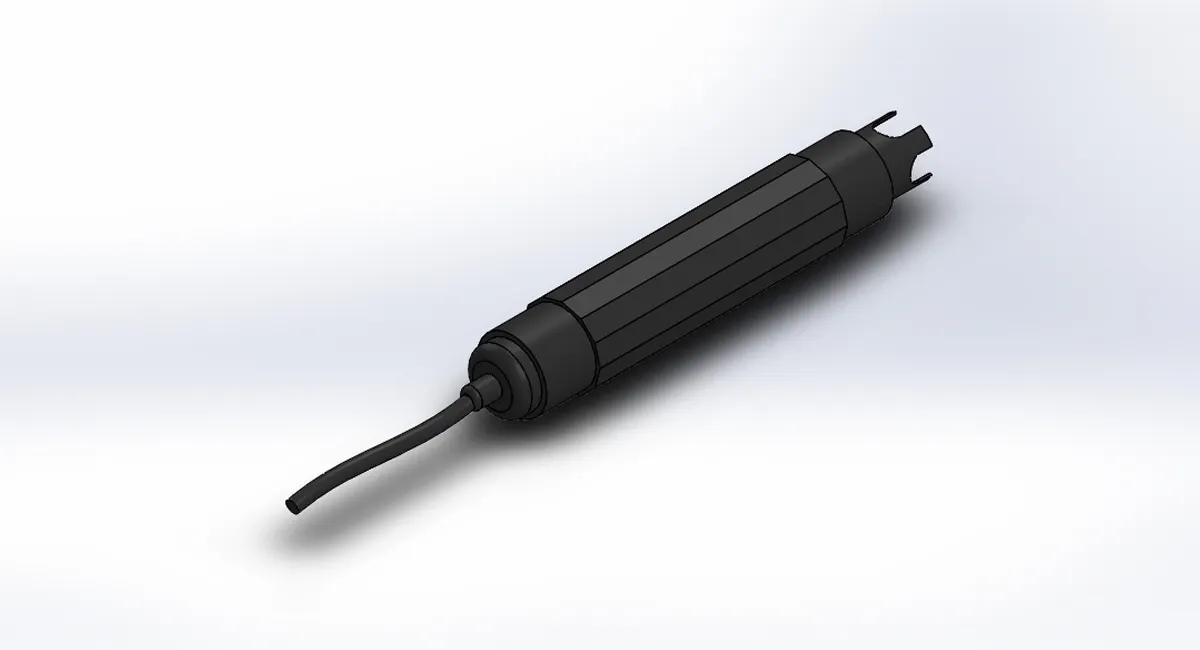
The multi-parameter water quality sensor is designed to work seamlessly with Instrava multifunction water quality analyzers.
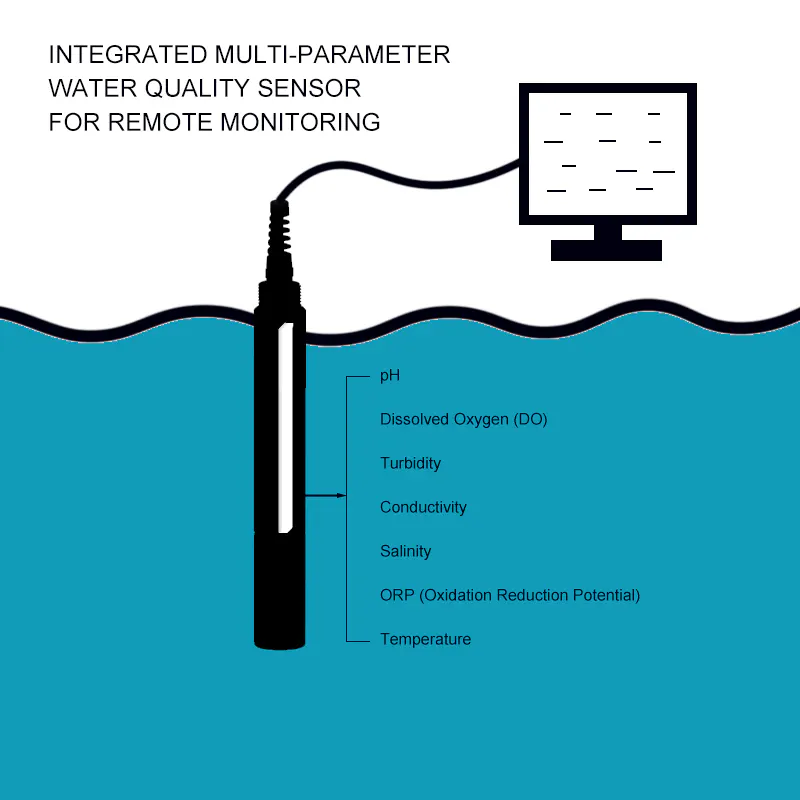
A single integrated probe enables simultaneous measurement of up to seven key water quality parameters, significantly reducing installation space, wiring complexity, and maintenance workload.
With digital RS-485 (Modbus RTU) output, automatic cleaning capability, and wide power supply compatibility, the sensor is ideal for continuous online monitoring in water treatment, chemical processes, environmental monitoring, and industrial wastewater applications.
Transmitters & Sensors Description
7-in-1 Digital Sensor-Measured Parameters
This integrated sensor supports the following parameters within one compact structure:
pH
Dissolved Oxygen (DO)
Turbidity
Conductivity / Salinity
ORP (Oxidation Reduction Potential)
Temperature
All parameters are measured simultaneously and transmitted digitally to the analyzer.


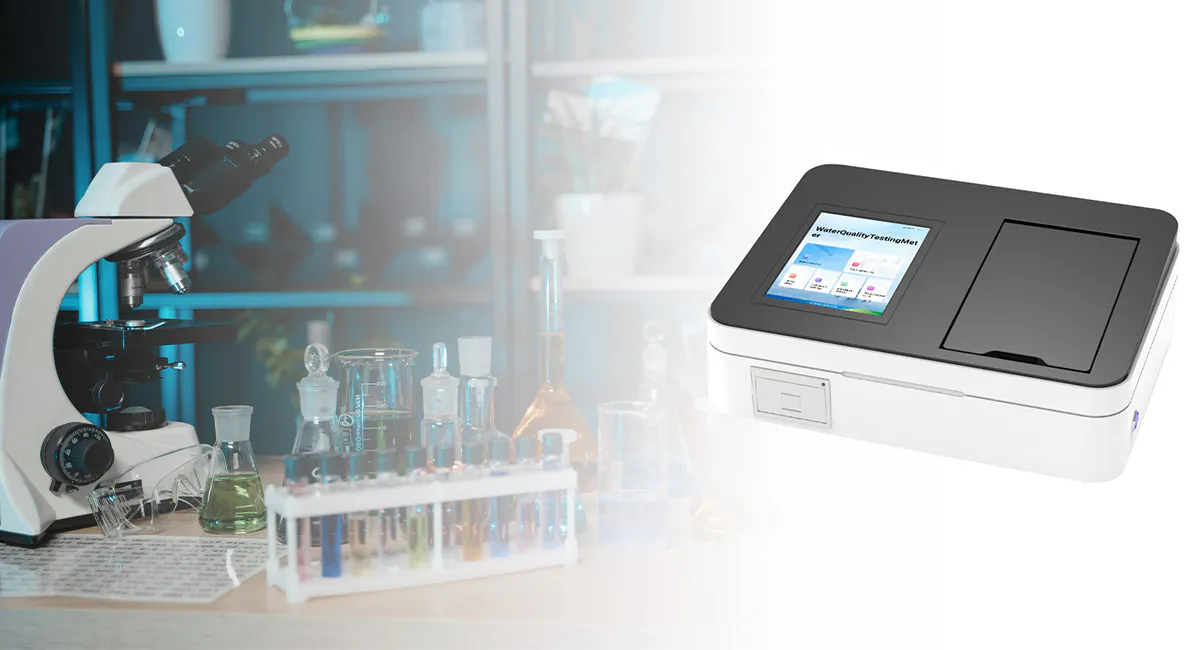
Working with Water Quality Analyzer
The sensor is specifically designed for integration with Instrava multifunction water quality analyzers.
All measured parameters are digitally transmitted via RS-485, ensuring:
Stable signal transmission over long distances
No signal drift compared with analog sensors
Simplified wiring and commissioning
One analyzer can display, transmit, alarm, and log all parameters simultaneously.
Multi-Parameter Water Quality Sensor Key Advantages
7 parameters in one sensor – compact and space-saving
Digital RS-485 output – strong anti-interference performance
Automatic cleaning function – reduced maintenance frequency
Unified power supply – easy system integration
Factory-matched analyzer compatibility – plug-and-play deployment


Multi-Parameter Water Quality Sensor Typical Applications
Municipal water treatment plants
Industrial wastewater treatment
Chemical process water monitoring
Environmental monitoring stations
Power plants and energy facilities
Food & pharmaceutical water systems
Transmitters & Sensors Parameter
| Parameter | pH Sensor | Dissolved Oxygen | Turbidity | Conductivity / Salinity | ORP | Temperature |
|---|---|---|---|---|---|---|
| Measuring Range | 0 ~ 14 pH | 0 ~ 20 mg/L | 0 ~ 1000 NTU | 0 ~ 5000 µS/cm | -1500 mV ~ +1500 mV | 0 ~ 50 ℃ |
| Accuracy | ±0.1 pH | ±0.3 mg/L | ±5% or ±3 NTU | ±1.5% F.S. | ±6 mV | ±0.3 ℃ |
| Resolution | 0.01 pH | 0.01 mg/L | 0.1 NTU | 1 µS/cm | 1 mV | 0.1 ℃ |
| Item | Specification |
|---|---|
| Output Signal | RS-485 (Modbus RTU) |
| Cleaning Method | Automatic cleaning |
| Power Supply | 12–24 VDC ±5% |
| Cable Length | Standard 10 m (customizable) |
Instrava OEM/ODM
Reliable Instruments. Solutions That Fit Your Application.
Instrava is focused on delivering reliable industrial solutions through carefully curated products, application-driven optimization, and flexible customization. We select proven instruments from trusted manufacturers to ensure consistent quality, optimize solutions based on real working conditions to solve practical challenges, and provide tailored configurations to meet specific application needs.
By combining selection expertise with application understanding, Instrava helps customers reduce risk, improve efficiency, and achieve dependable results in complex industrial environments.

Can multiple parameters be measured simultaneously without interference?
Yes. Each parameter uses an independent sensing element and digital signal processing.
All data are transmitted via RS-485, eliminating cross-interference common in analog multi-sensor systems.
Why RS-485 (Modbus RTU) instead of 4–20 mA outputs?
RS-485 allows:
Multi-parameter transmission over one cable
Long-distance communication with strong anti-interference
Easy integration with PLC, SCADA, and DCS systems
No signal drift over time
This makes it ideal for complex water treatment and industrial environments.
How often does the sensor require maintenance?
Maintenance frequency depends on water quality.
With automatic cleaning enabled, typical inspection cycles are:
Clean water: 3–6 months
Wastewater or sludge: 1–3 months
Automatic cleaning significantly reduces manual intervention.
Can the sensor be calibrated on site?
Yes. Calibration is performed through the connected Instrava water quality analyzer.
Step-by-step calibration guidance and output verification are supported to minimize operational errors.
Is the sensor suitable for harsh chemical or industrial wastewater?
Yes. The sensor is designed for continuous operation in industrial environments such as:
Chemical processing
Power plants
Municipal and industrial wastewater
Material selection and cleaning functions help maintain long-term stability.
Can one analyzer manage multiple sensors or monitoring points?
Yes. Instrava multifunction analyzers can be configured to support:
Multiple sensors
Multiple monitoring points
Centralized data acquisition and alarm management
This is ideal for large-scale plants and distributed monitoring systems.
Built on Consistency, Not Claims
We specialize in industrial analysis and detection, with a clear understanding of real-world operating environments and requirements.
Every instrument is evaluated based on performance, stability, and application suitability—not just specifications or pricing.
We work with trusted manufacturers to ensure stable supply, consistent quality, and dependable delivery.
Our recommendations are grounded in application understanding, helping customers avoid common issues and achieve reliable results.
Instrava is built to reduce uncertainty—so every decision you make is clearer, safer, and more reliable.

Industrial systems are rapidly evolving from isolated control environments into fully connected, data-driven ecosystems. At the center of this transformation...
Industrial communication technologies have evolved significantly over the past decades. Traditional fieldbus systems such as PROFIBUS and Modbus have long...
As industrial systems move toward digitalization and intelligent automation, traditional field communication technologies are increasingly unable to meet the demands...