







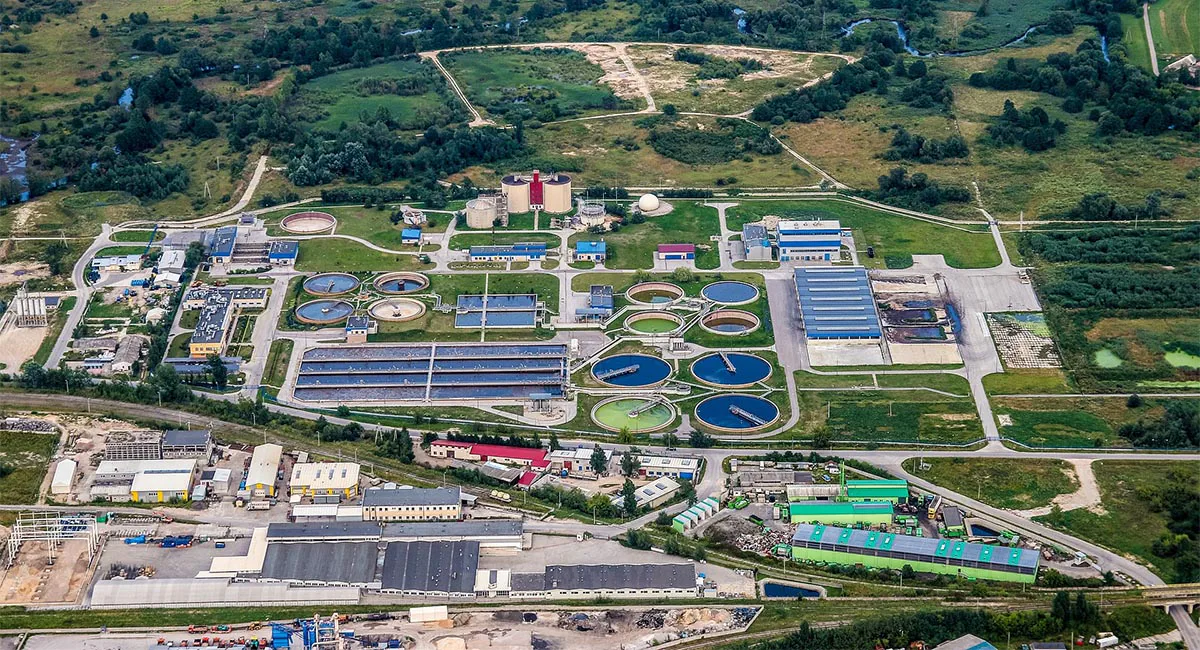
طرق قياس تركيز الحمأة
How to Select the Right Approach for Reliable Process Control
Why Sludge Concentration Measurement Matters
Sludge concentration is a critical parameter in wastewater treatment, industrial process water, and environmental protection systems. Accurate measurement directly affects process efficiency, energy consumption, chemical dosing, and compliance with discharge regulations.
Unlike simple water quality parameters, sludge concentration reflects both solids content and process stability. Inadequate measurement often leads to:
Poor sludge settling performance
Increased energy consumption in aeration systems
Unstable dewatering efficiency
Higher operational and maintenance costs
Selecting the appropriate sludge concentration measurement method is therefore a process decision, not just an instrumentation choice.
Understanding What “Sludge Concentration” Really Represents
In practice, sludge concentration describes the amount of suspended solids in a liquid medium. Depending on the application, it may be expressed as:
MLSS (Mixed Liquor Suspended Solids)
TSS (Total Suspended Solids)
g/L or mg/L of solids content
Each measurement method interprets sludge characteristics differently, which explains why results may vary between laboratory and online measurements.
Overview of Common Sludge Concentration Measurement Methods
Multiple measurement approaches are used in industrial and municipal applications. Each method has advantages and limitations depending on process conditions.
No single sludge concentration measurement method is suitable for all applications; method selection must align with process conditions and control objectives.
Comparison of Sludge Concentration Measurement Methods
| طريقة القياس | Typical Measurement Range | الدقة | وقت الاستجابة | Maintenance Level | التطبيقات النموذجية |
|---|---|---|---|---|---|
| Gravimetric (Lab) | 0.1–50 g/L | عالية | Slow | منخفضة | Reference testing |
| Optical (Infrared) | 0–30 g/L | Medium–High | سريع | متوسط | Wastewater treatment |
| الموجات فوق الصوتية | 0–50 g/L | متوسط | سريع | Low–Medium | High solids sludge |
| Microwave | 0–100 g/L | عالية | متوسط | منخفضة | Industrial sludge |
| Manual Sampling | Application dependent | Variable | Very slow | عالية | Spot verification |
Laboratory gravimetric methods provide high accuracy but lack real-time capability. Online methods trade absolute accuracy for continuous monitoring, which is essential for process control.
Gravimetric Method: The Reference Standard
The gravimetric method measures sludge concentration by filtering, drying, and weighing solids. It is widely regarded as the reference standard for calibration and verification.
However, it is inherently offline and time-consuming, making it unsuitable for continuous control.
Typical characteristics:
دقة عالية وقابلية تكرار عالية
Long measurement cycle (hours)
No real-time feedback
This method is best used for:
Calibration reference
Compliance verification
Periodic process audits
Optical Measurement Methods (Infrared / Scattered Light)
Optical sludge concentration sensors estimate solids content by measuring light absorption or scattering caused by suspended particles.
They are widely used due to their:
وقت استجابة سريع
Relatively simple installation
Compatibility with online monitoring
Optical methods provide excellent real-time visibility but require proper calibration to account for sludge characteristics.
Optical Measurement Performance by Sludge Type
| Sludge Type | Measurement Stability | Calibration Frequency | Fouling Sensitivity |
|---|---|---|---|
| Activated sludge | عالية | متوسط | متوسط |
| Primary sludge | متوسط | عالية | عالية |
| Industrial sludge | Variable | عالية | عالية |
Optical performance depends strongly on particle size, color, and composition. Changes in sludge characteristics can affect accuracy, requiring periodic recalibration.
Ultrasonic Sludge Concentration Measurement
Ultrasonic methods measure sludge concentration by analyzing the attenuation or reflection of sound waves passing through the medium.
They are particularly suitable for:
High solids concentrations
Sludge with variable optical properties
Applications where fouling is a concern
Ultrasonic methods are more robust against optical interference but may sacrifice resolution at low concentrations.
Ultrasonic Measurement Characteristics
| المعلمة | Typical Value |
|---|---|
| Measurement range | 1–50 g/L |
| Sensitivity at low solids | متوسط |
| Sensitivity at high solids | عالية |
| Maintenance requirement | منخفضة |
| Installation complexity | متوسط |
Ultrasonic sensors perform well in harsh environments but require careful positioning to avoid signal loss due to air bubbles or turbulence.
Microwave Measurement for High-Solids Applications
Microwave sludge concentration measurement uses dielectric properties of the medium to estimate solids content. This approach is less affected by color, turbidity, or particle size.
Typical advantages include:
Wide measurement range
High stability in industrial sludge
Minimal fouling sensitivity
Microwave methods are well suited for high-solids and industrial sludge where optical and ultrasonic methods struggle.
Suitability of Microwave Measurement
| التطبيق | الملاءمة | Reason |
|---|---|---|
| Municipal wastewater | متوسط | Cost vs benefit |
| Industrial sludge | عالية | Stable dielectric response |
| High solids (>30 g/L) | عالية جداً | Wide measurement range |
| Low solids water | منخفضة | Limited sensitivity |
Microwave systems are typically used where process stability and reliability outweigh initial investment considerations.
Online vs Laboratory Measurement: Complementary Roles
Online sludge concentration measurement does not replace laboratory testing; it complements it.
يوفر القياس عبر الإنترنت:
Continuous process visibility
Early detection of process deviations
Data for automated control
Laboratory testing provides:
Reference accuracy
Calibration validation
Regulatory confirmation
Using both together delivers the most reliable operational results.
How to Select the Right Sludge Concentration Measurement Method
When selecting a method, industrial users should evaluate:
Sludge type and solids range
وقت الاستجابة المطلوب
Maintenance resources
Integration with control systems
التكلفة الإجمالية للملكية
Selection Guidance by Application
| التطبيق | Recommended Method |
|---|---|
| Aeration basin (MLSS) | Optical / Ultrasonic |
| Sludge thickener | Ultrasonic / Microwave |
| Dewatering inlet | Microwave |
| Process monitoring | بصري |
| Compliance verification | Gravimetric |
Method selection should prioritize process control needs rather than laboratory-level accuracy alone.
Key Takeaways for Industrial Decision-Makers
Sludge concentration measurement is a core process parameter.
Different methods serve different operational objectives.
Online methods enable continuous control and optimization.
Laboratory methods remain essential for reference validation.
Proper method selection improves efficiency, stability, and compliance.
Why This Matters for Modern Water and Process Systems
Reliable sludge concentration data supports:
Stable biological treatment performance
Optimized energy and chemical usage
Reduced operational risk
Data-driven process optimization
Selecting the right measurement method transforms sludge monitoring from a reactive task into a proactive control strategy.