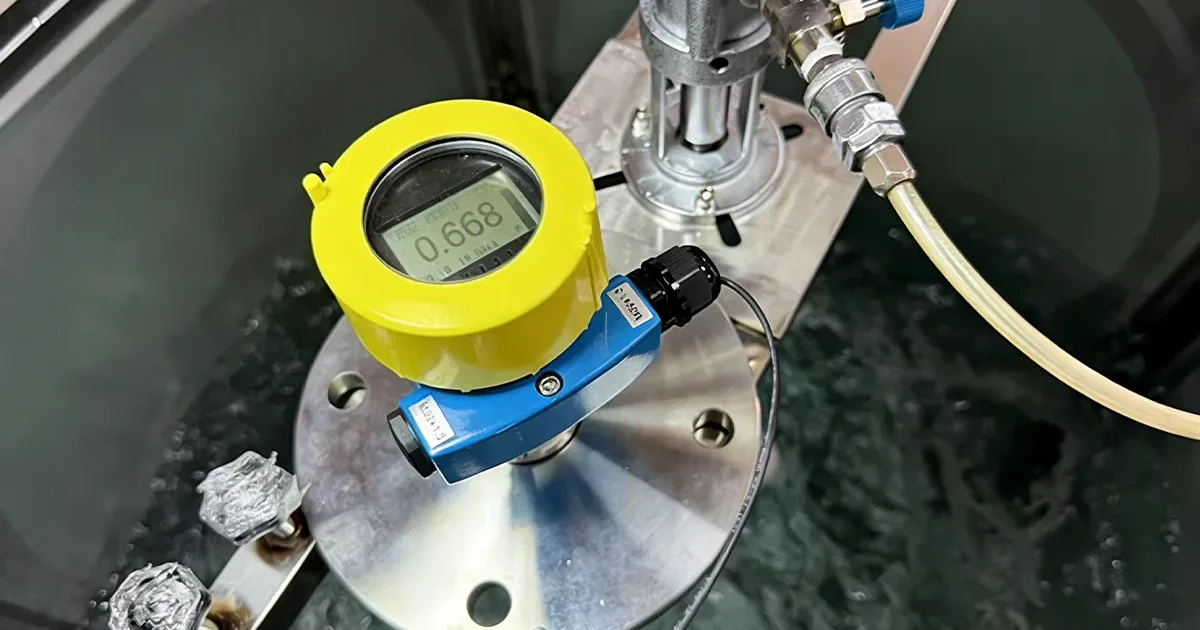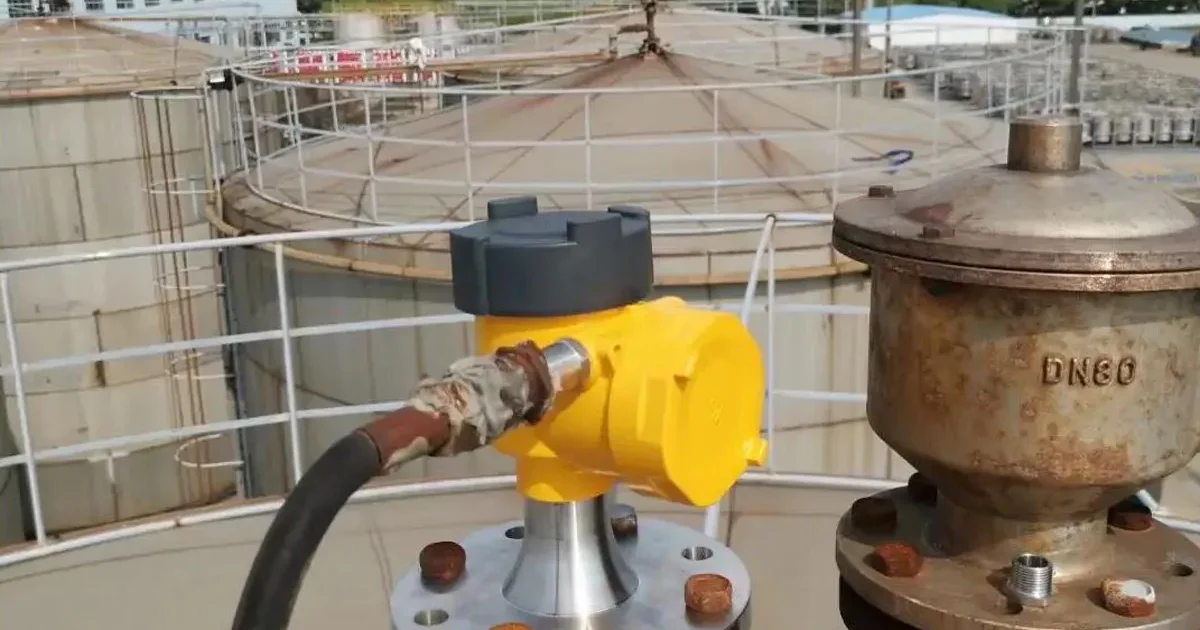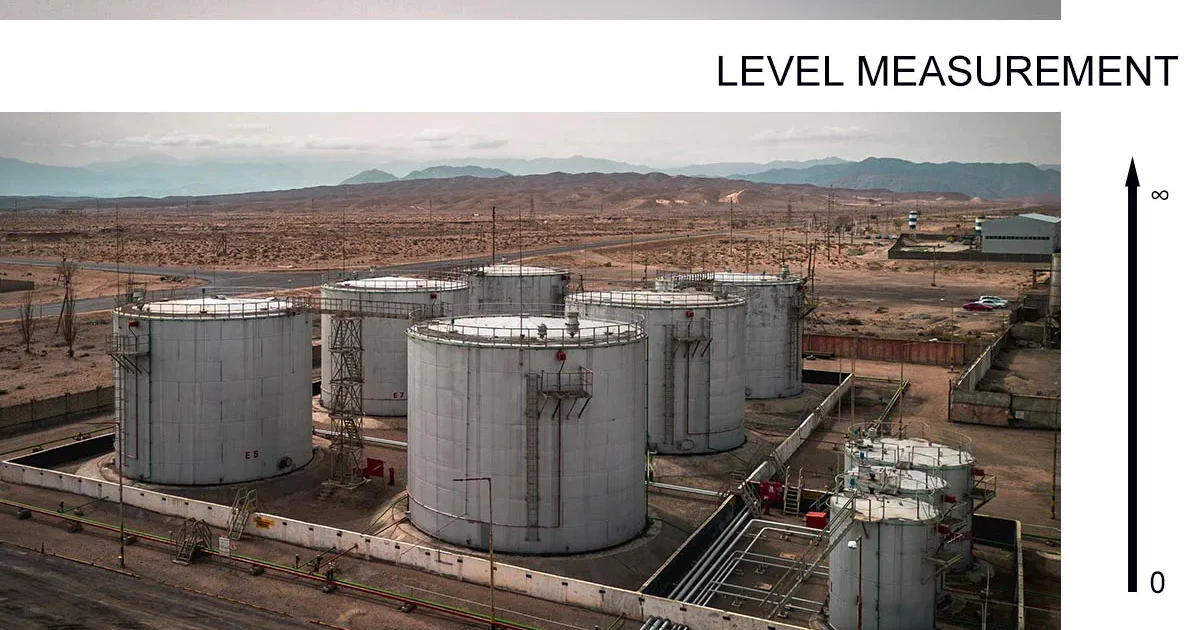
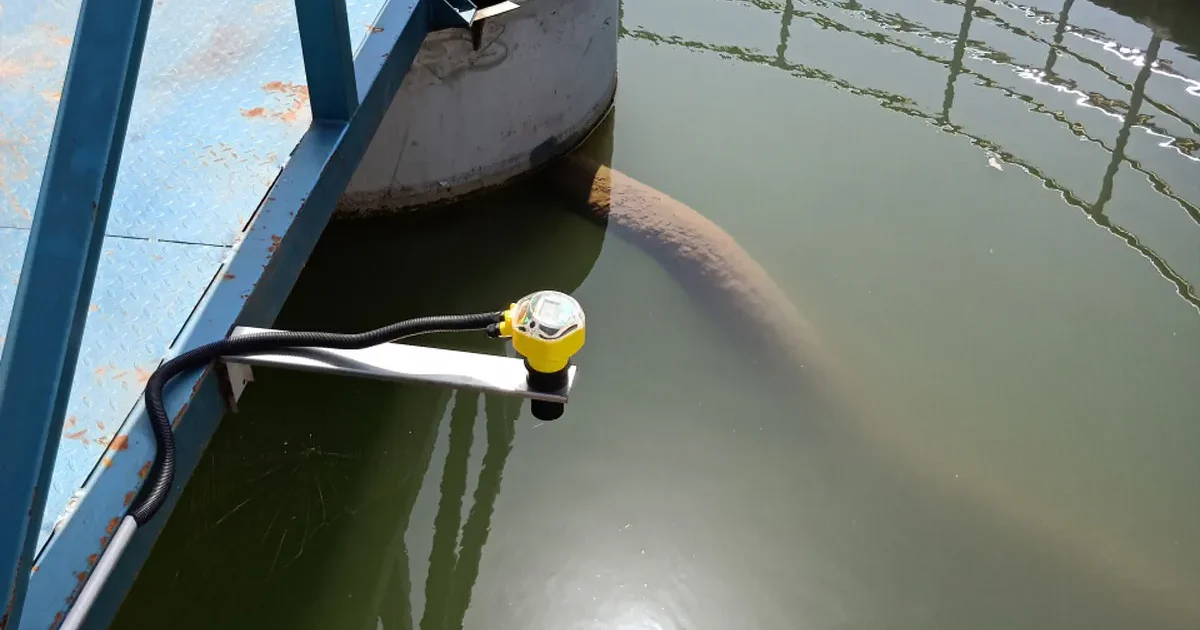
Based on the operating principle of ultrasonic level meters—emitting high-frequency sound waves (typically 20 kHz – 80 kHz) that reflect off the liquid surface and return, with distance calculated via the time difference ($t = \frac{2d}{v}$)—key factors influencing measurement results include the ultrasonic probe, the distance between the probe and the medium, and the medium…
Level Ultrasonic Sensor Overview A level ultrasonic sensor is a non-contact device used to measure liquid or solid levels by transmitting ultrasonic waves and calculating the return time. It is widely applied in industrial environments where reliability, low maintenance, and safe operation are critical. We focus on industrial instrumentation selection and application optimization, helping…
Modern warfare has shifted from traditional battlefield confrontations to precision strikes targeting industrial infrastructure, energy systems, and supply chain nodes. As a result, key industries such as power generation, metallurgy, chemicals, and manufacturing are often the first to suffer catastrophic damage. In many conflict zones, destruction rates of core industrial facilities exceed 70%, while national…
When a conflict ends, rebuilding begins—not just cities, but systems. Energy, water, chemical production, and infrastructure must be restored quickly, safely, and efficiently.At the center of this recovery lies a critical but often overlooked layer: industrial instrumentation. Without reliable measurement and control, reconstruction efforts face delays, safety risks, and long-term inefficiencies. Why Measurement Becomes Critical…
Introduction: The Real Challenge Is Not Measurement—It’s Reliability Selecting a level gauge is often treated as a simple technical task. In reality, it is a critical engineering decision that directly affects system stability, safety, and long-term operational cost. Many failures in level measurement are not caused by inaccurate instruments, but by selecting technologies that cannot…
Introduction: The Wrong Choice Doesn’t Reduce Accuracy—It Breaks the System When selecting a level sensor, many users compare specifications like accuracy and range. However, in real industrial and environmental applications, the biggest problem is not measurement deviation—it is unreliable readings. Fluctuating signals, false alarms, and signal loss are far more critical than small accuracy differences….
Introduction: Water Level Measurement Is Not Just About Accuracy Water level measurement is widely used in water treatment, environmental monitoring, and industrial systems. At first glance, selecting a water level sensor may seem straightforward—many users focus on accuracy as the primary indicator. However, in real industrial environments, accuracy is often not the most important factor….
Introduction: Why Level Measurement Is More Critical Than You Think In industrial environments, inaccurate level measurement is not just a technical issue—it directly affects safety, efficiency, and operational cost. Whether in water treatment plants, chemical storage tanks, or oil terminals, knowing the exact liquid level is essential for process control and risk prevention. A level…
Introduction: Accuracy Is No Longer the Hardest Problem Why Predictable Behavior Matters More Than Accuracy. In safety-critical industrial environments, the discussion around level measurement is often dominated by accuracy. While accuracy remains important, it is rarely the primary reason why radar level transmitter systems fail in real-world operations. The true challenge lies in measurement certainty—the…
When selecting a visual level measurement solution, engineers and procurement teams are often presented with two seemingly simple options: glass tube level gauge and bi color level gauge. On the surface, the choice may appear straightforward, but in practice, selecting the wrong type can lead to higher lifecycle costs, safety risks, regulatory challenges, or premature…