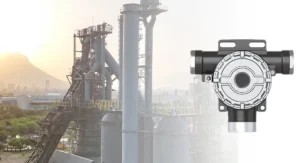
Industrial facilities operate in environments where hazardous gases may be present due to routine processes, equipment failures, or unexpected leaks. Selecting the right gas detection approach is not simply a matter of preference—it directly affects personnel safety, operational continuity, and regulatory compliance. This article compares fixed gas detectors and portable gas detectors from an application-driven…
Gas detection systems are a critical component of industrial safety management in environments where flammable, toxic, or oxygen-displacing gases may be present. In sectors such as oil and gas, LNG and LPG storage, chemical processing, and energy production, gas-related incidents can escalate rapidly if hazards are not detected early and managed correctly. This article provides…

Home Gas Safety Is About Scenarios, Not Devices Residential gas safety is often discussed in terms of products, but real protection depends on understanding risk scenarios inside the home. Natural gas leaks rarely occur as sudden catastrophic events. They usually begin as small, intermittent releases caused by aging fittings, appliance wear, or pressure fluctuations. Natural…

Volatile Organic Compounds (VOCs) are a broad class of chemicals widely used in industrial processes, including chemical manufacturing, petroleum refining, and pharmaceutical production. While VOCs are essential to many operations, they can be highly toxic, flammable, or environmentally hazardous if not monitored properly. Using VOC toxic gas detectors ensures early detection of leaks, minimizes exposure…

Natural Gas and Carbon Monoxide Detectors: Industrial Safety Applications and Best Practices Industrial facilities that use natural gas or operate in confined spaces face significant risks from gas leaks. Natural gas is highly flammable, and carbon monoxide (CO) is toxic and odorless, making early detection critical. Proper use of natural gas and carbon monoxide detectors…
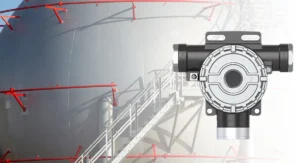
Propane is a widely used fuel in industrial, commercial, and residential applications. While it is highly efficient, propane is also highly flammable, and even small leaks can lead to serious hazards. Proper use of propane gas detectors is critical for industrial safety, ensuring early detection of leaks, protecting personnel, and complying with safety regulations. This…
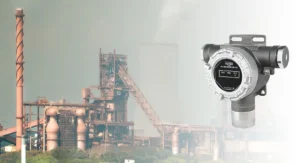
Fixed gas detectors are a cornerstone of industrial safety, providing continuous monitoring for hazardous gases in environments such as oil & gas facilities, chemical plants, LNG/LPG storage, and water/wastewater treatment sites. Unlike portable gas detectors that follow personnel, fixed systems offer 24/7 area-wide surveillance and can integrate with alarms, ventilation, and process control systems. What…
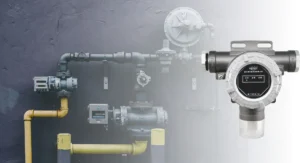
Portable vs Fixed Gas Detection Systems: How to Choose the Right Safety Solution Gas detection systems play a critical role in protecting personnel, facilities, and processes from hazardous atmospheres. One of the most common safety planning questions in industrial environments is whether portable gas detection or fixed gas detection systems are more appropriate. This article…

Gas Detector Calibration and Bump Test: Why Accuracy Matters in Industrial Safety Gas detectors are only effective when they provide accurate and reliable readings. In industrial environments where toxic, flammable, or oxygen-deficient atmospheres may occur, improper calibration or skipped testing can lead to false confidence and serious safety incidents. This article explains gas detector calibration…

Gas Detector Alarm Response and Emergency Handling: What to Do When Hazardous Gas Is Detected Gas detectors are designed to provide early warning of hazardous atmospheric conditions, but their effectiveness depends entirely on how people respond when an alarm is triggered. In industrial environments such as oil & gas facilities, LNG/LPG storage terminals, chemical plants,…