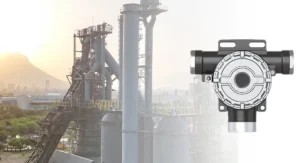
Industrial facilities operate in environments where hazardous gases may be present due to routine processes, equipment failures, or unexpected leaks. Selecting the right gas detection approach is not simply a matter of preference—it directly affects personnel safety, operational continuity, and regulatory compliance. This article compares fixed gas detectors and portable gas detectors from an application-driven…
Gas detection systems are a critical component of industrial safety management in environments where flammable, toxic, or oxygen-displacing gases may be present. In sectors such as oil and gas, LNG and LPG storage, chemical processing, and energy production, gas-related incidents can escalate rapidly if hazards are not detected early and managed correctly. This article provides…

Home Gas Safety Is About Scenarios, Not Devices Residential gas safety is often discussed in terms of products, but real protection depends on understanding risk scenarios inside the home. Natural gas leaks rarely occur as sudden catastrophic events. They usually begin as small, intermittent releases caused by aging fittings, appliance wear, or pressure fluctuations. Natural…

Volatile Organic Compounds (VOCs) are a broad class of chemicals widely used in industrial processes, including chemical manufacturing, petroleum refining, and pharmaceutical production. While VOCs are essential to many operations, they can be highly toxic, flammable, or environmentally hazardous if not monitored properly. Using VOC toxic gas detectors ensures early detection of leaks, minimizes exposure…

Natural Gas and Carbon Monoxide Detectors: Industrial Safety Applications and Best Practices Industrial facilities that use natural gas or operate in confined spaces face significant risks from gas leaks. Natural gas is highly flammable, and carbon monoxide (CO) is toxic and odorless, making early detection critical. Proper use of natural gas and carbon monoxide detectors…
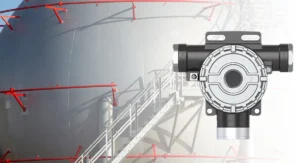
Propane is a widely used fuel in industrial, commercial, and residential applications. While it is highly efficient, propane is also highly flammable, and even small leaks can lead to serious hazards. Proper use of propane gas detectors is critical for industrial safety, ensuring early detection of leaks, protecting personnel, and complying with safety regulations. This…
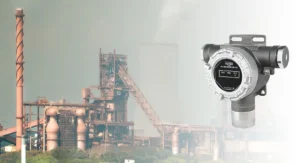
Les détecteurs de gaz fixes constituent un pilier de la sécurité industrielle, assurant une surveillance continue des gaz dangereux dans des environnements tels que les installations pétrolières et gazières, les usines chimiques, les sites de stockage de GNL/GPL et les stations de traitement de l'eau et des eaux usées. Contrairement aux détecteurs de gaz portables qui accompagnent le personnel, les systèmes fixes offrent une surveillance 24 heures sur 24 et 7 jours sur 7 de l'ensemble de la zone et peuvent s'intégrer aux systèmes d'alarme, de ventilation et de contrôle des processus. Qu'est-ce que…
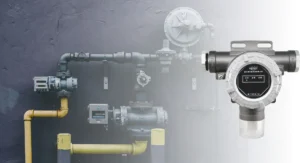
Systèmes de détection de gaz portables ou fixes : comment choisir la bonne solution de sécurité ? Les systèmes de détection de gaz jouent un rôle essentiel dans la protection du personnel, des installations et des processus contre les atmosphères dangereuses. L'une des questions les plus courantes en matière de planification de la sécurité dans les environnements industriels est de savoir s'il est plus approprié d'utiliser des systèmes de détection de gaz portables ou fixes. Cet article…

Étalonnage et test de fonctionnement des détecteurs de gaz : pourquoi la précision est essentielle en matière de sécurité industrielle. Les détecteurs de gaz ne sont efficaces que s’ils fournissent des mesures précises et fiables. Dans les environnements industriels où peuvent se former des atmosphères toxiques, inflammables ou pauvres en oxygène, un étalonnage incorrect ou des tests non effectués peuvent entraîner un faux sentiment de sécurité et des incidents graves. Cet article explique l'étalonnage des détecteurs de gaz…

Gas Detector Alarm Response and Emergency Handling: What to Do When Hazardous Gas Is Detected Gas detectors are designed to provide early warning of hazardous atmospheric conditions, but their effectiveness depends entirely on how people respond when an alarm is triggered. In industrial environments such as oil & gas facilities, LNG/LPG storage terminals, chemical plants,…