- Horaire. Lun - sam 09.00 - 20.00






Transmetteurs
Accueil » Transmetteurs

Liquid, Solid Powder | Up to 30m
- Intrinsically Safe, High Accuracy
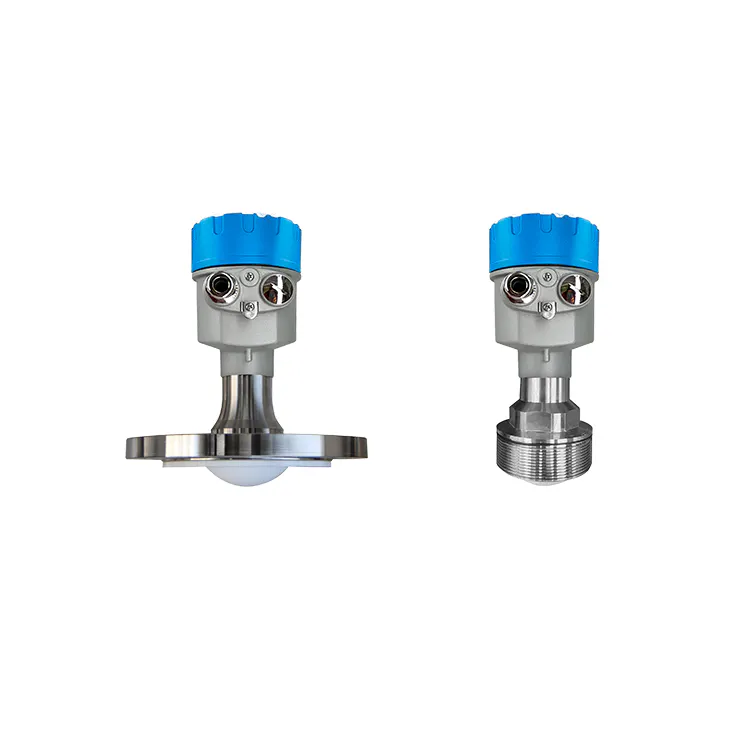
80 GHz | Measuring range up to 150 m (492.1 ft)
- Safety-Critical Applications, Long-Term Stability
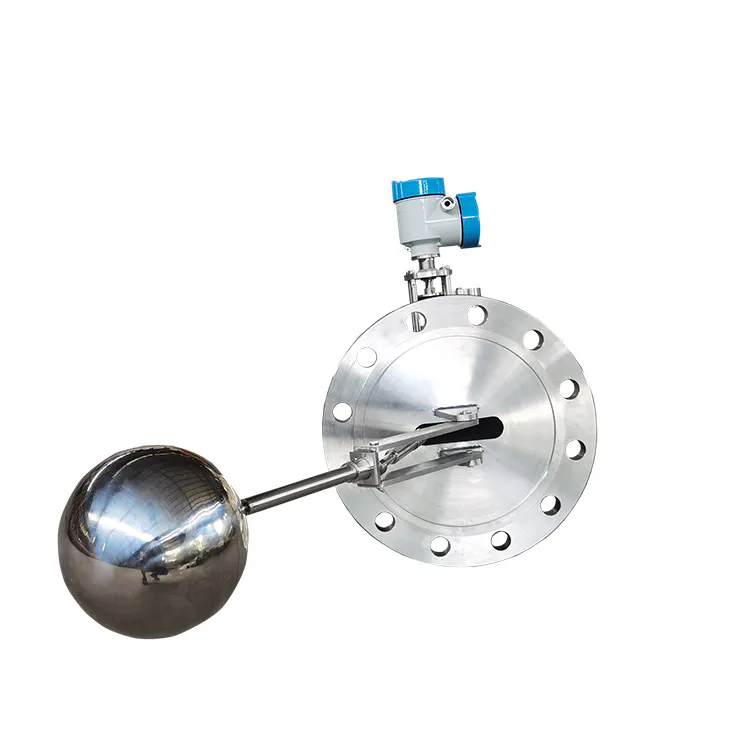
>0.55g/cm3 | 4~20mA/DC
- Explosion Proof, IP67 Rated
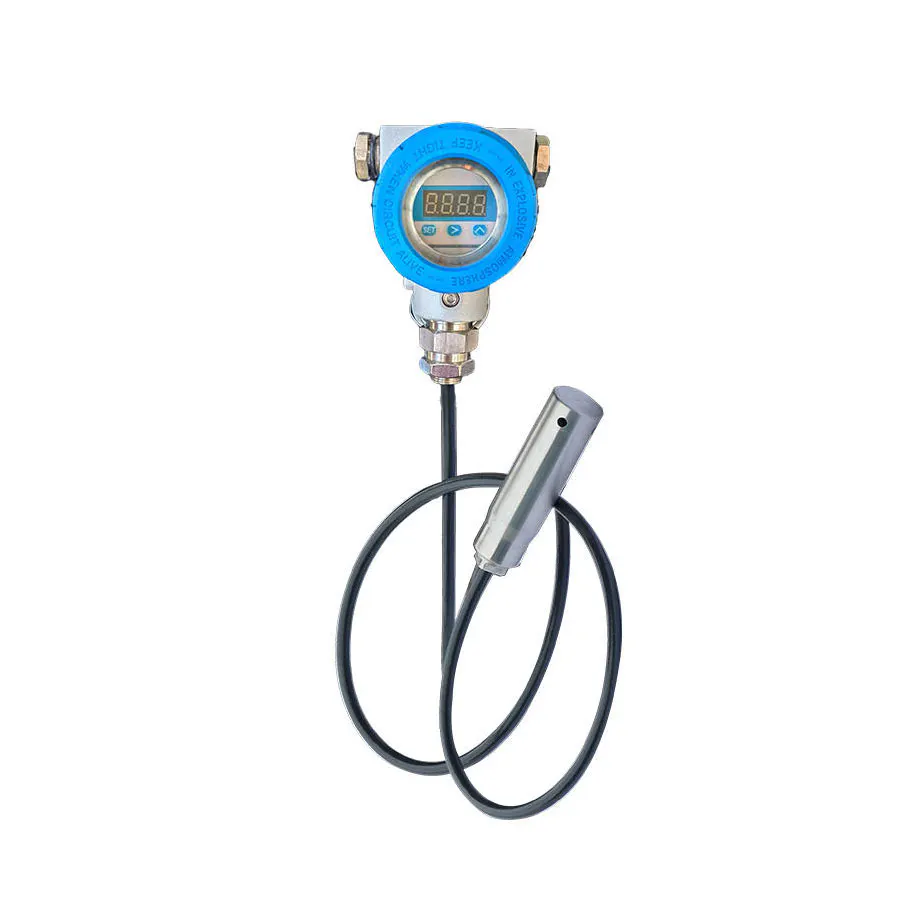
Up to 200m | Stainless steel, PP, PTFE
- Intrinsically Safe, Safety-Critical Applications
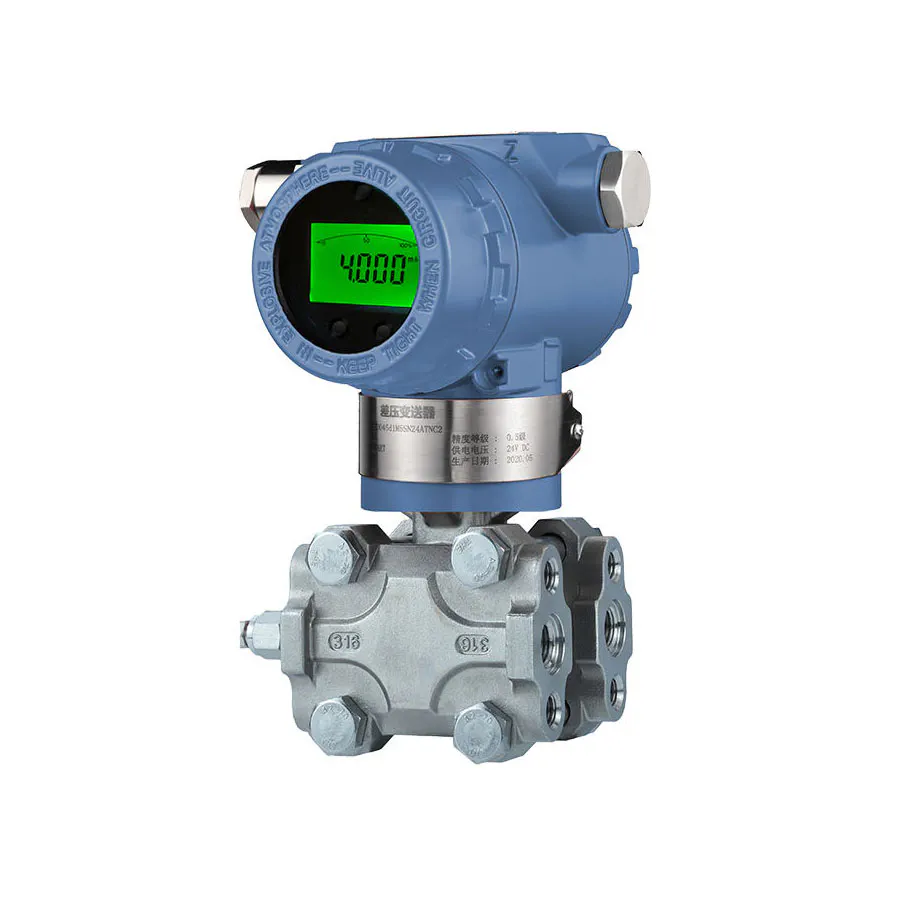
50Pa-10MPa | > 1000m
- Explosion Proof, IP67 Rated
Download transmitters product information EN document
Transmitters Knowledge Hub
This page provides a comprehensive overview of industrial transmitters, focusing on their role in process measurement, system integration, and operational reliability. It is designed for engineers, system designers, and industrial safety professionals, rather than basic technical definitions.
1. Role of Transmitters in Industrial Systems
Transmitters convert physical process variables such as pressure, temperature, flow, and level into standardized electrical signals (4-20 mA, HART, Modbus, etc.) for monitoring, control, and automation purposes. They are critical for:
Real-time process monitoring
Alarm and safety system integration
Data logging and regulatory compliance
Feedback control in automated systems
Transmitters bridge the physical process and digital control systems, ensuring data reliability and enabling efficient industrial operations.
2. Types of Industrial Transmitters
2.1 Pressure Transmitters
Used to measure gauge, absolute, or differential pressure in liquids, gases, and steam. Key considerations include range, media compatibility, temperature limits, and installation environment.
2.2 Temperature Transmitters
Convert RTD or thermocouple signals into standardized outputs for DCS/PLC systems. Selection criteria include sensor type, process temperature range, and signal stability.
2.3 Flow Transmitters
Used with flowmeters (electromagnetic, ultrasonic, vortex, turbine, etc.) to provide accurate, repeatable flow data for control, monitoring, and inventory management.
2.4 Level Transmitters
Convert liquid level changes into electrical signals for remote monitoring or control. They may use radar, ultrasonic, hydrostatic, or magnetic technologies depending on the application.
2.5 Gas Transmitters
Detect toxic, combustible, or oxygen-deficient environments and send signals to controllers or safety systems. Sensor type selection (electrochemical, catalytic, infrared) affects detection range and reliability.
3. Key Selection Criteria for Transmitters
Process variable type and range
Operating conditions: temperature, pressure, humidity, vibration
Media properties: corrosive, viscous, or abrasive
Signal output requirements and communication protocols
Environmental ratings and certifications (IP, NEMA, ATEX, IECEx)
Maintenance accessibility and calibration needs
Choosing a transmitter that matches the process environment ensures long-term accuracy and reliability.
4. Installation and System Integration Considerations
Proper mounting to minimize mechanical stress and vibration
Adequate separation from heat sources or electromagnetic interference
Correct wiring, grounding, and shielding practices
Integration with DCS, PLC, SCADA, or safety systems
Signal validation and diagnostics to detect sensor drift or faults
A well-designed installation maximizes transmitter accuracy and lifespan.
5. Maintenance and Calibration Practices
Regular calibration based on manufacturer guidelines and process criticality
Functional checks and diagnostics to identify drift or sensor degradation
Spare parts planning for long-term support
Cleaning and inspection in harsh process environments
Routine maintenance ensures uninterrupted process monitoring and system safety.
6. Transmitter Applications by Industry
Oil & Gas: pressure, level, and flow transmitters for production, storage, and pipeline monitoring
Chemical & Petrochemical: corrosion-resistant transmitters for process control and safety
Water & Wastewater: flow and level transmitters for monitoring and regulatory compliance
Power Generation: pressure, temperature, and flow transmitters for turbines, boilers, and cooling systems
Food & Beverage: hygienic transmitters for process monitoring and automation
7. System-Level Considerations
Redundancy: dual transmitters for critical variables to improve safety and reliability
Diagnostics: smart transmitters with self-checks and communication of alarms
Data integration: enabling trend analysis, predictive maintenance, and process optimization
Compatibility with safety instrumented systems (SIS) for emergency response
Transmitters-FAQ
How do I select the right transmitter for my process?
Consider the process variable, operating environment, media compatibility, required accuracy, output signal type, and regulatory compliance. Matching the transmitter to the specific industrial conditions ensures reliability and reduces maintenance needs.
What are the common output signals from industrial transmitters?
Standard outputs include 4-20 mA, 0-10 V, HART digital communication, Modbus, and Fieldbus. The choice depends on system integration, distance, and data requirements.
How does environmental exposure affect transmitter performance?
High temperature, humidity, vibration, corrosive media, or EMI can degrade sensor performance and accuracy. Selecting industrial-grade transmitters with protective housings and appropriate environmental ratings is essential.
How often should transmitters be calibrated?
Calibration frequency depends on the transmitter type, process criticality, sensor drift characteristics, and manufacturer recommendations. High-risk or critical process variables may require more frequent calibration.
Can transmitters be used in hazardous areas?
Yes, but they must meet safety certifications such as ATEX, IECEx, or local regulations. Explosion-proof or intrinsically safe designs are required for combustible or explosive environments.
Quelle est la différence entre un émetteur et un capteur ?
A sensor detects a physical parameter (pressure, temperature, level, flow) and may produce a raw signal. A transmitter conditions this signal and converts it into a standardized output for monitoring, control, or safety systems.
How do smart transmitters enhance process control?
Smart transmitters provide diagnostics, self-calibration, trend analysis, and digital communication. These features enable predictive maintenance, reduced downtime, and improved process efficiency.
How can multiple transmitters be integrated into a system?
Transmitters can be wired to PLCs, DCS, SCADA, or safety controllers using analog or digital communication. Proper integration includes signal validation, diagnostics, and redundancy planning.
What maintenance challenges are common in industrial transmitters?
Challenges include sensor drift, clogging, corrosion, mechanical stress, and electrical interference. Regular inspection, calibration, and selection of robust industrial-grade units mitigate these issues.
How do transmitters contribute to safety and regulatory compliance?
Transmitters provide real-time monitoring of critical process variables, trigger alarms, support safety instrumented systems, and log data for audits and regulatory reporting. They are essential for both operational safety and compliance documentation.
Pourquoi choisir Instrava ?
En choisissant Instrava, vous bénéficiez d'un partenaire ayant une connaissance approfondie des applications industrielles et l'expertise nécessaire pour relever les défis opérationnels d'aujourd'hui.
Notre rôle va au-delà des produits - nous soutenons votre réussite grâce à des solutions fiables et à un engagement à long terme.
L'innovation par l'ingénierie
L'innovation chez Instrava est guidée par les exigences industrielles réelles. Nous affinons continuellement nos technologies pour répondre aux défis opérationnels en constante évolution, en garantissant des performances pratiques et fiables dans des environnements exigeants.
Personnalisation en fonction de l'application
Nous offrons une personnalisation au niveau de l'ingénierie pour répondre aux conditions spécifiques du processus. De la plage de mesure et des matériaux aux signaux de sortie et aux options d'installation, nos solutions sont configurées pour s'adapter aux applications réelles.
Une qualité et une fiabilité éprouvées
La qualité et la fiabilité sont fondamentales pour chaque produit Instrava. Fabriqués sous un contrôle de qualité strict et testés de manière approfondie, nos instruments offrent des performances précises, stables et à long terme.
Une capacité mondiale avec un soutien local
Instrava associe une expertise technique mondiale à un support local réactif, garantissant à nos partenaires une technologie alignée au niveau international et un service régional opportun.
Un portefeuille de produits complet
Notre large gamme d'instruments de mesure et de contrôle nous permet de répondre à un grand nombre de besoins industriels, en fournissant des solutions intégrées à partir d'une source unique et fiable.
Soutien technique axé sur les partenaires
Nous travaillons en étroite collaboration avec nos partenaires, de la consultation technique à l'assistance après-vente. Notre objectif est de fournir des solutions qui créent une valeur durable et soutiennent le succès opérationnel à long terme.