- Schedule. Mon - Sat 09.00 - 20.00








Gas Detectors
Home » Gas Detectors
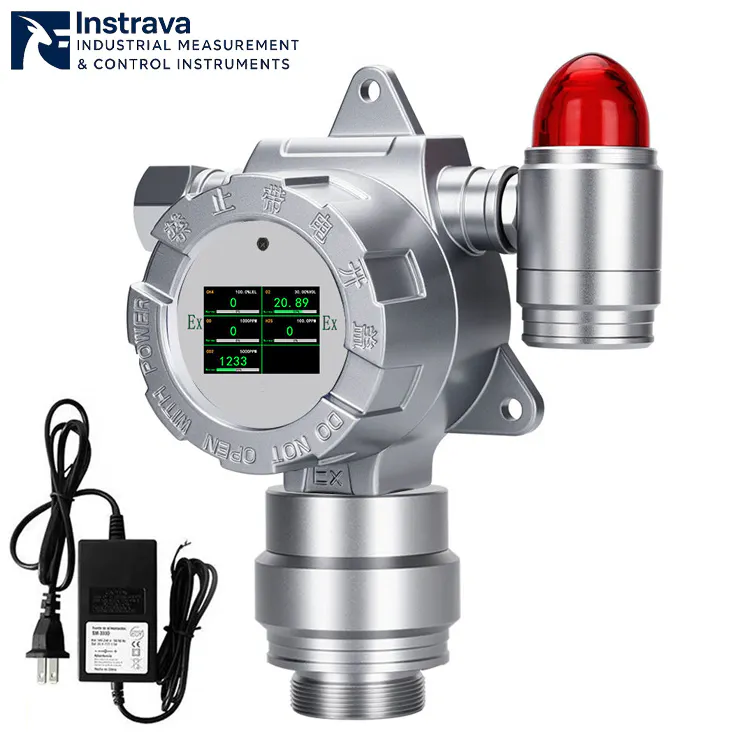
Electrochemical sensors for toxic gases | NDIR infrared sensors for stable gas measurement
- Explosion-Proof, Multi-Gas Detection, Industrial Grade, Low Maintenance, Long-Term Stability

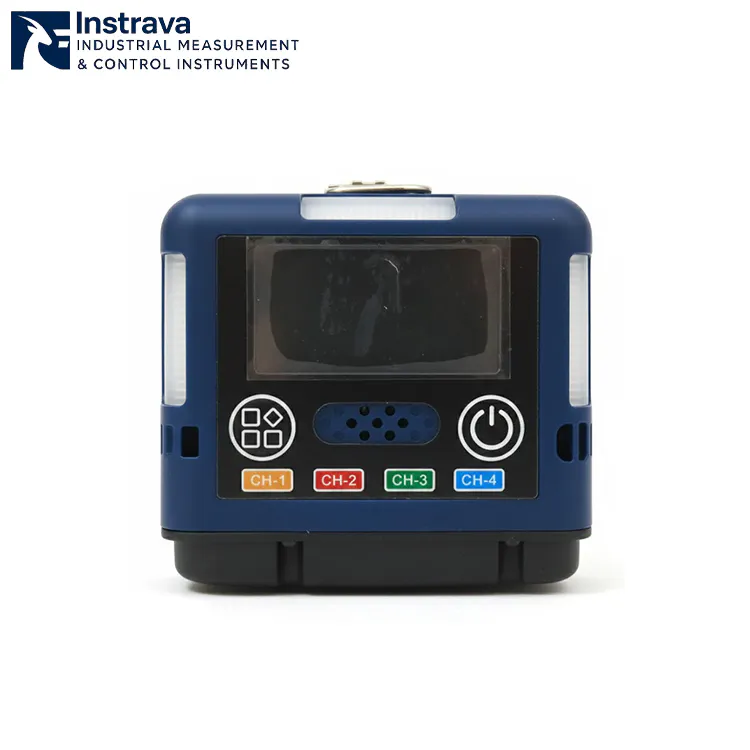
Fast gas detection with T90 < 10 seconds | Detects LEL, O₂, CO₂ and other toxic gases
- Intrinsically Safe, Multi-Gas Detection, Industrial Grade, Low Maintenance
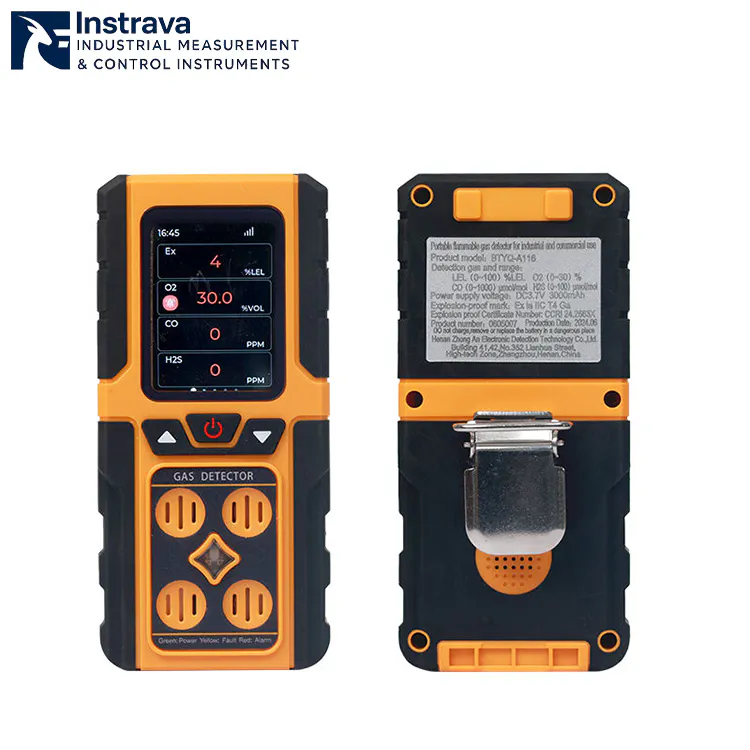
Detects combustible and toxic gases | ±5% F.S.
- Explosion-Proof, Multi-Gas Detection, Industrial Grade, Long-Term Stability
IP66 | Ex ia II C T4 Ga / Ex ia III C T200130°C Da
- Explosion-Proof, Intrinsically Safe, Multi-Gas Detection, Low Maintenance
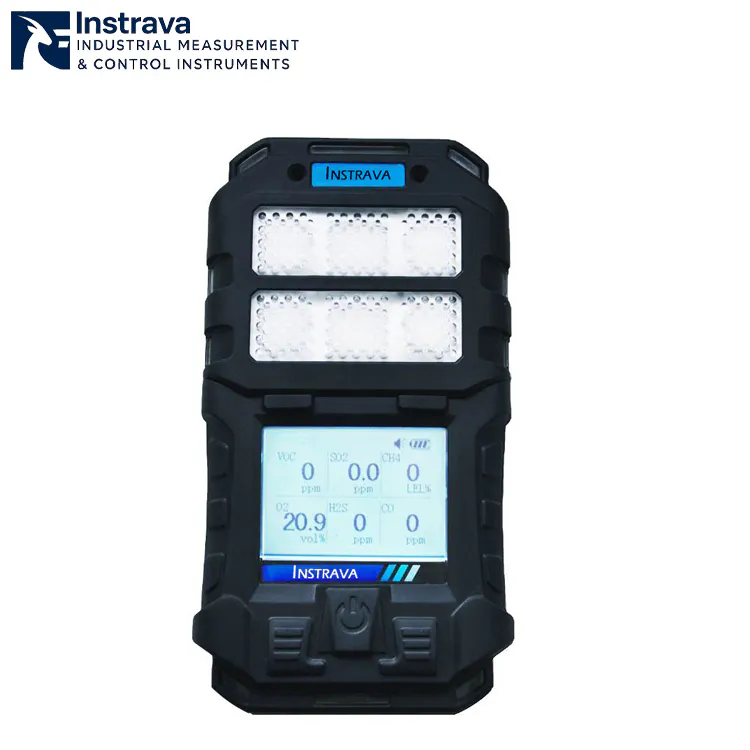
Flammable Gas, Toxic Gas, Oxygen | Catalytic sensor, electrochemical sensor, NDIR sensor, PID sensor
- Explosion-Proof, Multi-Gas Detection, Industrial Grade, Low Maintenance
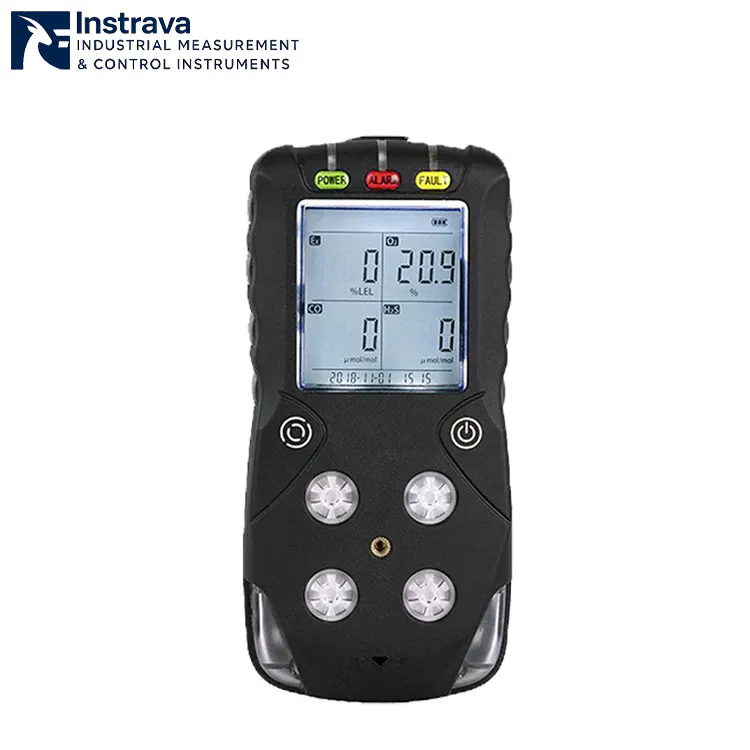
Combustible Gas (Ex), O₂, CO, H₂S | IP66
- Explosion-Proof, High Sensitivity, Multi-Gas Detection, Low Maintenance
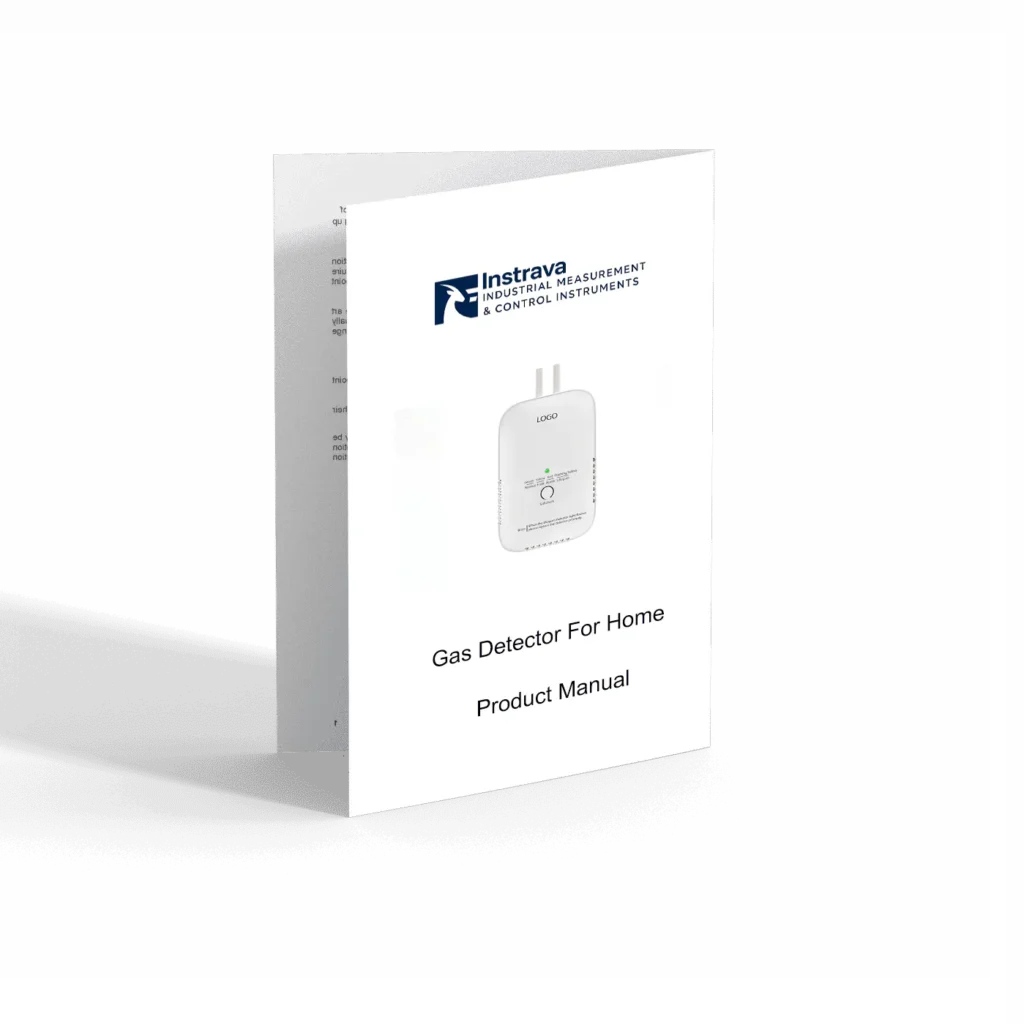
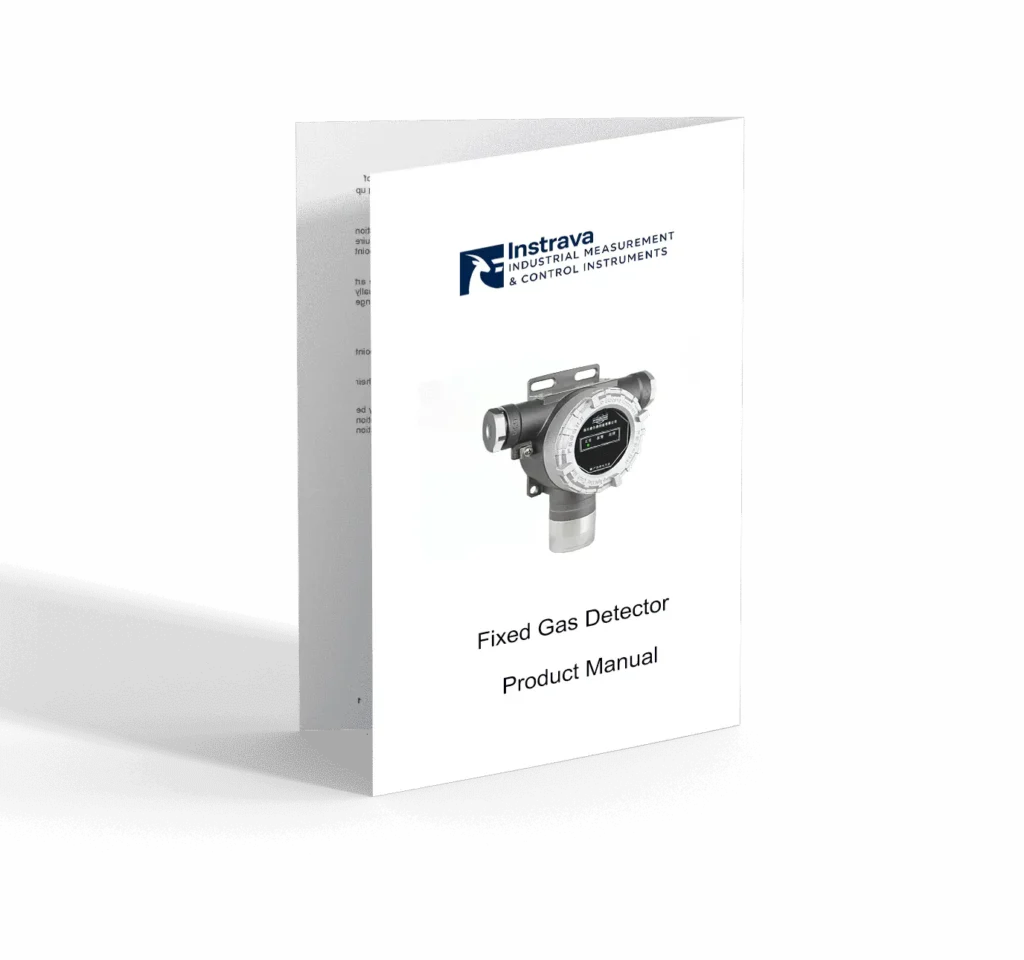
Gas Detection Knowledge Hub
1. Role of Gas Detection in Industrial & Commercial Safety Systems
Gas detection systems are a core safety layer in industrial plants, commercial facilities, and confined spaces where hazardous, toxic, or combustible gases may be present. Unlike general environmental monitoring, gas detection focuses on early risk identification, alarm initiation, and linkage to emergency response systems such as ventilation, shutdown, or evacuation.
Gas detectors are widely used across oil & gas, chemical processing, wastewater treatment, mining, energy generation, manufacturing, laboratories, and commercial buildings. Their value lies not only in gas concentration measurement, but in protecting personnel, assets, and regulatory compliance.
2. Gas Detection vs Process Measurement
Gas detection differs fundamentally from process analyzers:
Focus on safety thresholds rather than continuous process optimization
Fast response and alarm reliability are prioritized over ultra-high accuracy
Fail-safe behavior, diagnostics, and redundancy are critical design elements
This distinction is essential when selecting detectors for safety-instrumented functions or compliance-driven installations.
3. Classification of Gas Detection Systems
3.1 Portable Gas Detectors
Portable gas detectors are designed for personal protection and temporary measurements. Typical use cases include confined space entry, maintenance inspections, and emergency response.
Key characteristics:
Battery-powered, compact design
Real-time audible, visual, and vibration alarms
Data logging for exposure records
Single-gas and multi-gas configurations
3.2 Fixed Gas Detection Systems
Fixed systems provide continuous area monitoring and are permanently installed in risk zones.
Typical components include:
Fixed gas detectors (sensors)
Gas alarm controllers
Audible/visual alarm devices
Integration with PLC, DCS, or BMS systems
These systems are essential for process plants, storage facilities, and indoor environments where continuous monitoring is required.
4. Gas Detector Sensor Technologies
4.1 Electrochemical Sensors
Primarily used for toxic gases such as CO, H2S, SO2, NO2, and O2. Known for good selectivity and low detection limits.
4.2 Catalytic Bead Sensors
Commonly applied for combustible gas detection. They measure gas concentration based on oxidation heat reaction and are suitable for hydrocarbons.
4.3 Infrared (IR) Sensors
Used for combustible gases and CO2 detection. IR sensors are resistant to poisoning and suitable for harsh or oxygen-deficient environments.
4.4 Semiconductor Sensors
Often used in commercial or residential applications. They provide broad gas sensitivity but lower selectivity compared to industrial sensors.
5. Target Gases and Detection Scenarios
Gas detectors are selected based on target gas properties:
Combustible gases: methane, propane, hydrogen
Toxic gases: carbon monoxide, hydrogen sulfide, ammonia, chlorine
Oxygen monitoring: oxygen deficiency or enrichment
Gas density, diffusion behavior, and environmental conditions strongly influence detector placement and sensor choice.
6. Portable vs Fixed Gas Detection: System-Level Considerations
Portable gas detectors:
Protect individuals
Suitable for mobile or temporary work
Limited coverage area
Fixed gas detection systems:
Protect zones and facilities
Enable automated safety responses
Support centralized monitoring and compliance reporting
In many applications, portable and fixed systems are complementary rather than interchangeable.
7. Gas Alarm Controllers and System Architecture
Gas alarm controllers act as the central processing unit of fixed gas detection systems. Core functions include:
Signal acquisition from multiple detectors
Multi-level alarm logic
Relay output control for external devices
Communication via Modbus, Ethernet, or analog outputs
System architecture may range from simple standalone controllers to fully integrated safety subsystems.
8. Installation and Placement Strategy
Effective gas detection depends heavily on correct installation:
Sensor height determined by gas density
Airflow patterns and ventilation impact detection speed
Avoidance of dead zones and obstruction
Engineering guidelines and site risk assessments are critical for reliable coverage.
9. Maintenance, Calibration, and Lifecycle Management
Gas detectors require regular calibration and functional testing to maintain reliability. Key considerations include:
Calibration gas traceability
Sensor lifespan and replacement cycles
Bump testing frequency
Diagnostic and fault monitoring
Lifecycle cost and maintenance accessibility should be considered during system design.
10. Regulatory Standards and Compliance
Gas detection systems often support compliance with international and regional standards such as:
ATEX / IECEx for hazardous areas
OSHA and local occupational safety regulations
EN and IEC gas detection standards
Understanding regulatory requirements is essential for system specification and approval.
11. Integration with Safety and Control Systems
Modern gas detection systems are increasingly integrated with:
Fire and gas (F&G) systems
Distributed control systems (DCS)
Building management systems (BMS)
This integration enables coordinated safety responses and centralized monitoring.
12. Selecting the Right Gas Detection Solution
Key decision factors include:
Target gases and concentration ranges
Environmental conditions
Required response time
Compliance requirements
Total cost of ownership
A well-designed gas detection system balances technical performance, reliability, and long-term operational safety.
13. Expanding the Knowledge Hub
This Gas Detection Knowledge Hub serves as a foundation for deeper topics, including:
Portable Single Gas Detector selection
Portable Multi Gas Detector applications
Fixed Gas Detector placement guides
Gas Alarm Controller configuration
Portable + Fixed Gas Detection system design
Each topic can be expanded into dedicated technical pages linked back to this hub for structured knowledge growth.
Gas Detectors – FAQ
How do environmental conditions impact gas detector performance?
Gas detector performance can be affected by temperature extremes, humidity, dust, corrosive vapors, and electromagnetic interference. Industrial-grade detectors include compensation mechanisms and protective housings to maintain accurate readings under challenging conditions.
What is the importance of detector placement in industrial facilities?
Effective placement ensures timely detection and reduces false alarms. Low-density gases require detectors near ceilings, while heavier gases need floor-level sensors. Airflow, vents, and potential leak sources must be considered in the placement strategy to achieve reliable gas detection coverage.
How does sensor type influence detection range and selectivity?
Different sensors are optimized for specific gases. Electrochemical sensors excel in detecting toxic gases at low concentrations, catalytic bead sensors for combustible gases, and infrared sensors for hydrocarbons and CO2. Selecting the correct sensor type ensures both accuracy and fast response in industrial conditions.
How is long-term reliability ensured in gas detection systems?
Long-term reliability depends on sensor lifespan, calibration schedule, environmental protection, and system diagnostics. Detectors with built-in self-test and fault reporting reduce the risk of undetected failures and support consistent industrial safety performance.
What maintenance practices maximize detector uptime?
Key maintenance practices include periodic bump tests, calibration with traceable gases, sensor replacement before end-of-life, and inspection of wiring and housing integrity. Proper maintenance ensures detector responsiveness and reduces operational downtime.
How can gas detectors be integrated into predictive safety strategies?
Modern gas detectors with data logging, trend analysis, and remote monitoring enable predictive safety measures. By analyzing sensor trends, operators can detect gradual leaks or sensor degradation, improving proactive maintenance and reducing safety risks.
What challenges exist when detecting mixed or volatile gas streams?
Gas detectors may exhibit cross-sensitivity or interference when exposed to multiple gases simultaneously. Advanced systems account for these challenges through sensor selection, calibration, and sometimes algorithmic signal correction to maintain detection reliability.
How do industrial regulations influence gas detector selection?
Compliance with standards such as ATEX, IECEx, OSHA, or local occupational safety regulations dictates sensor certification, explosion-proof ratings, and system integration requirements. Understanding regulatory requirements ensures legal compliance and operational safety.
How do gas detectors support both safety and process efficiency?
Besides safety alarms, gas detectors provide data for process optimization, such as monitoring ventilation efficiency, controlling emissions, and detecting leaks in production systems. Combining safety monitoring with operational insights adds value beyond emergency response.
How is calibration frequency determined for industrial gas detectors?
Calibration frequency is based on sensor type, environmental exposure, manufacturer guidelines, and safety criticality. High-risk environments or rapidly degrading sensors require more frequent calibration, while robust industrial detectors in stable conditions may require less frequent checks.
Why Choose Instrava
By choosing Instrava, you gain a partner with a deep understanding of industrial applications and the expertise to meet today’s operational challenges.
Our role extends beyond products—we support your success through dependable solutions and long-term commitment.
Engineering-Driven Innovation
Innovation at Instrava is guided by real industrial requirements. We continuously refine our technologies to address evolving operational challenges, ensuring practical and reliable performance in demanding environments.
Application-Specific Customization
We provide engineering-level customization to match specific process conditions. From measurement range and materials to output signals and installation options, our solutions are configured to fit real applications.
Proven Quality and Reliability
Quality and reliability are fundamental to every Instrava product. Manufactured under strict quality control and thoroughly tested, our instruments deliver accurate, stable, and long-term performance.
Global Capability with Local Support
Instrava combines global engineering expertise with responsive local support, ensuring our partners benefit from internationally aligned technology and timely regional service.
Comprehensive Product Portfolio
Our broad portfolio of measurement and control instruments enables us to address a wide range of industrial needs, providing integrated solutions from a single, reliable source.
Partner-Oriented Engineering Support
We work closely with our partners from technical consultation to after-sales support. Our focus is on delivering solutions that create lasting value and support long-term operational success.