
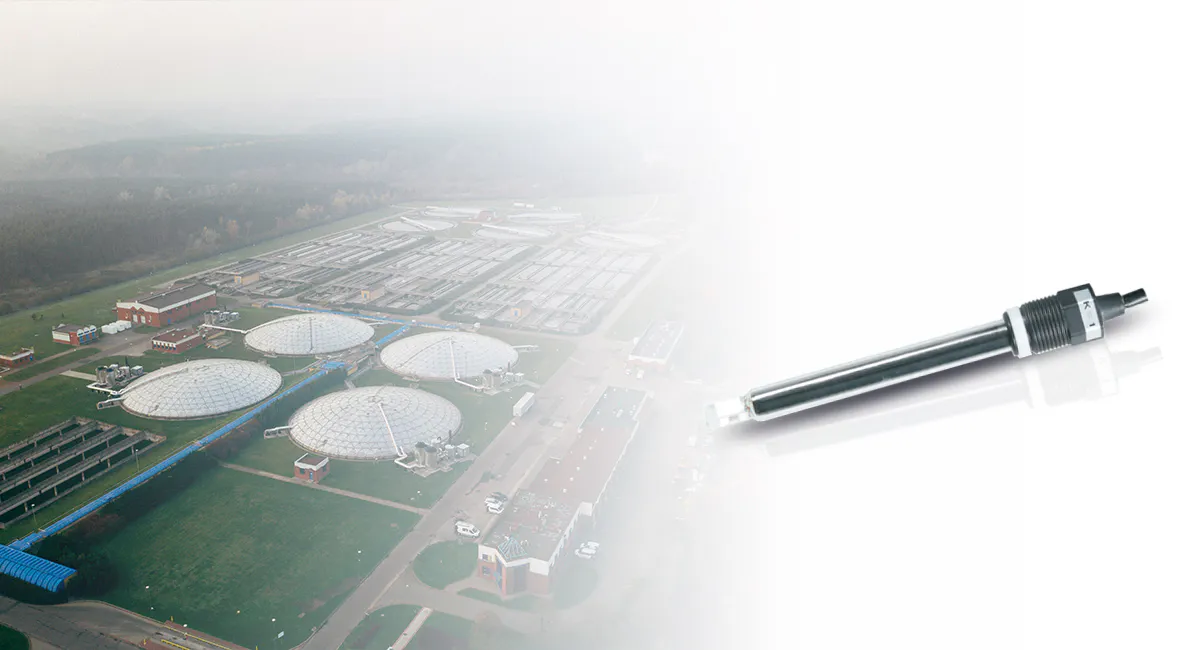
Sensor Konduktivitas dan TDS dalam Pemantauan Cairan Industri
Dari Nilai Indikator hingga Kecerdasan Proses
Konduktivitas dan Total Padatan Terlarut (TDS) adalah salah satu parameter yang paling sering diukur dalam sistem cairan industri.
Namun, dalam lingkungan proses modern, pengukuran ini tidak lagi diperlakukan sebagai indikator sederhana kualitas air.
Sebaliknya, sensor konduktivitas dan TDS semakin banyak digunakan sebagai alat intelijen proses-memberikan wawasan berkelanjutan tentang konsentrasi bahan kimia, keseimbangan sistem, dan efisiensi operasional di berbagai industri.
Artikel ini membahas pengukuran konduktivitas dan TDS dari sudut pandang kontrol proses dan pengambilan keputusan.aktif, daripada pengenalan dasar pada prinsip-prinsip sensor.
Mengapa Pengukuran Konduktivitas dan TDS Menjadi Sangat Penting dalam Proses
Dalam sistem industri, padatan terlarut secara langsung mempengaruhi:
-
Risiko kerak dan korosi
-
Efisiensi dosis bahan kimia
-
Konsistensi kualitas produk
-
Masa pakai peralatan dan siklus pemeliharaan
Ketika proses menjadi lebih otomatis dan efisiensi sumber daya menjadi prioritas, sensor konduktivitas dan TDS memungkinkan operator untuk mendeteksi perubahan sejak dini, daripada bereaksi setelah masalah muncul.
Konduktivitas vs TDS: Implikasi Operasional dalam Sistem Nyata
Dari sudut pandang kontrol, konduktivitas dan TDS mewakili perilaku sistem yang sama dalam bentuk yang berbeda.
Menyediakan konduktivitas:
-
Respons listrik secara langsung dan real-time
-
Sensitivitas tinggi terhadap perubahan konsentrasi ionik
-
Kesesuaian yang kuat untuk loop kontrol
TDS menyediakan:
-
Representasi berbasis massa dari padatan terlarut
-
Interpretasi yang lebih mudah bagi operator dan pelaporan
-
Perhitungan tidak langsung berdasarkan konduktivitas
Memahami bagaimana kedua nilai ini digunakan secara operasional lebih penting daripada cara menghitungnya.
Ketika Konduktivitas Menjadi Sinyal Kontrol
Dalam otomasi industri, konduktivitas sering dikaitkan langsung dengan tindakan kontrol seperti:
-
Kontrol blowdown pada boiler dan menara pendingin
-
Penyesuaian konsentrasi bahan kimia
-
Ambang batas kualitas penggunaan kembali air
Setelah data konduktivitas mendorong keputusan kontrol, stabilitas dan pengulangan pengukuran menjadi lebih penting daripada akurasi yang terisolasi.
📊 Bagan 1: Rentang Kontrol Konduktivitas dan TDS berdasarkan Aplikasi
Pernyataan Penilaian:
Aplikasi industri yang berbeda memerlukan konduktivitas dan rentang kontrol TDS serta karakteristik respons yang berbeda secara fundamental.
Data Bagan (untuk visualisasi):
| Area Aplikasi | Rentang Konduktivitas (µS/cm) | Perkiraan Kisaran TDS (mg/L) | Fokus Kontrol |
|---|---|---|---|
| Air umpan boiler | 0.1 - 30 | < 20 | Pencegahan penskalaan |
| Pembongkaran menara pendingin | 500 - 5000 | 300 - 3000 | Siklus kontrol konsentrasi |
| Air proses industri | 50 - 2000 | 30 - 1200 | Konsistensi proses |
| Penggunaan kembali air limbah | 500 - 8000 | 300 - 5000 | Manajemen beban garam |
| Desalinasi (perembesan RO) | 5 - 100 | 3 - 60 | Pemantauan kinerja membran |
Penjelasan:
Perbandingan ini menunjukkan, mengapa pemilihan sensor harus spesifik untuk setiap aplikasi. Sistem industri menekankan keandalan tren dan perilaku respons daripada rentang pengukuran universal tunggal.
Stabilitas Sinyal dalam Kondisi Proses yang Keras
Sensor konduktivitas dan TDS sering terpapar:
-
Suhu tinggi
-
Siklus pembersihan bahan kimia
-
Pergeseran konsentrasi yang cepat
-
Lingkungan pengotoran dan penskalaan
Jika output sensor melayang atau menjadi berisik, sistem otomatis dapat merespons dengan tidak tepat-yang menyebabkan blowdown berlebihan, limbah bahan kimia, atau kualitas produk yang tidak stabil.
Oleh karena itu, sensor kelas industri dirancang untuk mempertahankan kontak listrik yang stabil dan kompensasi suhu selama periode operasi yang panjang.
Bagan 2: Sumber Umum Penyimpangan Pengukuran Konduktivitas
Pernyataan Penilaian:
Sebagian besar penyimpangan pengukuran konduktivitas dan TDS disebabkan oleh kondisi proses, bukan oleh elektronik sensor.
Data Grafik:
| Sumber Penyimpangan | Efek Sinyal Khas | Konsekuensi Operasional |
|---|---|---|
| Pengotoran elektroda | Peningkatan membaca secara bertahap | TDS yang terlalu tinggi |
| Fluktuasi suhu | Pergeseran garis dasar | Tindakan kontrol yang salah |
| Masuknya udara | Kebisingan sinyal | Ketidakstabilan loop kontrol |
| Penskalaan pada elektroda | Sensitivitas berkurang | Respons yang tertunda terhadap konsentrasi |
| Konstanta sel salah | Kesalahan pengukuran sistematis | Inefisiensi proses jangka panjang |
Penjelasan:
Dengan mengenali pengaruh ini, para insinyur dapat fokus pada perilaku tren jangka panjang daripada bereaksi terhadap fluktuasi jangka pendek.
Sensor Konduktivitas Online vs Pengambilan Sampel Berkala
Analisis laboratorium tetap berguna untuk validasi, namun tidak dapat menggantikan sensor konduktivitas dan TDS online dalam sistem dinamis.
Menyediakan pengukuran online:
-
Visibilitas tren berkelanjutan
-
Respons langsung terhadap perubahan proses
-
Integrasi dengan sistem PLC dan DCS
Dalam kontrol proses, kontinuitas data sering kali lebih berharga daripada presisi sporadis.
Integrasi dengan Sistem Analisis Cairan Multi-Parameter
Sensor konduktivitas dan TDS semakin banyak digunakan sebagai bagian dari platform penganalisis cairan terintegrasi:
-
sensor pH dan ORP
-
Sensor kekeruhan
-
Sensor sisa klorin
Pendekatan multi-parameter ini memungkinkan:
-
Korelasi silang perubahan kualitas air
-
Logika alarm yang lebih cerdas
-
Mengurangi alarm palsu yang disebabkan oleh penyimpangan parameter tunggal
Memilih Sensor Konduktivitas dan TDS untuk Penggunaan Industri
Pengguna industri harus mengevaluasi sensor berdasarkan:
-
Stabilitas sinyal jangka panjang
-
Akurasi kompensasi suhu
-
Ketahanan terhadap pengotoran dan penskalaan
-
Frekuensi perawatan
-
Kompatibilitas dengan pemancar dan jaringan industri
Tujuannya bukan sekadar pengukuran-tetapi perilaku proses yang dapat diprediksi dan dikontrol.
Perspektif Akhir
Sensor konduktivitas dan TDS tidak lagi menjadi alat pemantauan pasif.
Mereka adalah instrumen inti dalam manajemen cairan industri, memungkinkan deteksi dini, kontrol yang efisien, dan stabilitas sistem jangka panjang.
Dalam lingkungan industri modern, pengukuran konduktivitas yang andal bukan hanya tentang angka-angka-ini tentang kepercayaan diri dalam setiap keputusan pengendalian.