







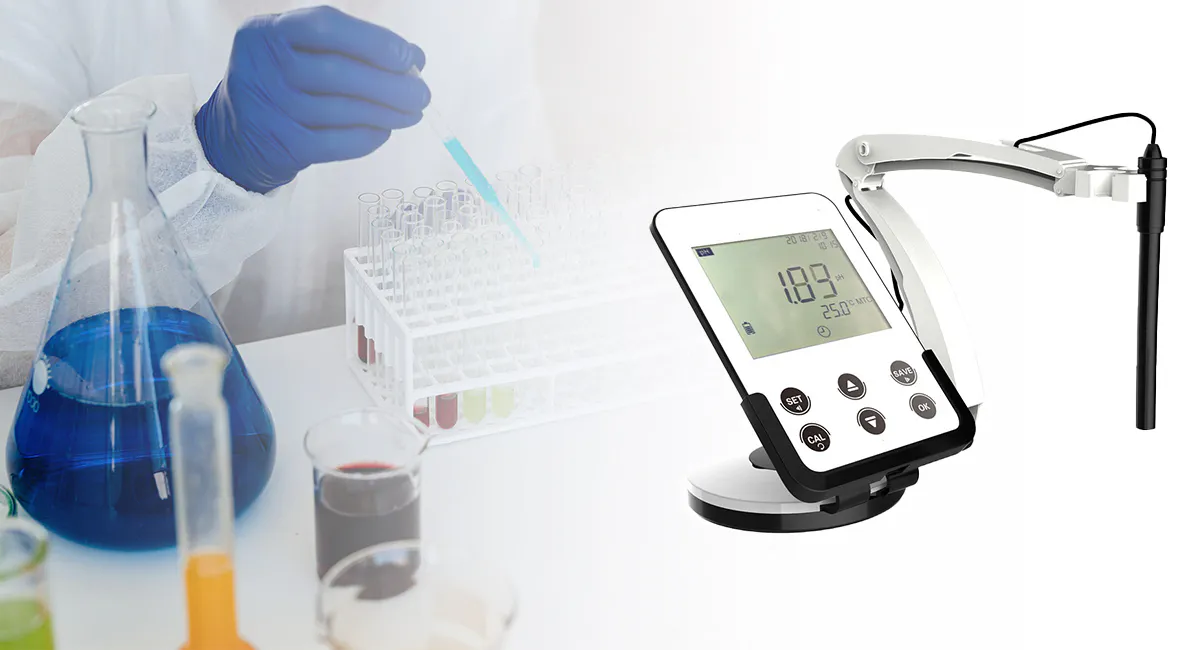
Turbidity Meter in Liquid Analysis Solutions: Compliance, Filtration Efficiency, and Risk Control
In modern liquid analysis solutions, turbidity measurement is one of the most critical indicators of water quality and system performance. Unlike parameters such as pH or conductivity, turbidity directly reflects the presence of suspended particles, making it essential for regulatory compliance and filtration efficiency monitoring.
A turbidity meter in liquid analysis solutions is not just used for measurement—it acts as a real-time indicator of process performance, contamination risk, and regulatory compliance.
From municipal water treatment plants to industrial filtration systems and food production lines, accurate turbidity monitoring is essential for maintaining both operational efficiency and product quality.
Why Turbidity Is a Regulatory Parameter
Water quality regulations across different regions define strict turbidity limits for drinking water and discharge systems.
Turbidity control is directly linked to regulatory compliance and operational risk.
Regulatory Turbidity Limits by Region
| Region / Standard | Maximum Turbidity (NTU) | Application | Compliance Risk Level |
|---|---|---|---|
| US (EPA) | 0.3 NTU | Drinking water | High |
| EU (Drinking Water Dir.) | 1.0 NTU | Drinking water | Medium |
| WHO Guidelines | 1.0 NTU | Global reference | Medium |
| Industrial discharge | 5–50 NTU | Wastewater | Variable |
Even small deviations above regulatory thresholds can result in compliance violations, fines, or shutdowns. Continuous turbidity monitoring ensures that filtration systems operate within acceptable limits.
Turbidity as a Filtration Performance Indicator
Turbidity is one of the most reliable indicators of filtration efficiency.
Changes in turbidity provide immediate feedback on filtration system performance.
Turbidity vs Filtration Efficiency
| Turbidity Level (NTU) | Filtration Condition | System Performance (%) | Risk Level |
|---|---|---|---|
| <0.1 | Excellent filtration | 95–100% | Very low |
| 0.1–0.3 | Optimal operation | 90–95% | Low |
| 0.3–1.0 | Acceptable | 75–90% | Medium |
| >1.0 | Poor filtration | <75% | High |
Rising turbidity levels often indicate filter breakthrough, membrane damage, or process instability. Early detection allows operators to take corrective action before system failure occurs.
Sensor Technology Selection: Accuracy vs Maintenance
Selecting the right turbidity meter in liquid analysis solutions requires understanding sensor technology and operational conditions.
Sensor design directly affects measurement accuracy, maintenance frequency, and long-term reliability.
Turbidity Sensor Technology Comparison
| Sensor Type | Rentang Pengukuran | Maintenance Frequency | Typical Application |
|---|---|---|---|
| Nephelometric (ISO) | 0-1000 NTU | Medium | Drinking water monitoring |
| Optical (IR) | 0–4000 NTU | Low | Industrial water |
| Laser-based | High precision | Low | Ultra-low turbidity systems |
Nephelometric sensors are widely used for compliance monitoring, while optical and laser-based sensors provide higher durability and lower maintenance in industrial environments.
Turbidity Monitoring in Different Industries
Turbidity requirements vary significantly depending on industry and application.
Industry-specific turbidity thresholds determine monitoring strategy and equipment selection.
Industry Applications of Turbidity Measurement
| Industry | Typical Turbidity Range | Key Objective | Risk if Uncontrolled |
|---|---|---|---|
| Drinking Water | <0.3 NTU | Regulatory compliance | Health risk |
| Wastewater Treatment | 5–50 NTU | Process control | Environmental penalties |
| Makanan & Minuman | <1 NTU | Product clarity | Quality issues |
| Pharmaceutical | <0.5 NTU | Purity assurance | Batch rejection |
Each industry requires a different turbidity control strategy. For example, drinking water systems prioritize ultra-low turbidity, while wastewater systems focus on trend monitoring and process optimization.
Real-Time Monitoring and Process Control
Modern liquid analysis solutions rely on real-time turbidity data to improve operational efficiency.
Real-time turbidity monitoring significantly reduces operational risk and improves system response.
Impact of Real-Time Monitoring
| Monitoring Type | Waktu Tanggapan | Risk Reduction (%) | Process Stability (%) |
|---|---|---|---|
| Manual sampling | Hours | 20–40% | 60–70% |
| Online monitoring | 5–15 s | 60–80% | 75–90% |
| Integrated system | 1–5 s | 80–95% | 90–98% |
Real-time turbidity monitoring enables immediate detection of process deviations, allowing operators to respond quickly and maintain stable system performance.
Customization and Industrial Reliability
Standard turbidity meters may not meet the needs of complex industrial systems, especially in harsh environments or highly regulated applications.
Instrava is a partner focused on providing equipment, solutions, and services for industrial measurement and control instruments used in safety-critical and process control applications. Through collaboration with global customers and OEM partners, Instrava provides customized turbidity meter solutions within liquid analysis solutions, ensuring reliable performance, optimized sensor configurations, and consistent quality control.
Customization options include:
Low-range turbidity sensors for compliance monitoring
High-range sensors for industrial applications
Anti-fouling designs
Integration with PLC/SCADA systems
OEM/ODM production support
Kesimpulan
A turbidity meter in liquid analysis solutions is a critical tool for ensuring regulatory compliance, optimizing filtration performance, and reducing operational risk.
By selecting the right turbidity monitoring solution and integrating it into real-time control systems, industries can achieve improved water quality, stable operations, and long-term cost efficiency.