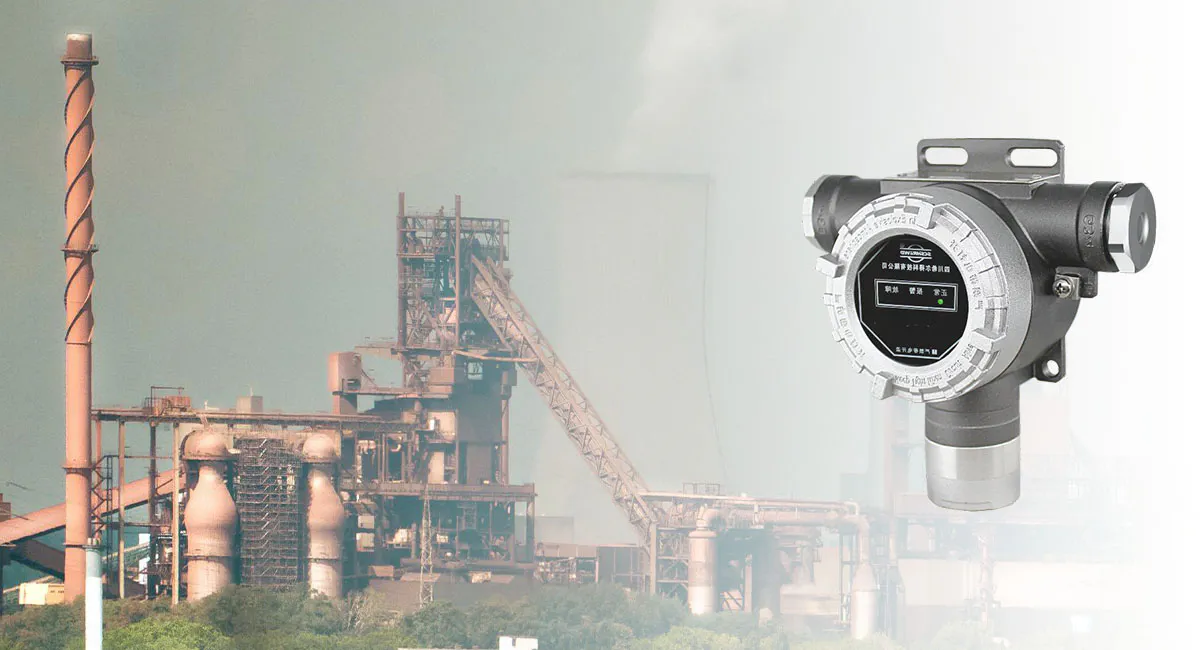
Стационарные газовые детекторы являются краеугольным камнем промышленной безопасности, обеспечивая непрерывный мониторинг опасных газов в таких средах, как нефтегазовые объекты, химические заводы, хранилища СПГ/СПГ и места очистки воды/сточных вод. В отличие от переносных газовых детекторов, которые следуют за персоналом, стационарные системы обеспечивают круглосуточное наблюдение за всей территорией и могут интегрироваться с системами сигнализации, вентиляции и управления технологическими процессами.
Что такое стационарные газовые детекторы?
- Постоянно устанавливаются в известных опасных местах
- Непрерывный мониторинг на наличие токсичных, воспламеняющихся или кислороднодефицитных газов
- Запуск звуковых, визуальных или цифровых сигналов тревоги при превышении пороговых значений
- Служат важнейшим уровнем защиты в сочетании с портативными детекторами
Основные промышленные применения
| Промышленность |
Типичное использование стационарных извещателей |
Тип датчика |
| Нефть и газ |
Технологические установки, резервуары для хранения, трубопроводы |
LEL, O₂, H₂S |
| Хранение СПГ / СУГ |
Резервуарные парки, погрузочные площадки |
LEL, углеводород |
| Химические заводы |
Реакторные помещения, клапаны, вентиляционные отверстия |
Токсичный газ |
| Водоснабжение и водоотведение |
Отстойники, шламовые площадки |
H₂S, O₂ |
Эти детекторы устанавливаются в стратегически важных местах, где наиболее вероятны выбросы газа, что обеспечивает раннее обнаружение до того, как персонал подвергнется опасности.
Преимущества стационарного обнаружения газа
- Непрерывный мониторинг: Круглосуточное наблюдение за критически важными зонами
- Раннее предупреждение: Обнаружение опасных условий до воздействия на персонал
- Системная интеграция: Могут срабатывать сигнализация, вентиляция и аварийные отключения
- Снижение зависимости от персонала: Обеспечивает постоянный уровень безопасности помимо личной бдительности
Установка и техника безопасности
- Расположите датчики в предполагаемых местах утечки и вдоль путей воздушного потока
- Избегайте мертвых зон, где газы могут скапливаться незамеченными
- Убедитесь, что сигналы тревоги видны и слышны во всех занимаемых помещениях
- Интеграция детекторов с системами управления технологическими процессами и аварийного реагирования
Техническое обслуживание, калибровка и испытания
Для обеспечения надежности необходимо регулярное техническое обслуживание:
| Задача по обслуживанию |
Рекомендуемая частота |
| Испытание на удары |
Перед использованием / еженедельно |
| Калибровка |
Каждые 6-12 месяцев |
| Замена датчика |
В соответствии с рекомендациями производителя |
Калибровка обеспечивает точность показаний газа, а испытания на неровность проверяют работоспособность сигнализации. Плановое техническое обслуживание предотвращает смещение датчика и выход системы из строя.
Передовой опыт в области промышленной безопасности
- При входе в замкнутое пространство используйте переносные детекторы наряду со стационарными детекторами
- Обучение персонала интерпретации сигналов тревоги и реагированию на чрезвычайные ситуации
- Документируйте все события, связанные с техническим обслуживанием, калибровкой и аварийными сигналами
- Проводите периодические аудиты безопасности для проверки работоспособности детектора
Заключение
Стационарные газовые детекторы необходимы для обеспечения промышленной безопасности, обеспечивая непрерывный и надежный контроль в условиях повышенного риска. В сочетании с портативными детекторами и надлежащими процедурами безопасности они образуют комплексную стратегию обнаружения газов, которая обеспечивает защиту персонала, соблюдение нормативных требований и минимизацию операционных рисков.