
-
По ссылке Instrava
-
01/10/2026
- 0 Комментарий
Типы магнитных уровнемеров для промышленного применения | Руководство по проектированию
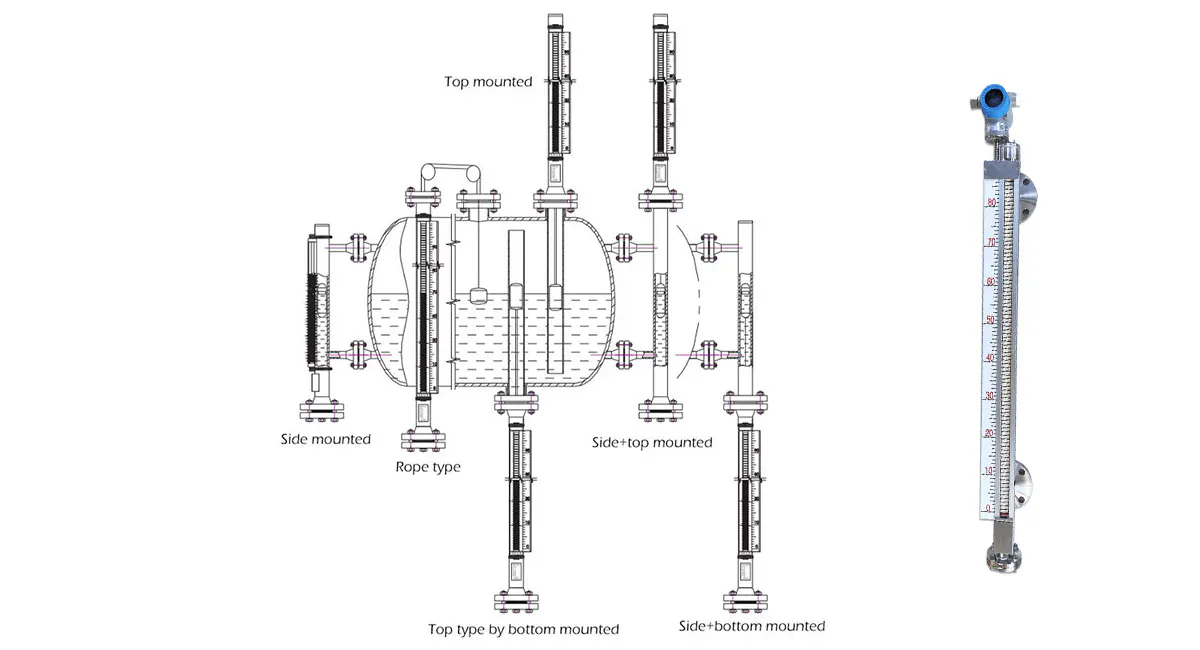
Технология магнитных уровнемеров часто рассматривается как единая категория, однако в реальной промышленной практике магнитные уровнемеры выпускаются в нескольких конфигурациях, каждая из которых оптимизирована для конкретных условий процесса, ограничений по установке и требований безопасности.
Понимание различных типов магнитных уровнемеров необходимо инженерам, отвечающим за индикацию уровня жидкости в нефтегазовой отрасли, хранилищах СПГ/СПГ, химической промышленности и других сложных средах. Выбор неправильной конфигурации может привести к снижению точности, механическим нагрузкам или проблемам с надежностью в долгосрочной перспективе.
В этой статье приводится структурированный обзор основных типов магнитных уровнемеров, используемых в промышленности, и объясняется, как каждый тип поддерживает различные сценарии применения.
Стандартный магнитный уровнемер с боковым креплением
Наиболее распространенной конфигурацией является магнитный уровнемер с боковым креплением. Он устанавливается снаружи на емкость с помощью верхнего и нижнего технологических соединений, позволяя камере отражать уровень жидкости в резервуаре.
Типовые характеристики
-
Внешняя перепускная камера
-
Подходит для средних и больших судов
-
Непрерывная визуальная индикация уровня
-
Простой осмотр и обслуживание
Общие применения
-
Сепараторы для нефти и газа
-
Резервуары для хранения химикатов
-
Коммунальные системы водоснабжения
Этот тип широко используется, поскольку обеспечивает хороший баланс между механической простотой и стабильностью измерений.
Магнитный уровнемер с верхним креплением
Магнитные уровнемеры с верхним креплением устанавливаются на верхнем патрубке емкости, при этом поплавок подвешивается внутри камеры или направляющей трубы.
Когда предпочтительны конструкции с верхним монтажом
-
Ограниченное количество боковых насадок
-
Вертикальные сосуды высокого давления
-
Применение с внутренними препятствиями
Поскольку доступ к установке отличается от боковых конструкций, необходимо уделить особое внимание направлению поплавка и вертикальному выравниванию.
Магнитный уровнемер высокого давления
Для работы под высоким давлением в магнитных уровнемерах используются усиленные камеры, фланцы, рассчитанные на давление, и высокопрочные материалы.
Типичные условия давления
-
Хранилища СПГ и сжиженного газа
-
Сосуды для разделения газа и жидкости
-
Резервуары для углеводородов под давлением
Магнитные уровнемеры высокого давления часто выбирают в качестве механического эталона в системах, где электронные приборы могут быть подвержены нестабильности сигнала.
Криогенный магнитный уровнемер
Криогенные магнитные уровнемеры разработаны специально для применения при экстремально низких температурах, например, для хранения сжиженного природного газа или жидкого азота.
Ключевые особенности конструкции
-
Криогенно-совместимые материалы
-
Выбор специального поплавкового магнита
-
Тепловая изоляция между процессом и индикатором
При криогенных температурах для обеспечения надежной индикации необходимо тщательно учитывать магнитную стабильность и сжатие материала.
Магнитный уровнемер с дистанционным выходом сигнала
Хотя магнитные уровнемеры по своей сути являются механическими, многие промышленные установки требуют дистанционных сигналов уровня для систем управления или платформ мониторинга.
Эта конфигурация объединяет:
-
Цепочки герконовых переключателей
-
Магнитострикционные датчики
-
Выходы аналоговых или цифровых сигналов
В таких системах магнитный уровнемер обеспечивает локальное визуальное подтверждение, а дистанционный сигнал поддерживает функции автоматизации и сигнализации.
Instrava поддерживает измерительные архитектуры, в которых механическая индикация и удаленный мониторинг сосуществуют, обеспечивая как эксплуатационную наглядность, так и системную интеграцию.
Магнитный уровнемер для коррозионных или опасных сред
Для коррозионных или токсичных жидкостей магнитные уровнемеры изготавливаются из специальных материалов, таких как сплавы нержавеющей стали или футерованные камеры.
Ключевые соображения
-
Совместимость материалов с технологическими средами
-
Целостность уплотнения при циклическом изменении температуры
-
Долгосрочная коррозионная стойкость
В опасных средах часто выбирают магнитные уровнемеры, чтобы свести к минимуму прямое воздействие рабочей жидкости на оператора.
Сравнение типов магнитных уровнемеров
| Тип манометра | Типовое применение | Ключевое преимущество |
|---|---|---|
| Боковое крепление | Резервуары для хранения | Простая установка |
| Верхний монтаж | Вертикальные сосуды | Боковые насадки не требуются |
| Высокое давление | Системы LPG/LNG | Механическая прочность |
| Криогенные | Резервуары СПГ | Стабильность при низких температурах |
| С дистанционным выходом | Автоматизированные заводы | Местная + дистанционная индикация |
| Устойчивый к коррозии | Химическая обработка | Совместимость с носителями |
Проблемы выбора для разных типов
Несмотря на надежность магнитных уровнемеров, ошибки при выборе все же случаются. К числу распространенных проблем относятся:
-
Неправильная конструкция поплавка с учетом плотности жидкости
-
Недооценка влияния температуры на характеристики магнита
-
Выбор неподходящих материалов для камеры
-
Игнорирование ограничений, связанных с ориентацией установки
Учет этих факторов на ранней стадии проектирования позволяет обеспечить надежную долгосрочную эксплуатацию.
Почему несколько типов магнитных уровнемеров по-прежнему актуальны
Современные промышленные установки редко полагаются на одну технологию измерения. Различные типы магнитных уровнемеров позволяют инженерам адаптировать один и тот же основной принцип к широкому спектру условий без ущерба для надежности.
Вместо того чтобы конкурировать с электронными приборами, магнитные уровнемеры часто служат в качестве:
-
Независимые визуальные ссылки
-
Избыточные индикаторы безопасности
-
Стабильные бенчмарки во время сбоев в системе
Компания Instrava подходит к измерению уровня, уделяя особое внимание условиям процесса, долгосрочной надежности и сотрудничеству с инженерами, гарантируя, что выбранный тип магнитного уровнемера будет соответствовать реальным производственным потребностям.
Заключение
Технология магнитных уровнемеров не является универсальной. Конструкции с боковым, верхним, высоким давлением, криогенным и интегрированным сигналом позволяют решать конкретные промышленные задачи.
Понимая различные типы магнитных уровнемеров и их предназначение, инженеры могут повысить безопасность, снизить риск технического обслуживания и обеспечить стабильную индикацию уровня в широком диапазоне промышленных процессов.