







- По ссылке Instrava
- 01/15/2026
- 0 Комментарий
Что такое ротаметр? Практическое руководство по измерению расхода с переменной площадью
A rotameter is one of the most widely used instruments for visual flow measurement in industrial processes. Despite the rapid development of digital and electronic flow technologies, it remains relevant due to its simplicity, reliability, and direct readability.
In many industrial applications, engineers and operators still rely on a rotameter for fast flow indication, stable performance, and low maintenance requirements. Understanding what it is—and why it continues to be used—requires looking beyond basic definitions and focusing on how it fits real process needs.
Understanding the Rotameter Concept
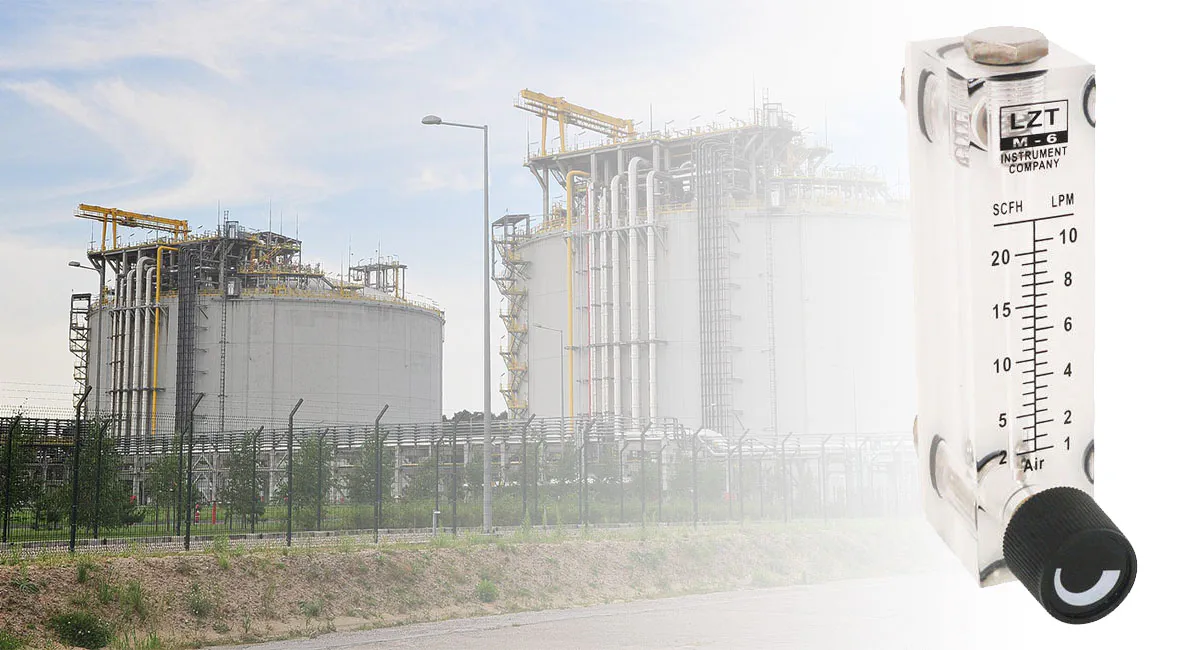
A ротаметр is a type of variable area flow meter designed to measure the flow rate of liquids or gases by allowing a float to move freely within a tapered tube. As flow increases, the float rises to a position where the upward force from the fluid balances gravity.
This simple but effective principle makes it is reliable choice for many flow measurement tasks where electronic instrumentation may be unnecessary or impractical.
The term rotameter flow meter is commonly used to describe this category, distinguishing it from other flow technologies such as differential pressure or mass flow meters.
Rotameter and Flow Meter: How They Are Related
When discussing flow instrumentation, the phrase rotameter and flow meter often appears together. This is because it is a specific type of flow meter, categorized under variable area flow meters.
Unlike inline digital flow meters that require power supply and signal processing, a flow rotameters provides a direct visual indication of flow rate. This makes it especially useful in applications where simplicity and immediate feedback are priorities.
Why Rotameter Flow Measurement Is Still Widely Used
Rotameter flow measurement remains popular for several reasons:
No external power required
Simple mechanical design
Immediate visual flow indication
Low pressure drop
Easy installation and operation
In many auxiliary systems, sampling lines, and utility processes, it indicator provides sufficient accuracy without the complexity of advanced instrumentation.
Variable Area Rotameter: A Core Classification
A variable area rotameter refers to the operating principle where the flow area changes as the float moves. This design allows the instrument to self-adjust to different flow rates.
The variable area rotameter concept explains why these instruments are tolerant of flow fluctuations and are easy to scale for different operating ranges. This is also why the term rotameter variable area flow meter is frequently used in technical documentation and procurement specifications.
Liquid Rotameter Applications
A liquid rotameter is commonly used in water treatment, chemical dosing, cooling circuits, and laboratory processes. Liquids with relatively stable viscosity and clean conditions are ideal for this type of measurement.
In these applications, it provides consistent flow indication without requiring recalibration or frequent maintenance. Engineers often select rotameters flow meters for secondary measurement points where trend visibility is more important than high-precision data logging.
Gas Rotameter in Industrial Systems
A gas rotameter is specifically calibrated for gases such as air, nitrogen, oxygen, or process gases. Because gas density and pressure significantly influence measurement, gas rotameters are typically designed for defined operating conditions.
Gas rotameter flow measurement is widely used in:
Gas distribution panels
Analyzer systems
Purge and blanketing lines
Pilot plant installations
The simplicity of a gas rotameter makes it suitable for environments where electronic sensors may be sensitive to contamination or temperature variation.
Glass Tube Rotameter and Glass Rotameter Designs
A glass tube rotameter, also known as a glass rotameter, features a transparent tapered tube that allows direct observation of the float position. This design offers clear visibility and straightforward scale reading.
Glass tube rotameter designs are commonly used in:
Лаборатории
Low-pressure systems
Clean process media
While glass rotameter instruments are visually intuitive, they are typically selected for applications where mechanical protection and high-pressure resistance are not critical concerns.
Rotameter Flow Indicator vs Measurement Device
In many systems, a rotameter is used primarily as a rotameter flow indicator rather than a high-accuracy measurement device. This distinction is important for correct application selection.
As a flow indicator, It provides confirmation that flow is present and within an acceptable range. For control loops or custody transfer, more advanced flow technologies may be required.
Rotameter Calibration and Accuracy Considerations
Rotameter calibration is typically performed under specific fluid conditions, including density, viscosity, pressure, and temperature. Because of this, a rotameter is most accurate when operating under the conditions for which it was calibrated.
Key calibration considerations include:
Fluid type (liquid or gas)
Operating pressure and temperature
Density and viscosity changes
Understanding rotameter calibration requirements helps prevent misinterpretation of readings, especially in gas rotameter applications.
Rotameters Flow Meters in Industrial Procurement
From a procurement perspective, rotameters flow meters are valued for their cost-effectiveness and ease of deployment. They are often specified as auxiliary instruments rather than primary control devices.
In industrial projects, rotameters are frequently selected for:
Commissioning verification
Visual flow confirmation
Backup flow indication
This explains why rotameter flow meter specifications remain common in engineering drawings and BOM lists.
When a Rotameter Is the Right Choice
It is particularly suitable when:
Visual flow indication is required
Process conditions are stable
Power supply is unavailable or undesirable
Installation simplicity is important
In such cases, a variable area rotameter offers a practical balance between performance and simplicity.
Limitations to Consider
Despite its advantages, it is not suitable for all applications. Limitations may include:
Sensitivity to fluid property changes
Lower accuracy compared to electronic flow meters
Orientation requirements (vertical installation)
Understanding these limitations ensures that rotameter flow measurement is applied appropriately.
Заключение
A rotameter remains a practical and reliable instrument for variable area измерение расхода across a wide range of industries. Whether used as a liquid rotameter, gas rotameter, or glass tube rotameter, its value lies in simplicity, visibility, and dependable performance.
In an era of increasingly complex instrumentation, it continues to serve as a reminder that effective flow measurement does not always require advanced electronics—only a well-matched solution for the application.