
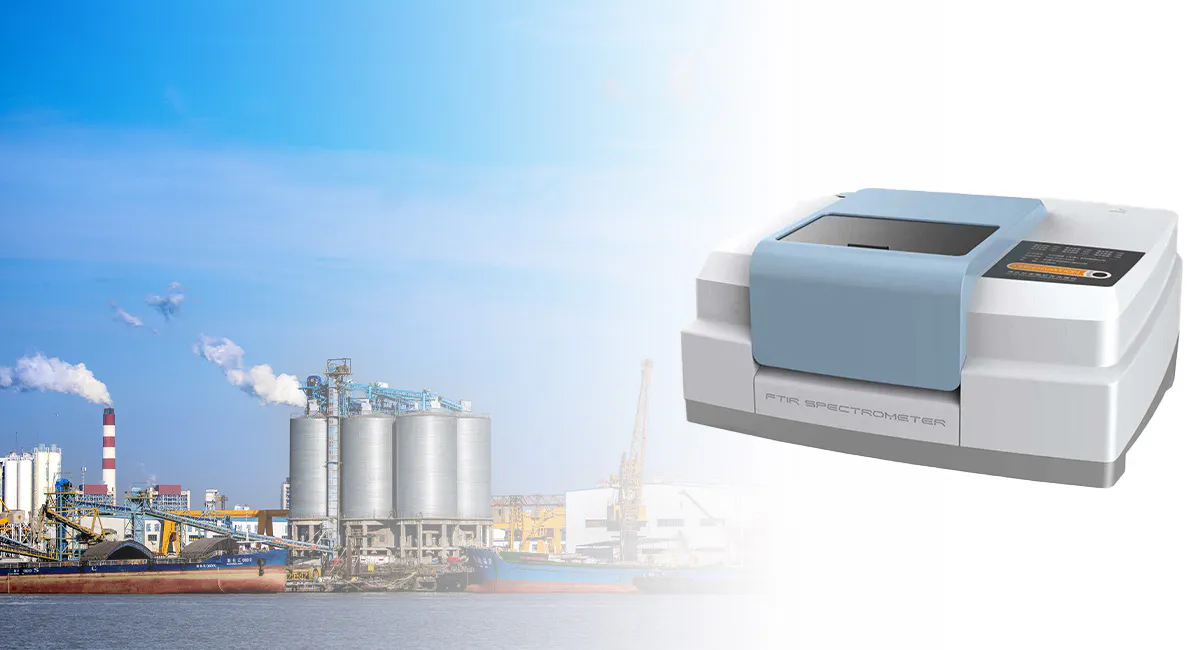
NDIR vs TDLAS vs UV Gas Analysis: Which Optical Technology Fits Your Process
Industrial gas monitoring is no longer just about detecting gas presence—it is about achieving stable, accurate, and continuous measurement under real operating conditions. As industries move toward automation and compliance-driven processes, selecting the right technology becomes a critical decision.
optical gas analysis solutions offer multiple technology paths, with NDIR, TDLAS, and UV gas analyzers being the most widely used. Each technology performs differently depending on gas type, environmental conditions, and process requirements.
Choosing the wrong technology often leads to unnecessary maintenance costs, measurement instability, or even process inefficiencies.
Understanding the Technology Landscape from an Application Perspective
Different optical technologies are not competitors in all scenarios—they are optimized for specific operating conditions.
| Technology | Best for Gas Types | Measurement Range | Accuracy | Typical Use Cases |
|---|---|---|---|---|
| NDIR | CO₂, CO, CH₄ | ppm to % | ±1–2% | HVAC, combustion monitoring |
| TDLAS | O₂, NH₃, H₂O, CO | ppm to high concentration | ±0.5–1% | Power plants, process control |
| UV | SO₂, NOx, H₂S | ppb to ppm | ±1–2% | Emission monitoring, chemical plants |
Each technology aligns with specific gas properties and measurement ranges, making application-based selection more important than general performance comparisons.
optical gas analysis solutions rely on matching the correct optical method to the target gas and process conditions rather than selecting a single “best” technology.
Performance Comparison in Real Industrial Environments
Measurement performance varies significantly when exposed to real-world industrial conditions such as temperature fluctuations, dust, and moisture.
| Condition | NDIR Performance | TDLAS Performance | UV Performance |
|---|---|---|---|
| High Dust Environment | Medium | High | Medium |
| High Humidity (>90%) | Medium | High | Medium |
| High Temperature (>80°C) | Medium | Very High | Medium |
| Corrosive Gas Exposure | Medium | High | High |
| Long-Term Stability | Medium | Very High | High |
Performance differences become more pronounced in harsh environments where measurement stability is critical.
TDLAS technology typically delivers superior stability and reliability in extreme conditions, while NDIR remains suitable for standard applications and UV excels in detecting specific reactive gases.
Maintenance and Operational Cost Comparison
Operational efficiency is strongly influenced by maintenance frequency, calibration needs, and component lifespan.
| Factor | NDIR | TDLAS | UV |
|---|---|---|---|
| Calibration Frequency | 3–6 months | 6–12 months | 6–12 months |
| Maintenance Level | Medium | Low | Medium |
| Sensor Drift | Medium | Very Low | Low |
| Component Lifespan | 3–5 years | 5–10 years | 4–6 years |
| Downtime Risk | Medium | Low | Medium |
Long-term operational cost is often underestimated when selecting gas analyzers based only on initial investment.
optical gas analysis solutions using TDLAS technology typically reduce maintenance requirements and downtime, making them more cost-effective over time despite higher initial costs.
Application-Based Technology Selection
Selecting the right technology depends heavily on the industry and application environment.
Power Plants
| Requirement | Recommended Technology |
|---|---|
| High-temperature flue gas | TDLAS |
| Continuous emission monitoring | UV + NDIR |
| Oxygen measurement | TDLAS |
Power generation environments demand high stability under extreme conditions, making TDLAS the preferred choice for critical measurements.
Oil & Gas
| Requirement | Recommended Technology |
|---|---|
| Hydrocarbon monitoring | NDIR |
| Harsh upstream conditions | TDLAS |
| Sulfur compounds detection | UV |
Oil & gas operations benefit from combining multiple technologies depending on gas composition and environmental exposure.
Chemical Processing
| Requirement | Recommended Technology |
|---|---|
| Reactive gas detection | UV |
| Process gas monitoring | TDLAS |
| General gas measurement | NDIR |
Chemical plants often require flexible solutions, where multiple optical technologies are integrated into one system.
Accuracy vs Flexibility Trade-Off
Technology selection is not only about accuracy—it is about balancing flexibility, cost, and operational requirements.
| Factor | NDIR | TDLAS | UV |
|---|---|---|---|
| Accuracy | High | Very High | High |
| Flexibility | High | Medium | Medium |
| Cost | Low | High | Medium |
| Application Range | Wide | Specialized | Specific gases |
Higher accuracy often comes with higher cost and more specialized application requirements.
optical gas analysis solutions must be selected based on total operational value rather than just performance metrics.
Integration with Industrial Systems
Modern gas monitoring systems must integrate seamlessly into automation environments.
| Capability | NDIR | TDLAS | UV |
|---|---|---|---|
| SCADA Integration | Yes | Yes | Yes |
| Real-Time Monitoring | Yes | Yes | Yes |
| Remote Diagnostics | Limited | Advanced | Medium |
| Predictive Maintenance | Limited | Strong | Medium |
Advanced integration capabilities improve process visibility and enable predictive maintenance strategies.
TDLAS-based optical gas analysis solutions often provide more advanced diagnostics and system integration features, supporting modern industrial automation.
When to Use Each Technology
-
Choose NDIR when cost-effective, general-purpose gas monitoring is required
-
Choose TDLAS when stability, accuracy, and harsh environment performance are critical
-
Choose UV when detecting reactive gases such as NOx or SO₂ at low concentrations
Selecting the right solution often involves combining multiple technologies to achieve comprehensive gas monitoring coverage.
Conclusion
NDIR, TDLAS, and UV technologies each play a critical role in modern industrial gas monitoring. There is no single “best” solution—only the right solution for a specific process.
optical gas analysis solutions enable industries to match technology with application requirements, ensuring accurate measurement, reduced maintenance, and long-term operational efficiency.
Instrava is a partner focused on providing equipment, solutions, and services for industrial measurement and control instruments used in safety-critical and process control applications. We deliver customized optical gas analysis solutions tailored to different industries, helping customers improve efficiency, reduce costs, and achieve reliable long-term performance.