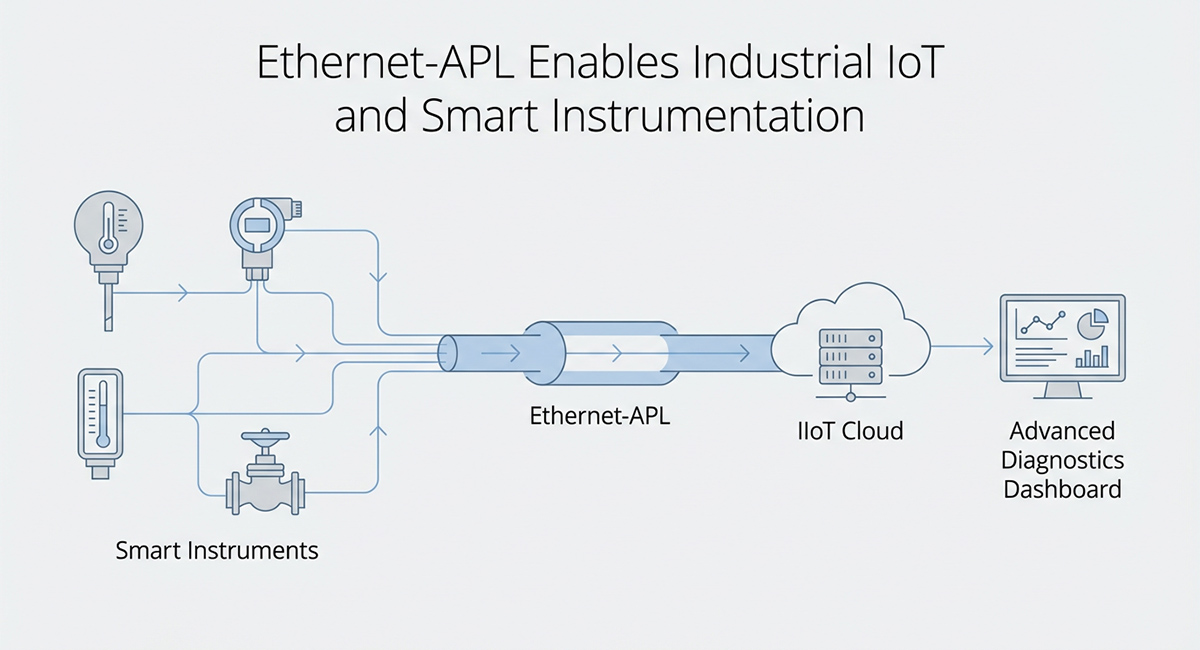
كيف تمكّن Ethernet-APL إنترنت الأشياء الصناعية والأجهزة الذكية
تتطور الأنظمة الصناعية بسرعة من بيئات تحكم معزولة إلى أنظمة بيئية متصلة بالكامل تعتمد على البيانات. وفي قلب هذا التحول...

الصفحة الرئيسية » المنتجات » أجهزة الإرسال » جهاز إرسال المستوى العائم لقياس موثوق به لمستوى السائل

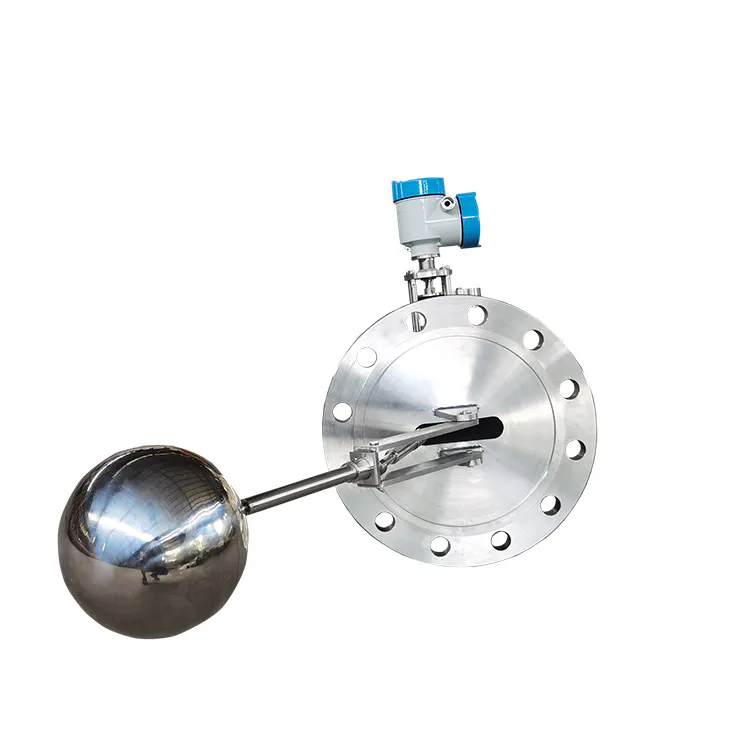
The float level transmitter is a reliable and accurate level measurement instrument designed for continuous liquid level monitoring in industrial tanks, vessels, and process systems. By detecting liquid level changes through the movement of a float, the float level transmitter converts the mechanical displacement into a stable electrical output signal for process control and monitoring.
Float level transmitters are widely used due to their simple structure, stable performance, and adaptability to various liquids. With different material options and output signals, the float level transmitter is suitable for industrial applications requiring dependable level measurement under demanding operating conditions.
وصف أجهزة الإرسال والاستشعار
Main Features of Float Level Transmitter
Stable and accurate liquid level measurement
Simple mechanical structure with high reliability
Suitable for various liquids and process media
Multiple output signal options (analog or digital)
Wide operating temperature and pressure range
سهولة التركيب والصيانة
Customizable probe length and mounting options
Long service life with minimal maintenance
These features make the float level transmitter an ideal choice for continuous level monitoring in industrial environments.


Typical Applications of Float Level Transmitters
Float level transmitters are commonly used in:
صهاريج التخزين الصناعية
Chemical processing systems
محطات معالجة المياه ومياه الصرف الصحي
صهاريج تخزين النفط والوقود
Power generation facilities
Process control systems
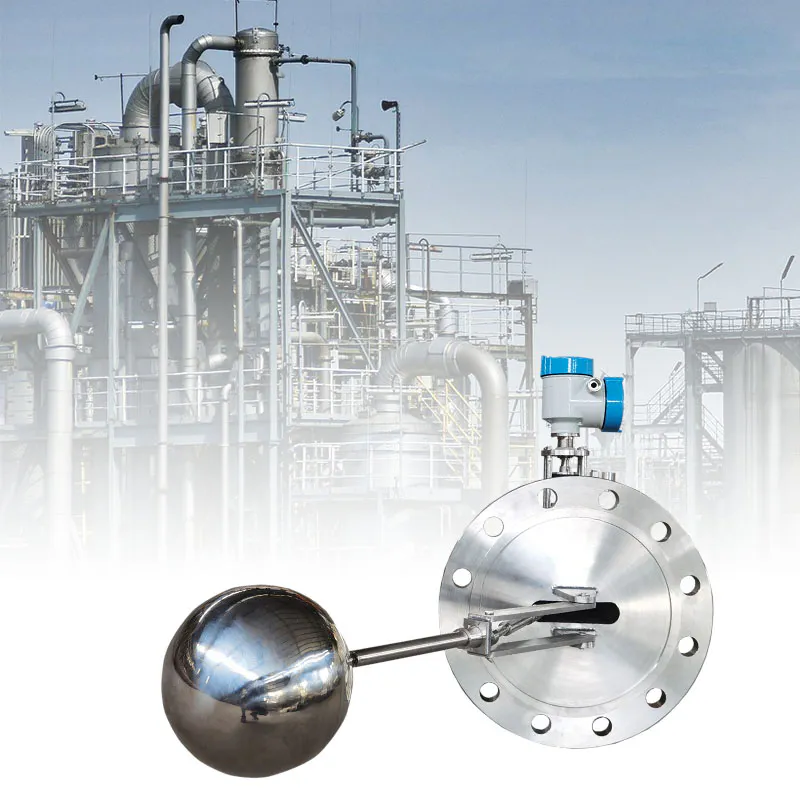
The robust design of float level transmitters ensures reliable operation in both indoor and outdoor industrial applications.
Working Principle of Float Level Transmitter
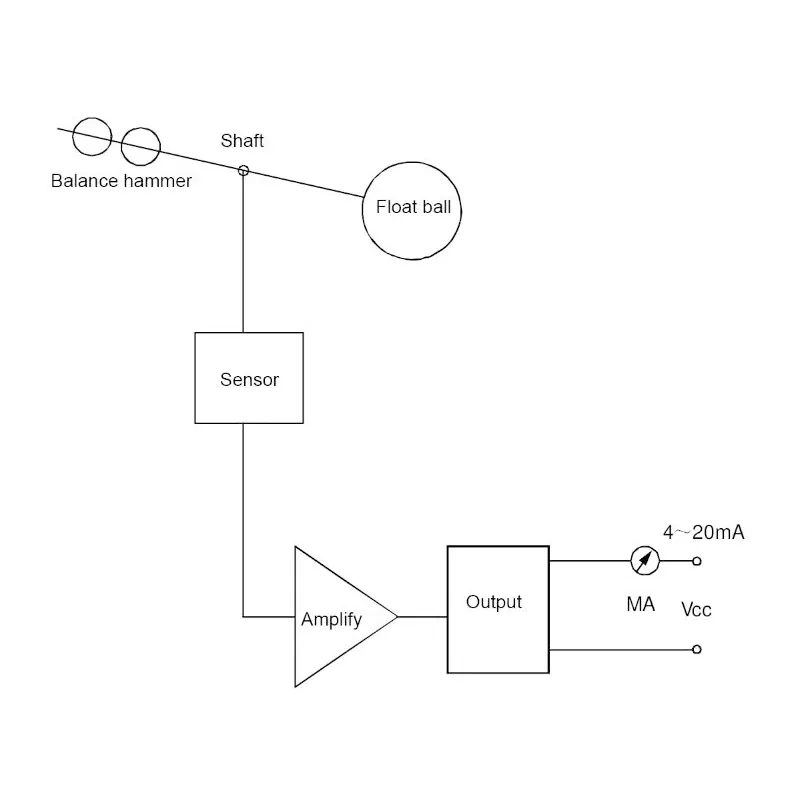
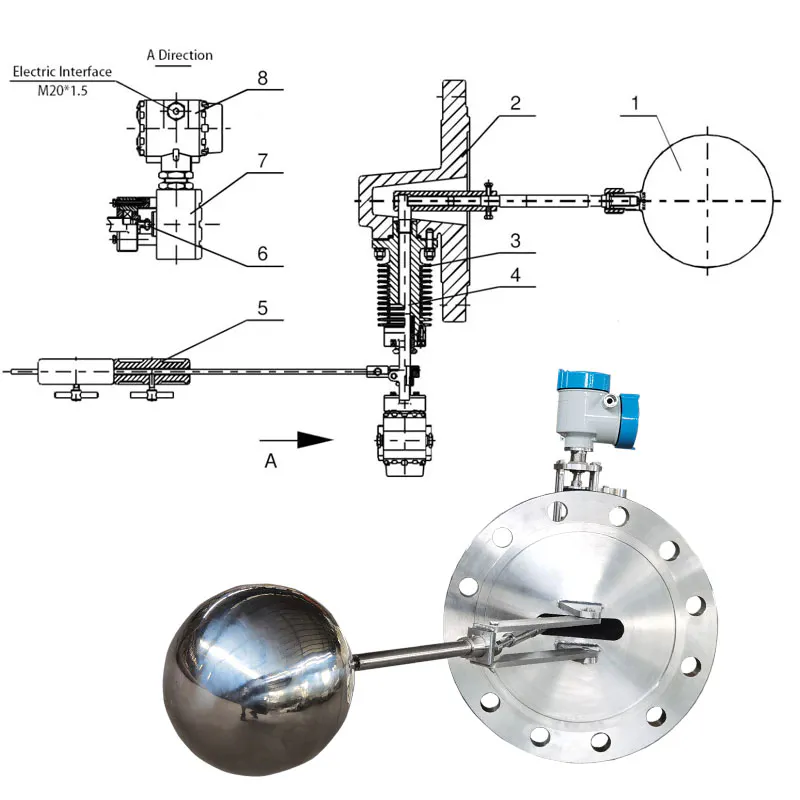
The float level transmitter consists of two main parts: the level measuring mechanism and the electrical transmission unit (meter head).
The level measuring mechanism includes a measuring float, float rod, balance hammer, and balance rod. These components form a torque balance system, allowing the float to move freely up and down in response to changes in the liquid level.
When the liquid level rises or falls, the float moves accordingly and drives the main shaft to rotate. The main shaft is axially connected to the angular displacement sensor located in the meter head, forming a synchronized mechanical transmission system.
As the main shaft rotates, the angular displacement sensor converts the shaft’s angular movement into an electrical signal. The electronic circuit inside the meter head then processes this signal and outputs a standard 4–20 mA current signal that is directly proportional to the actual liquid level.
This design ensures accurate, stable, and continuous level measurement under normal operating conditions.


Float Type Level Transmitter Structural Composition
A typical float level transmitter consists of:
Float (stainless steel or plastic)
Guide rod or stem
Level sensing element
Transmitter housing
Electrical connection interface
Process mounting (flange or thread)
The compact and modular structure enables easy installation and flexible customization.
معلمة أجهزة الإرسال والاستشعار
| البند | المواصفات |
|---|---|
| الطراز | INFLT114 |
| Measuring Function | مستوى السائل |
| نطاق القياس | Large-angle type: 450 – 1600 mm Small-angle type: 380 – 1200 mm |
| دقة القياس | ±1.5% of full scale (FS) |
| جهد الإمداد | 24 V DC (12.7 – 27.2 V DC) |
| إشارة الإخراج | 4 – 20 mA DC |
| On-site Indication | Multi-parameter LCD display (intelligent) 0 – 100% (4 – 20 mA) moving coil display (analog type) |
| Explosion-proof Rating | Flameproof: Ex d IIC T4 Intrinsically Safe: Ex ia IIC T4 |
| فئة الحماية | IP67 |
| درجة الحرارة المحيطة | –20 °C to +60 °C |
| الرطوبة المحيطة | ≤ 95% RH 95% RH |
| Process Medium Temperature | –40 °C to +225 °C (without heat sink) +225 °C to +450 °C (with heat sink) |
| Minimum Medium Density | ≥ 0.55 g/cm³ |
| ضغط العمل | 2.5 MPa / 4.0 MPa / 6.4 MPa |
| وصلة العملية (شفة) | Standard: DN250 PN, JB/T 82.2-94 (raised face) Special: DN200 PN, JB/T 82.2-94 (convex face) |
| Cable Entry (Outlet) | M20 × 1.5 (internal thread) |
| Electrical Enclosure | Die-cast aluminum alloy with powder coating |
| Float Maximum Running Angle | Small-angle type: 35° Large-angle type: 80° |
| Wetted Parts Material | Standard: 1Cr18Ni9Ti Optional: 316 / 316L |
إنسترافا OEM/ODM
أدوات موثوقة. حلول تناسب تطبيقك.
تركز إنسترافا على تقديم حلول صناعية موثوقة من خلال المنتجات المنتقاة بعناية والتحسين القائم على التطبيقات والتخصيص المرن. نختار الأدوات التي أثبتت كفاءتها من الشركات المصنعة الموثوق بها لضمان جودة متسقة، ونعمل على تحسين الحلول بناءً على ظروف العمل الحقيقية لحل التحديات العملية، ونوفر تكوينات مصممة خصيصًا لتلبية احتياجات التطبيقات المحددة.
تساعد Instrava العملاء على تقليل المخاطر وتحسين الكفاءة وتحقيق نتائج يمكن الاعتماد عليها في البيئات الصناعية المعقدة من خلال الجمع بين الخبرة في الاختيار وفهم التطبيقات.

What is a float level transmitter used for?
A float level transmitter is used for continuous liquid level measurement in industrial tanks, vessels, and process systems. It converts the movement of a float into an electrical output signal for monitoring and process control.
How does a float level transmitter work?
A float level transmitter works based on the buoyancy principle. As the liquid level changes, the float moves up or down and transfers the movement to a sensing element, which converts it into an electrical signal such as 4–20 mA.
What types of liquids can a float level transmitter measure?
Float level transmitters can measure a wide range of liquids, including water, oils, fuels, chemicals, and other industrial fluids, provided the liquid density and material compatibility are suitable for the float and stem materials.
What output signals are available for float level transmitters?
Common output signals for float level transmitters include 4–20 mA, 0–10 V, and switch outputs. Customized signal options are also available to meet specific control system requirements.
Can float level transmitters be customized?
Yes. Float level transmitters can be customized in terms of measuring range, probe length, material selection, mounting type, output signal, and protection level to match different tank sizes and process conditions.
Are float level transmitters suitable for harsh industrial environments?
Float level transmitters are designed for industrial use and can operate under high temperature, pressure, and corrosive conditions when proper materials and sealing options are selected. They are widely used in chemical, oil & gas, and power generation industries.
مبني على الاتساق وليس على الادعاءات
نحن متخصصون في التحليل والكشف الصناعي، مع فهم واضح لبيئات ومتطلبات التشغيل في العالم الحقيقي.
يتم تقييم كل أداة على أساس الأداء والثبات وملاءمة التطبيق - وليس فقط المواصفات أو الأسعار.
نحن نعمل مع مصنعين موثوق بهم لضمان استقرار الإمدادات، والجودة الثابتة، والتسليم الموثوق به.
ترتكز توصياتنا على فهم التطبيق، مما يساعد العملاء على تجنب المشكلات الشائعة وتحقيق نتائج موثوقة.
تم تصميم إنسترافا لتقليل عدم اليقين - بحيث يكون كل قرار تتخذه أكثر وضوحًا وأمانًا وموثوقية.

تتطور الأنظمة الصناعية بسرعة من بيئات تحكم معزولة إلى أنظمة بيئية متصلة بالكامل تعتمد على البيانات. وفي قلب هذا التحول...

تطورت تقنيات الاتصالات الصناعية بشكل كبير على مدى العقود الماضية. فقد تطورت أنظمة ناقل المجال التقليدية مثل PROFIBUS و Modbus منذ فترة طويلة...
مع توجه الأنظمة الصناعية نحو الرقمنة والأتمتة الذكية، أصبحت تقنيات الاتصالات الميدانية التقليدية غير قادرة بشكل متزايد على تلبية المتطلبات...