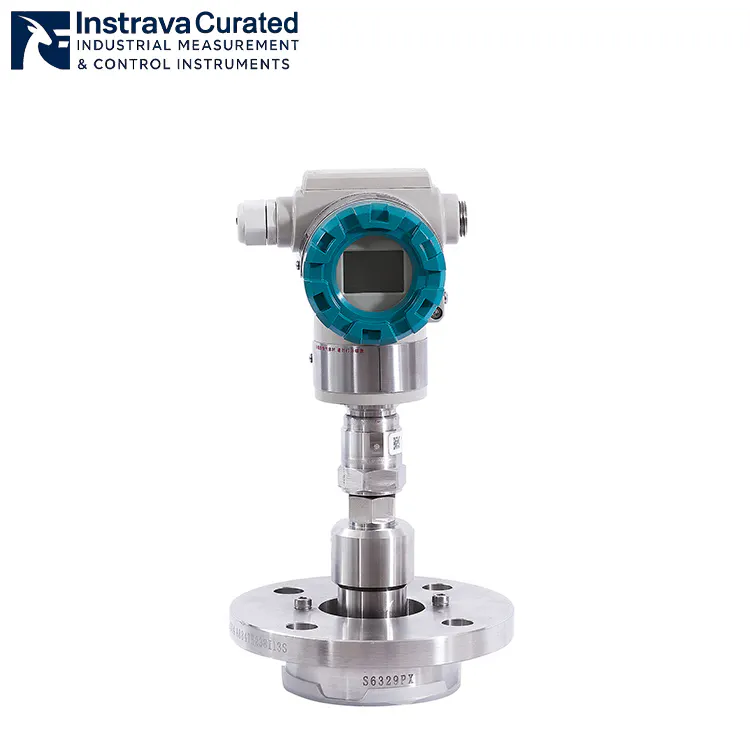
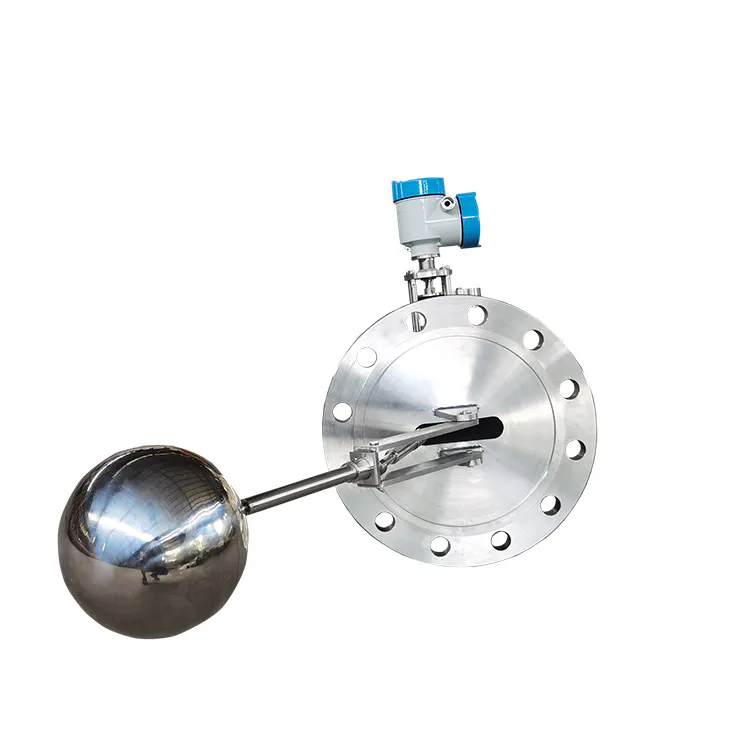
Pemancar Level Pelampung untuk Pengukuran Level Cairan yang Andal
Pemancar level pelampung adalah instrumen pengukuran level yang andal dan akurat yang dirancang untuk pemantauan level cairan secara kontinu di tangki industri, bejana, dan sistem proses. Dengan mendeteksi perubahan level cairan melalui pergerakan pelampung, pemancar level pelampung mengubah perpindahan mekanis menjadi sinyal output listrik yang stabil untuk kontrol dan pemantauan proses.
Pemancar level float banyak digunakan karena strukturnya yang sederhana, kinerjanya yang stabil, dan kemampuan beradaptasi terhadap berbagai cairan. Dengan pilihan material dan sinyal output yang berbeda, pemancar level float cocok untuk aplikasi industri yang membutuhkan pengukuran level yang dapat diandalkan dalam kondisi pengoperasian yang berat.

Deskripsi Pemancar & Sensor
Fitur Utama Pemancar Level Float
-
Pengukuran level cairan yang stabil dan akurat
-
Struktur mekanis sederhana dengan keandalan tinggi
-
Cocok untuk berbagai cairan dan media proses
-
Beberapa opsi sinyal output (analog atau digital)
-
Kisaran suhu dan tekanan pengoperasian yang luas
-
Pemasangan dan perawatan yang mudah
-
Panjang probe dan opsi pemasangan yang dapat disesuaikan
-
Masa pakai yang lama dengan perawatan minimal
Fitur-fitur ini menjadikan pemancar level float sebagai pilihan ideal untuk pemantauan level berkelanjutan di lingkungan industri.

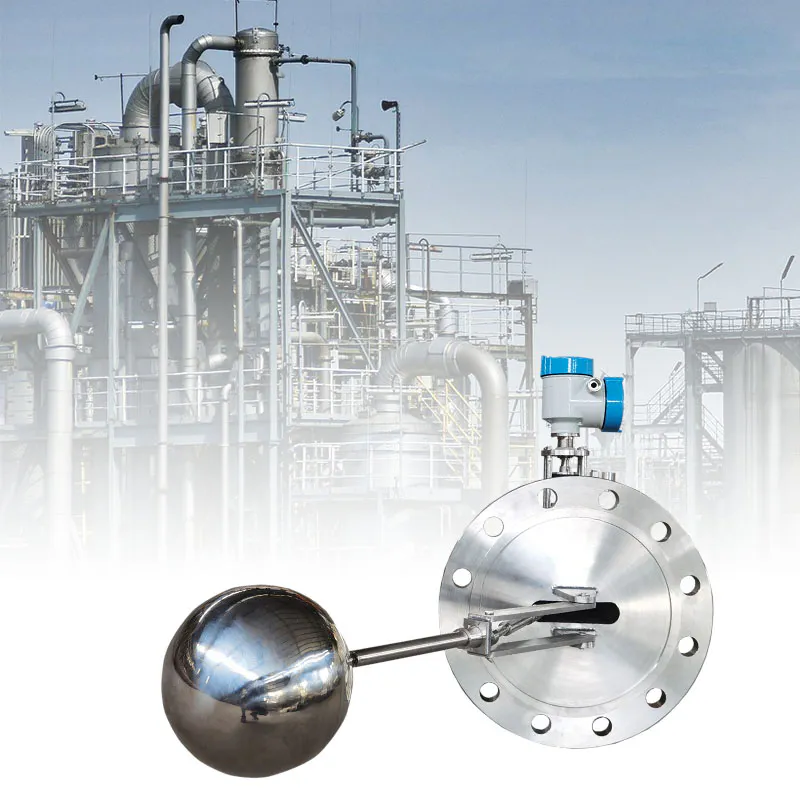
Aplikasi Khas Pemancar Level Pelampung
Pemancar level float umumnya digunakan dalam:
-
Tangki penyimpanan industri
-
Sistem pemrosesan kimia
-
Instalasi pengolahan air dan air limbah
-
Tangki penyimpanan minyak dan bahan bakar
-
Fasilitas pembangkit listrik
-
Sistem kontrol proses
Desain pemancar level float yang kuat memastikan pengoperasian yang andal dalam aplikasi industri di dalam dan luar ruangan.
Parameter Pemancar & Sensor
| Item | Spesifikasi |
|---|---|
| Model | INFLT114 |
| Fungsi Pengukuran | Tingkat cairan |
| Rentang Pengukuran | Tipe sudut besar: 450 - 1600 mm Tipe sudut kecil: 380 - 1200 mm |
| Akurasi Pengukuran | ± 1,5% dari skala penuh (FS) |
| Tegangan Suplai | 24 V DC (12,7 - 27,2 V DC) |
| Sinyal Keluaran | 4 - 20 mA DC |
| Indikasi di Tempat | Layar LCD multi-parameter (cerdas) 0 - 100% (4 - 20 mA) tampilan koil bergerak (tipe analog) |
| Peringkat tahan ledakan | Tahan api: Ex d IIC T4 Secara Intrinsik Aman: Ex ia IIC T4 |
| Kelas Perlindungan | IP67 |
| Suhu Sekitar | -20 °C hingga +60 °C |
| Kelembaban Sekitar | ≤ 95% RH |
| Proses Suhu Sedang | -40 °C hingga +225 °C (tanpa pendingin) +225 °C hingga +450 °C (dengan pendingin) |
| Kepadatan Sedang Minimum | ≥ 0,55 g/cm³ |
| Tekanan Kerja | 2,5 MPa / 4,0 MPa / 6,4 MPa |
| Koneksi Proses (Flange) | Standar: DN250 PN, JB/T 82.2-94 (permukaan terangkat) Khusus: DN200 PN, JB/T 82.2-94 (permukaan cembung) |
| Entri Kabel (Outlet) | M20 × 1,5 (ulir internal) |
| Kandang Listrik | Paduan aluminium die-cast dengan lapisan bubuk |
| Mengapung Sudut Lari Maksimum | Tipe sudut kecil: 35° Tipe sudut besar: 80° |
| Bahan Bagian yang Dibasahi | Standar: 1Cr18Ni9Ti Opsional: 316 / 316L |
Instrava OEM / ODM
Pencarian Pemasok dan Penyesuaian Sesuai Kebutuhan: Memberikan Produk yang Tepat Sesuai Kebutuhan Anda
Sebagai pemasok dan mitra pengadaan terpercaya Anda, kami menjembatani kesenjangan antara kebutuhan khusus Anda dan kemampuan manufaktur Tiongkok yang sangat besar.
Menemukan produk yang tepat dalam rantai pasokan yang sangat besar bisa menjadi tantangan tersendiri. Di situlah kami berperan.
Sebagai penyedia produk industri yang terkurasi, nilai inti kami sangat sederhana: Kami menempatkan diri pada posisi Anda untuk membantu Anda mendapatkan produk yang paling sesuai. Apakah Anda seorang Kontraktor EPC yang memerlukan kepatuhan teknis khusus, sebuah Produsen peralatan OEM sedang mencari branding khusus, atau sebuah distributor/pedagang industri Untuk mendapatkan keunggulan kompetitif, kami menyesuaikan dan merancang produk secara khusus agar sesuai dengan kebutuhan pengadaan Anda.
Bagaimana Kami Menyesuaikan Layanan Kami Sesuai Kebutuhan Pengadaan Anda
Untuk Kontraktor dan Insinyur EPC: Kami mengonfigurasi instrumen dan perangkat secara khusus agar sesuai dengan spesifikasi teknis Anda—mulai dari menyesuaikan sambungan proses, bahan khusus, protokol sinyal, hingga mengelola kalibrasi dan pengujian oleh pihak ketiga—sehingga Anda mendapatkan solusi yang siap diterapkan dalam proyek.
Bagi Produsen Peralatan Asli (OEM): Kami menyediakan layanan kustomisasi OEM/ODM yang komprehensif, termasuk desain casing khusus, pelabelan, branding (merek pribadi), serta spesifikasi teknis yang disesuaikan agar dapat terintegrasi dengan mulus ke dalam mesin Anda.
Untuk Distributor dan Pedagang Industri: Kami menawarkan fleksibilitas dalam penyesuaian kemasan, ragam produk, dan parameter teknis, yang akan membantu Anda membedakan portofolio produk Anda dan memenangkan lebih banyak tender lokal.
Mengapa Memilih Kami sebagai Mitra untuk Pengadaan Barang Sesuai Pesanan?
Layanan Penyelarasan Teknik Terpadu: Anda tidak perlu berurusan dengan banyak pabrik. Kami menerjemahkan persyaratan teknis Anda menjadi gambar kerja pabrikan yang akurat.
Jaminan Kualitas & Kepatuhan yang Ketat: Kami mengawasi seluruh proses penyesuaian dan produksi di Tiongkok, guna memastikan produk akhir yang disesuaikan tersebut memenuhi standar dan sertifikasi lokal Anda.
Nilai Utama Kami: Kami tidak hanya menjual barang yang ada di rak. Kami mencari, menyesuaikan, dan mengirimkan produk yang paling sesuai dan hemat biaya untuk kebutuhan khusus Anda.

Untuk apa pemancar level pelampung digunakan?
Pemancar level pelampung digunakan untuk pengukuran level cairan secara kontinu dalam tangki industri, bejana, dan sistem proses. Alat ini mengubah pergerakan pelampung menjadi sinyal keluaran listrik untuk pemantauan dan kontrol proses.
Bagaimana cara kerja pemancar level pelampung?
Pemancar level pelampung bekerja berdasarkan prinsip daya apung. Saat level cairan berubah, pelampung bergerak ke atas atau ke bawah dan mentransfer gerakan ke elemen penginderaan, yang mengubahnya menjadi sinyal listrik seperti 4-20 mA.
Jenis cairan apa yang dapat diukur oleh pemancar level pelampung?
Pemancar level pelampung dapat mengukur berbagai macam cairan, termasuk air, minyak, bahan bakar, bahan kimia, dan cairan industri lainnya, asalkan densitas cairan dan kompatibilitas material cocok untuk bahan pelampung dan batang.
Sinyal output apa yang tersedia untuk pemancar level float?
Sinyal output umum untuk pemancar level float meliputi 4-20 mA, 0-10 V, dan output sakelar. Opsi sinyal yang disesuaikan juga tersedia untuk memenuhi persyaratan sistem kontrol tertentu.
Dapatkah pemancar level pelampung disesuaikan?
Ya. Pemancar level pelampung dapat disesuaikan dalam hal rentang pengukuran, panjang probe, pemilihan material, jenis pemasangan, sinyal keluaran, dan tingkat perlindungan agar sesuai dengan ukuran tangki dan kondisi proses yang berbeda.
Apakah pemancar level pelampung cocok untuk lingkungan industri yang keras?
Pemancar level apung dirancang untuk penggunaan industri dan dapat beroperasi di bawah suhu, tekanan, dan kondisi korosif yang tinggi jika bahan dan opsi penyegelan yang tepat dipilih. Transmiter ini banyak digunakan dalam industri kimia, minyak & gas, dan pembangkit listrik.
Mengapa Mempercayai Instrava?
Kami memilih produsen dari sudut pandang yang netral dan tidak memihak, dengan selalu mengutamakan kepentingan terbaik Anda.
Keberadaan kami bergantung pada upaya kami dalam membantu Anda menemukan produk yang paling sesuai dengan kebutuhan Anda.
Berbasis di Tiongkok, kami dapat melakukan inspeksi langsung di lokasi terhadap lingkungan produksi dan kualitas produk.
Kami membantu Anda menghindari perantara yang menyamar sebagai pabrik.
Kami memudahkan layanan purna jual yang lebih lancar, sehingga menghilangkan kendala perbedaan zona waktu dan keterlambatan yang sering terjadi saat berurusan langsung dengan pabrik.
Tim multibahasa kami memastikan komunikasi yang efektif.
Bagi sebuah perusahaan rintisan di bidang perdagangan, setiap interaksi dengan klien merupakan kesempatan yang berharga—sebagai tanda bahwa Anda bersedia mempercayai kami dan memberi kami kesempatan untuk membuktikan diri.
Di era digital, meskipun informasi mudah diakses, kesalahpahaman sering kali mengaburkan rasa saling percaya di antara sesama manusia.
Instrava sepenuhnya bertumpu pada kepercayaan; hal ini merupakan filosofi inti kami dan landasan keberadaan kami di masyarakat. Inilah landasan utama bagi pertumbuhan jangka panjang kami serta komitmen kami untuk melayani masyarakat.
Mohon percayalah kepada kami.