- Schedule. Mon - Sat 09.00 - 20.00








Transmitters
Home » Transmitters
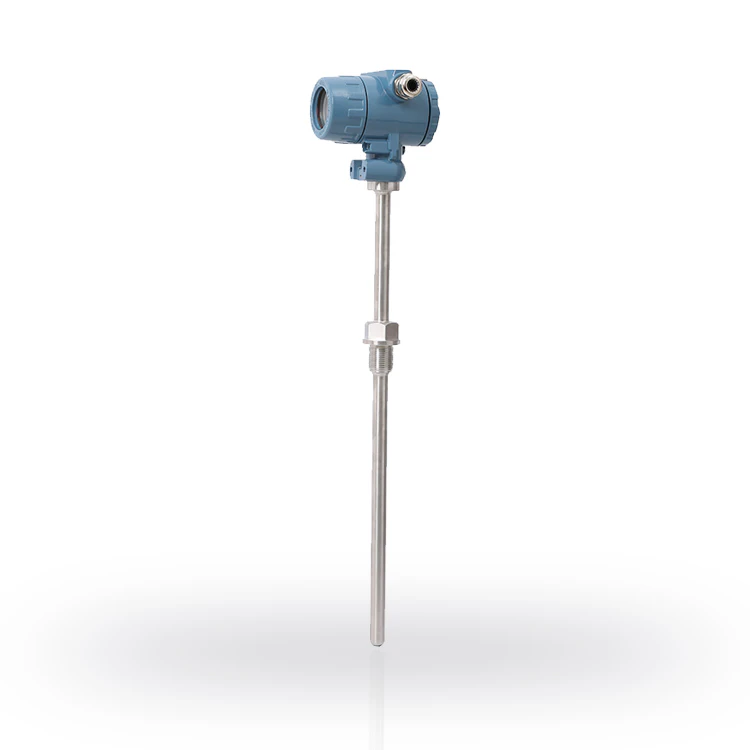
High-precision measurement circuits with low drift
- Intrinsically Safe, High Accuracy

0.0–19.9 μS/cm | 20–199 μS/cm | 0.20–2.00 mS/cm| 2.00–10.00 mS/cm
- High Accuracy, IP65 Rated
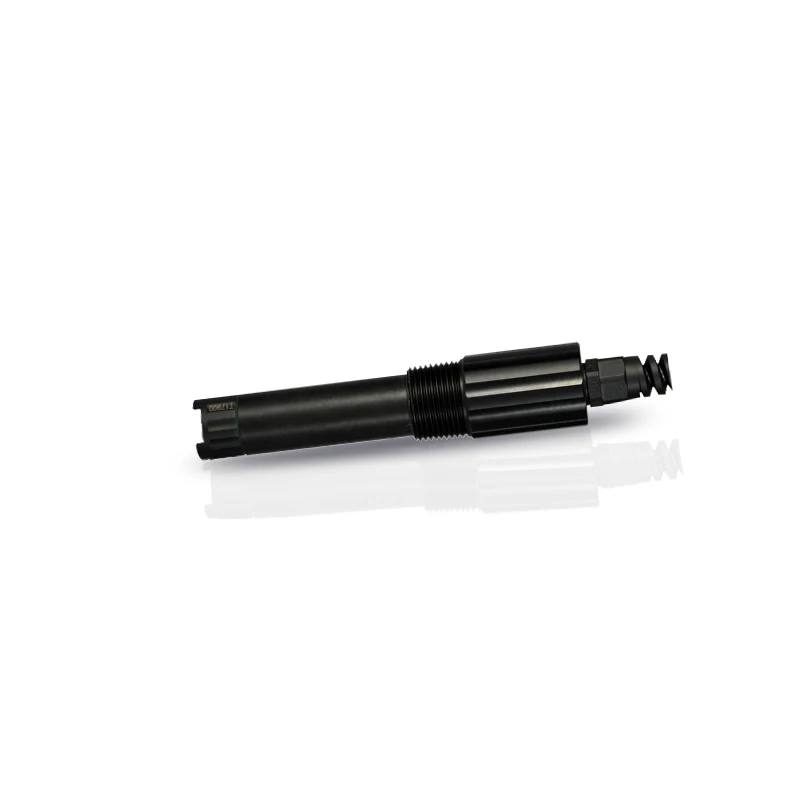
Three-electrode amperometric measurement system
- High Accuracy, IP65 Rated
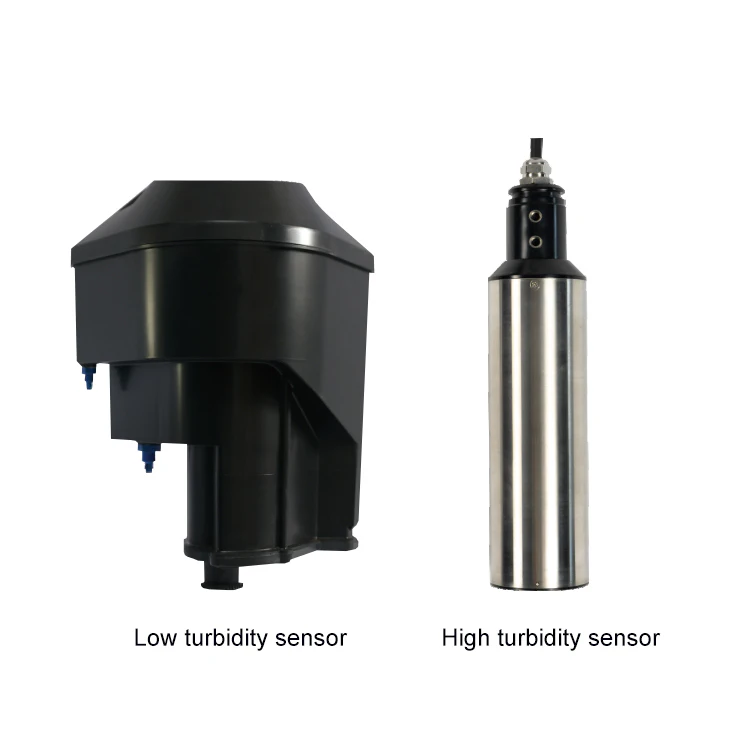
0.01–100 NTU | 0.01–4000 NTU
- Intrinsically Safe, IP68 Rated
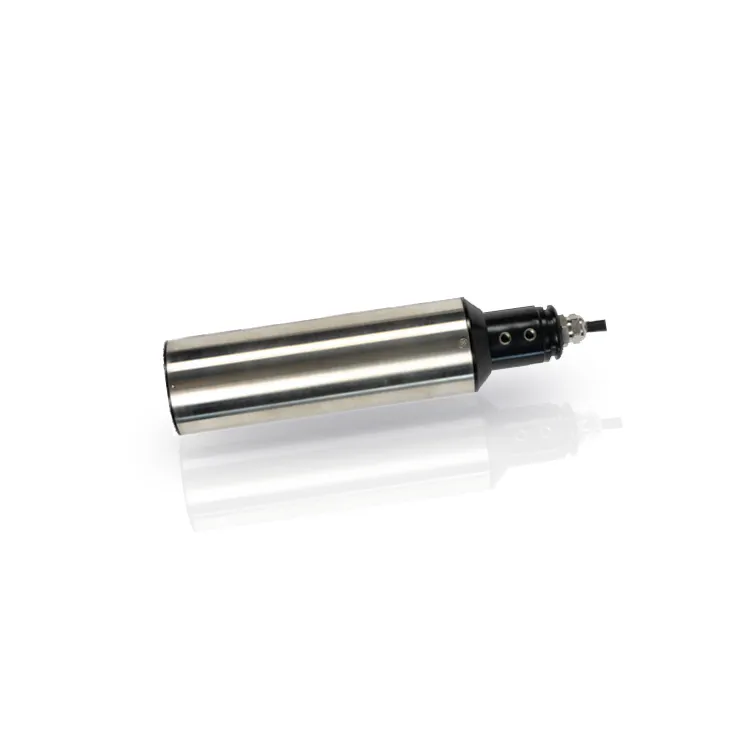
Online SS & MLSS Measurement Sensor for Water and Wastewater
- High Accuracy, IP68 Rated
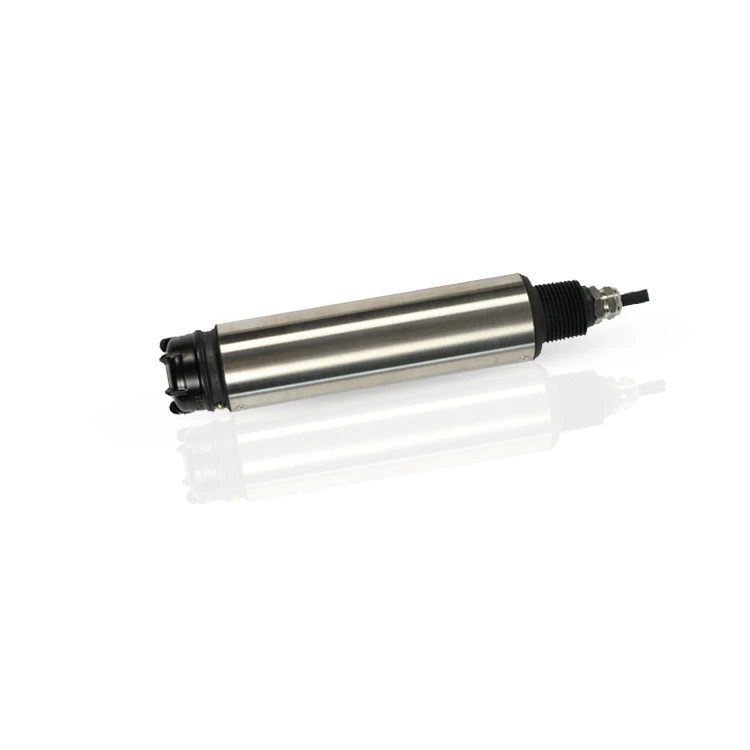
Optical, Maintenance-Free DO Measurement for Long-Term Monitoring
- High Accuracy, IP68 Rated
Download transmitters product information EN document
Industrial Transmitters for Accurate Process Measurement and Control
Industrial transmitters are essential components in modern automation systems, designed to convert physical parameters such as pressure, level, temperature, and flow into standardized electrical signals that can be monitored and controlled.
Transmitters play a vital role in industrial process control, providing reliable data for monitoring systems, PLCs, and SCADA networks. From chemical plants and water treatment facilities to oil & gas and power generation, high‑quality transmitters ensure process accuracy, safety, and efficiency.
Instrava offers a wide range of industrial transmitters engineered for precision, durability, and long‑term performance in challenging environments.
What Is a Transmitter?
An industrial transmitter is a device that senses a physical variable and converts it into an electrical signal that can be interpreted by process control systems. Transmitters are widely used in industrial automation for:
✔ Monitoring process conditions
✔ Providing input data to control systems
✔ Triggering automation logic
✔ Ensuring safety and efficiency
Transmitters may use various sensing principles depending on the measured parameter and environmental conditions.
Key Types of Transmitters
Below are the most common types of industrial transmitters used across diverse sectors:
Pressure Transmitters
Pressure transmitters measure the force exerted by a fluid (liquid or gas) on a surface. They provide accurate readings for process control, pump protection, tank level estimation, and safety systems.
Pressure transmitters can operate across a wide range of pressures and are essential in:
Chemical processing
Oil & gas
HVAC systems
Water distribution systems
Level Transmitters
Level transmitters determine the height of a liquid or solid material within a vessel. These devices help:
Prevent overflow
Trigger pump operation
Ensure material consistency
Common technologies include radar, ultrasonic, and guided wave radar.
Temperature Transmitters
Temperature transmitters convert thermal readings from RTDs or thermocouples into standardized electrical signals. Accurate temperature measurement is crucial in:
Food & beverage
Pharmaceuticals
Petrochemical processes
Energy systems
High‑quality temperature transmitters ensure stable process control and product quality.
Flow Transmitters
Flow transmitters measure the velocity or volume of fluid moving through a pipe. These devices are critical for:
Flow rate monitoring
Custody transfer
Energy management
Process balancing
Flow transmitters support technologies such as magnetic, ultrasonic, vortex, and differential pressure.
Differential Pressure Transmitters
Differential pressure transmitters measure the difference in pressure between two points. This is commonly used for:
Filter monitoring
Flow measurement via orifice plates
Level measurement in pressurized tanks
Their accuracy and reliability make them indispensable in many high‑precision applications.
How Transmitters Work
Industrial transmitters typically consist of three components:
Sensing Element – Detects the physical parameter.
Transducer – Converts the sensed data into an electrical signal.
Transmitter Output – Provides a stable, standardized signal (e.g., 4‑20 mA, HART, or digital).
The process ensures accurate and consistent data communication to control systems such as PLCs, DCS, or SCADA.
Industrial Applications
Transmitters are used across a broad range of industries, including:
Water and Wastewater Treatment
Measure pressure, flow, and level to ensure environmental compliance and efficient plant operation.
Oil and Gas
Monitor critical parameters in pipelines, processing units, and storage systems.
Chemical Processing
Maintain precise control over temperature, pressure, and flow in complex and hazardous environments.
Power Generation
Ensure reliable operation of turbines, boilers, and cooling systems via accurate sensor feedback.
Food & Beverage
Provide hygienic and accurate measurement for temperature, flow, and level control.
How to Choose the Right Transmitter
Choosing the correct transmitter requires careful consideration of:
🔹 Measured Parameter — Pressure, level, flow, temperature
🔹 Process Conditions — Temperature, pressure, corrosive media
🔹 Output Signal — 4‑20 mA, HART, wireless
🔹 Installation Requirements — Inline, side mount, top mount
🔹 Accuracy and Stability — High precision needed for control loops
🔹 Environmental Protection — IP ratings, material compatibility
Selecting the right transmitter ensures long‑term performance with minimal maintenance.
Why Choose Instrava Transmitters
Instrava transmitters are designed for reliability and precision in demanding industrial environments. Our solutions deliver:
✅ High‑accuracy measurement
✅ Robust build for harsh applications
✅ Flexible communication options (analog & digital)
✅ Low drift and long service life
✅ Easy setup and integration
With years of experience in industrial measurement instrumentation, Instrava provides dependable transmitters that support efficient process automation and optimized plant operations.
Transmitters Knowledge Hub
This page provides a comprehensive overview of industrial transmitters, focusing on their role in process measurement, system integration, and operational reliability. It is designed for engineers, system designers, and industrial safety professionals, rather than basic technical definitions.
1. Role of Transmitters in Industrial Systems
Transmitters convert physical process variables such as pressure, temperature, flow, and level into standardized electrical signals (4-20 mA, HART, Modbus, etc.) for monitoring, control, and automation purposes. They are critical for:
Real-time process monitoring
Alarm and safety system integration
Data logging and regulatory compliance
Feedback control in automated systems
Transmitters bridge the physical process and digital control systems, ensuring data reliability and enabling efficient industrial operations.
2. Types of Industrial Transmitters
2.1 Pressure Transmitters
Used to measure gauge, absolute, or differential pressure in liquids, gases, and steam. Key considerations include range, media compatibility, temperature limits, and installation environment.
2.2 Temperature Transmitters
Convert RTD or thermocouple signals into standardized outputs for DCS/PLC systems. Selection criteria include sensor type, process temperature range, and signal stability.
2.3 Flow Transmitters
Used with flowmeters (electromagnetic, ultrasonic, vortex, turbine, etc.) to provide accurate, repeatable flow data for control, monitoring, and inventory management.
2.4 Level Transmitters
Convert liquid level changes into electrical signals for remote monitoring or control. They may use radar, ultrasonic, hydrostatic, or magnetic technologies depending on the application.
2.5 Gas Transmitters
Detect toxic, combustible, or oxygen-deficient environments and send signals to controllers or safety systems. Sensor type selection (electrochemical, catalytic, infrared) affects detection range and reliability.
3. Key Selection Criteria for Transmitters
Process variable type and range
Operating conditions: temperature, pressure, humidity, vibration
Media properties: corrosive, viscous, or abrasive
Signal output requirements and communication protocols
Environmental ratings and certifications (IP, NEMA, ATEX, IECEx)
Maintenance accessibility and calibration needs
Choosing a transmitter that matches the process environment ensures long-term accuracy and reliability.
4. Installation and System Integration Considerations
Proper mounting to minimize mechanical stress and vibration
Adequate separation from heat sources or electromagnetic interference
Correct wiring, grounding, and shielding practices
Integration with DCS, PLC, SCADA, or safety systems
Signal validation and diagnostics to detect sensor drift or faults
A well-designed installation maximizes transmitter accuracy and lifespan.
5. Maintenance and Calibration Practices
Regular calibration based on manufacturer guidelines and process criticality
Functional checks and diagnostics to identify drift or sensor degradation
Spare parts planning for long-term support
Cleaning and inspection in harsh process environments
Routine maintenance ensures uninterrupted process monitoring and system safety.
6. Transmitter Applications by Industry
Oil & Gas: pressure, level, and flow transmitters for production, storage, and pipeline monitoring
Chemical & Petrochemical: corrosion-resistant transmitters for process control and safety
Water & Wastewater: flow and level transmitters for monitoring and regulatory compliance
Power Generation: pressure, temperature, and flow transmitters for turbines, boilers, and cooling systems
Food & Beverage: hygienic transmitters for process monitoring and automation
7. System-Level Considerations
Redundancy: dual transmitters for critical variables to improve safety and reliability
Diagnostics: smart transmitters with self-checks and communication of alarms
Data integration: enabling trend analysis, predictive maintenance, and process optimization
Compatibility with safety instrumented systems (SIS) for emergency response
Transmitters-FAQ
How do I select the right transmitter for my process?
Consider the process variable, operating environment, media compatibility, required accuracy, output signal type, and regulatory compliance. Matching the transmitter to the specific industrial conditions ensures reliability and reduces maintenance needs.
What are the common output signals from industrial transmitters?
Standard outputs include 4-20 mA, 0-10 V, HART digital communication, Modbus, and Fieldbus. The choice depends on system integration, distance, and data requirements.
How does environmental exposure affect transmitter performance?
High temperature, humidity, vibration, corrosive media, or EMI can degrade sensor performance and accuracy. Selecting industrial-grade transmitters with protective housings and appropriate environmental ratings is essential.
How often should transmitters be calibrated?
Calibration frequency depends on the transmitter type, process criticality, sensor drift characteristics, and manufacturer recommendations. High-risk or critical process variables may require more frequent calibration.
Can transmitters be used in hazardous areas?
Yes, but they must meet safety certifications such as ATEX, IECEx, or local regulations. Explosion-proof or intrinsically safe designs are required for combustible or explosive environments.
What is the difference between a transmitter and a sensor?
A sensor detects a physical parameter (pressure, temperature, level, flow) and may produce a raw signal. A transmitter conditions this signal and converts it into a standardized output for monitoring, control, or safety systems.
How do smart transmitters enhance process control?
Smart transmitters provide diagnostics, self-calibration, trend analysis, and digital communication. These features enable predictive maintenance, reduced downtime, and improved process efficiency.
How can multiple transmitters be integrated into a system?
Transmitters can be wired to PLCs, DCS, SCADA, or safety controllers using analog or digital communication. Proper integration includes signal validation, diagnostics, and redundancy planning.
What maintenance challenges are common in industrial transmitters?
Challenges include sensor drift, clogging, corrosion, mechanical stress, and electrical interference. Regular inspection, calibration, and selection of robust industrial-grade units mitigate these issues.
How do transmitters contribute to safety and regulatory compliance?
Transmitters provide real-time monitoring of critical process variables, trigger alarms, support safety instrumented systems, and log data for audits and regulatory reporting. They are essential for both operational safety and compliance documentation.
Why Choose Instrava
By choosing Instrava, you gain a partner with a deep understanding of industrial applications and the expertise to meet today’s operational challenges.
Our role extends beyond products—we support your success through dependable solutions and long-term commitment.
Engineering-Driven Innovation
Innovation at Instrava is guided by real industrial requirements. We continuously refine our technologies to address evolving operational challenges, ensuring practical and reliable performance in demanding environments.
Application-Specific Customization
We provide engineering-level customization to match specific process conditions. From measurement range and materials to output signals and installation options, our solutions are configured to fit real applications.
Proven Quality and Reliability
Quality and reliability are fundamental to every Instrava product. Manufactured under strict quality control and thoroughly tested, our instruments deliver accurate, stable, and long-term performance.
Global Capability with Local Support
Instrava combines global engineering expertise with responsive local support, ensuring our partners benefit from internationally aligned technology and timely regional service.
Comprehensive Product Portfolio
Our broad portfolio of measurement and control instruments enables us to address a wide range of industrial needs, providing integrated solutions from a single, reliable source.
Partner-Oriented Engineering Support
We work closely with our partners from technical consultation to after-sales support. Our focus is on delivering solutions that create lasting value and support long-term operational success.