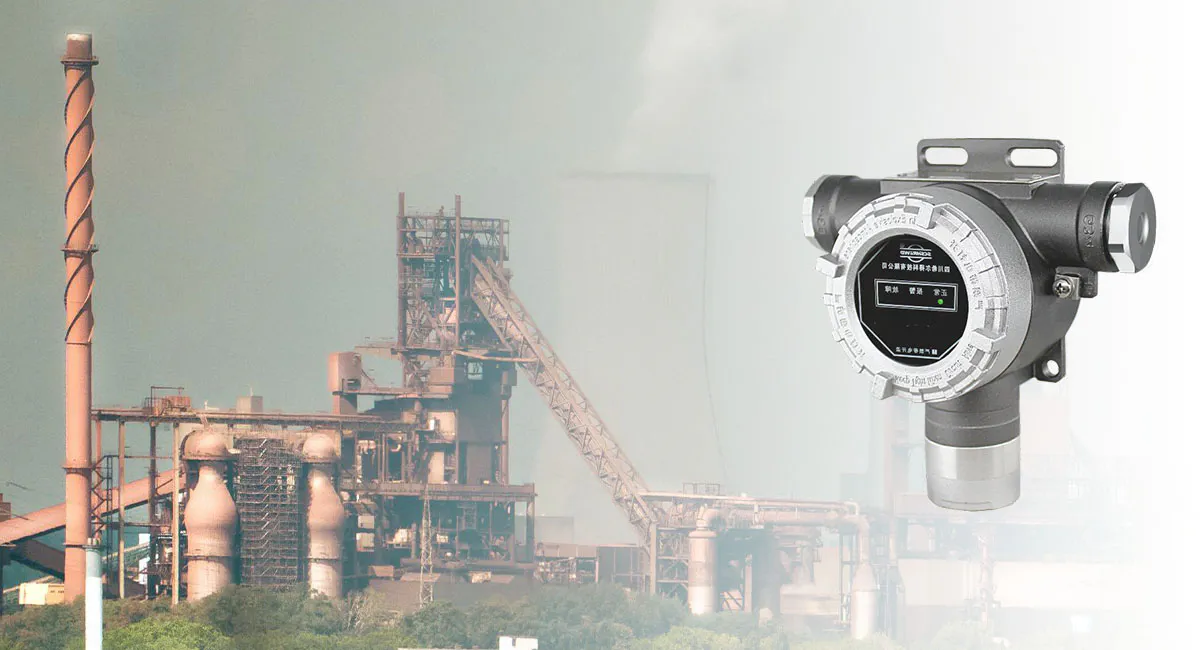
Fixed gas detectors are a cornerstone of industrial safety, providing continuous monitoring for hazardous gases in environments such as oil & gas facilities, chemical plants, LNG/LPG storage, and water/wastewater treatment sites. Unlike portable gas detectors that follow personnel, fixed systems offer 24/7 area-wide surveillance and can integrate with alarms, ventilation, and process control systems.
What Are Fixed Gas Detectors?
- Permanently installed at known hazard points
- Continuously monitor for toxic, flammable, or oxygen-deficient gases
- Trigger audible, visual, or digital alarms when thresholds are exceeded
- Serve as a critical layer of protection in combination with portable detectors
Key Industrial Applications
| Industry | Typical Fixed Detector Use | Type de capteur |
|---|
| Oil & Gas | Process units, storage tanks, pipelines | LEL, O₂, H₂S |
| LNG / LPG Storage | Tank farms, loading areas | LEL, Hydrocarbon |
| Chemical Plants | Reactor rooms, valves, vents | Toxic gas |
| Water & Wastewater | Sedimentation pits, sludge areas | H₂S, O₂ |
These detectors are strategically installed where gas releases are most likely, ensuring early detection before personnel are exposed.
Advantages of Fixed Gas Detection
- Continuous Monitoring: 24/7 surveillance of critical areas
- Early Warning: Detects hazardous conditions before personnel exposure
- System Integration: Can trigger alarms, ventilation, and emergency shutdowns
- Reduced Reliance on Personnel: Provides a consistent safety layer beyond personal vigilance
Installation & Safety Considerations
- Position sensors at expected leak points and along airflow paths
- Avoid dead zones where gases may accumulate undetected
- Ensure alarms are visible and audible in all occupied areas
- Integrate detectors with process control and emergency response systems
Maintenance, Calibration, and Testing
Regular maintenance is essential to ensure reliability:
| Maintenance Task | Recommended Frequency |
|---|
| Bump Test | Before use / weekly |
| Calibration | Every 6–12 months |
| Sensor Replacement | Per manufacturer guidelines |
Calibration ensures accurate gas readings, while bump tests verify alarm functionality. Scheduled maintenance prevents sensor drift and system failure.
Best Practices for Industrial Safety
- Use portable detectors alongside fixed detectors for confined space entry
- Train personnel on alarm interpretation and emergency response
- Document all maintenance, calibration, and alarm events
- Conduct periodic safety audits to validate detector performance
Conclusion
Fixed gas detectors are essential for industrial safety, providing continuous and reliable monitoring in high-risk environments. Integrated with portable detectors and proper safety procedures, they form a comprehensive gas detection strategy that protects personnel, ensures regulatory compliance, and minimizes operational risk.