Going Global: Key Challenges and FAQ Solutions for a B2B pH Meter Supplier
Going Global: Key Challenges and FAQ Solutions for a B2B pH Meter Supplier The global market for electrochemical instrumentation is...

Home » Products » Transmitters » Dissolved Oxygen Sensor

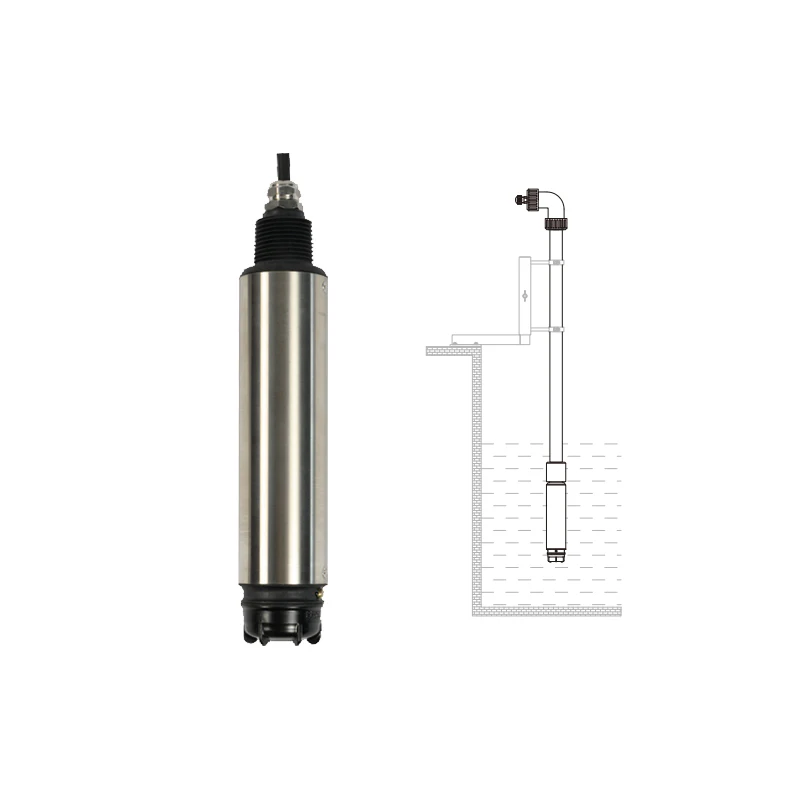
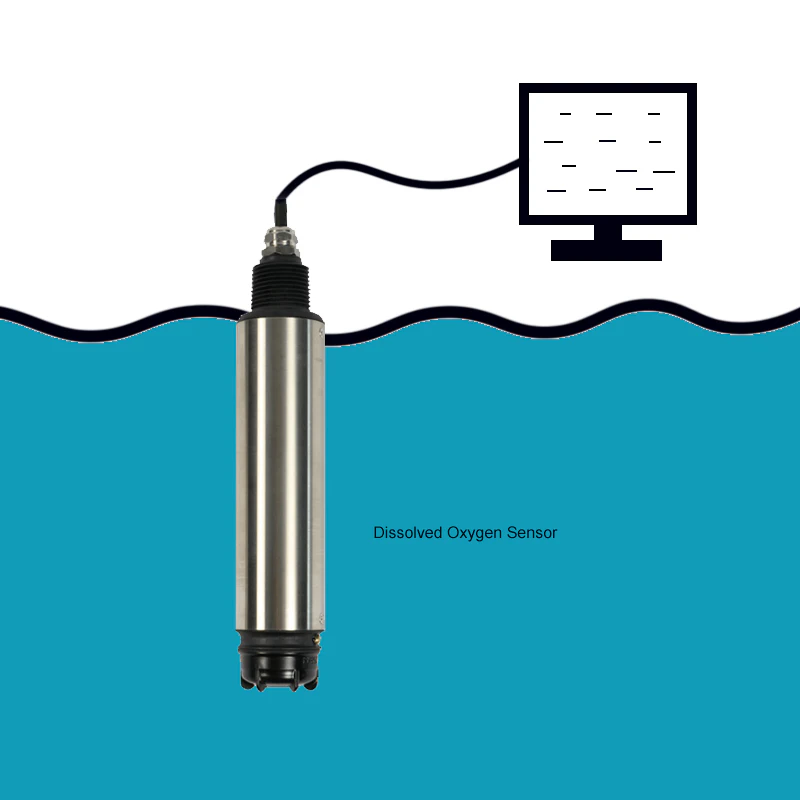
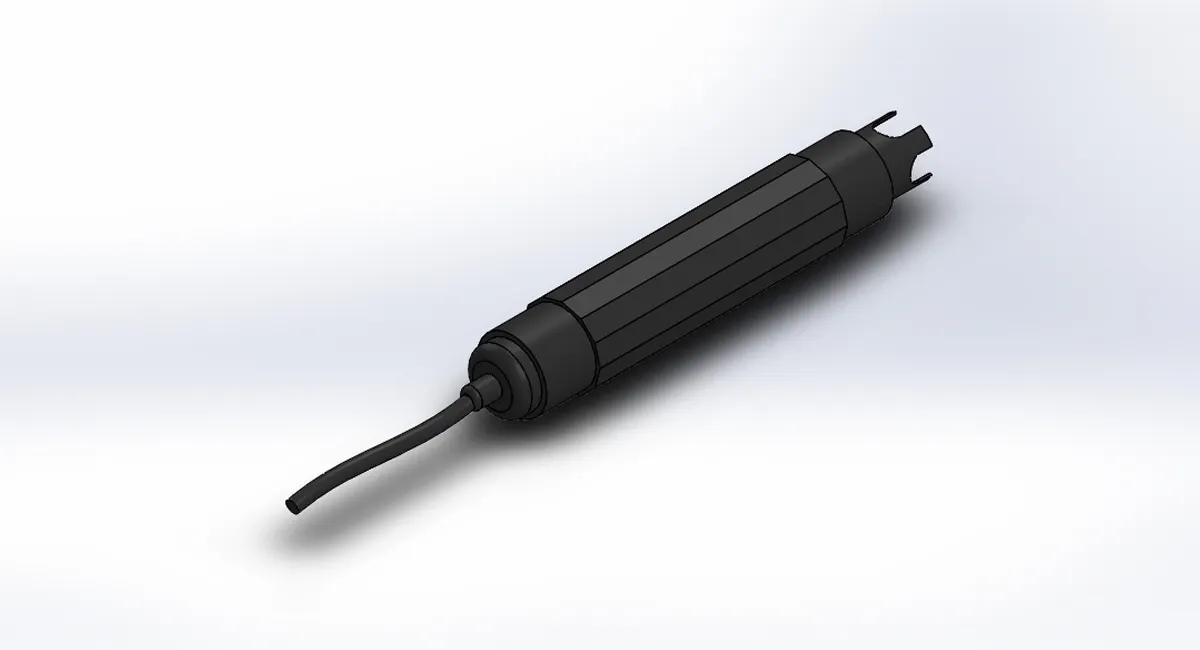
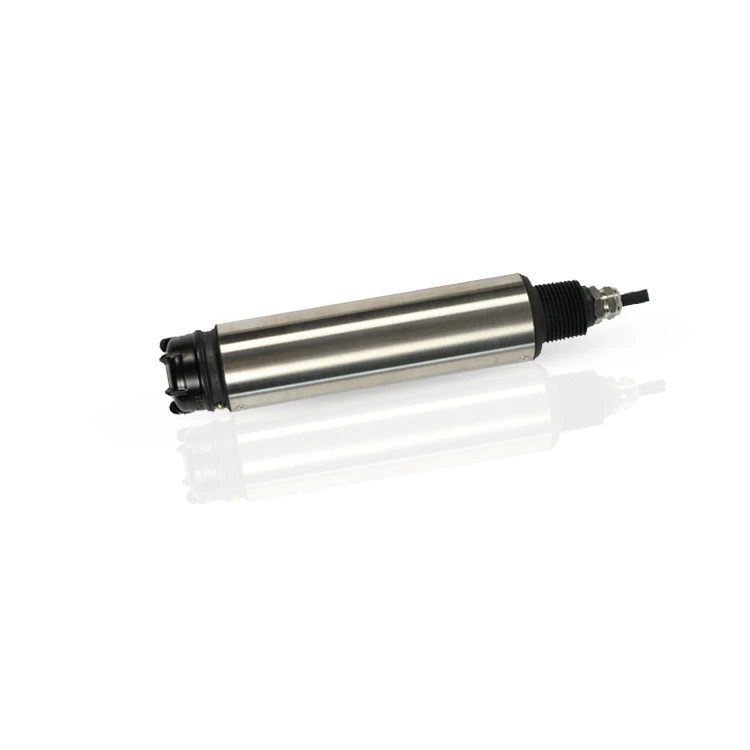
Designed for continuous dissolved oxygen monitoring in water and wastewater processes, this optical dissolved oxygen sensor eliminates the limitations of traditional membrane-based probes. With no electrolyte, no oxygen consumption, and no flow dependency, it delivers stable, accurate measurements even in low-flow or static conditions.
It is especially suitable for applications where long-term stability, low maintenance, and reliable digital communication are critical.
Liquid Analysis Description
Why Optical Dissolved Oxygen Measurement
Traditional electrochemical DO sensors require membranes, electrolytes, and frequent maintenance. This optical dissolved oxygen sensor adopts fluorescence measurement technology, providing a fundamentally different approach:
No membrane, no electrolyte, no polarization
No oxygen consumption during measurement
Stable readings independent of flow velocity
Longer service life with significantly reduced maintenance cost
This makes it ideal for unattended operation and harsh field environments.


Dissolved O2 Sensor Features
Membrane-free design with no electrolyte replacement
No polarization effect, no drift caused by oxygen consumption
Fluorescent cap is easy to replace when required
Fast response time and excellent long-term stability
Minimal annual drift ensures consistent performance
Built-in temperature sensor with automatic temperature compensation
Fully sealed IP68 housing for submersible installation
316L stainless steel + PPS body resists corrosion
Not affected by flow rate, bubbles, or low-velocity conditions
RS485 communication (Modbus-compatible)
Easy connection to PLC, SCADA, or upper-level control systems
Liquid Analysis Parameter
| Parameter | Specification |
|---|---|
| Measurement Principle | Optical fluorescence |
| Dissolved Oxygen Range | 0 ~ 20 mg/L or 0 ~ 200 % saturation |
| Temperature Range (Process) | 0 ~ 45 ℃ |
| Operating Pressure | ≤ 0.3 MPa |
| Measurement Accuracy | DO: ±0.3 mg/L or ±3 %Temperature: ±0.5 ℃ |
| Output Signal | RS485 |
| Housing Material | 316L Stainless Steel + PPS |
| Protection Class | IP68 |
| Sensor Dimensions | Ø49.5 × 251.5 mm |
| Installation Method | Submersible |
| Ambient Temperature | 0 ~ 60 ℃ |
| Relative Humidity | < 90 % RH |
| Cable Length | 10 m standardUp to 100 m customizable |
Instrava OEM/ODM
We can arrange customized product manufacturing to meet your growth needs, identifying high-quality factories for both OEM and ODM projects.
We can facilitate the customization of specialized products based on your project requirements (such as power-related equipment, where we can engage Chinese design institutes for product development—subject to a separate fee).
We can tailor comprehensive project upgrade solutions to your facility’s needs (such as migrating traditional instrumentation to the cloud or upgrading to technologies like Ethernet-APL).
We can source precision measurement instruments to meet your laboratory’s requirements.
And much more…
Whatever your product needs may be, we will do our utmost to fulfill them.

Can the sensor measure accurately at very low flow or in static water?
Yes.
This sensor uses optical fluorescence technology and does not consume oxygen during measurement. The reading is independent of flow velocity, making it highly reliable in low-flow or stagnant conditions.
Will air bubbles affect the dissolved oxygen measurement?
The optical measurement principle is far less sensitive to bubbles than electrochemical sensors. Occasional bubbles do not significantly affect readings, especially in aeration tanks or mixed water environments.
How stable is the sensor for long-term monitoring?
The sensor features minimal annual drift and no electrolyte consumption. Compared to membrane-based DO probes, it maintains accuracy over long periods with significantly reduced recalibration frequency.
How often does the sensor require maintenance?
Routine maintenance is minimal.
There is no membrane or electrolyte to replace. The fluorescent cap has a long service life and can be easily replaced when required, reducing downtime and maintenance cost.
Is RS485 communication compatible with PLC or SCADA systems?
Yes.
The sensor supports RS485 communication, typically using Modbus protocol, allowing seamless integration with PLC, DCS, SCADA, and data logging systems.
Can this sensor be used in harsh wastewater environments?
Absolutely.
With an IP68-rated housing and 316L stainless steel + PPS construction, the sensor is designed for continuous submersible operation in corrosive, high-humidity, and industrial wastewater conditions.
Why Trust Instrava?
We select manufacturers from a neutral, impartial standpoint, always with your best interests in mind.
Our very existence depends on helping you source the products that are the perfect fit for your needs.
Based in China, we are able to conduct on-site inspections of production environments and product quality firsthand.
We help you avoid intermediaries posing as factories.
We facilitate smoother after-sales support, eliminating time zone issues and the delays often associated with dealing directly with factories.
Our multilingual team ensures effective communication.
For a trading startup, every interaction with a client is a precious opportunity—a sign that you are willing to place your trust in us and give us the chance to prove ourselves.
In the digital age, while information is easily accessible, misconceptions often cloud the trust between people.
Instrava relies entirely on trust; it is our core philosophy and the foundation of our existence in society. It is the fundamental basis for our long-term growth and our commitment to serving the community.
Please place your trust in us.

Going Global: Key Challenges and FAQ Solutions for a B2B pH Meter Supplier The global market for electrochemical instrumentation is...
Selecting the right liquid analysis solution is critical for industrial process efficiency, product quality, and regulatory compliance. With multiple parameters...
Effective maintenance and calibration are critical for ensuring the accuracy, reliability, and longevity of liquid analysis instruments. In industrial environments,...