pH Transmitter-Intrinsically Safe Multi-Parameter Analyzer Transmitter

The intrinsically safe multi-parameter water quality analyzer transmitter is designed for continuous online monitoring of critical water quality parameters in hazardous and explosive environments.
With Ex ia intrinsic safety design, the transmitter ensures safe operation in Zone 0 / Zone 1 classified areas while delivering reliable multi-parameter analysis.

It integrates pH (acid/alkali concentration), ORP, dissolved oxygen (DO), turbidity, and residual chlorine measurement into a single intelligent platform, making it ideal for petrochemical plants, chemical processing units, and hazardous wastewater treatment facilities.

Transmitters & Sensors Description  

pH Transmitter-Intrinsic Safety Design & Compliance

This analyzer is developed in strict accordance with international intrinsic safety standards. By limiting electrical energy within safe thresholds, it eliminates ignition risk even under fault conditions.

Key safety features include:

  • Intrinsically safe circuit design (Ex ia)

  • Compatible with certified intrinsic safety barriers

  • Suitable for hazardous gas and vapor environments

  • Designed for safe operation during installation, calibration, and maintenance

This ensures maximum safety for personnel and equipment in explosive atmospheres.

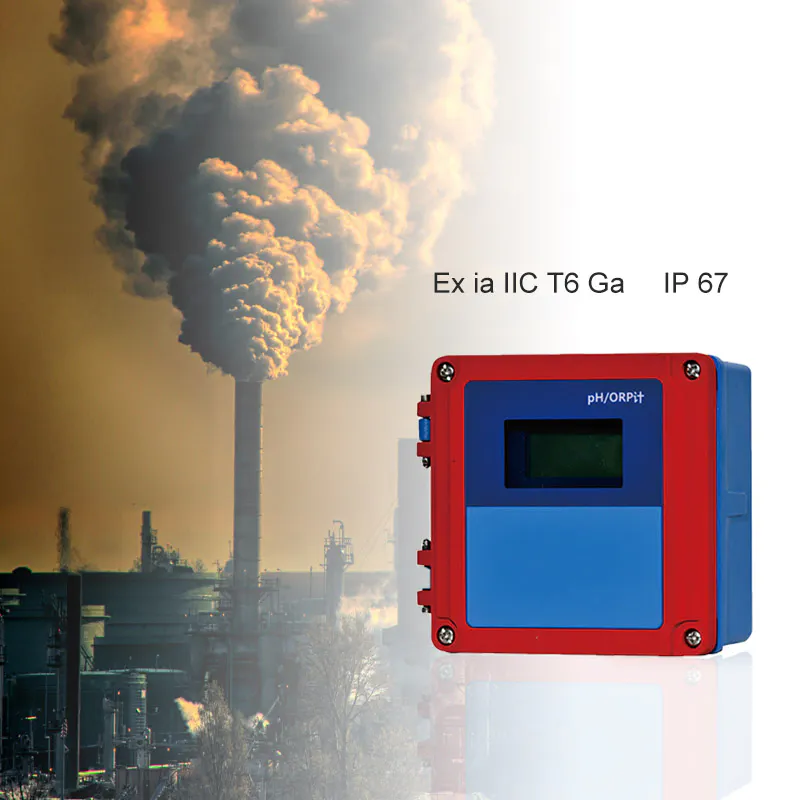
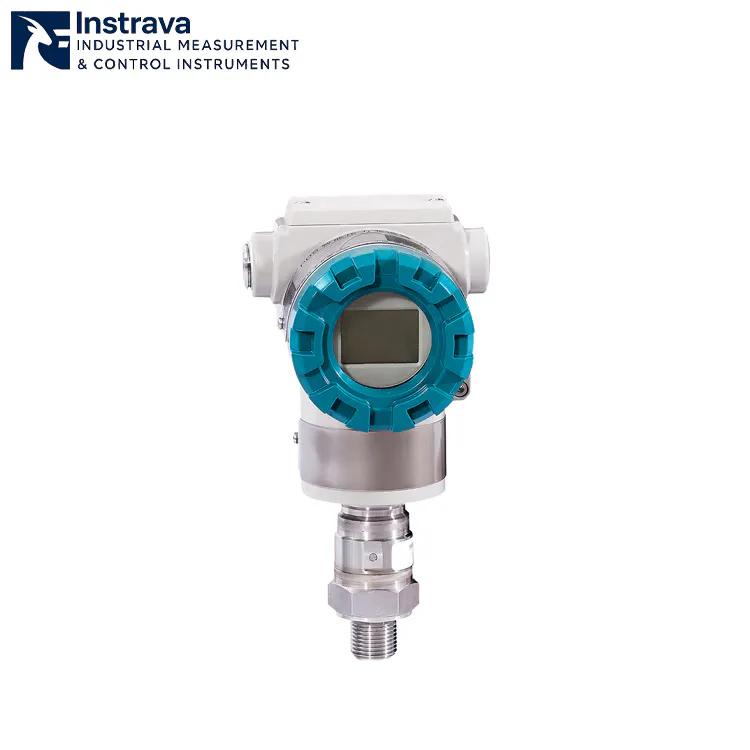
Explosion-proof pH ORP analyzer transmitter, Ex ia IIC T6 Ga, for hazardous area water quality monitoring
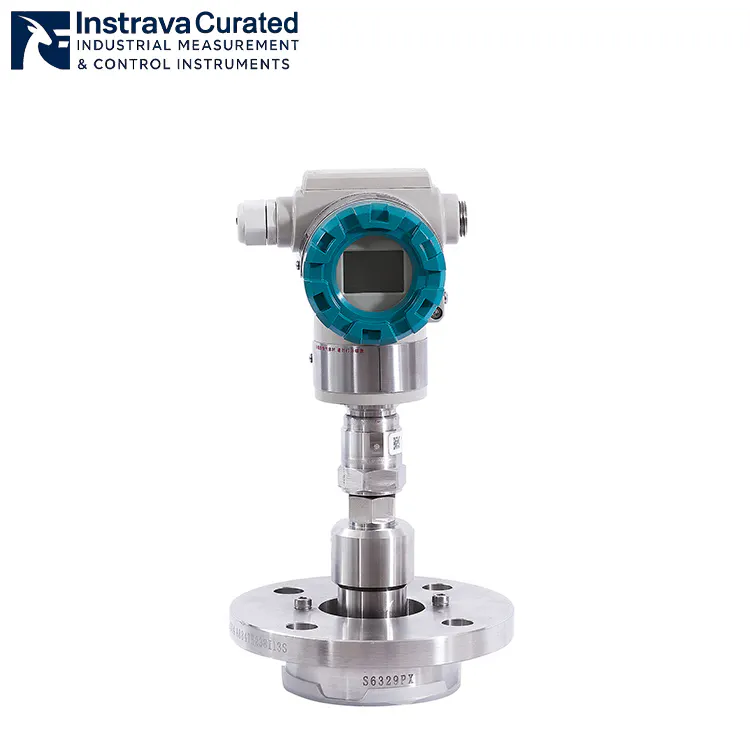
pH ORP transmitter with multiple electrode probes for industrial water quality monitoring

Analyzer Transmitter | Multi-Channel Measurement System & Performance

The transmitter adopts a multi-channel architecture, allowing simultaneous measurement of multiple water quality parameters without signal interference. Each channel operates independently, ensuring high accuracy and long-term stability.

Advanced signal processing and automatic temperature compensation provide reliable measurement performance under changing process conditions, making the analyzer suitable for continuous 24/7 operation in harsh and hazardous environments.

Explosion-proof pH Transmitter – Applications & Media Compatibility

The intrinsically safe multi-parameter analyzer is widely used in:

  • Petrochemical and chemical processing plants

  • Hazardous wastewater treatment systems

  • Oil & gas production facilities

  • Industrial effluent monitoring in explosive areas

  • Environmental monitoring in classified zones

Compatible media include:

  • Industrial wastewater and effluent

  • Process water containing flammable or corrosive substances

  • Acidic, alkaline, and chlorinated solutions

Supported sensors:

  • pH and ORP electrodes

  • Dissolved oxygen sensors

  • Turbidity sensors

  • Residual chlorine electrodes

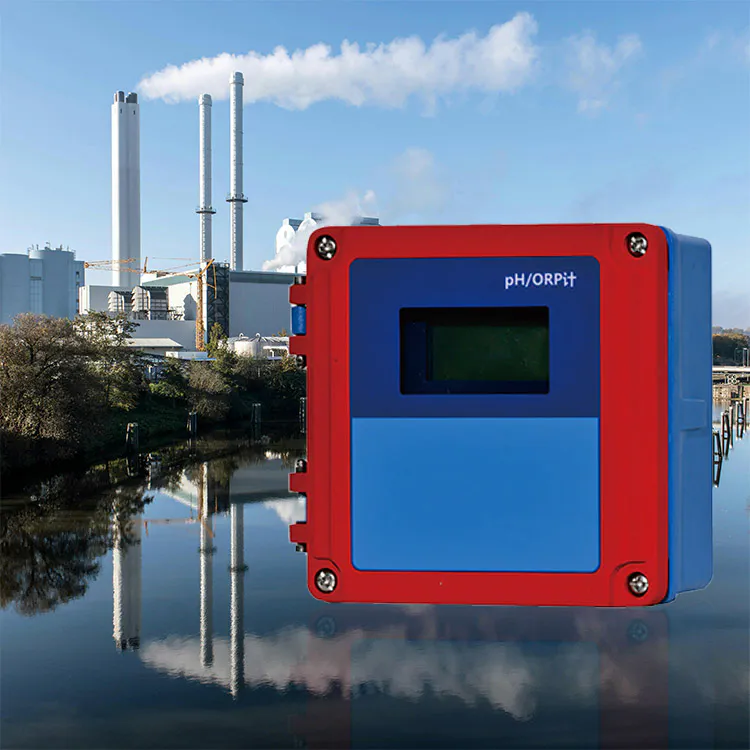
Explosion-proof pH ORP transmitter application in industrial hazardous areas
industrial pH ORP transmitter used for water treatment and environmental monitoring

Ph Analyzer Transmitter-Output, Communication & System Integration

The analyzer provides intrinsically safe 4–20 mA outputs for each measurement channel and supports RS485 Modbus RTU communication for digital integration.

It can be seamlessly connected to PLC, DCS, and SCADA systems through certified safety barriers, enabling centralized monitoring, alarm management, and regulatory compliance reporting.

Transmitters & Sensors Parameter  

Technical Specifications – Intrinsically Safe pH / ORP Analyzer

Measurement Range & Resolution

  • pH: –2.00 to 14.00 pH
    Resolution: 0.01 pH

  • ORP: –1999 to +1999 mV
    Resolution: 1 mV

  • Temperature: –15 to 130 °C
    Resolution: 0.1 °C

Automatic Temperature Compensation

  • Compensation Range: 0 to 100 °C

  • Reference Temperature: 25 °C

Accuracy

  • pH: ±0.01 pH

  • ORP: ±1 mV

  • Temperature: ±0.5 °C (0 to 100 °C)

Stability

  • pH Drift: ±0.02 pH / 24 h

Output & Electrical Isolation

  • Output Signal: 4–20 mA

  • Isolation: Input, output, and power supply are fully isolated

  • Power Supply: Via intrinsic safety barrier

Power Supply

  • Supply Voltage: 24 V DC + 2.4 V

Protection Class

  • Ingress Protection: IP67

Operating Conditions

  • Ambient Temperature: –20 to +70 °C

  • Relative Humidity: < 90% RH (non-condensing)

Explosion Protection

  • Explosion Protection Rating: Ex ia IIC T6 Ga

Intrinsic Safety Parameters

  • Ui: 28 V DC

  • Ii: 93 mA

  • Pi: 0.65 W

  • Ci: 0.044 μF

  • Li: 0 mH

Instrava OEM/ODM

Reliable Instruments. Solutions That Fit Your Application.

Instrava is focused on delivering reliable industrial solutions through carefully curated products, application-driven optimization, and flexible customization. We select proven instruments from trusted manufacturers to ensure consistent quality, optimize solutions based on real working conditions to solve practical challenges, and provide tailored configurations to meet specific application needs.

By combining selection expertise with application understanding, Instrava helps customers reduce risk, improve efficiency, and achieve dependable results in complex industrial environments.

symbolizing trust and the beginning of a long-term partnership

Related Product Recommendations  

This analyzer is certified Ex ia IIC T6 Ga, making it suitable for Zone 0, Zone 1, and Zone 2 hazardous areas. It can be safely installed in environments with flammable gases such as hydrogen, acetylene, and petrochemical vapors commonly found in oil & gas, chemical plants, and wastewater treatment facilities.

Yes. This multi-parameter analyzer supports pH, ORP, dissolved oxygen, turbidity, residual chlorine, and temperature through a multi-channel architecture, reducing installation cost, wiring complexity, and the number of field devices required in hazardous locations.

The transmitter uses intrinsic safety barriers and features fully isolated 4–20 mA outputs (input, output, and power supply isolation). This design prevents energy accumulation and ensures safe signal transmission to PLC or DCS systems without risk of ignition.

Yes. The analyzer is designed for sewage, industrial wastewater, and corrosive chemical media. It supports corrosion-resistant electrodes and stable signal processing, ensuring reliable measurement even under high humidity, variable temperature, and fluctuating water quality conditions.

Calibration frequency depends on the measured parameter and application. For most wastewater and industrial processes, routine calibration every 1–3 months is recommended. The transmitter itself is maintenance-free; only sensor cleaning and calibration are required.

Yes. The system supports custom sensor combinations, output configurations, communication options, enclosure materials, and mounting methods, allowing seamless integration into customized hazardous-area water monitoring projects.

Why Choose Instrava

Built on Consistency, Not Claims

Focused on Industrial Applications

We specialize in industrial analysis and detection, with a clear understanding of real-world operating environments and requirements.

Strict Product Selection Criteria

Every instrument is evaluated based on performance, stability, and application suitability—not just specifications or pricing.

Reliable Supply & Quality Consistency

We work with trusted manufacturers to ensure stable supply, consistent quality, and dependable delivery.

Practical, Experience-Based Support

Our recommendations are grounded in application understanding, helping customers avoid common issues and achieve reliable results.

Instrava is built to reduce uncertainty—so every decision you make is clearer, safer, and more reliable.

Industrial measurement scene showing a worker using a precision measuring instrument to measure and mark material on a workbench, demonstrating the practical application of measuring instruments in manufacturing and processing.

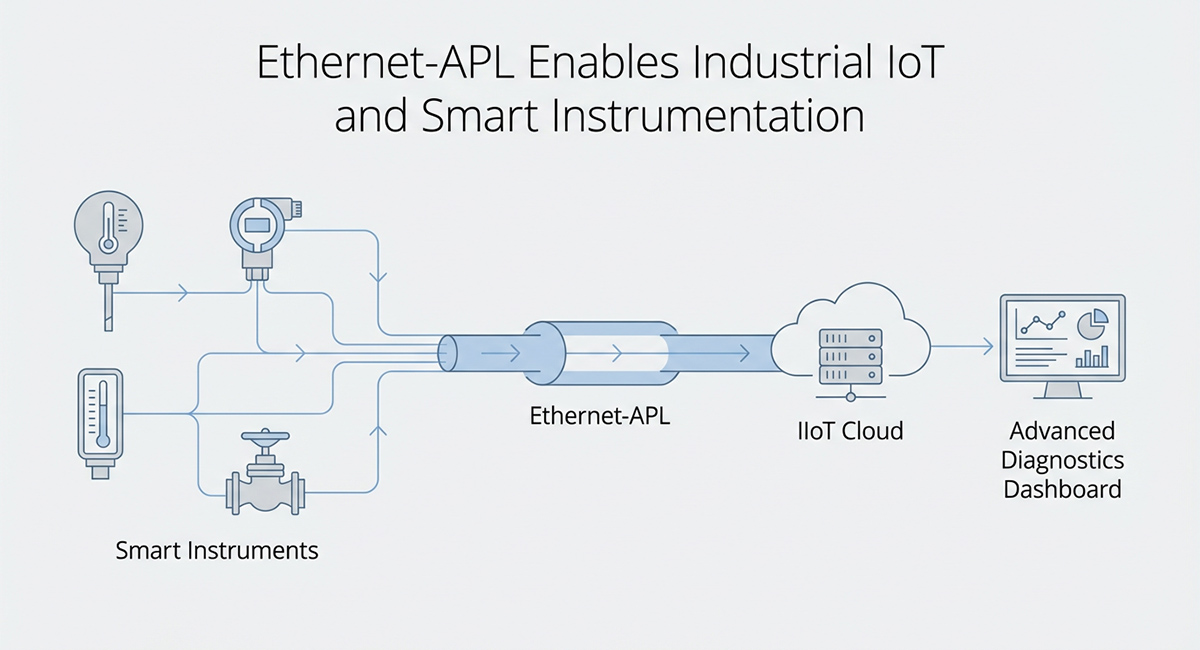
How Ethernet-APL Enables Industrial IoT and Smart Instrumentation

  • By Instrava
  • Apr 2, 2026

Industrial systems are rapidly evolving from isolated control environments into fully connected, data-driven ecosystems. At the center of this transformation...

  • 2Min Read

Ethernet-APL vs Fieldbus: A New Era of Industrial Communication

  • By Instrava
  • Apr 2, 2026

Industrial communication technologies have evolved significantly over the past decades. Traditional fieldbus systems such as PROFIBUS and Modbus have long...

  • 3Min Read

Ethernet-APL: The Next-Generation Communication Technology for Process Industries

  • By Instrava
  • Apr 2, 2026

As industrial systems move toward digitalization and intelligent automation, traditional field communication technologies are increasingly unable to meet the demands...

  • 3Min Read
Home
Products
Whatsapp
Contact