Residual Chlorine / Chlorine Dioxide Sensor for Online Water Disinfection Monitoring

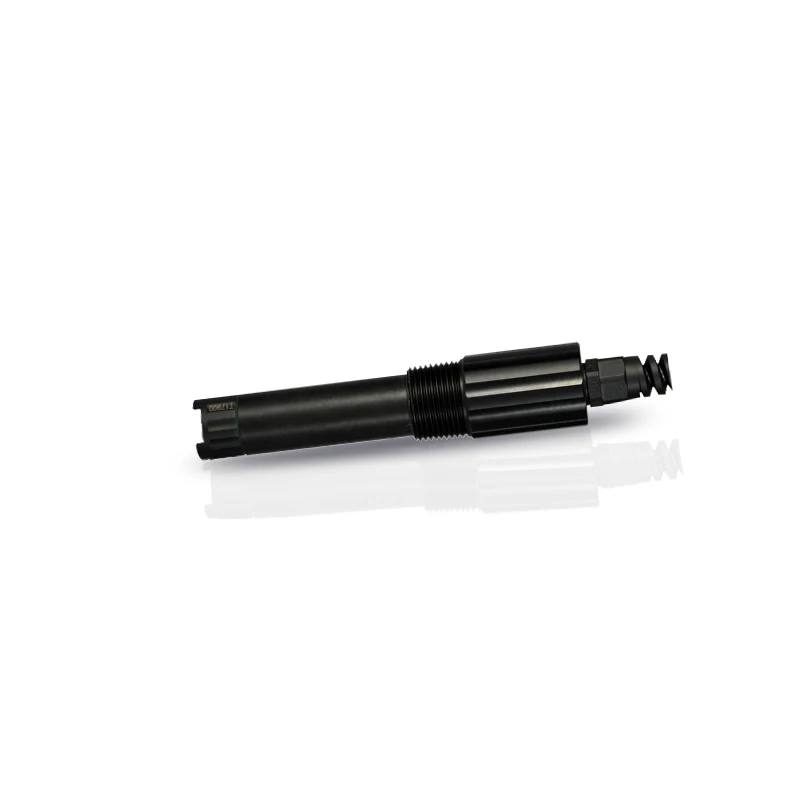
Instrava residual chlorine and chlorine dioxide sensor is designed for accurate and stable online measurement in drinking water and industrial water treatment applications. Based on Swiss membrane-covered amperometric technology, the sensor provides fast response, high precision, and long-term stable operation without the use of reagents.

Key Benefits

  • Swiss membrane-covered amperometric sensor technology

  • Measures residual chlorine (HOCl) and chlorine dioxide (ClO₂)

  • Reagent-free operation with low maintenance requirements

  • Stable measurement independent of flow and pressure changes

  • Suitable for standard, customized, and OEM integration

Transmitters & Sensors Description  

Why Choose This Sensor for Disinfection Monitoring

In water disinfection processes, inaccurate residual chlorine or chlorine dioxide measurement can lead to insufficient sterilization or excessive chemical dosing. This sensor is designed to address these challenges by providing stable, precise, and reliable measurements under real operating conditions.

For water utilities, system integrators, and OEM manufacturers, the sensor offers:

  • High measurement accuracy even at low concentration levels

  • Fast response time for real-time process control

  • Reduced operational costs due to low maintenance and reagent-free design

  • Long-term continuous operation with minimal intervention

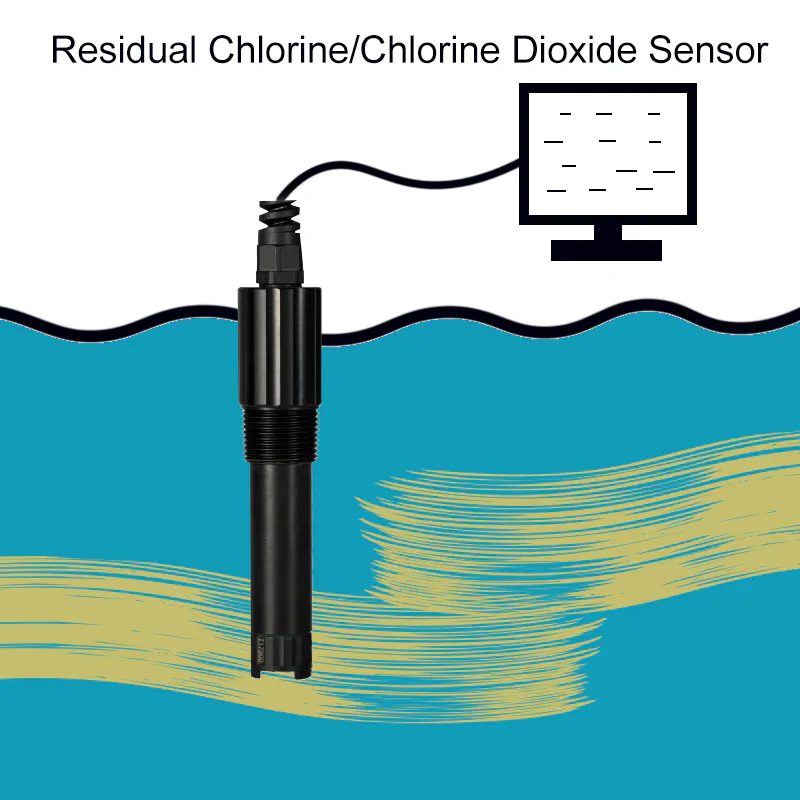
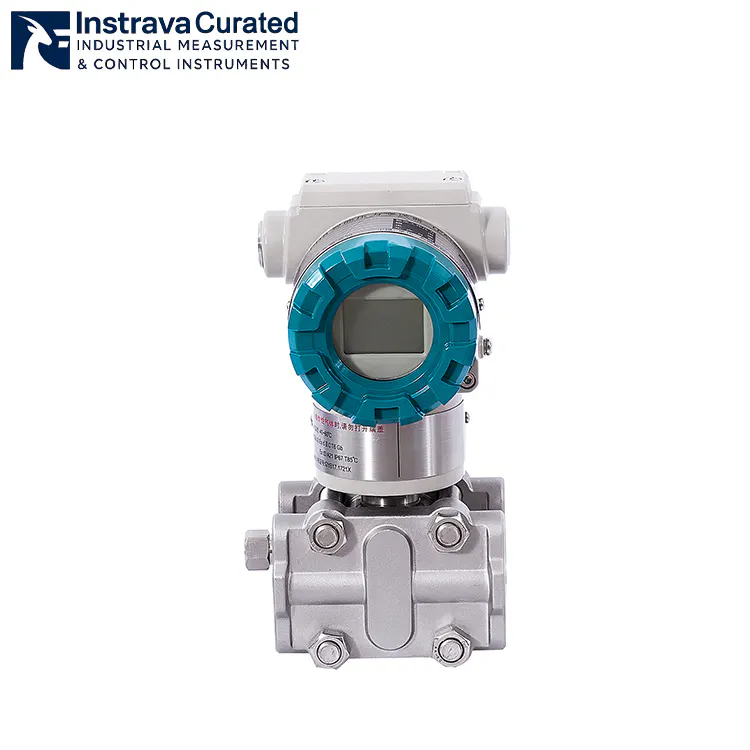
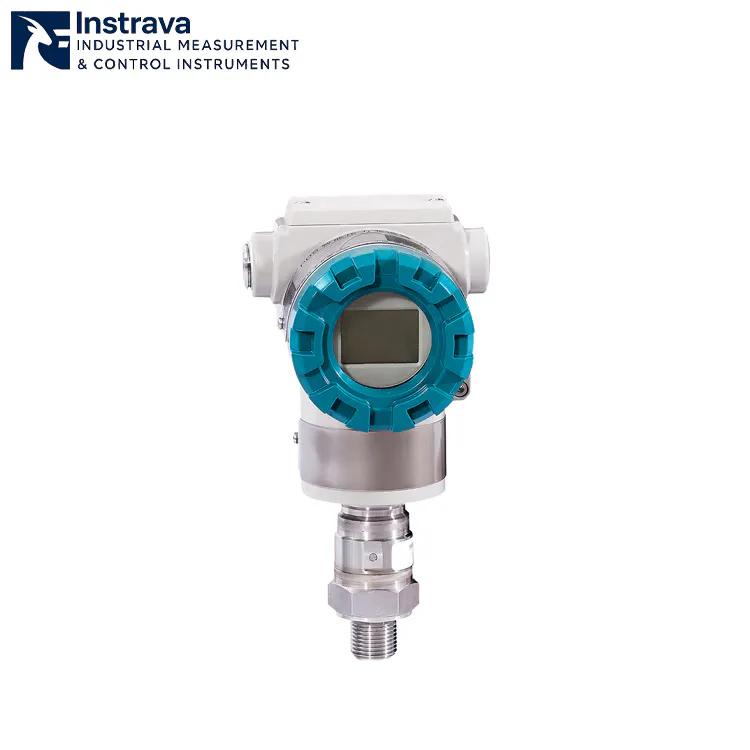
Residual chlorine sensor installed for online water quality measurement
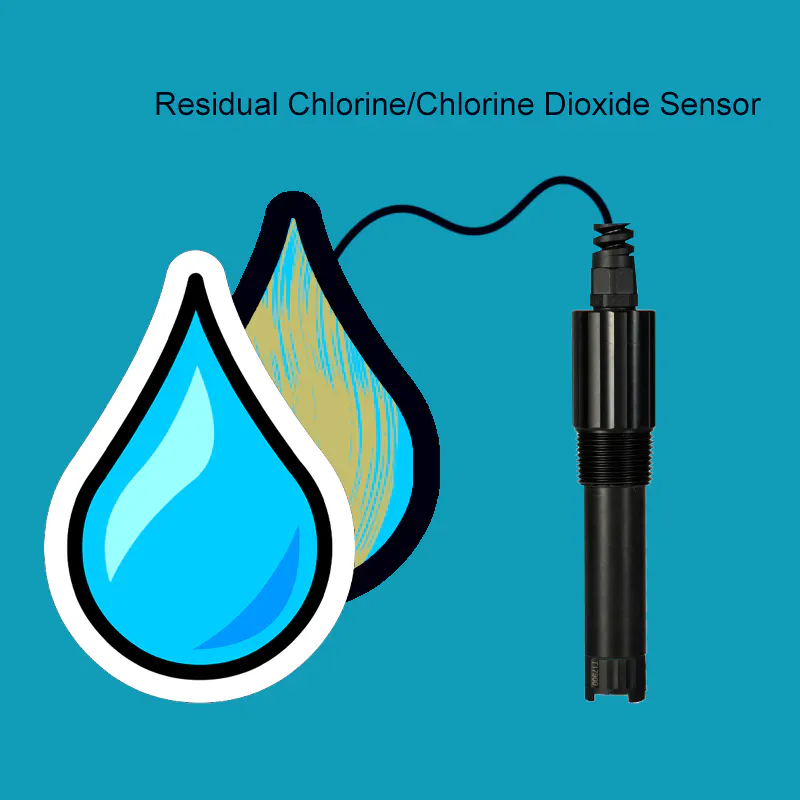
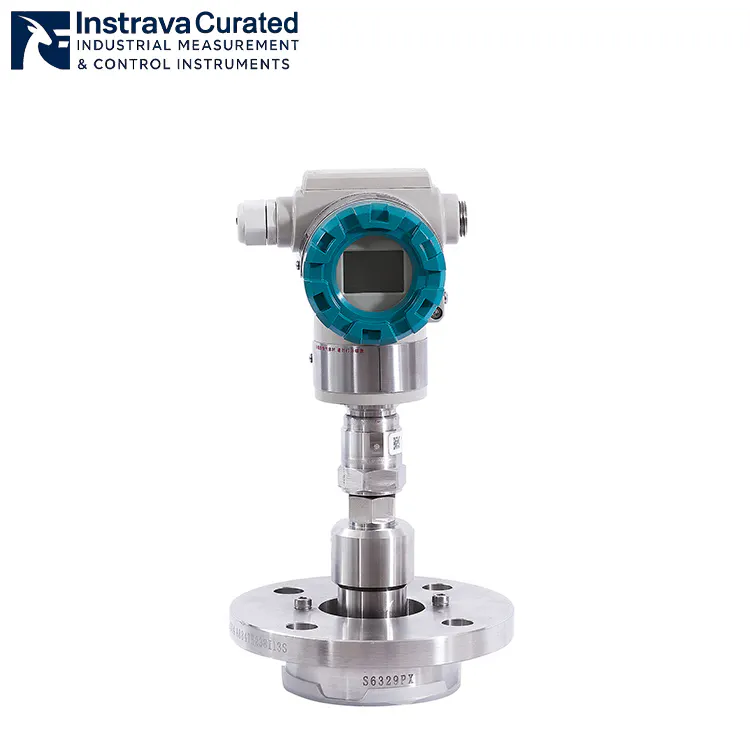
Residual chlorine sensor with flow cell for continuous water quality measurement

Residual Chlorine/chlorine Dioxide Sensor Measurement Technology & Performance

The sensor adopts a Swiss membrane-covered amperometric measurement principle with a three-electrode system, ensuring high selectivity and stable signal output. Integrated Pt1000 temperature sensing enables automatic temperature compensation, while pH compensation further improves measurement accuracy in varying water conditions.

A dedicated flow cell design ensures that measurement results are not affected by changes in flow velocity or pressure, making the sensor suitable for continuous online monitoring.

Technical Advantages

  • Three-electrode amperometric measurement system

  • Automatic temperature compensation via Pt1000 sensor

  • pH-compensated measurement for improved accuracy

  • Fast response time of less than 30 seconds after polarization

  • Designed for long-term continuous operation

Residual Chlorine/chlorine Dioxide Sensor Typical Applications & Use Scenarios

This residual chlorine / chlorine dioxide sensor is widely applied in disinfection monitoring across multiple water-related sectors:

  • Drinking Water Treatment Plants
    Continuous monitoring of disinfectant residuals to ensure water safety and regulatory compliance.

  • Distribution Networks
    Online measurement of residual disinfectants in pipelines and storage facilities.

  • Industrial Process Water
    Monitoring chlorine-based disinfection in cooling water and process water systems.

  • OEM Water Quality Analyzers
    Integration into multi-parameter analyzers, monitoring skids, and automated disinfection control systems.

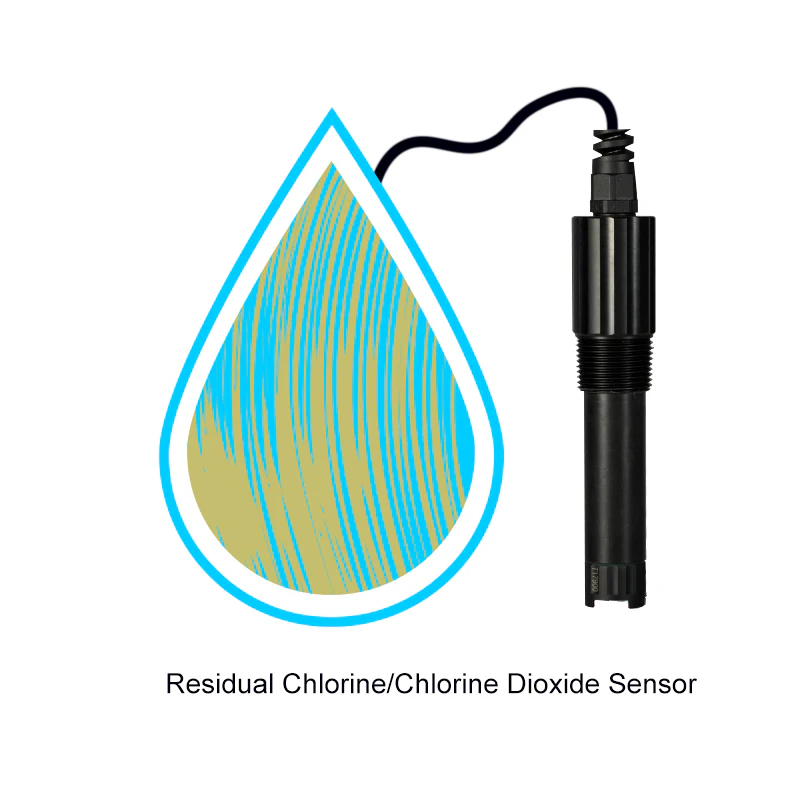
Residual chlorine and chlorine dioxide sensor for online water quality monitoring

Residual Chlorine/chlorine Dioxide Sensor Operation & Maintenance Benefits

The sensor operates without chemical reagents and is designed for long service life. Under normal operating conditions, it can run continuously for at least nine months without maintenance, significantly reducing service frequency and operational workload.

Its low power consumption and robust construction make it suitable for remote and unattended monitoring installations.

Transmitters & Sensors Parameter  

Measured Parameters

  • Residual chlorine (HOCl)

  • Chlorine dioxide (ClO₂)

Measurement Range

  • 0–5 mg/L

  • 0–20 mg/L

Accuracy

  • ±2%

  • ±0.03 ppm at pH 7 (drinking water)

Response Time

  • <30 s after polarization

pH Range

  • 5–9 pH

Conductivity Requirement

  • ≥100 μS/cm

Sample Flow Velocity

  • ≥0.03 m/s (in flow cell)

Maximum Pressure

  • 1.0 MPa

Dimensions

  • Ø21.5 × 133 mm

Process Connection

  • 3/4 NPT

Cable Length

  • 3 m

Ingress Protection

  • IP65

Instrava OEM/ODM

Reliable Instruments. Solutions That Fit Your Application.

Instrava is focused on delivering reliable industrial solutions through carefully curated products, application-driven optimization, and flexible customization. We select proven instruments from trusted manufacturers to ensure consistent quality, optimize solutions based on real working conditions to solve practical challenges, and provide tailored configurations to meet specific application needs.

By combining selection expertise with application understanding, Instrava helps customers reduce risk, improve efficiency, and achieve dependable results in complex industrial environments.

symbolizing trust and the beginning of a long-term partnership

Related Product Recommendations  

This sensor is designed to measure residual chlorine (HOCl) and chlorine dioxide (ClO₂), making it suitable for common disinfection processes in drinking water and industrial water treatment systems.

The sensor uses a membrane-covered amperometric principle with a three-electrode system, combined with automatic temperature compensation and pH compensation to ensure stable and accurate measurements under varying conditions.

No. The sensor is used with a dedicated flow cell, which isolates the measurement from variations in flow velocity and pressure, ensuring consistent and reliable readings during continuous operation.

The sensor operates without chemical reagents and is designed for long-term use. Under normal conditions, it can operate continuously for at least nine months without maintenance, reducing operating costs.

After polarization is completed, the sensor responds to changes in disinfectant concentration in less than 30 seconds, making it suitable for real-time monitoring and control applications.

Yes. Instrava provides OEM and customization support, allowing the sensor to be integrated into analyzers, control panels, and automated water monitoring systems with engineering assistance throughout the project.

Why Choose Instrava

Built on Consistency, Not Claims

Focused on Industrial Applications

We specialize in industrial analysis and detection, with a clear understanding of real-world operating environments and requirements.

Strict Product Selection Criteria

Every instrument is evaluated based on performance, stability, and application suitability—not just specifications or pricing.

Reliable Supply & Quality Consistency

We work with trusted manufacturers to ensure stable supply, consistent quality, and dependable delivery.

Practical, Experience-Based Support

Our recommendations are grounded in application understanding, helping customers avoid common issues and achieve reliable results.

Instrava is built to reduce uncertainty—so every decision you make is clearer, safer, and more reliable.

Industrial measurement scene showing a worker using a precision measuring instrument to measure and mark material on a workbench, demonstrating the practical application of measuring instruments in manufacturing and processing.

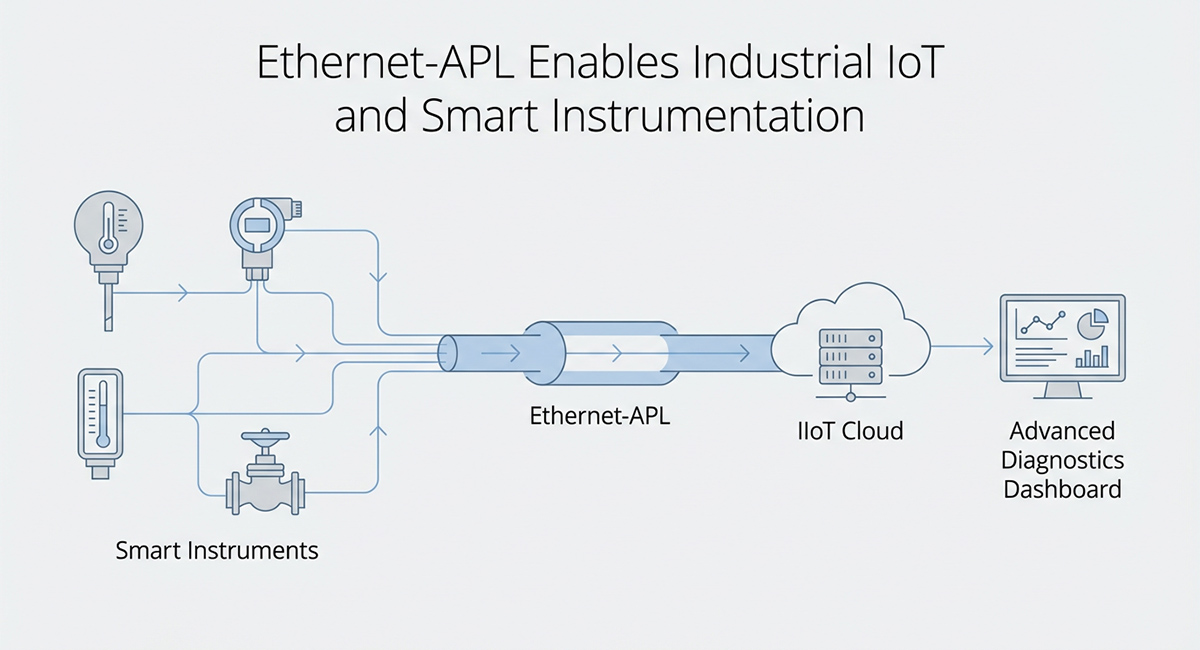
How Ethernet-APL Enables Industrial IoT and Smart Instrumentation

  • By Instrava
  • Apr 2, 2026

Industrial systems are rapidly evolving from isolated control environments into fully connected, data-driven ecosystems. At the center of this transformation...

  • 2Min Read

Ethernet-APL vs Fieldbus: A New Era of Industrial Communication

  • By Instrava
  • Apr 2, 2026

Industrial communication technologies have evolved significantly over the past decades. Traditional fieldbus systems such as PROFIBUS and Modbus have long...

  • 3Min Read

Ethernet-APL: The Next-Generation Communication Technology for Process Industries

  • By Instrava
  • Apr 2, 2026

As industrial systems move toward digitalization and intelligent automation, traditional field communication technologies are increasingly unable to meet the demands...

  • 3Min Read
Home
Products
Whatsapp
Contact