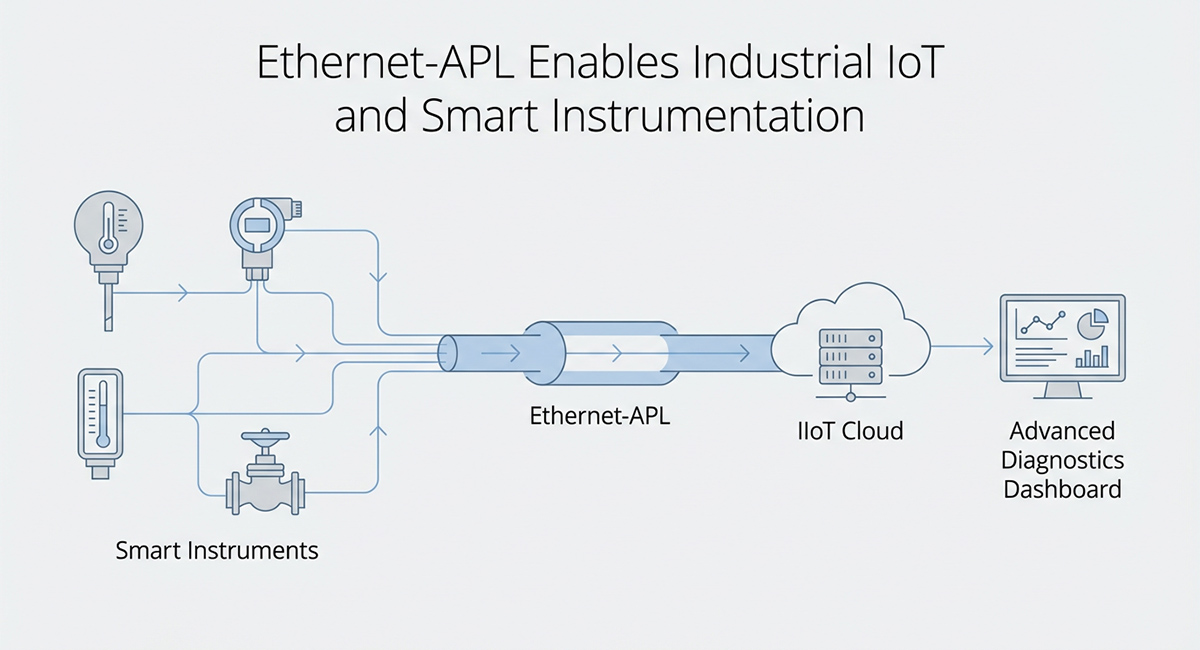
How Ethernet-APL Enables Industrial IoT and Smart Instrumentation
Industrial systems are rapidly evolving from isolated control environments into fully connected, data-driven ecosystems. At the center of this transformation...

Transmitter
Home » Products » Transmitters » Suspended Solids / Sludge Concentration Sensor

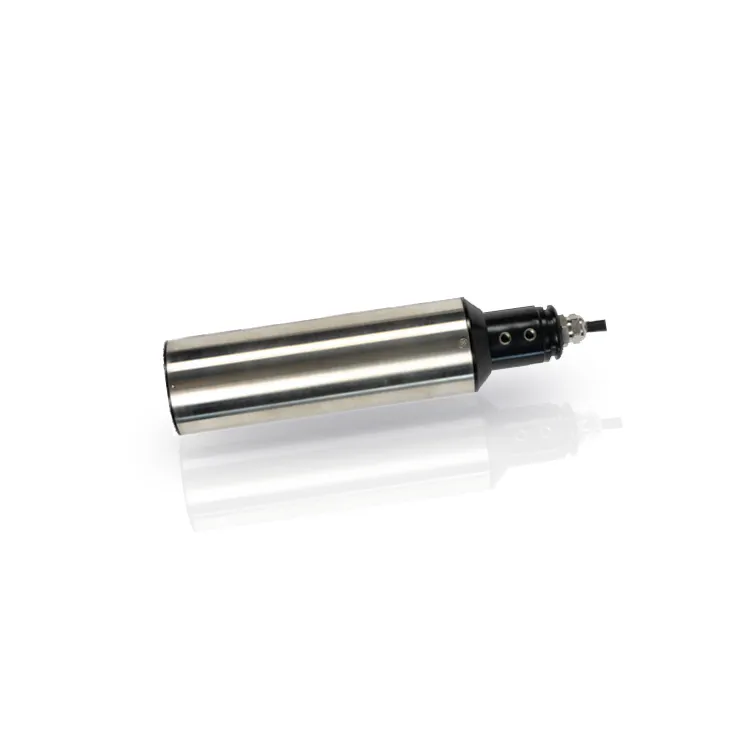
The Suspended Solids / Sludge Concentration Sensor is designed for continuous online measurement of suspended solids (SS) and sludge concentration (MLSS) in water and wastewater treatment processes.
Based on ISO 7027 infrared scattered light technology, the sensor effectively eliminates the influence of sample color and provides stable, repeatable, and reliable measurement results. It is widely used in municipal and industrial wastewater treatment plants, process water systems, and environmental monitoring applications.
Transmitters & Sensors Description
Suspended Solids Sludge Sensor Key Features & Advantages
ISO 7027 Standard Method
Uses infrared scattered light technology to minimize color interference and ensure measurement consistency.
Dual-Beam Infrared Scattering Detection
Improves accuracy, repeatability, and long-term stability.
High Measurement Reliability
Excellent repeatability and stability, suitable for continuous online monitoring.
Built-in Self-Diagnostic Function
Automatically monitors sensor status to ensure reliable and accurate data output.
Optional Automatic Cleaning Scraper
Reduces fouling and maintenance frequency, especially in high-solids applications.
RS485 Communication
Supports connection to upper-level systems such as PLC, SCADA, or data acquisition units.


Suspended Solids Sludge Sensor Typical Applications
Municipal wastewater treatment plants
Industrial wastewater treatment
Activated sludge process monitoring (MLSS)
Sedimentation tanks and aeration basins
Environmental water monitoring
Process water systems with suspended solids
Suspended Solids Sludge Sensor Measurement Principle
The sensor applies infrared scattered light photometric technology in accordance with ISO 7027. When infrared light passes through the sample, suspended solids scatter the light. The scattered light intensity is detected by a dual-beam system and converted into a concentration value, ensuring accurate measurement independent of sample color.


Suspended Solids Sludge Sensor Installation & Maintenance
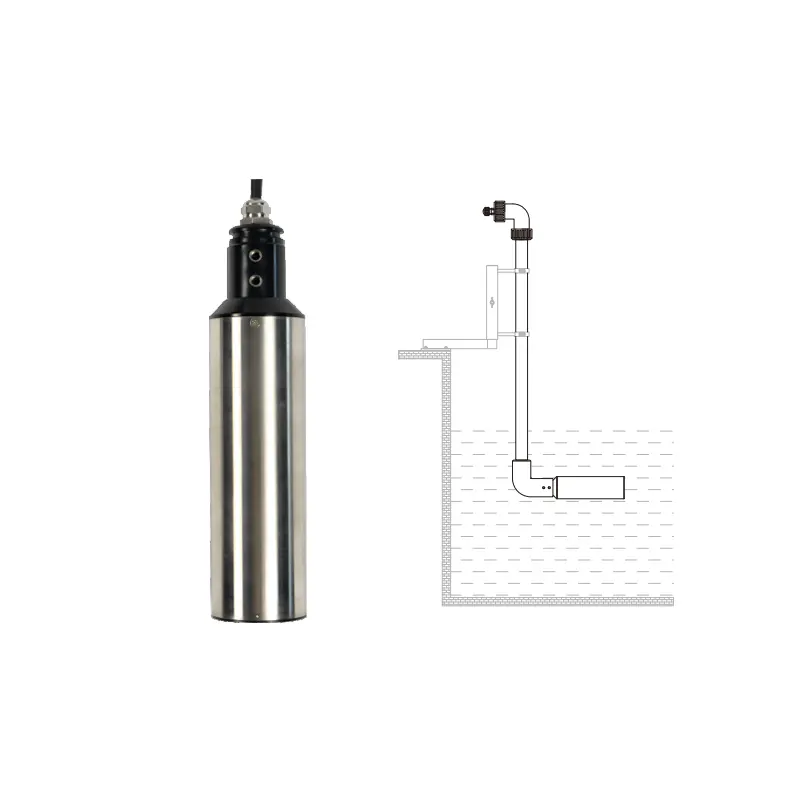
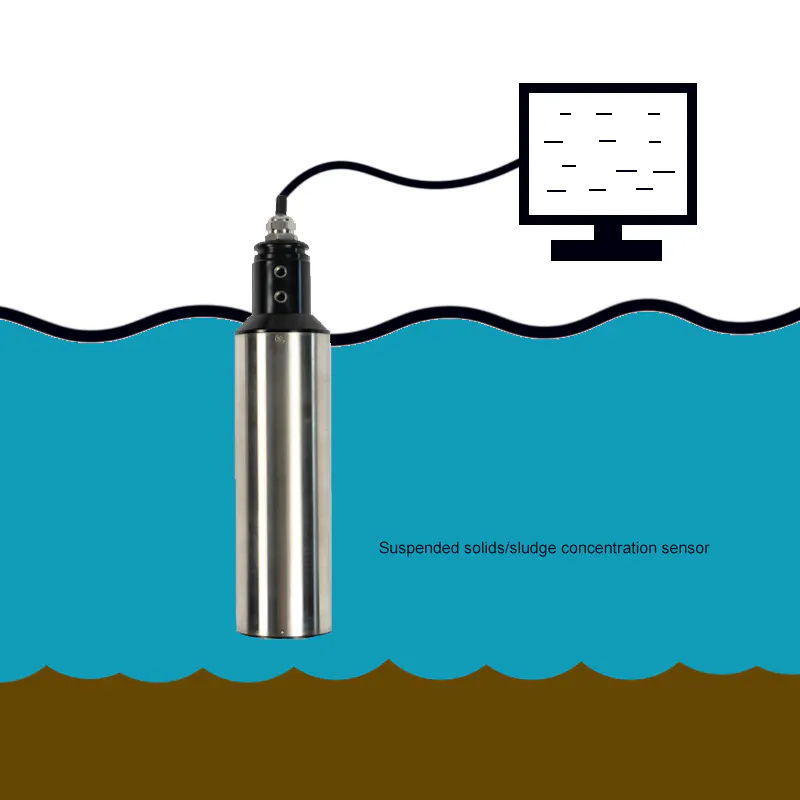
The sensor is designed for submersible installation and can be directly immersed in tanks, channels, or pipelines.
For applications with high fouling potential, the optional automatic cleaning scraper is recommended to reduce maintenance workload and ensure long-term measurement stability.
Transmitters & Sensors Parameter
| Parameter | Specification |
|---|---|
| Measurement Range | 0.01 – 45,000 mg/L / 0.01 – 120,000 mg/L |
| Temperature Range | 0 – 45 °C |
| Pressure Range | ≤ 0.4 MPa |
| Measurement Accuracy | ±5% FS |
| Flow Velocity | ≤ 2.5 m/s |
| Output Signal | RS485 |
| Housing Material | 316L Stainless Steel + PVC |
| Protection Class | IP68 |
| Dimensions | Ø60 × 256 mm |
| Installation Method | Submersible |
| Ambient Temperature | 0 – 60 °C |
| Ambient Humidity | < 90% RH |
| Signal Cable | 10 m standard, customizable up to 100 m |
Instrava OEM/ODM
Reliable Instruments. Solutions That Fit Your Application.
Instrava is focused on delivering reliable industrial solutions through carefully curated products, application-driven optimization, and flexible customization. We select proven instruments from trusted manufacturers to ensure consistent quality, optimize solutions based on real working conditions to solve practical challenges, and provide tailored configurations to meet specific application needs.
By combining selection expertise with application understanding, Instrava helps customers reduce risk, improve efficiency, and achieve dependable results in complex industrial environments.

What is the difference between SS and MLSS measurement in wastewater treatment?
SS (Suspended Solids) generally refers to solids in water or effluent, while MLSS (Mixed Liquor Suspended Solids) is specific to activated sludge concentration in aeration tanks. This sensor supports both applications by measuring suspended solids using infrared scattering technology.
What factors most commonly affect the accuracy of online sludge concentration measurement?
Accuracy can be affected by sludge particle size, air bubbles, flow turbulence, sensor fouling, and improper installation depth. Proper installation and routine cleaning significantly reduce these effects.
How often does the SS / MLSS sensor require maintenance?
Maintenance frequency depends on sludge characteristics. In most wastewater plants, cleaning every 1–4 weeks is recommended. The optional automatic cleaning scraper can greatly extend maintenance intervals.
Can the sensor be used in high-concentration sludge environments?
Yes. The sensor supports measurement ranges up to 120,000 mg/L, making it suitable for high-concentration sludge zones such as aeration tanks, return sludge lines, and thickening processes.
How does ISO 7027 technology reduce measurement errors?
SO 7027 infrared scattered light technology minimizes the influence of sample color and ambient light, ensuring consistent and reliable sludge concentration measurement even in dark or colored wastewater.
What is the recommended installation method for stable online measurement?
Submersible installation in areas with stable flow and representative sludge mixing is recommended. Avoid installation near aerators, in dead zones, or areas with excessive turbulence to ensure accurate and stable readings.
Built on Consistency, Not Claims
We specialize in industrial analysis and detection, with a clear understanding of real-world operating environments and requirements.
Every instrument is evaluated based on performance, stability, and application suitability—not just specifications or pricing.
We work with trusted manufacturers to ensure stable supply, consistent quality, and dependable delivery.
Our recommendations are grounded in application understanding, helping customers avoid common issues and achieve reliable results.
Instrava is built to reduce uncertainty—so every decision you make is clearer, safer, and more reliable.

Industrial systems are rapidly evolving from isolated control environments into fully connected, data-driven ecosystems. At the center of this transformation...
Industrial communication technologies have evolved significantly over the past decades. Traditional fieldbus systems such as PROFIBUS and Modbus have long...
As industrial systems move toward digitalization and intelligent automation, traditional field communication technologies are increasingly unable to meet the demands...