
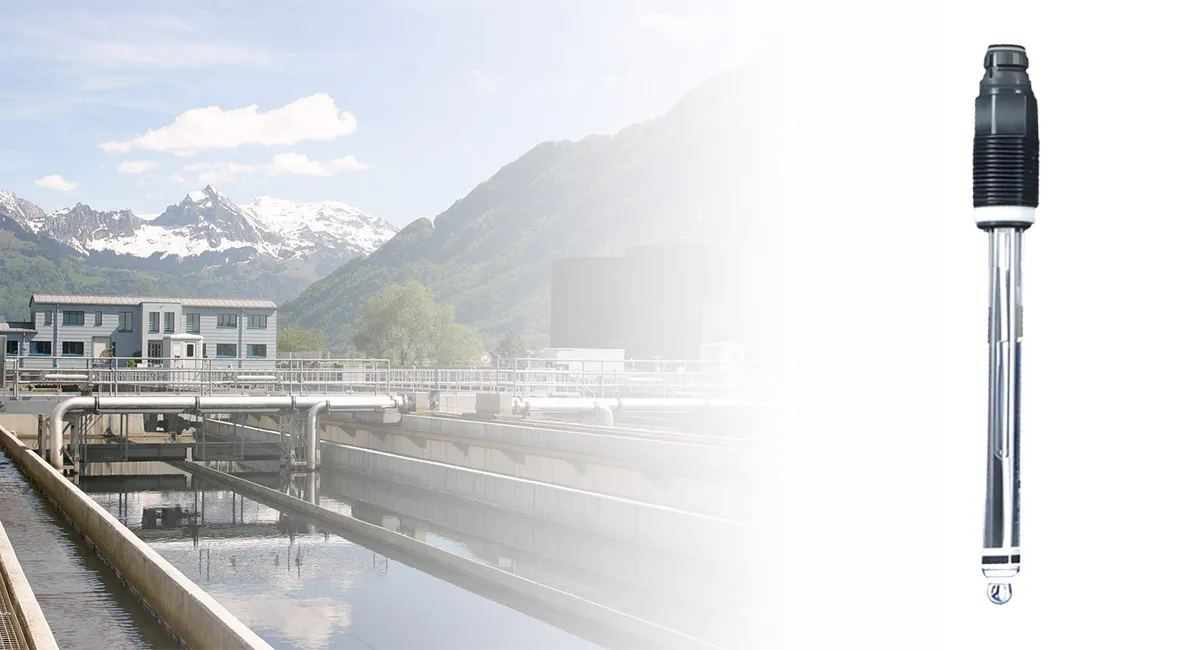
Как выбрать подходящий датчик pH ORP для промышленных применений
Выбор подходящего датчика pH и ОВП является важнейшим этапом в обеспечении надежного контроля качества воды и технологического процесса. В промышленных условиях рабочие характеристики датчика напрямую влияют на стабильность технологического процесса, уверенность в соблюдении нормативных требований и долгосрочные эксплуатационные расходы.
Эффективный выбор датчика зависит не столько от основных принципов измерения, сколько от того, насколько датчик соответствует реальным условиям технологического процесса, требованиям к техническому обслуживанию и требованиям к интеграции в систему.
Начните с реальных условий технологического процесса
Промышленность Датчики pH и ОВП работают в самых разных условиях — от чистой технологической воды до сильно загрязненных сточных вод. На работу датчиков влияют колебания температуры, воздействие химических веществ, содержание взвешенных частиц и условия потока.
Прежде чем приступать к оценке технических характеристик датчиков, необходимо определить:
Диапазон температур процесса
Химический состав и агрессивность
Наличие твердых частиц, масел или биологических отложений
Непрерывная или периодическая работа
Датчик, выбранный без учета этих факторов, зачастую в реальных условиях эксплуатации становится нестабильным или требует значительных затрат на техническое обслуживание.
Конструкция датчика важнее технических характеристик
Конструкция датчика pH и ORP в сравнении с условиями эксплуатации
Датчик pH и ОВП, который на бумаге демонстрирует хорошие характеристики, может быстро выйти из строя, если его конструкция не соответствует условиям эксплуатации.
| Особенности конструкции датчика | Подходящие условия | Практическое воздействие |
|---|---|---|
| Стандартный стеклянный электрод | Чистая или слабозагрязненная вода | Хорошая точность, низкая стоимость |
| Промышленное армированное стекло | Суровые условия или колебания уровня pH | Повышенная прочность |
| Эталон с двойным переходом | Сточные воды, химические процессы | Снижение риска отравления |
| Открытый или кольцевой переход | Высокое содержание твердых частиц или осадка | Повышенная устойчивость к засорению |
В промышленных условиях загрязнение и загрязнение эталонного элемента являются распространенными причинами дрейфа показаний. Выбор подходящего состава стекла и конструкции эталонного элемента позволяет значительно повысить долгосрочную стабильность и сократить частоту повторной калибровки.
Стабильность в долгосрочной перспективе ценнее, чем первоначальная точность
Во многих технических паспортах делается акцент на точности, но в реальных условиях эксплуатации, стабильность измерений часто имеет более решающее значение.
Точность и стабильность при выборе датчика pH и ОВП
Стабильный датчик pH и ОВП обеспечивает большую эксплуатационную ценность, чем высокоточный датчик, подверженный частым отклонениям.
| Фактор выбора | Акцент на краткосрочной точности | Акцент на долгосрочной стабильности |
|---|---|---|
| Частота калибровки | Высокий | Низкий |
| Надежность тренда | Непоследовательность | Последовательный |
| Нагрузка на оператора | Увеличение | Снижение |
| Уверенность в процессе | Ограниченный | Высокий |
Частая повторная калибровка приводит к перерывам в работе и увеличивает вероятность человеческой ошибки. Датчики, разработанные с учетом требований стабильности, обеспечивают надежные динамические показатели, которые позволяют принимать уверенные решения, даже если номинальные отклонения в точности минимальны.
Температурная компенсация — это не опция
Измерения pH и ОВП зависят от температуры. В процессах, где температура колеблется, ненадлежащая компенсация приводит к систематической погрешности, а не к случайным отклонениям.
Встроенный датчик температуры в датчике pH/ORP упрощает компенсацию и повышает стабильность результатов, особенно в автоматизированных системах управления.
Совместимость механических и монтажных элементов следует оценивать на раннем этапе
Несоответствие механических параметров является одной из основных причин задержек при монтаже и дополнительных затрат при модернизации. Длина датчика, крепежная резьба, совместимость проточной ячейки и прокладка кабеля должны соответствовать существующей инфраструктуре.
Заблаговременное планирование деталей монтажа сокращает время ввода в эксплуатацию и позволяет избежать ненужной доработки.
Стратегия технического обслуживания влияет на совокупную стоимость владения
Факторы, которые следует учитывать при выборе датчика pH и ORP
Требования к техническому обслуживанию определяют реальную стоимость датчика pH/ORP в течение всего срока его эксплуатации.
| Вопросы технического обслуживания | Неподходящий датчик | Датчик, оптимизированный для конкретного применения |
|---|---|---|
| Частота уборки | Высокий | Снижение |
| Работы по калибровке | Частые | Предсказуемый |
| Риск простоев | Увеличение | Нижний |
| Стоимость за весь срок эксплуатации | Выше | Нижний |
В системах непрерывного мониторинга датчики, разработанные с учетом устойчивости к загрязнению и простоты обслуживания, позволяют значительно сократить время простоев и затраты на рабочую силу.
Совместимость с системами никогда не должна оставаться на втором плане
Датчик pH и ОВП — это лишь одна из составляющих измерительного контура. Совместимость с преобразователями, анализаторами и системами управления имеет решающее значение.
К основным проверкам относятся:
Тип сигнала и формат выходных данных
Совместимость протоколов связи
Ограничения по длине кабеля
Интеграция с существующей архитектурой управления
Выравнивание на системном уровне предотвращает потерю данных и упрощает будущее расширение.
Приоритеты, обусловленные конкретными задачами, определяют окончательный выбор
В разных отраслях придается значение разным критериям эффективности:
Очистка воды: Надежность и простота в обслуживании
Промышленные сточные воды: Устойчивость к загрязнению и надежная эталонная конструкция
Химическая обработка: Химическая совместимость и быстрая реакция
Продукты питания и напитки: Гигиеничная конструкция и простота очистки
Соответствие характеристик датчика приоритетным задачам конкретного применения гарантирует его надежную работу на протяжении длительного времени.
Выбор подходящего датчика pH и ОВП — это решение на долгие годы
При выборе датчика pH и ОВП главное — не найти модель с самыми передовыми техническими характеристиками. Главное — выбрать датчик, который легко интегрируется в технологический процесс, обеспечивает стабильную работу в реальных условиях и позволяет минимизировать затраты на протяжении всего срока службы.
Правильно подобранный датчик pH и ОВП обеспечивает стабильный мониторинг, снижает погрешность и повышает эффективность стратегий управления технологическими процессами в различных областях промышленности.