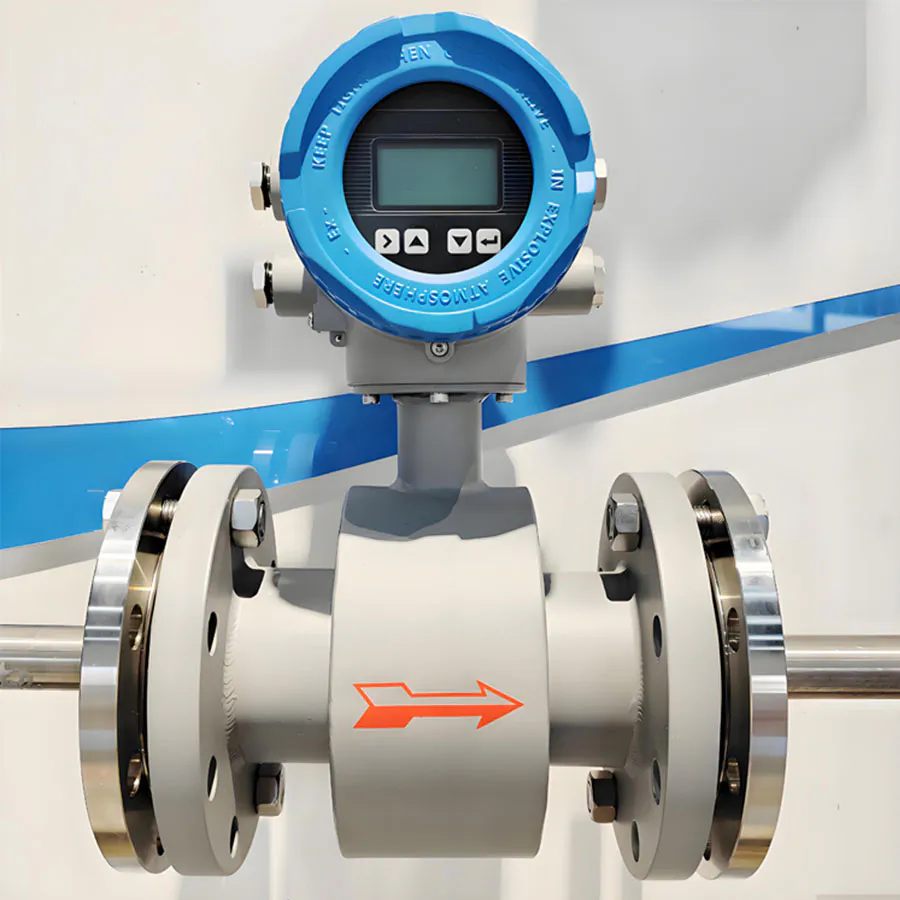
เครื่องวัดอัตราการไหลแบบกังหันอัจฉริยะที่มีสัญญาณเอาต์พุตแบบพัลส์

Solving Stable Flow Measurement for Clean Liquids

The PTF 125 Pulse Output Intelligent Turbine Flowmeter is designed for accurate and repeatable flow measurement of clean liquids in industrial process control applications.
Based on the torque balance principle, the turbine sensor converts fluid kinetic energy directly into rotational motion, producing a high-frequency pulse signal proportional to flow rate.

With a simple mechanical structure, fast dynamic response, and multiple signal output options, PTF 125 is widely used in water, oil, and light hydrocarbon measurement where stability and signal reliability are critical.

คำอธิบายเครื่องวัดอัตราการไหล  

Turbine Type Flow Meter-Core Measurement Advantages

  • High measurement accuracy and repeatability
    Torque-balanced turbine design ensures linear response within the calibrated flow range.

  • Sensitive response to flow changes
    Ideal for process monitoring, batching, and totalizing applications.

  • Pulse output for control systems
    Square-wave pulse signal suitable for PLC, DCS, counters, and data acquisition systems.

  • Multiple output options
    Pulse, 4–20 mA, RS485, and HART protocols available.

  • Rugged industrial construction
    Stainless steel body and wear-resistant impeller materials for long service life.

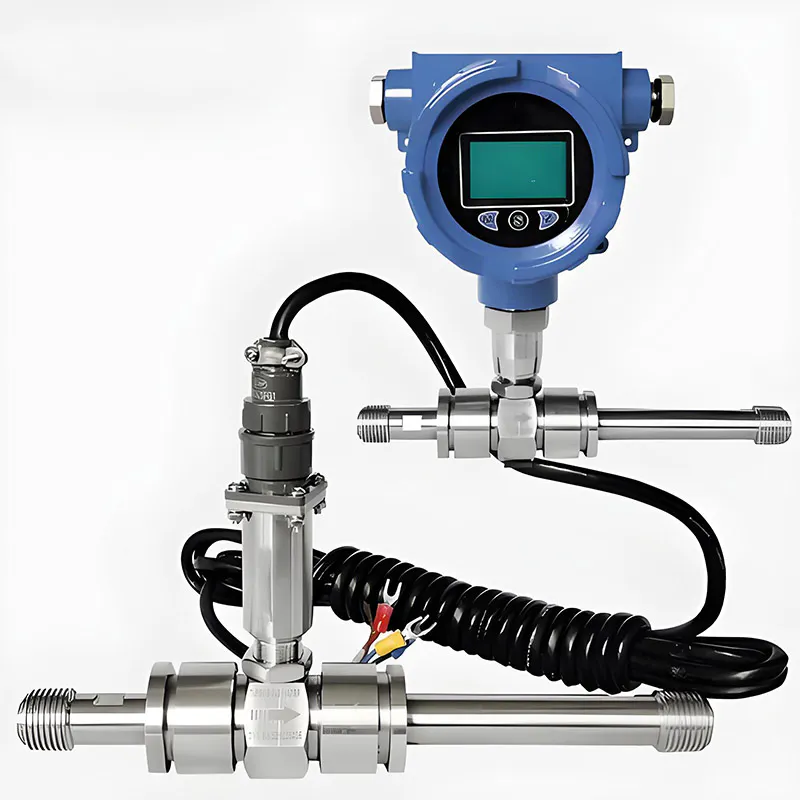
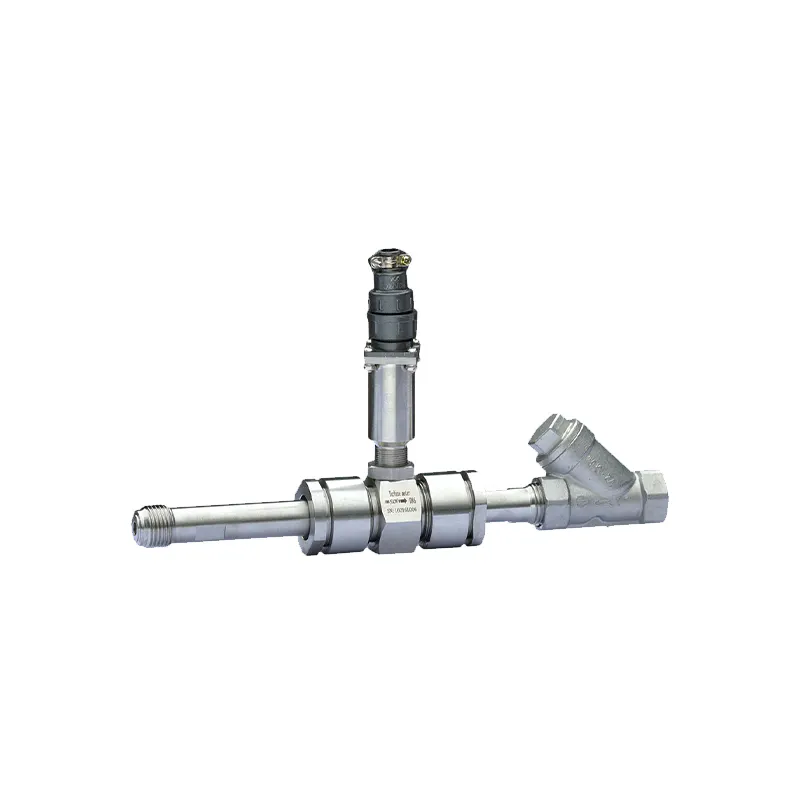
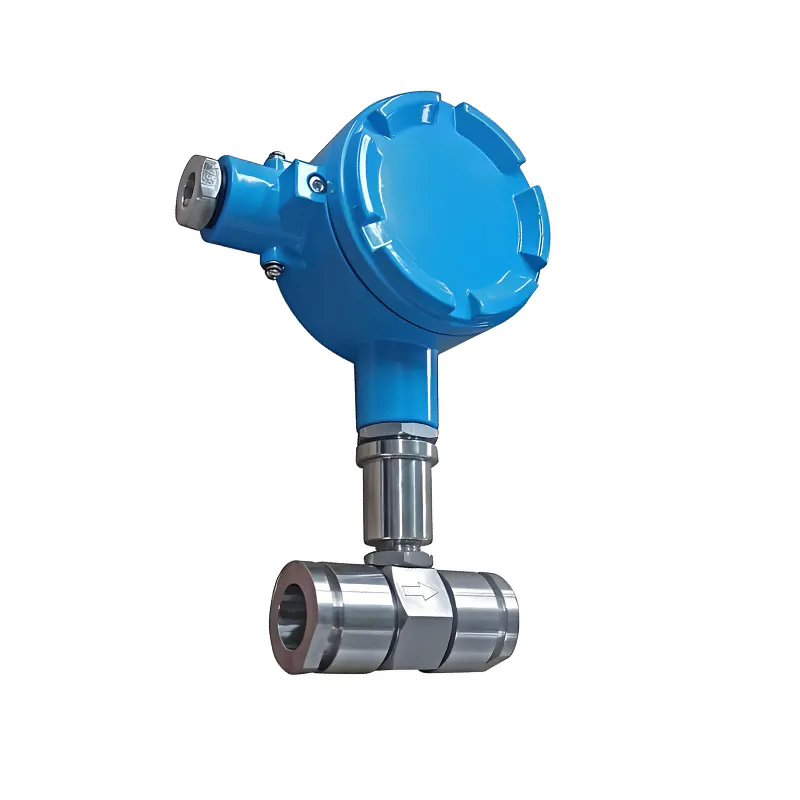
Turbine flow meter with inline stainless steel body and pulse sensor for liquid flow measurement
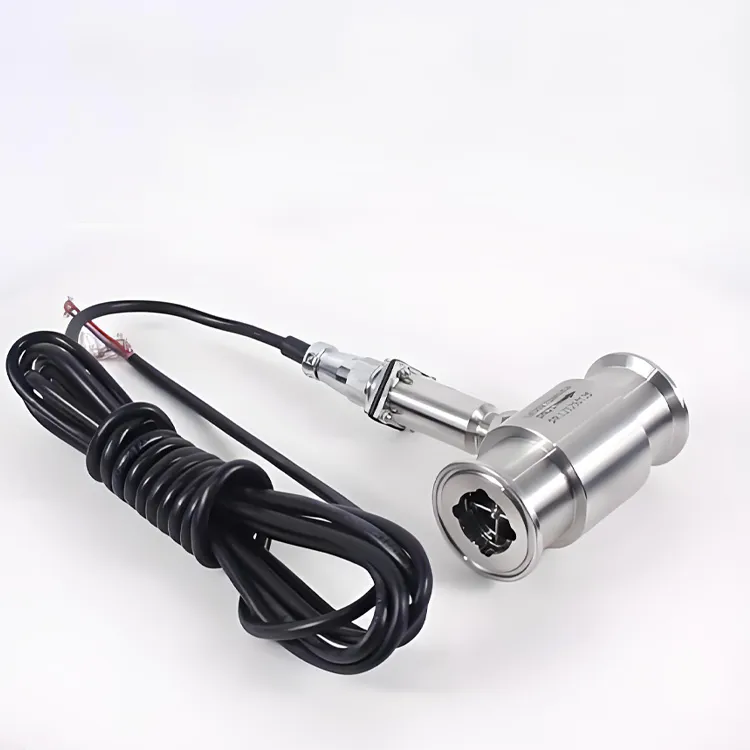
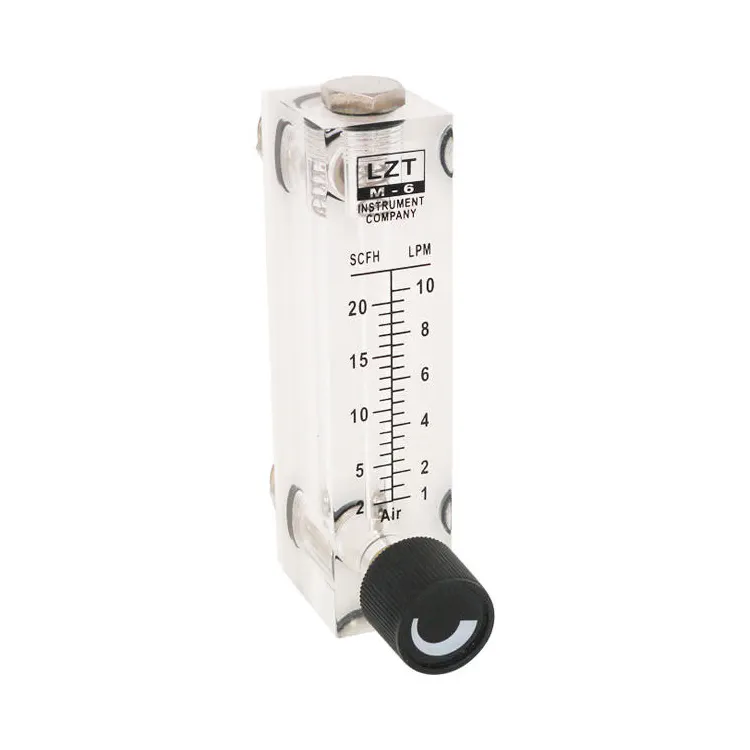
Compact turbine flow sensor with cable for industrial liquid flow measurement

Flowmeter Turbine-Typical Applicable Media

PTF 125 is suitable for clean liquids compatible with stainless steel materials, including:

  • Water and demineralized water

  • Light oils and lubricants

  • Fuel oils and hydrocarbons

  • Other low-impurity industrial liquids

Note:

  • Free from fibers, particles, or solid impurities

  • Recommended viscosity ≤ 5 × 10⁻⁶ m²/s

  • Higher-viscosity liquids require calibration with the actual process fluid

Turbine Flowmeter-Working Principle

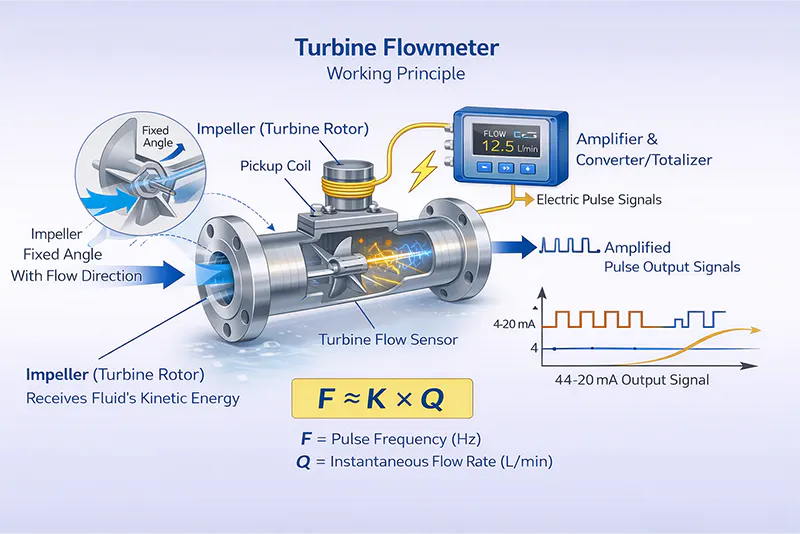
When the measured liquid flows through the turbine flow sensor, the impeller blades—mounted at a fixed angle to the flow direction—receive kinetic energy from the fluid.

As the impeller rotates, it reaches a stable speed once fluid driving torque, friction torque, and resistance torque are balanced. Under defined conditions, the rotational speed of the impeller is directly proportional to the average flow velocity inside the pipe.

Each rotation of the impeller periodically changes the magnetic field at the detection coil, generating an electrical pulse signal. After amplification and signal processing, the system outputs:

  • Pulse signal

  • 4–20 mA analog signal

  • Instantaneous flow rate

  • Totalized flow

Within the calibrated flow range, the relationship between pulse frequency and flow rate is:

Within the calibrated flow range, the pulse frequency is directly proportional to the instantaneous flow rate:

Q = 3600 × F / K

Where:

  • Q — Instantaneous flow rate (m³/h)
  • F — Pulse frequency (Hz)
  • K — Instrument coefficient (pulses/m³), determined during calibration
Turbine flow meter working principle diagram showing rotor, pulse signal, and 4–20 mA output
turbine flowmeter with stainless steel body for industrial liquid measurement

Pulse Output Intelligent Turbine Flowmeter Design

The intelligent pulse output module enables direct signal transmission to control and monitoring systems:

  • Power Supply Options: +12 VDC or +24 VDC

  • Signal Type: Square-wave pulse

  • Transmission Distance: ≤ 300 m

  • Output Amplitude:

    • ~10 V at +12 V supply

    • ~20 V at +24 V supply

การเชื่อมต่อไฟฟ้า

  • Red wire: Power supply positive

  • White wire: สัญญาณพัลส์ขาออก

  • Black wire: Ground

The amplifier is directly mounted to the turbine sensor via M16 × 1.0 threaded connection, ensuring compact installation and reliable signal integrity.

พารามิเตอร์ของเครื่องวัดอัตราการไหล  

รายการข้อกำหนด
แบบจำลองPTF 125
เส้นผ่านศูนย์กลางตามชื่อDN6 ~ DN200
ระดับกลางClean liquids (water, oil, etc.)
Viscosity Range5 ~ 400 mPa·s
อุณหภูมิการทำงาน-20 ~ 120 ℃
ความดันตามชื่อPN16 ~ PN63
ช่วงการไหล≤ 1200 m³/h
Accuracy Class0.5 / 1.0 / 1.5
วัสดุตัวเครื่องSS304 / SS321 / SS316L
Impeller Material2Cr13 / Duplex Stainless Steel
อุณหภูมิแวดล้อม-20 ~ 60 ℃
ความชื้นสัมพัทธ์5 ~ 90% RH
สัญญาณเอาต์พุตPulse / 4–20 mA / RS485 / HART
แหล่งจ่ายไฟ24 VDC ±15%
Battery Option3.6 V Li-battery 10 Ah (no signal output)
กันระเบิดEx dⅡBT4
ระดับการป้องกันIP65
Electrical InterfaceM20 × 1.5
การเชื่อมต่อของกระบวนการFlange or Thread
การติดตั้งHorizontal

อินสตราวา OEM/ODM

เครื่องมือที่เชื่อถือได้. โซลูชันที่เหมาะกับงานของคุณ.

Instrava มุ่งเน้นในการนำเสนอโซลูชันอุตสาหกรรมที่เชื่อถือได้ ผ่านผลิตภัณฑ์ที่คัดสรรมาอย่างพิถีพิถัน การปรับแต่งให้เหมาะสมกับการใช้งาน และการปรับแต่งที่ยืดหยุ่น เราเลือกเครื่องมือที่ผ่านการพิสูจน์แล้วจากผู้ผลิตที่เชื่อถือได้ เพื่อให้มั่นใจในคุณภาพที่สม่ำเสมอ ปรับโซลูชันให้เหมาะสมตามสภาพการทำงานจริงเพื่อแก้ไขปัญหาที่เกิดขึ้นจริง และให้การกำหนดค่าที่ปรับแต่งได้เพื่อตอบสนองความต้องการเฉพาะของการใช้งาน.

ด้วยการผสานความเชี่ยวชาญในการคัดเลือกเข้ากับความเข้าใจในการประยุกต์ใช้งาน Instrava ช่วยให้ลูกค้าลดความเสี่ยง เพิ่มประสิทธิภาพ และบรรลุผลลัพธ์ที่เชื่อถือได้ในสภาพแวดล้อมอุตสาหกรรมที่ซับซ้อน.

เป็นสัญลักษณ์ของความไว้วางใจและการเริ่มต้นของความร่วมมือระยะยาว

คำแนะนำสินค้าที่เกี่ยวข้อง  

Turbine flow meters perform best with low to medium viscosity liquids. As viscosity increases, fluid drag on the impeller rises, which can reduce rotational speed and impact accuracy. For higher-viscosity media, calibration using the actual process fluid is recommended to maintain reliable measurement.

The pulse output frequency is directly proportional to the instantaneous flow rate. Each pulse represents a fixed volumetric increment defined by the meter factor (K-value), making pulse output ideal for batching, totalizing, and PLC-based control systems.

Yes. Pulse output signals can typically be transmitted up to 300 meters, depending on wiring quality and electromagnetic environment. Proper grounding and shielded cables are recommended to ensure signal integrity in industrial installations.

Turbine flow meters must be installed in the correct flow direction and typically in horizontal pipelines. Incorrect orientation can affect impeller rotation stability, leading to inaccurate pulse output and reduced repeatability.

Turbine flow meters require clean liquids without fibers or solid particles. Particulates may damage the impeller or interfere with rotation, causing signal fluctuation or long-term wear.

Yes. Pulse output is widely used for instantaneous flow measurement, total flow accumulation, batching control, and system verification, making it highly compatible with PLC, DCS, and industrial automation systems.

ทำไมต้องเลือก Instrava

สร้างบนความสม่ำเสมอ ไม่ใช่คำกล่าวอ้าง

มุ่งเน้นการใช้งานในอุตสาหกรรม

เราเชี่ยวชาญด้านการวิเคราะห์และตรวจจับในอุตสาหกรรม โดยมีความเข้าใจอย่างชัดเจนเกี่ยวกับสภาพแวดล้อมการทำงานจริงและความต้องการต่างๆ.

เกณฑ์การคัดเลือกผลิตภัณฑ์อย่างเข้มงวด

ทุกเครื่องมือได้รับการประเมินตามประสิทธิภาพ, ความเสถียร, และความเหมาะสมในการนำไปใช้—ไม่ใช่เพียงแค่ข้อมูลจำเพาะหรือราคา.

การจัดหาที่เชื่อถือได้และความสม่ำเสมอของคุณภาพ

เราทำงานร่วมกับผู้ผลิตที่เชื่อถือได้เพื่อให้แน่ใจว่ามีปริมาณการจัดหาที่เสถียร คุณภาพที่สม่ำเสมอ และการจัดส่งที่น่าเชื่อถือ.

การสนับสนุนที่ปฏิบัติได้จริงและอิงจากประสบการณ์

คำแนะนำของเราได้รับการสนับสนุนจากความเข้าใจในการใช้งานจริง ช่วยให้ลูกค้าหลีกเลี่ยงปัญหาทั่วไปและบรรลุผลลัพธ์ที่เชื่อถือได้.

Instrava ถูกสร้างขึ้นเพื่อลดความไม่แน่นอน—เพื่อให้ทุกการตัดสินใจของคุณชัดเจน ปลอดภัย และน่าเชื่อถือมากขึ้น.

ฉากการวัดอุตสาหกรรมที่แสดงคนงานกำลังใช้เครื่องมือวัดความแม่นยำในการวัดและทำเครื่องหมายวัสดุบนโต๊ะทำงาน ซึ่งแสดงให้เห็นถึงการประยุกต์ใช้เครื่องมือวัดในทางปฏิบัติในการผลิตและการแปรรูป.

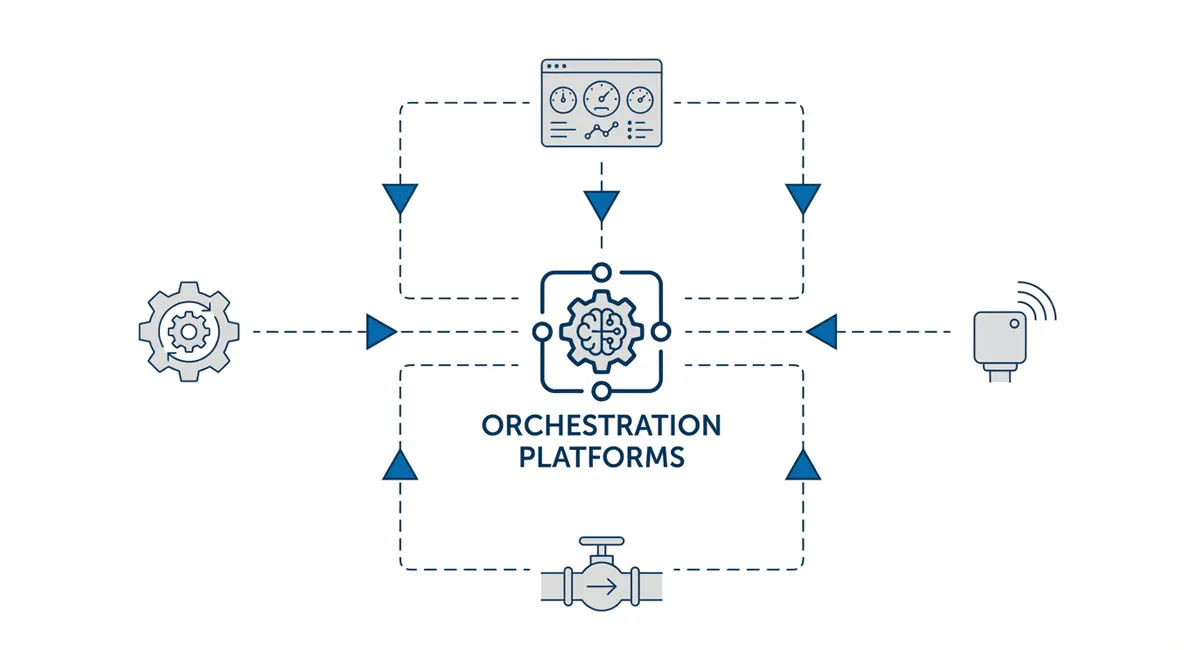
เครื่องมือวัดกำลังเปลี่ยนไปสู่แพลตฟอร์มการประสานงาน: ความหมายสำหรับระบบอุตสาหกรรม

  • โดย อินสตราวา
  • เม.ย. 3, 2026

บทนำ เครื่องมือวัดอุตสาหกรรมกำลังเผชิญกับการเปลี่ยนแปลงพื้นฐาน. ตามแบบดั้งเดิม เครื่องมือวัดเช่นเซ็นเซอร์, ตัวส่งสัญญาณ, และตัววิเคราะห์ ทำงานเป็นอุปกรณ์อิสระ...


  • อ่าน 2 นาที

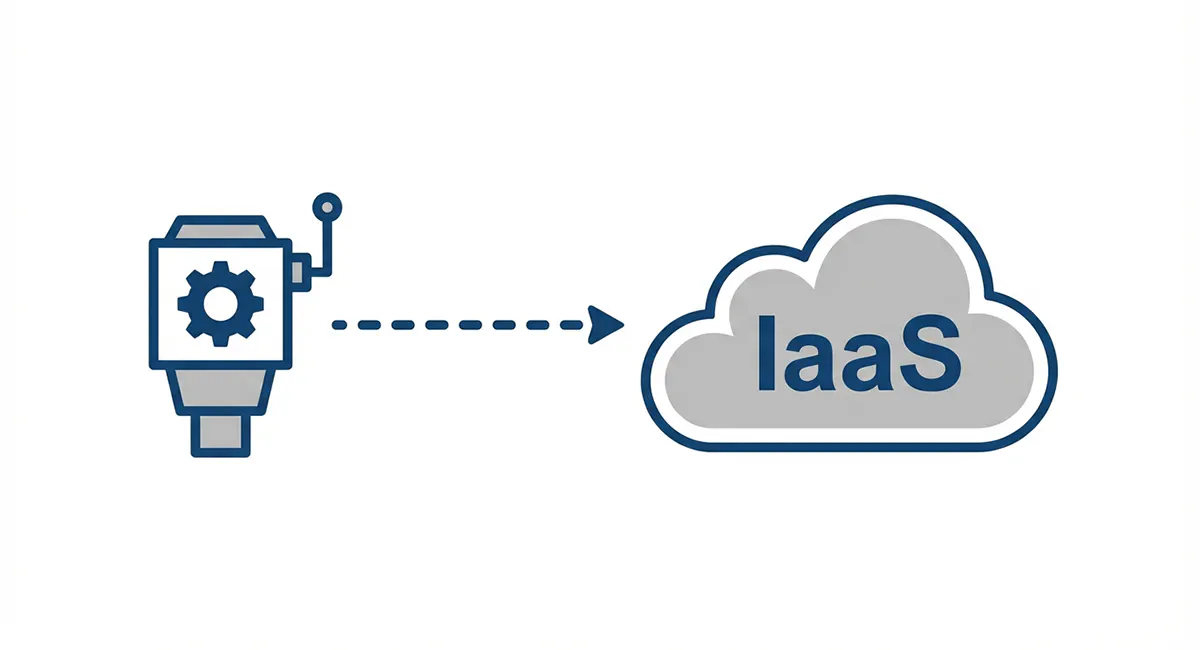
อะไรคือ “เครื่องมือเป็นบริการ” ในระบบอัตโนมัติอุตสาหกรรม?

  • โดย อินสตราวา
  • เม.ย. 3, 2026

เครื่องมือวัดอุตสาหกรรมกำลังเผชิญกับการเปลี่ยนแปลงพื้นฐานครั้งสำคัญ ในอดีต เครื่องมือวัดมักถูกนำไปใช้เป็นอุปกรณ์ฮาร์ดแวร์แบบสแตนด์อโลน—ติดตั้ง ปรับเทียบ และบำรุงรักษาเพื่อ...

  • 1 นาทีในการอ่าน

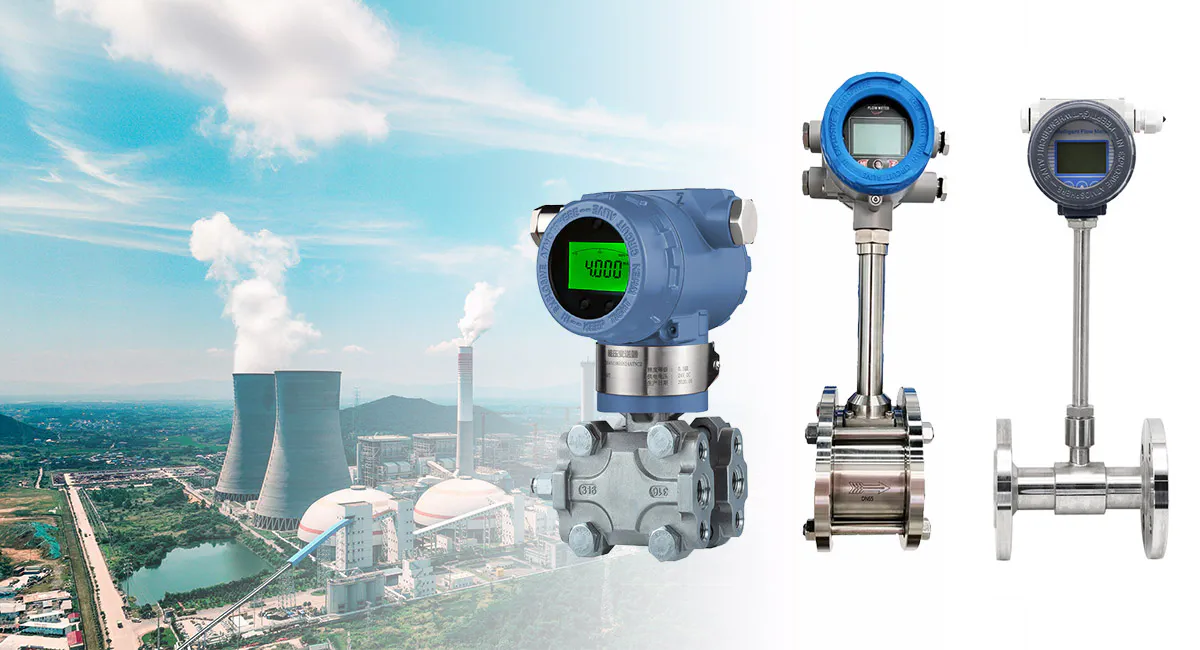
ความแตกต่างระหว่างความร้อน, วอร์เท็กซ์, และความดันต่าง: วิธีเลือกเทคโนโลยีการวัดปริมาณการไหลที่เหมาะสม

  • โดย อินสตราวา
  • ก.พ. 25, 2026

การเลือกเครื่องวัดอัตราการไหลไม่ได้ขึ้นอยู่กับค่าความแม่นยำเพียงอย่างเดียว ในอุตสาหกรรม ความท้าทายที่แท้จริงประกอบด้วย: อัตราการไหลที่เปลี่ยนแปลง ความดัน...
  • 1 นาทีในการอ่าน
หน้าแรก
ผลิตภัณฑ์
Whatsapp
ติดต่อ