
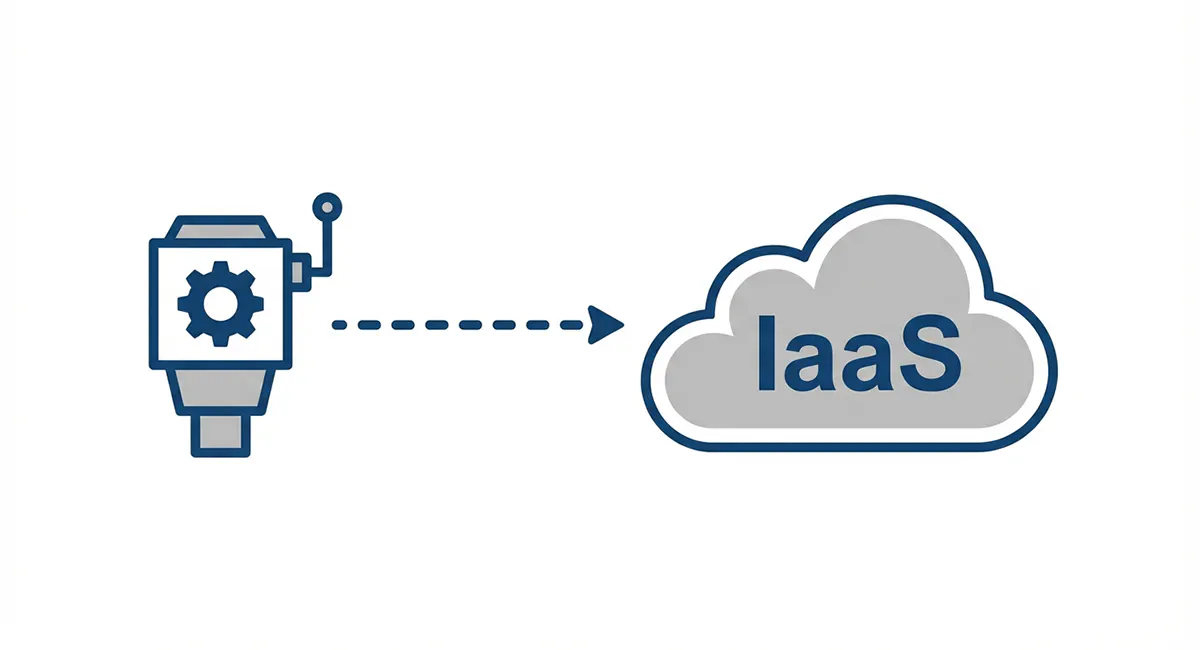
อะไรคือ “เครื่องมือเป็นบริการ” ในระบบอัตโนมัติอุตสาหกรรม?
เครื่องมือวัดอุตสาหกรรมกำลังเผชิญกับการเปลี่ยนแปลงพื้นฐานครั้งสำคัญ ในอดีต เครื่องมือวัดมักถูกติดตั้งเป็นอุปกรณ์ฮาร์ดแวร์แบบสแตนด์อโลน—ติดตั้ง ปรับเทียบ และบำรุงรักษาเพื่อให้สัญญาณการวัดที่สามารถวัดพารามิเตอร์กระบวนการเฉพาะและทำให้สามารถดำเนินการได้.
วันนี้, รูปแบบใหม่ที่กำลังเกิดขึ้น: เครื่องมือเป็นบริการ (IaaS).
การเปลี่ยนแปลงนี้เป็นการเปลี่ยนผ่านในสถาปัตยกรรมอุตสาหกรรมจากแบบที่เน้นฮาร์ดแวร์เป็นศูนย์กลางไปสู่แนวทางที่เน้นข้อมูลและบริการเป็นศูนย์กลาง ภายใต้สถาปัตยกรรมนี้ เครื่องมือต่างๆ จะไม่ใช่อุปกรณ์ที่ทำงานแบบพาสซีฟอีกต่อไป แต่จะกลายเป็นผู้ให้บริการข้อมูล ข้อมูลการวินิจฉัย และข้อมูลเชิงลึกในการดำเนินงานอย่างแข็งขัน.
จากอุปกรณ์สู่บริการ: การเปลี่ยนแปลงเชิงโครงสร้าง
ในระบบดั้งเดิม:
- เครื่องมือสร้างสัญญาณ (เช่น สัญญาณกระแส 4–20 mA).
- ระบบควบคุมตีความสัญญาณเหล่านี้.
- ข้อมูลส่วนใหญ่ถูกจำกัดอยู่ภายในระบบในระดับโรงงาน.
ในโมเดล “เครื่องดนตรีเป็นบริการ”:
- เครื่องมือเปิดเผยข้อมูลของตนผ่านอินเตอร์เฟซดิจิทัล (API).
- ระบบต่าง ๆ สามารถขอ, วิเคราะห์, และดำเนินการกับข้อมูลนี้ได้แบบเรียลไทม์.
- อุปกรณ์กลายเป็นส่วนเชื่อมโยงที่จำเป็นภายในระบบนิเวศที่เชื่อมต่อของบริการ.
การเปรียบเทียบการเปลี่ยนแปลงที่สำคัญ
| เครื่องดนตรีพื้นบ้าน | เครื่องดนตรีเป็นบริการ |
|---|---|
| สัญญาณเอาต์พุต | บริการข้อมูล |
| การดำเนินงานในท้องถิ่น | เชื่อมต่อเครือข่าย |
| การบำรุงรักษาเชิงรับ | บริการคาดการณ์ล่วงหน้า |
| การวินิจฉัยที่จำกัด | ข้อมูลเชิงลึกตลอดวงจรชีวิต |
องค์ประกอบหลักของ “เครื่องมือเป็นบริการ”
1. สถาปัตยกรรมที่รองรับ API
เครื่องมือเปิดเผยข้อมูลที่มีโครงสร้างและอินเทอร์เฟซการทำงาน ซึ่งช่วยให้ระบบควบคุม แพลตฟอร์มคลาวด์ หรือเครื่องมือวิเคราะห์สามารถเข้าถึงและเรียกใช้งานได้.
2. ความพร้อมใช้งานของข้อมูลอย่างต่อเนื่อง
เครื่องมือในปัจจุบันไม่ได้ให้เพียงค่าการอ่านเป็นระยะ ๆ เท่านั้น แต่ยังสามารถส่งข้อมูลอย่างต่อเนื่องและมีคุณภาพสูง (ซึ่งต้องการระบบที่รองรับการส่งข้อมูลความเร็วสูงและการวิเคราะห์อย่างรวดเร็ว).
3. ปัญญาฝังตัว
อุปกรณ์มีความสามารถในการวินิจฉัยตนเอง, การตรวจสอบสถานะสุขภาพ, และการวิเคราะห์เชิงคาดการณ์.
4. การเชื่อมต่อที่ปลอดภัย
กระบวนการสื่อสารได้รับการคุ้มครองผ่านการเข้ารหัสและกลไกการตรวจสอบความถูกต้อง ซึ่งช่วยให้มั่นใจในความสมบูรณ์และความปลอดภัยของข้อมูล.
ทำไมโมเดลนี้ถึงได้รับความนิยมเพิ่มขึ้นในตอนนี้?
ข้อมูลเชิงลึกที่เหนือกว่าสิ่งที่เห็น
การเปลี่ยนผ่านไปสู่รูปแบบ “เครื่องมือเป็นบริการ” ไม่ได้ขับเคลื่อนเพียงนวัตกรรมด้านฮาร์ดแวร์เท่านั้น แต่แรงขับเคลื่อนหลักอยู่ที่มูลค่าที่เพิ่มขึ้นอย่างต่อเนื่องของข้อมูลอุตสาหกรรม.
ปัจจัยขับเคลื่อนหลัก:
- การนำมาใช้แพร่หลายของอุตสาหกรรมอินเทอร์เน็ตของสิ่งต่าง ๆ (IIoT)
- ความต้องการที่เพิ่มขึ้นสำหรับการบำรุงรักษาเชิงพยากรณ์
- การผสานรวมอย่างลึกซึ้งกับแพลตฟอร์มคลาวด์และระบบปัญญาประดิษฐ์ (AI)
- มีความต้องการอย่างเร่งด่วนในการมองเห็นการดำเนินงานแบบเรียลไทม์
ข้อมูลเชิงลึกและการตีความ
เมื่อระบบอุตสาหกรรมมีการพัฒนาไปสู่รูปแบบที่ขับเคลื่อนด้วยข้อมูลมากขึ้น บทบาทของเครื่องมือวัดก็ขยายตัวตามไปด้วย ปัจจุบัน เครื่องมือวัดไม่ได้จำกัดอยู่เพียงแค่การวัดค่าตัวแปรเท่านั้น แต่ยังมีส่วนร่วมอย่างแข็งขันในการเพิ่มประสิทธิภาพกระบวนการ การรับประกันความปลอดภัย และการสนับสนุนการตัดสินใจอีกด้วย.
Instrava อำนวยความสะดวกในการเปลี่ยนแปลงนี้โดยการปรับให้สอดคล้องกับโซลูชันเครื่องมือวัดกับสถาปัตยกรรมการสื่อสารที่ทันสมัย ทำให้ลูกค้าสามารถดึงคุณค่าที่มากขึ้นจากข้อมูลของพวกเขาได้.
ผลกระทบเชิงปฏิบัติต่อการดำเนินงานอุตสาหกรรม
1. การตัดสินใจแบบเรียลไทม์
ผู้ปฏิบัติงานสามารถเข้าถึงข้อมูลแบบเรียลไทม์จากระบบที่เชื่อมต่อใด ๆ ได้ตลอดเวลา ซึ่งช่วยเพิ่มความสามารถในการตอบสนอง.
2. การบำรุงรักษาเชิงคาดการณ์
ความสามารถในการวินิจฉัยอย่างต่อเนื่องช่วยให้สามารถตรวจจับข้อบกพร่องได้ตั้งแต่เนิ่นๆ ซึ่งช่วยลดเวลาหยุดทำงาน.
3. การปฏิบัติงานระยะไกล
อุปกรณ์เครื่องมือสามารถกำหนดค่า, ตรวจสอบ, และบำรุงรักษาได้จากระยะไกล.
4. การบูรณาการระบบ
การผสานรวมอย่างไร้รอยต่อกับระบบ ERP, MES และแพลตฟอร์มคลาวด์.
ผลกระทบต่อรูปแบบธุรกิจ
“รูปแบบการให้บริการเครื่องมือเป็นบริการ” (Instrument-as-a-Service) ได้ก่อให้เกิดรูปแบบธุรกิจใหม่ทั้งหมด:
- บริการสมัครสมาชิกอุปกรณ์และข้อมูล
- สัญญาบริการตามผลการดำเนินงาน
- บริการตรวจสอบและวินิจฉัยระยะไกล
การเปลี่ยนแปลงนี้ย้ายจุดโฟกัสของการสร้างคุณค่าจากการขายฮาร์ดแวร์ครั้งเดียวไปสู่การเป็นพันธมิตรด้านบริการระยะยาว.
การลงทุนอย่างต่อเนื่องของจีนในสาขาต่าง ๆ เช่น การผลิตอัจฉริยะ, อินเทอร์เน็ตของสรรพสิ่ง (IoT), และปัญญาประดิษฐ์ (AI) ให้การสนับสนุนทางเทคโนโลยีที่แข็งแกร่งแก่อุตสาหกรรมการผลิตเครื่องมือวัด ตัวอย่างเช่น การก้าวหน้าอย่างรวดเร็วของเทคโนโลยีเซ็นเซอร์อัจฉริยะได้เพิ่มศักยภาพในการเก็บข้อมูลและการประมวลผลของเครื่องมือวัดอย่างมีนัยสำคัญ ขณะที่การนำไปใช้ของเทคโนโลยี IoT ได้ทำให้สามารถตรวจสอบอุปกรณ์จากระยะไกลและทำนายการบำรุงรักษาได้.
สรุป
“เครื่องมือเป็นบริการ” เป็นเครื่องหมายของการพัฒนาขั้นพื้นฐานภายในขอบเขตของระบบอัตโนมัติในอุตสาหกรรม มันบ่งบอกถึงจุดสิ้นสุดของยุคของระบบซอฟต์แวร์ปิดและระบบกรรมสิทธิ์เฉพาะตัว มันช่วยให้เกิด “ผู้ควบคุม” AI แบบรวมศูนย์ที่สามารถจัดการกลุ่มเครื่องมือจากแบรนด์ต่าง ๆ ได้พร้อมกัน ทำให้เกิด “ห้องปฏิบัติการอัตโนมัติ” ที่สามารถทำงานได้ตลอด 24 ชั่วโมงทุกวันโดยไม่ต้องมีการแทรกแซงจากมนุษย์.
ด้วยการเปลี่ยนอุปกรณ์เครื่องมือวัดให้กลายเป็นผู้ให้บริการที่เชื่อมต่อและชาญฉลาด โมเดลนี้สามารถบรรลุระดับใหม่ในแง่ของการมองเห็น ประสิทธิภาพการดำเนินงาน และความสามารถในการควบคุม.
Instrava มุ่งมั่นที่จะนำเสนอโซลูชันด้านเครื่องมือวัดที่สนับสนุนการเปลี่ยนแปลงนี้—เสริมศักยภาพให้ผู้ใช้ในอุตสาหกรรมก้าวไปสู่ระบบที่ชาญฉลาด เชื่อมต่อกันมากขึ้น และเชื่อถือได้มากยิ่งขึ้น.