
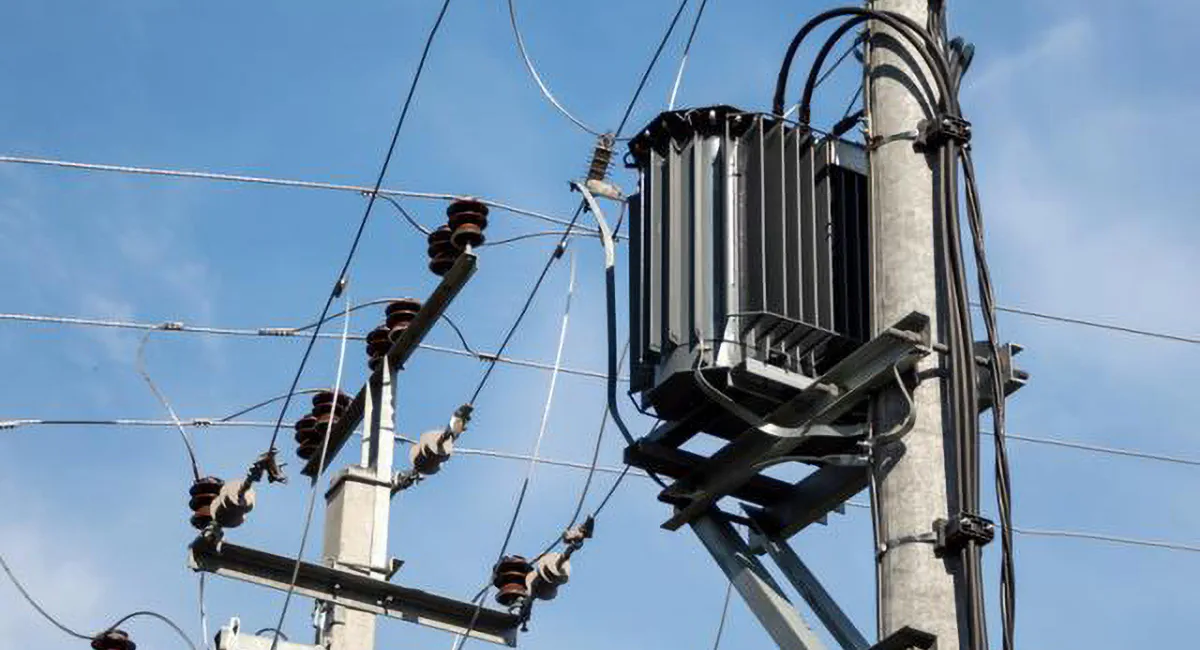
หม้อแปลงไฟฟ้าแบบจุ่มน้ำมันในสภาพแวดล้อมอุณหภูมิสูงและความชื้นสูงของบราซิล
Engineering Context: Why Brazil’s Climate Is a Serious Challenge for Transformers
Brazil’s electrical grid infrastructure spans tropical rainforest, coastal industrial zones, and inland high-temperature regions. In many of these areas, oil-immersed power transformers operate under long-term exposure to high ambient temperature and high relative humidity, which significantly increases thermal stress, insulation aging rate, and moisture ingress risk.
Typical environmental conditions in Brazil include:
- อุณหภูมิแวดล้อม: 30°C – 45°C (peak > 50°C in some regions)
- Relative humidity: 70% – 95%
- Heavy rainfall and seasonal flooding risk
- Coastal salt mist corrosion in industrial areas
- Strong solar radiation in outdoor substations
These conditions directly affect transformer:
- Thermal stability
- Insulation performance
- Oil dielectric strength
- Long-term operational reliability
Technical Challenges in High Temperature & High Humidity Operation
1. Accelerated Thermal Aging of Insulation System
Oil-immersed transformers rely on:
- Cellulose insulation paper
- Mineral insulating oil
- Copper/aluminum windings
High ambient temperature leads to:
- Increased hotspot temperature
- Faster cellulose degradation (DP value reduction)
- Reduced insulation lifespan
According to IEC thermal aging principles, every 6–7°C increase above rated temperature may double insulation aging rate.
2. Moisture Ingress and Oil Dielectric Degradation
High humidity environments introduce moisture through:
- Breathing process of conservator tank
- Seal imperfections
- Gasket aging
- Maintenance exposure
Moisture leads to:
- Reduced breakdown voltage of transformer oil
- Partial discharge risk increase
- Paper insulation weakening
Even small moisture content increases (ppm level) can significantly reduce dielectric strength.
3. Thermal Expansion and Oil Pressure Instability
High temperature cycles cause:
- Oil expansion and contraction
- Mechanical stress on tank seals
- Buchholz relay sensitivity variation
Without proper design, this may lead to:
- Oil leakage
- False protection trips
- Long-term sealing failure
4. Corrosion in Coastal and Industrial Zones
In coastal Brazil (e.g., São Paulo, Rio de Janeiro industrial zones):
- Salt-laden air accelerates corrosion
- Metal parts degrade faster
- Cooling radiators lose efficiency
Technical Solutions for Adapting Transformers to Brazilian Conditions
1. High-Temperature Thermal Design Optimization
To ensure reliable operation in Brazilian climates, transformers should be designed with:
- Higher insulation class (Class F / Class H materials)
- Lower hotspot temperature rise margin
- Enhanced cooling system (ONAN → ONAF / OFAF upgrade)
- Improved heat dissipation radiator design
Key engineering goal:
Maintain winding temperature within IEC 60076 limits even at 45–50°C ambient
2. Moisture Control and Sealing System Enhancement
To mitigate high humidity impact:
Advanced sealing system design:
- Fully sealed conservator system or diaphragm-type conservator
- High-performance nitrile or fluororubber gaskets
- Laser-welded tank joints in critical areas
Oil moisture control:
- Online moisture monitoring (ppm sensor)
- Silica gel breather with high-capacity adsorption
- Optional nitrogen blanket system for critical installations
3. High-Performance Transformer Oil Selection
Standard mineral oil may not be sufficient in tropical climates.
Recommended improvements:
- High oxidation stability mineral oil
- Natural ester oil (biodegradable option with higher moisture tolerance)
- Additives for oxidation resistance
ประโยชน์:
- Higher flash point stability
- Better moisture tolerance
- Slower aging rate under heat stress
4. Enhanced Cooling System Design
Because Brazil’s ambient temperature reduces cooling efficiency, transformers require upgraded thermal systems:
Cooling system upgrades:
- ONAN (Oil Natural Air Natural) → baseline for small units
- ONAF (Oil Natural Air Forced) → fan-assisted cooling for medium systems
- OFAF / OFWF for large power transformers
Engineering improvements:
- High-efficiency low-noise fans
- Corrosion-resistant aluminum radiators
- Optimized airflow duct design
5. Anti-Corrosion Protection System
For coastal and industrial environments:
Surface protection:
- C5-M marine-grade coating system (ISO 12944)
- Epoxy primer + polyurethane topcoat
- UV-resistant outer paint layer
Structural protection:
- Stainless steel bolts and fasteners
- Anti-corrosion radiator treatment
- Sealed cable entry systems
6. Electrical Insulation Reinforcement
To improve dielectric reliability under humidity stress:
- Vacuum drying and oil filling process optimization
- Improved winding insulation paper (thermally upgraded cellulose)
- Reduced partial discharge design (< 10 pC target)
- Enhanced insulation spacing for high humidity margins
7. Smart Monitoring and Predictive Maintenance System
Modern transformers for Brazil should integrate digital monitoring systems:
Key monitoring parameters:
- Oil temperature (top/bottom)
- Winding hotspot estimation
- Moisture content in oil (ppm)
- Dissolved gas analysis (DGA)
- Load profile monitoring
Communication integration:
- IEC 61850 digital substation compatibility
- การบูรณาการ SCADA
- Remote IoT monitoring platform
ประโยชน์:
- การตรวจจับข้อบกพร่องในระยะแรก
- Preventive maintenance scheduling
- Reduced unexpected outages
Industry Standards and Compliance Requirements
Transformers designed for Brazilian deployment typically comply with:
- IEC 60076 (Power Transformers)
- IEEE C57 series standards
- ABNT (Brazilian national electrical standards)
- IEC 60296 (transformer oil)
- IEC 60529 (IP protection rating)
- ISO 12944 (corrosion protection)
System-Level Engineering Logic
A Brazil-adapted oil-immersed transformer is not only a single equipment design problem, but a multi-layer system engineering challenge, รวมถึง:
- Thermal system optimization
- Moisture control strategy
- Dielectric reinforcement
- Mechanical sealing design
- Corrosion protection system
- Digital monitoring integration
These layers work together to ensure:
Stable long-term operation under tropical high temperature and high humidity conditions
Continuous Development Trend (Industry 4.0 Perspective)
Future transformer systems in tropical regions like Brazil will increasingly evolve toward:
- Fully digital substations (IEC 61850)
- AI-based thermal prediction models
- Online DGA + moisture real-time analytics
- Predictive maintenance based on load + climate data
- Eco-friendly insulating fluids (ester-based systems)
This evolution will shift transformers from passive electrical assets to intelligent energy infrastructure nodes within smart grids.