
-
Por Instrava
-
01/10/2026
- 0 Comentario
Detectores de gases tóxicos COV: Aplicaciones de seguridad industrial y control de procesos
Los compuestos orgánicos volátiles (COV) son una amplia clase de sustancias químicas ampliamente utilizadas en procesos industriales, como la fabricación de productos químicos, el refinado de petróleo y la producción farmacéutica. Aunque los COV son esenciales para muchas operaciones, pueden ser muy tóxicos, inflamables o peligrosos para el medio ambiente si no se controlan adecuadamente.
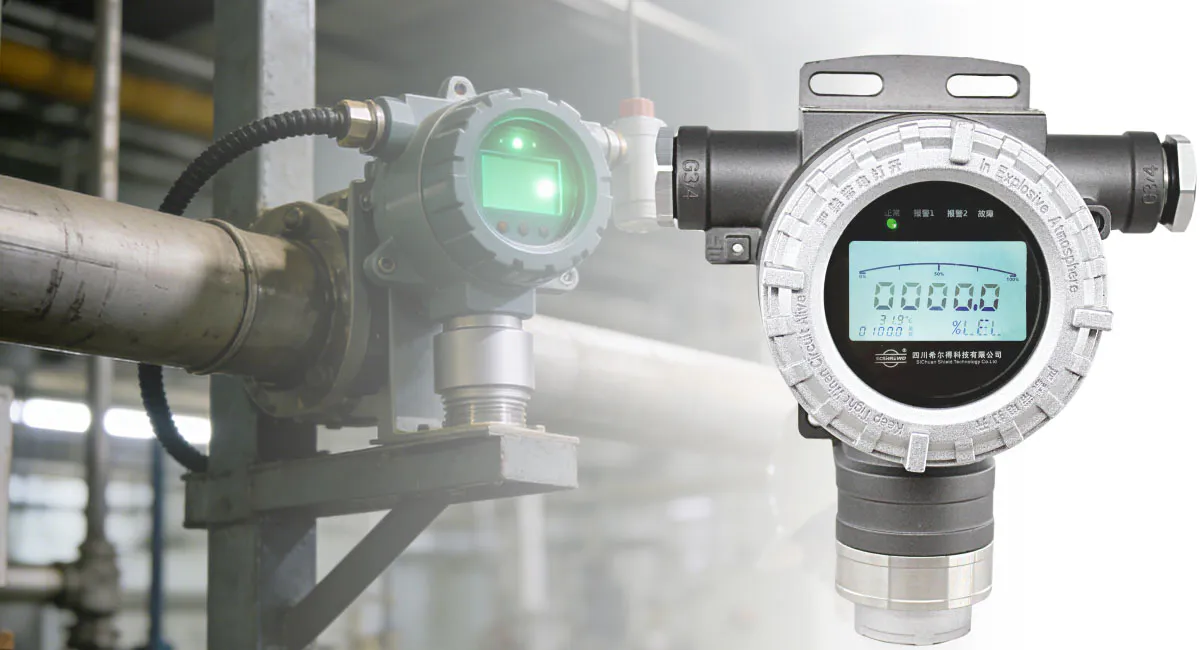
El uso de detectores de gases tóxicos COV garantiza la detección precoz de fugas, minimiza los riesgos de exposición y mantiene el cumplimiento de la normativa de seguridad y medio ambiente.
Instrava ofrece soluciones fiables de detección de gases COV diseñadas para aplicaciones industriales, que ayudan a las instalaciones a controlar los gases tóxicos, proteger al personal y optimizar los procesos operativos.
1. Aplicaciones industriales de los detectores de gases tóxicos COV
Los detectores de gases tóxicos COV se utilizan ampliamente en industrias donde se manipulan o procesan productos químicos:
| Industria | Riesgo típico de COV | Tipo de detector | Ejemplo de aplicación |
|---|---|---|---|
| Plantas químicas | Benceno, tolueno, xileno | Detectores electroquímicos / PID fijos | Salas de reactores, tanques de almacenamiento |
| Petróleo y gas | Emisiones de COV procedentes de la manipulación de crudo | Detectores IR de hidrocarburos | Corredores de oleoductos, parques de tanques |
| Fabricación farmacéutica | Vapores de disolvente | PID / sensores electroquímicos | Salas de revestimiento, secado o formulación |
| Industria de pinturas y revestimientos | Disolventes orgánicos | Detectores PID / IR | Cabinas de pulverización, zonas de mezcla |
Perspicacia: La combinación de detectores fijos para la supervisión continua y detectores portátiles para el personal de mantenimiento proporciona una protección de espectro completo contra los peligros de los COV.
2. Cómo funcionan los detectores de gases tóxicos COV
Los detectores de COV se basan en tecnologías de sensores optimizadas para entornos industriales:
| Tipo de sensor | Función | Tiempo de respuesta | Uso industrial típico |
|---|---|---|---|
| PID (detector de fotoionización) | Detecta COV en bajas ppm | <10 s | Control de disolventes y productos químicos |
| Sensores electroquímicos | Detectar gases tóxicos específicos | 15-30 s | Benceno, formaldehído, sulfuro de hidrógeno |
| Infrarrojos (IR) | Detecta vapores de hidrocarburos | <20 s | Instalaciones petrolíferas, gasísticas y petroquímicas |
Detectores de COV de Instrava integrar múltiples tecnologías de sensores cuando sea necesario, garantizando tanto la precisión como la durabilidad en condiciones industriales.
3. Directrices de instalación y despliegue
La colocación adecuada de los detectores de COV garantiza una detección precoz y reduce las falsas alarmas:
-
Consideración de la altura: Los COV varían en densidad; los COV ligeros ascienden mientras que los más pesados pueden depositarse cerca del suelo.
-
Concienciación sobre la ventilación: Evite instalar los detectores directamente en fuertes corrientes de aire o salidas de ventilación.
-
Zonas muertas: Identifique rincones, fosos y zonas de almacenamiento donde puedan acumularse COV.
-
Visibilidad de la alarma: Asegúrese de que las alarmas sean claramente visibles y audibles en toda la zona vigilada.
Tabla de ejemplo: Colocación recomendada de los detectores de COV
| Ubicación | Tipo de gas | Tipo de detector | Ejemplo de producto Instrava |
|---|---|---|---|
| Sala del reactor | Benceno | PID | Detector de COV V200 |
| Almacenamiento de disolventes | Tolueno | Electroquímica | Detector COV E150 |
| Cabina de pintura | Disolventes orgánicos | PID | Monitor portátil de COV P50 |
| Corredor de oleoductos | Hidrocarburos | IR | Detector IR fijo de COV X300 |
4. Respuesta a las alarmas y procedimientos de seguridad
| Tipo de alarma | Disparador | Acción recomendada |
|---|---|---|
| Alarma de zona | Detector de COV fijo | Evacuar al personal, activar la ventilación, notificar a la sala de control. |
| Alarma personal | Detector portátil de COV | Evacuación inmediata, informe al supervisor |
| Alarma combinada | Fijo + Portátil | Inicie el apagado, llame al equipo de respuesta de emergencia |
Detectores de COV de Instrava puede integrarse con sistemas SCADA o de gestión de edificios para el control automatizado de la ventilación y las notificaciones de seguridad.
5. Mantenimiento y calibración
| Tarea | Dispositivo | Frecuencia | Propósito |
|---|---|---|---|
| Prueba funcional | Fijo y portátil | Semanalmente / Antes de usar | Verificar la respuesta de la alarma y del sensor |
| Calibración | Fijo y portátil | Cada 6-12 meses | Mantener la precisión de las mediciones |
| Sustitución de sensores | Fijo y portátil | Orientación del fabricante | Garantizar la fiabilidad a largo plazo |
| Registro de datos | Sistema integrado | Continuo | Cumplimiento y análisis de incidentes |
Buenas prácticas:
-
Mantenga registros digitales para las auditorías
-
Comprobación cruzada de las lecturas de los detectores fijos y portátiles
-
Programar el mantenimiento predictivo en función del uso de los sensores
6. Cumplimiento de la normativa
-
OSHA: Límites de exposición a COV en el lugar de trabajo
-
EPA / Normas medioambientales locales: Control e informes de emisiones
-
EN 50271 / EN 60079: Normas sobre equipos para gases explosivos e inflamables
-
ISO 9001 / ISO 14001: Calidad y respeto del medio ambiente
Con los detectores de gases tóxicos COV de Instrava, las instalaciones pueden mantener el cumplimiento normativo al tiempo que protegen al personal y reducen el riesgo medioambiental.
7. Ejemplo de estudio de caso
Escenario: Instalación de fabricación farmacéutica con exposición a disolventes COV.
-
Detectores fijos de COV Instrava: Instalado cerca de tanques de almacenamiento y salas de mezcla
-
Monitores de COV portátiles Instrava: Utilizado por el personal de mantenimiento durante la inspección
-
Integración: Alarmas conectadas a los sistemas SCADA y de ventilación
-
Resultado: Detección precoz de fugas de COV, mejora de la seguridad de los empleados y cumplimiento de la normativa
Punto de datos: Las instalaciones que implementan las soluciones de monitorización de COV de Instrava redujeron los eventos de exposición casi accidental en hasta 70% en dos años.
8. Conclusión
Detectores de gases tóxicos COV son fundamentales para mantener la seguridad industrial en instalaciones químicas, petrolíferas y farmacéuticas. Mediante la combinación de detectores fijos y portátiles, Instrava ofrece soluciones fiables, precisas y duraderas para proteger al personal, garantizar el cumplimiento de la normativa y optimizar los procesos industriales.