







- Por Instrava
- 01/07/2026
- 0 Comentario
Detector de un solo gas: Funcionamiento seguro y respuesta a la exposición a gases peligrosos
Portable Gas Detector Safety Guide | Single Gas Detection and Emergency Response
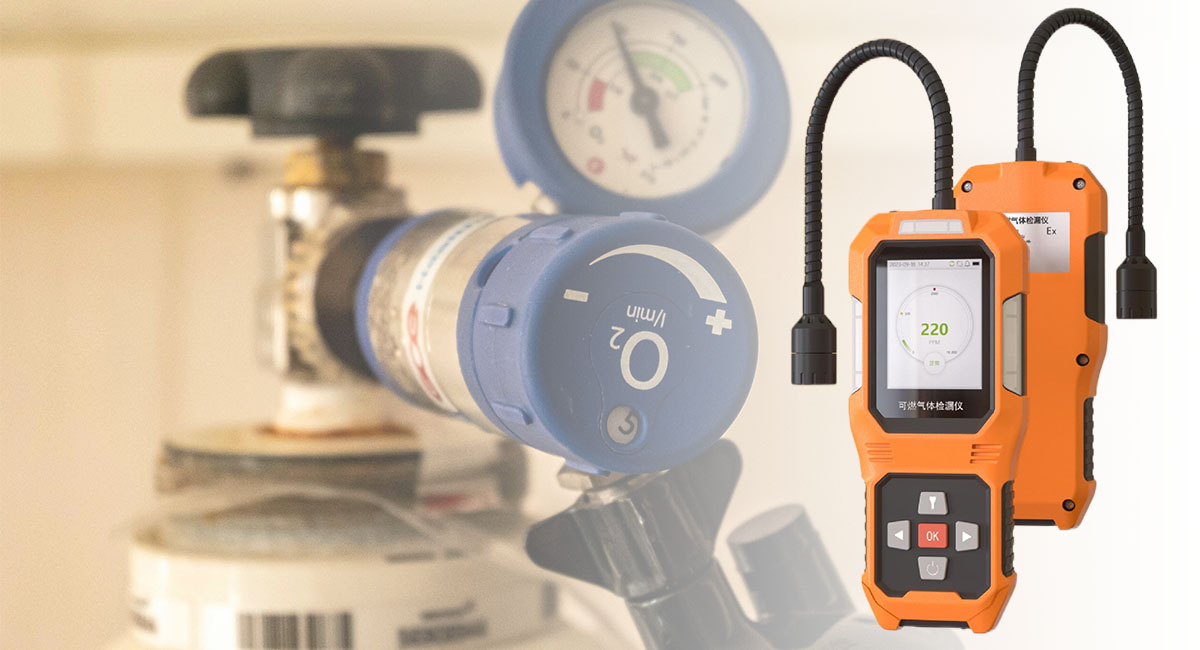
A portable gas detector is a critical safety tool in industrial environments where hazardous gases may be present. In many applications, single gas detection is sufficient and preferred, as it focuses on one specific risk such as oxygen deficiency, toxic gas exposure, or combustible gas leaks.
This article explains safe operating practices for portable gas detectors and provides clear response procedures when unsafe gas levels are detected, helping improve on-site safety awareness and emergency readiness.
Why Proper Use of Portable Gas Detectors Matters
Portable gas detectors are designed to provide early warning before gas concentrations reach dangerous levels. However, incorrect use or delayed response can significantly reduce their effectiveness.
Common risks include:
Toxic gas exposure (e.g., H₂S, CO, NH₃)
Oxygen-deficient atmospheres
Undetected leaks during routine inspections
Delayed evacuation due to misunderstanding alarm signals
Key Principle: A gas detector is only effective when it is used correctly and paired with proper response actions.
Safe Operating Practices for Single Gas Portable Detectors
1. Pre-Use Safety Checks
Before entering any potentially hazardous area:
Perform a bump test to confirm sensor and alarm functionality
Check battery level and ensure sufficient operating time
Verify that the detector is calibrated within the recommended interval
Confirm the target gas and alarm setpoints are correct
Best Practice: Never rely on a detector that fails a bump test or shows sensor error messages.
2. Proper Wearing and Positioning
For accurate detection:
Wear the portable gas detector in the breathing zone (near the chest or collar)
Do not cover the sensor inlet
Ensure audible, visual, and vibration alarms are enabled
Avoid placing the detector inside pockets or tool bags
Why it matters: Gas concentrations at breathing level directly affect worker health.
3. Understanding Alarm Types and Thresholds
Most single gas detectors use multi-level alarms:
| Alarm Level | Meaning | Typical Action |
|---|---|---|
| Low alarm | Gas approaching unsafe level | Increase awareness, prepare to leave |
| High alarm | Dangerous concentration | Evacuate immediately |
| STEL/TWA | Short-term or time-weighted exposure exceeded | Stop work and exit area |
Operators should be trained to recognize alarm signals instantly and act without hesitation.
How to Respond When Unsafe Gas Levels Are Detected
Step 1: Stop Work Immediately
Once a gas alarm is triggered:
Cease all tasks
Do not attempt to “finish the job”
Avoid actions that could ignite or worsen the situation
Rule: Personal safety always takes priority over operational continuity.
Step 2: Move to a Safe Area
Leave the hazardous area upwind if possible
Do not remove the gas detector during evacuation
Assist nearby personnel if it is safe to do so
For confined spaces:
Exit immediately using the planned escape route
Do not re-enter until atmospheric conditions are verified as safe
Step 3: Report and Isolate the Hazard
After reaching a safe location:
Report the incident to supervisors or safety personnel
Isolate the affected area if procedures allow
Ensure warning signs or barriers are placed if necessary
Important: Do not re-enter the area without proper authorization and gas testing.
Step 4: Verify Atmosphere Before Re-Entry
Re-entry should only occur after:
Ventilation or gas removal measures are completed
Atmospheric testing confirms safe levels
Authorization is given by safety or site management
In many cases, fixed gas detection systems or additional portable detectors may be used for confirmation.
Special Considerations for Common Gas Types
Toxic Gases (H₂S, CO, NH₃)
Even short exposure can be dangerous
Never ignore low-level alarms
Use respiratory protection if required by safety procedures
Oxygen Deficiency
Oxygen levels below 19.5% are unsafe
Symptoms may occur without warning
Evacuation must be immediate
Combustible Gases
Avoid using electrical devices or tools
Eliminate ignition sources
Follow site-specific emergency protocols
Post-Incident Actions and Maintenance
After any gas alarm event:
Inspect the portable gas detector for damage
Perform a bump test or calibration if required
Review incident data and exposure logs
Conduct safety briefings to prevent recurrence
Continuous improvement: Incident reviews help refine safety procedures and detector deployment strategies.
Training and Safety Culture
A portable gas detector is most effective when combined with:
Regular safety training
Clear emergency procedures
Routine equipment checks
Strong awareness of gas hazards
Organizations that emphasize single gas detection training often experience fewer incidents and faster response times.
Conclusión
A portable gas detector, especially for single gas detection, is an essential safeguard in industrial environments. Proper use, correct positioning, and immediate response to alarms are critical to preventing injuries and fatalities.
Understanding how to operate the detector safely and how to respond when unsafe gas levels are detected ensures that gas detection systems fulfill their purpose—protecting lives and maintaining a safe working environment.