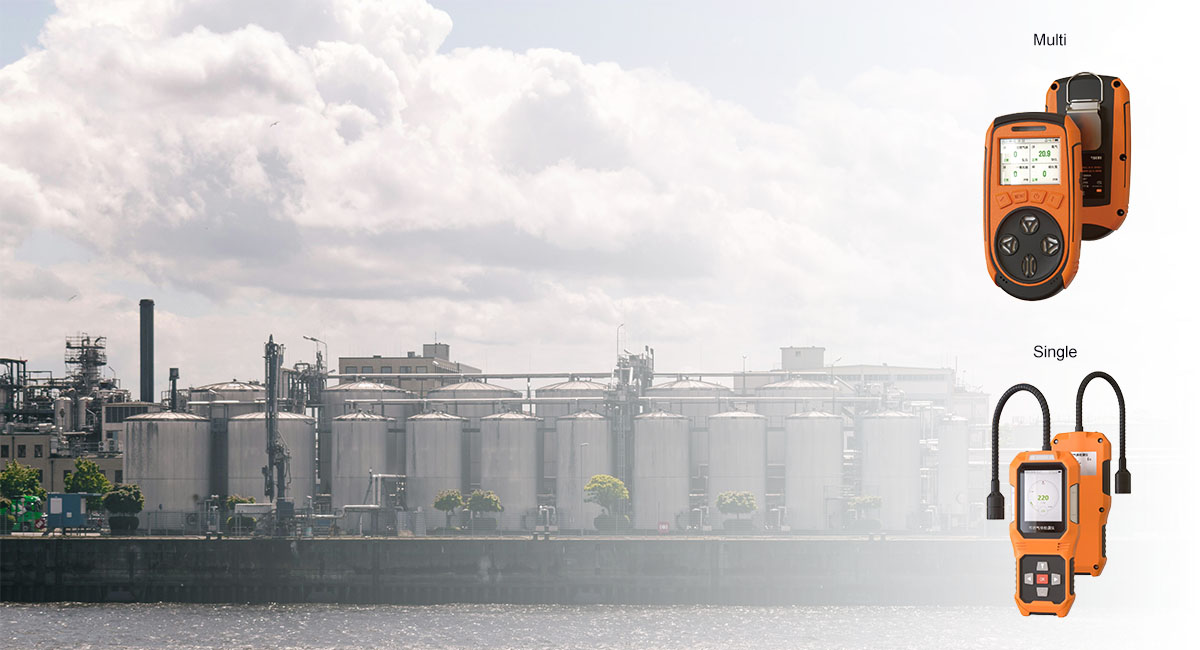
Single Gas vs Multi-Gas Detection | Industrial Safety Comparison Guide
Gas detection plays a fundamental role in
industrial safety across oil & gas facilities, LNG/LPG storage terminals, chemical processing plants, and wastewater operations. One of the most common safety questions in these environments is whether single gas detection or multi-gas detection is the more appropriate solution.This article provides a professional, engineering-focused comparison of single gas vs multi-gas detection, explaining how each approach works, where it is best applied, and how to select the right gas monitoring strategy based on actual risk scenarios—not product preference.
Understanding Industrial Gas Detection
Industrial gas detection systems are designed to identify hazardous atmospheric conditions before they escalate into safety incidents. These hazards generally fall into three categories:
- Toxic gases (e.g., hydrogen sulfide, carbon monoxide)
- Flammable gases (e.g., methane, propane, hydrogen)
- Oxygen deficiency or enrichment caused by inert or reactive gases
Effective gas detection relies on matching the detection method to the dominant risk profile of the environment.
What Is Single Gas Detection?
Single gas detection refers to monitoring one specific gas hazard using a dedicated detector or sensor. These devices are commonly portable and worn by personnel working in defined risk areas.
Key Characteristics of Single Gas Detection
- Detects one target gas (O₂, H₂S, CO, NH₃, etc.)
- Simple operation with minimal configuration
- Fast sensor response and clear alarm logic
- Lightweight and suitable for continuous personal monitoring
Aplicaciones industriales típicas
Single gas detection is widely used where a
known and dominant hazard exists:
- Oxygen deficiency monitoring in confined spaces
- Hydrogen sulfide detection in upstream oil & gas
- Carbon monoxide monitoring in utility and boiler areas
- Ammonia detection in refrigeration systems
Single gas detectors are often deployed as part of daily personal safety equipment.
What Is Multi-Gas Detection?
Multi-gas detection involves the simultaneous monitoring of two or more gas hazards using a single instrument. These detectors combine multiple sensors to provide broader atmospheric awareness.
Key Characteristics of Multi-Gas Detection
- Monitors multiple gases at the same time
- Typically includes O₂, combustible gas (LEL), and toxic gases
- Supports complex work environments
- Provides comprehensive situational awareness
Aplicaciones industriales típicas
Multi-gas detector is commonly used when gas risks are variable or uncertain:
- Confined space entry with unknown atmosphere
- Maintenance shutdowns and turnarounds
- Emergency response operations
- Facilities handling mixed hydrocarbons and chemicals
Single Gas vs Multi-Gas Detection: Side-by-Side Comparison
| Criteria | Single Gas Detection | Multi-Gas Detection |
|---|
| Number of gases monitored | One | Multiple |
| Complexity | Bajo | Moderado a alto |
| Primary use | Targeted risk monitoring | Broad hazard assessment |
| Typical form | Portable personal detector | Portable or transportable |
| Training requirement | Minimal | More extensive |
| Mantenimiento | Simple | Sensor management required |
This comparison highlights that neither approach is universally superior—effectiveness depends on correct application.
Selection Factors: How to Choose the Right Detection Strategy
1. Hazard Identification
The first step is identifying which gases are realistically present. If historical data and process design confirm a single dominant gas hazard, single gas detection is often sufficient.
2. Work Environment
- Stable, routine operations favor single gas detection
- Dynamic or unknown atmospheres benefit from multi-gas detection
3. Confined Space Requirements
Regulations often require oxygen monitoring and toxic gas detection for confined space entry. Multi-gas detection is frequently used during initial entry, while single gas detectors may be worn during extended tasks.
4. Duration of Exposure
Long-duration tasks may favor lightweight single gas detectors for comfort and compliance, while short-duration assessments may justify multi-gas instruments.
5. Safety Program Design
Many industrial safety programs use a
layered approach, combining both detection methods to maximize protection.
Role of Single Gas Detection in Personal Safety Programs
Single gas detectors are often assigned to individual workers as part of personal protective equipment (PPE). Their simplicity improves user compliance and reduces the risk of misuse.Common benefits include:
- Continuous breathing-zone monitoring
- Clear alarm response
- Reduced training burden
- Lower operational complexity
These advantages make single gas detection a cornerstone of everyday industrial safety.
Role of Multi-Gas Detection in Risk Assessment
Multi-gas detectors are valuable tools for:
- Pre-job atmospheric testing
- Area classification verification
- Emergency response assessment
- Temporary worksite evaluation
They provide critical information during uncertain or evolving conditions.
Maintenance, Calibration, and Reliability Considerations
Both single and multi-gas detectors require regular verification to ensure accuracy.
| Tarea de mantenimiento | Single Gas | Multi-Gas |
|---|
| Bump testing | Before use | Before use |
| Calibration frequency | 6-12 meses | 6-12 meses |
| Sensor replacement | One sensor | Multiple sensors |
Neglecting maintenance can compromise safety regardless of detector type.
Regulatory and Safety Alignment
Gas detection strategies should align with recognized safety standards and site-specific procedures. These typically emphasize:
- Hazard-based detector selection
- Alarm setpoints aligned with exposure limits
- Clear evacuation and response protocols
The focus is on
control de riesgos, not device quantity.
Conclusión
Choosing between single gas and multi-gas detection is not about selecting the most advanced instrument—it is about selecting the
right level of protection for the identified risk.Single gas detection offers simplicity, reliability, and targeted protection for known hazards. Multi-gas detection provides broader situational awareness in complex or uncertain environments. In practice, many industrial facilities achieve the highest safety performance by integrating both approaches into a cohesive gas detection strategy.When gas detection aligns with actual hazards, training, and procedures, it becomes a powerful tool for preventing incidents and protecting lives.