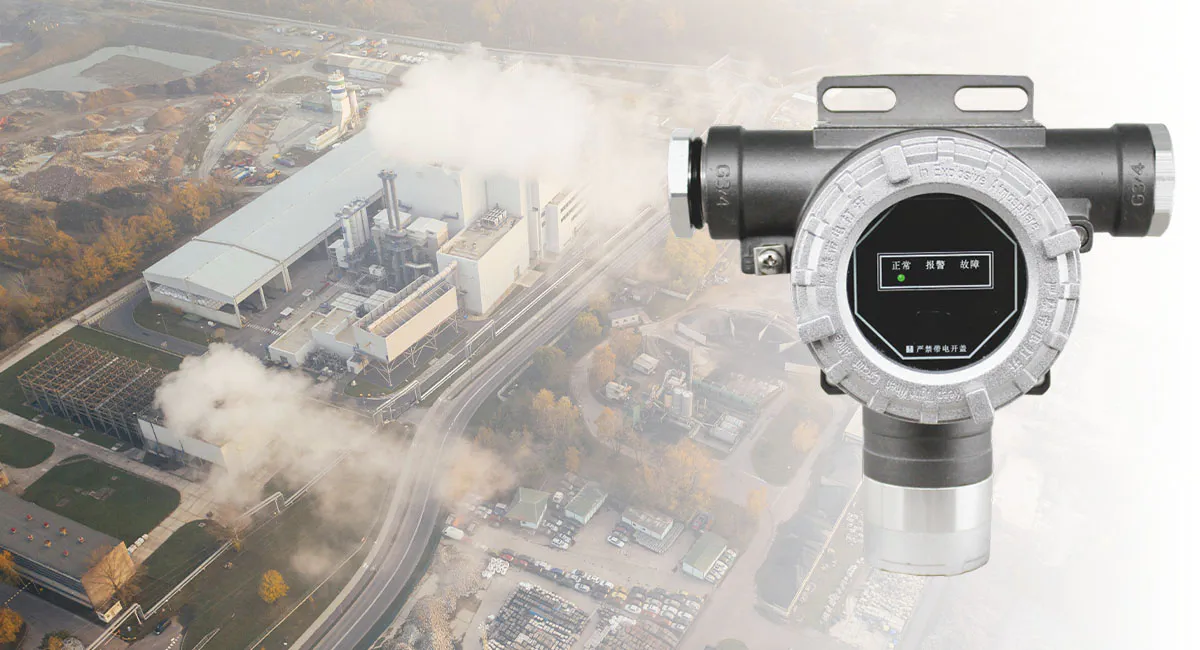
Industrial Gas Detection Safety Guide | Portable & Fixed Gas Monitoring Systems
Industrial gas detection safety is a critical component of modern process operations across oil & gas, LNG/LPG storage, chemical processing, water & wastewater facilities, and large-scale industrial plants. Hazardous gases—whether toxic, flammable, or oxygen-displacing—pose immediate risks to personnel, assets, and operational continuity. Effective gas detection strategies combine portable gas detectors, fixed gas monitoring systems, and well-defined safety procedures to reduce these risks.This comprehensive guide explains how industrial gas detection works, why it matters, and how to build a reliable safety framework using portable and fixed detection technologies. The focus is on safety practices, system design principles, and operational readiness—rather than product promotion—making this resource suitable for engineers, safety managers, and plant operators.
Why Industrial Gas Detection Safety Matters
Industrial environments frequently handle gases that are invisible, odorless, or present at dangerous concentrations long before human senses can detect them. Common hazards include:
- Toxic gases such as hydrogen sulfide (H₂S) and carbon monoxide (CO)
- Flammable gases such as methane, propane, and hydrogen
- Oxygen-deficient atmospheres caused by nitrogen, argon, or CO₂ displacement
Undetected gas releases can lead to:
- Acute health effects or fatalities
- Fires and explosions
- Regulatory non-compliance
- Production shutdowns and asset damage
Gas detection safety systems provide early warning, allowing timely evacuation, process shutdown, or mitigation actions.
Types of Industrial Gas Detection Systems
Industrial gas detection typically relies on two complementary approaches: portable gas detectors and fixed gas detection systems.
Portable Gas Detectors
Portable gas detectors are personal monitoring devices worn or carried by workers. They are designed to protect individuals operating in potentially hazardous environments.
Key characteristics:- Real-time monitoring in the breathing zone
- Audible, visual, and vibrating alarms
- Single gas or multi-gas configurations
- Battery-powered and lightweight
Typical applications:- Confined space entry
- Maintenance and inspection work
- Temporary work zones
- Emergency response
Portable gas detectors are often the first line of defense for field personnel.
Fixed Gas Detection Systems
Fixed gas detection systems continuously monitor specific locations within a facility. Sensors are installed near potential leak sources or accumulation points.
Key characteristics:- Continuous area monitoring
- Integration with control systems (DCS/PLC)
- Automatic alarm and shutdown functions
- Designed for harsh industrial environments
Typical applications:- Process units
- Compressor rooms
- Storage tanks and pump areas
- LNG/LPG terminals
Fixed systems provide plant-wide safety coverage and support automated risk mitigation.
Common Gases Monitored in Industrial Safety
| Gas Type | Examples | Primary Risk | Typical Detection Objective |
|---|
| Toxic | H₂S, CO, NH₃ | Health injury, fatality | Exposure prevention |
| Flammable | Methane, Propane, Hydrogen | Fire, explosion | LEL monitoring |
| Oxygen | O₂ deficiency/enrichment | Asphyxiation, combustion risk | Safe atmosphere verification |
Understanding the dominant gas hazards in each process area is essential for proper detector selection and placement.
Portable vs Fixed Gas Detection: How They Work Together
Rather than choosing between portable and fixed gas detection, most industrial safety programs deploy both.
| Aspect | Portable Gas Detector | Fixed Gas Detection System |
| Coverage | Individual worker | Area or facility-wide |
| Mobility | High | Permanent installation |
| Response | Personal alarm | System-level alarm/shutdown |
| Typical Use | Task-based safety | Continuous monitoring |
A layered approach improves overall risk reduction and resilience.
Gas Detection in Confined Spaces
Confined spaces present some of the highest gas-related risks due to limited ventilation and restricted access. Examples include tanks, pits, vessels, and underground chambers.Best practices include:
- Pre-entry atmospheric testing
- Continuous portable gas monitoring
- Oxygen deficiency detection
- Clear evacuation procedures upon alarm
Gas detection is often a regulatory requirement for confined space entry programs.
Alarm Response and Emergency Actions
Gas detection is only effective when alarms trigger appropriate responses.
Recommended response steps:- Stop work immediately
- Evacuate following site procedures
- Move to a safe, upwind location
- Notify safety personnel
- Do not re-enter until atmosphere is verified safe
Alarm thresholds are typically aligned with occupational exposure limits and safety standards.
Calibration, Bump Testing, and Reliability
Gas detectors require regular verification to ensure accuracy.
Key practices:- Daily or pre-use bump testing for portable detectors
- Scheduled calibration (typically every 6–12 months)
- Sensor replacement according to manufacturer guidance
Neglecting maintenance can result in false security or nuisance alarms.
Compliance, Standards, and Best Practices
Industrial gas detection safety programs often align with international standards and regulations, including:
- OSHA workplace safety requirements
- ATEX and IECEx for hazardous areas
- Functional safety principles (SIL)
Adhering to recognized standards strengthens both safety performance and regulatory compliance.
Building a Robust Gas Detection Safety Strategy
An effective industrial gas detection safety framework includes:
- Hazard identification and risk assessment
- Appropriate use of portable and fixed detection
- Clear alarm response procedures
- Regular training and drills
- Ongoing system maintenance and review
Gas detection should be viewed as a continuous safety process, not a one-time installation.
Conclusion
Industrial gas detection safety protects lives, assets, and operational continuity. By combining portable gas detectors, fixed monitoring systems, and disciplined safety practices, industrial facilities can significantly reduce gas-related risks. A structured, standards-aligned approach ensures that gas hazards are identified early and managed effectively—before they escalate into incidents.This pillar guide serves as the foundation for deeper topics such as portable gas detector safety, confined space gas detection, toxic gas monitoring, and alarm response procedures, all of which form a comprehensive industrial safety knowledge base.