







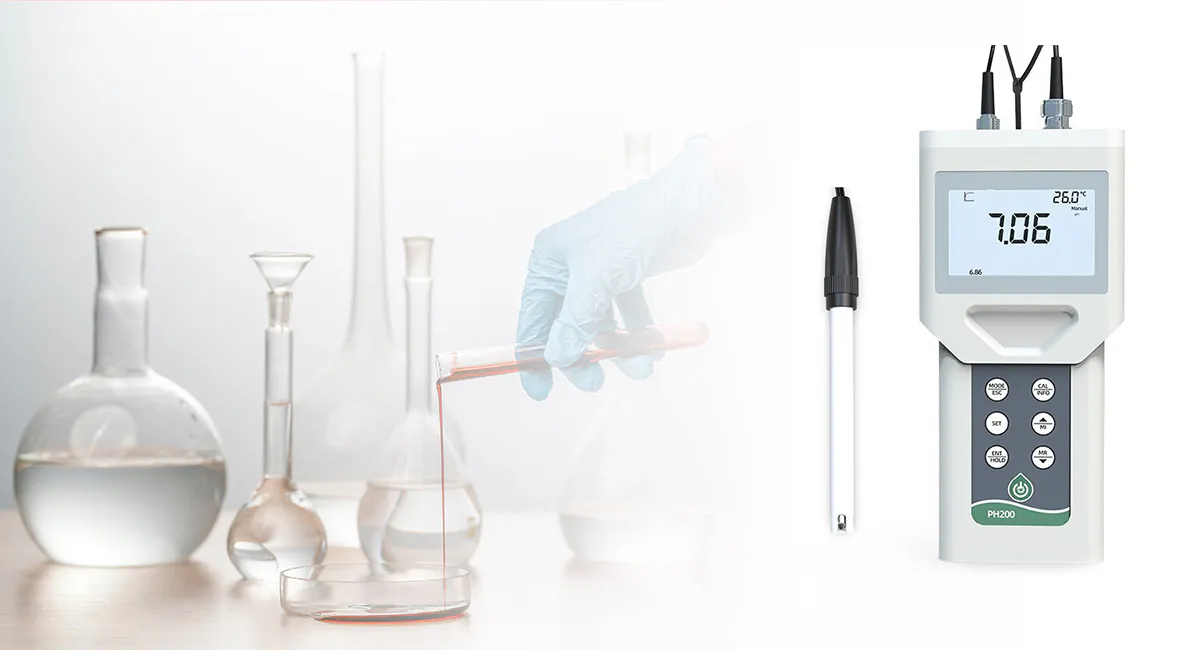
pH Meter in Liquid Analysis Solutions: Accuracy vs Stability Trade-off
In industrial environments, pH measurement is one of the most critical parameters in liquid analysis solutions. From chemical reactions to wastewater treatment and food production, maintaining the correct pH range directly affects product quality, equipment lifespan, and overall process stability.
However, selecting a pH meter in liquid analysis solutions is not simply about choosing the highest accuracy specification. In real-world operations, engineers often face a trade-off between measurement accuracy and long-term stability.
Why pH Stability Matters More Than Peak Accuracy
Many industrial systems operate continuously under fluctuating conditions, including temperature changes, contamination, and chemical exposure. In such environments, a highly accurate pH meter that cannot maintain stability over time may lead to unreliable data.
Long-term measurement stability has a greater impact on process performance than short-term accuracy.
Accuracy vs Stability in Industrial pH Monitoring
| Metric | High-Accuracy pH Meter | High-Stability pH Meter |
|---|---|---|
| Initial Accuracy | ±0,01 pH | ±0,05 pH |
| Drift Over 30 Days | ±0.2 pH | ±0,05 pH |
| Calibration Frequency | Every 1–2 weeks | Every 1–3 months |
| Maintenance Requirement | Haut | Faible |
| Process Stability Impact | Moyen | Haut |
Although high-accuracy pH meters offer precise initial readings, frequent drift and recalibration can reduce their reliability. High-stability pH meters provide consistent performance over time, which is essential for maintaining stable industrial processes.
The Hidden Cost of pH Measurement Drift
Measurement drift is one of the most underestimated factors in liquid analysis solutions. Small deviations in pH readings can lead to significant operational consequences.
pH drift directly translates into operational inefficiency and increased costs.
Cost Impact of pH Drift in Industrial Systems
| Drift Range (pH) | Process Impact (%) | Typical Issue | Estimated Annual Cost (USD) |
|---|---|---|---|
| ±0.05 | 2–5% | Minor efficiency loss | $5,000–$20,000 |
| ±0.1 | 5–10% | Chemical overuse | $20,000–$80,000 |
| ±0.2 | 10–20% | Product inconsistency | $50,000–$200,000 |
| >±0.3 | 20%+ | Equipment damage, downtime | $100,000+ |
As pH drift increases, chemical dosing becomes less accurate, leading to overconsumption of reagents and increased operational costs. In extreme cases, improper pH control can damage equipment and disrupt production.
Choosing the Right pH Meter for Different Applications
Not all pH meters in liquid analysis solutions are designed for the same environments. Selecting the right configuration depends on process conditions.
Application-specific selection is essential for achieving both accuracy and stability.
pH Meter Selection by Industry
| L'industrie | Typical pH Range | Key Challenge | Recommended pH Meter Type |
|---|---|---|---|
| Eau et eaux usées | 6–9 | Fouling, contamination | Industrial online pH analyzer |
| Traitement chimique | 0–14 | Corrosive environments | Chemical-resistant pH sensor |
| Alimentation et boissons | 4–7 | Hygiene requirements | Hygienic pH meter |
| Energy & Power | 7–10 | Haute température | High-temp resistant pH sensor |
Each industry imposes different requirements. For example, wastewater systems require sensors resistant to fouling, while chemical processes demand materials that withstand aggressive media.
Maintenance vs Performance Optimization
Maintenance strategy is a key factor when implementing pH meters in liquid analysis solutions.
Reducing maintenance frequency improves both operational efficiency and measurement reliability.
Maintenance Impact on pH Monitoring Performance
| Maintenance Interval | Measurement Reliability (%) | Operational Efficiency (%) |
|---|---|---|
| Weekly | 85–90% | 70–80% |
| Mensuel | 90–95% | 80–90% |
| Trimestrielle | 95–98% | 90–95% |
Frequent maintenance increases operational burden, while insufficient maintenance reduces measurement reliability. A balanced approach ensures optimal performance and system stability.
Integration with Liquid Analysis Systems
Modern liquid analysis solutions require seamless integration between pH meters and control systems.
Integration capability determines how effectively pH data supports process control.
Integration Performance Comparison
| System Type | Data Response Time | Automation Level | Process Optimization (%) |
|---|---|---|---|
| Standalone pH meter | Manual | Faible | 50–60% |
| Online pH analyzer | 5–15 s | Moyen | 65–80% |
| Integrated system | 1–5 s | Haut | 80–95% |
Integrated pH monitoring systems enable real-time adjustments, such as automated chemical dosing, improving process efficiency and reducing human intervention.
The Role of Customization and Quality Control
In industrial projects, standard pH meters may not meet all operational requirements. Customization ensures compatibility with specific processes.
Instrava is a partner focused on providing equipment, solutions, and services for industrial measurement and control instruments used in safety-critical and process control applications. By working closely with customers and OEM partners, Instrava supports the development of customized pH meter solutions within liquid analysis solutions, ensuring reliable performance, optimized materials selection, and consistent quality control.
Les options de personnalisation comprennent :
Sensor materials for chemical compatibility
Extended probe lengths
Integration with PLC/SCADA systems
OEM/ODM production support
Conclusion
Selecting the right pH meter in liquid analysis solutions requires balancing accuracy, stability, maintenance, and system integration. While high accuracy is important, long-term stability and reliability play a more critical role in ensuring consistent industrial performance.
By choosing the appropriate pH monitoring solution and optimizing maintenance strategies, industries can achieve improved process control, reduced operational costs, and enhanced system efficiency.