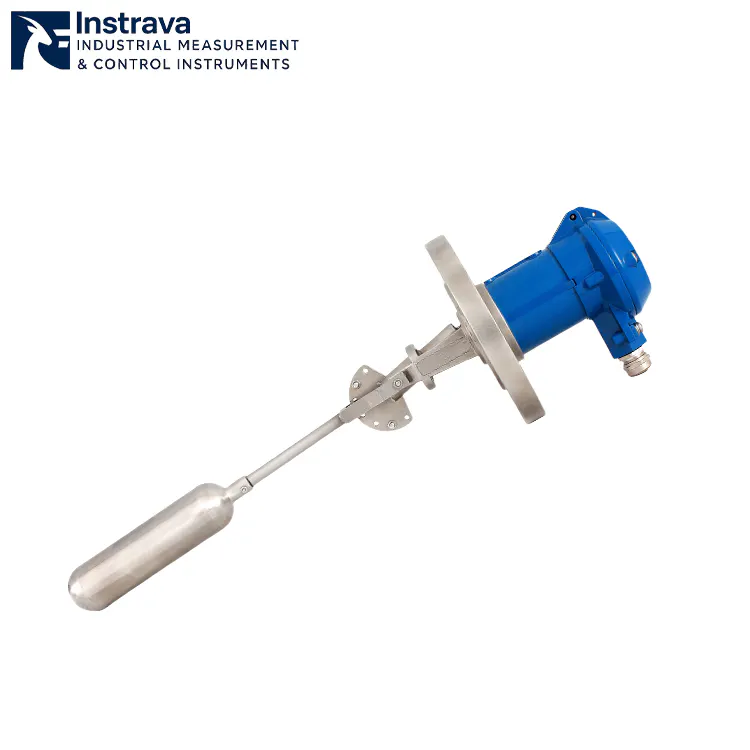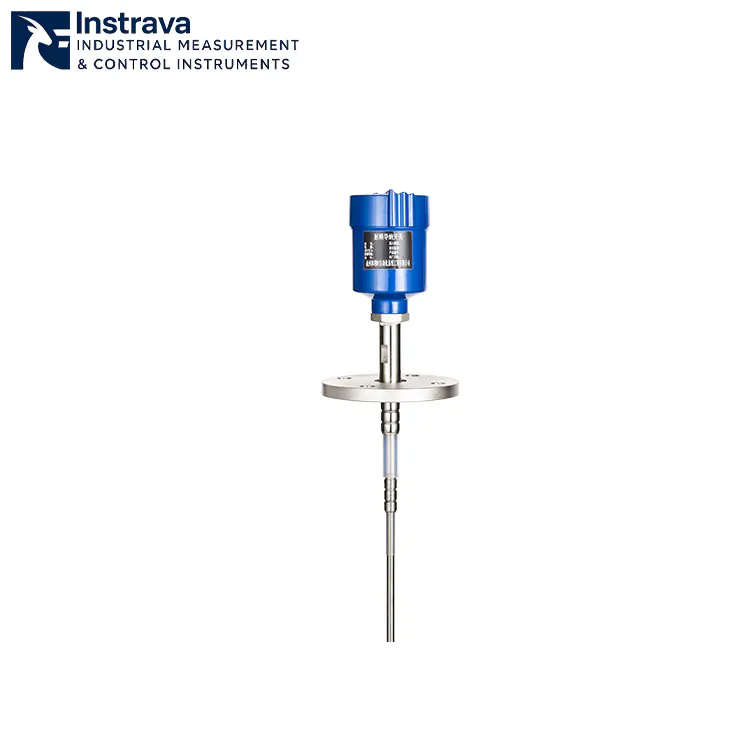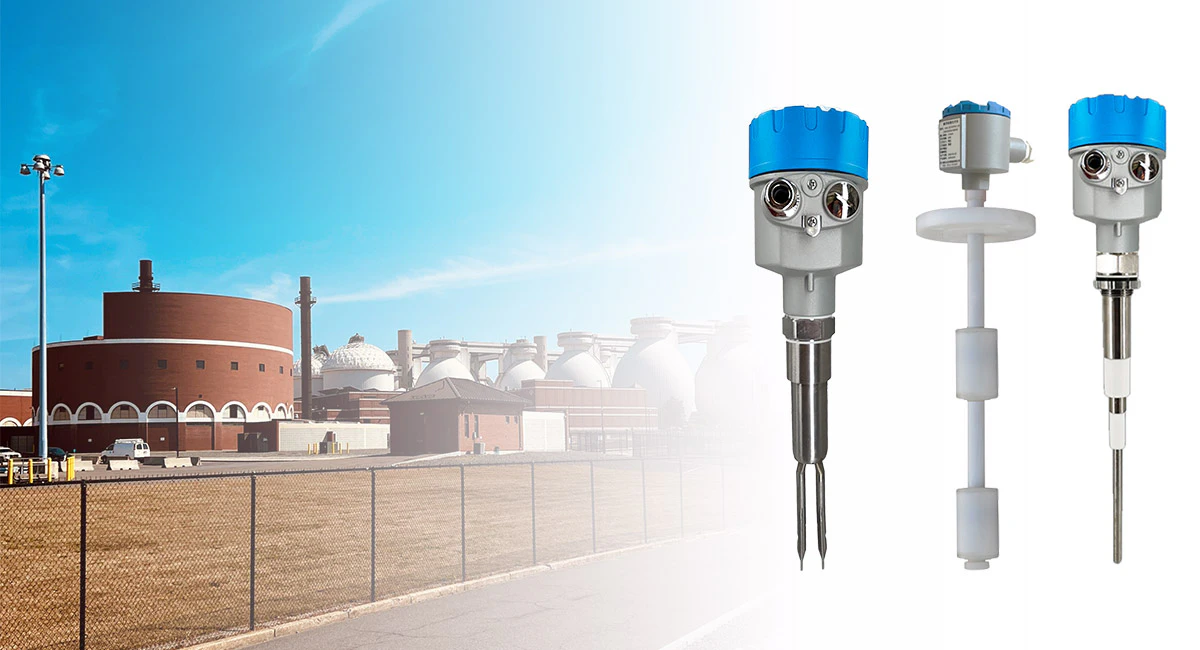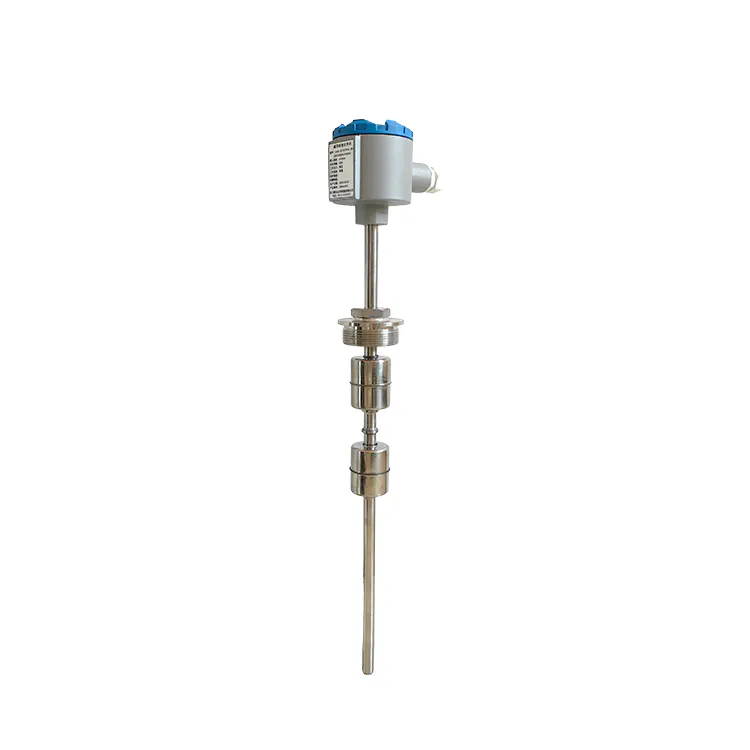
Float Level Switch – Reliable Liquid Level Detection Across Industries
Float level switches are widely used in industrial and commercial applications to detect liquid levels in tanks, vessels, and pipelines....

Level Switches
Home » Products » Level Switchs » Rotary Paddle Level Switch


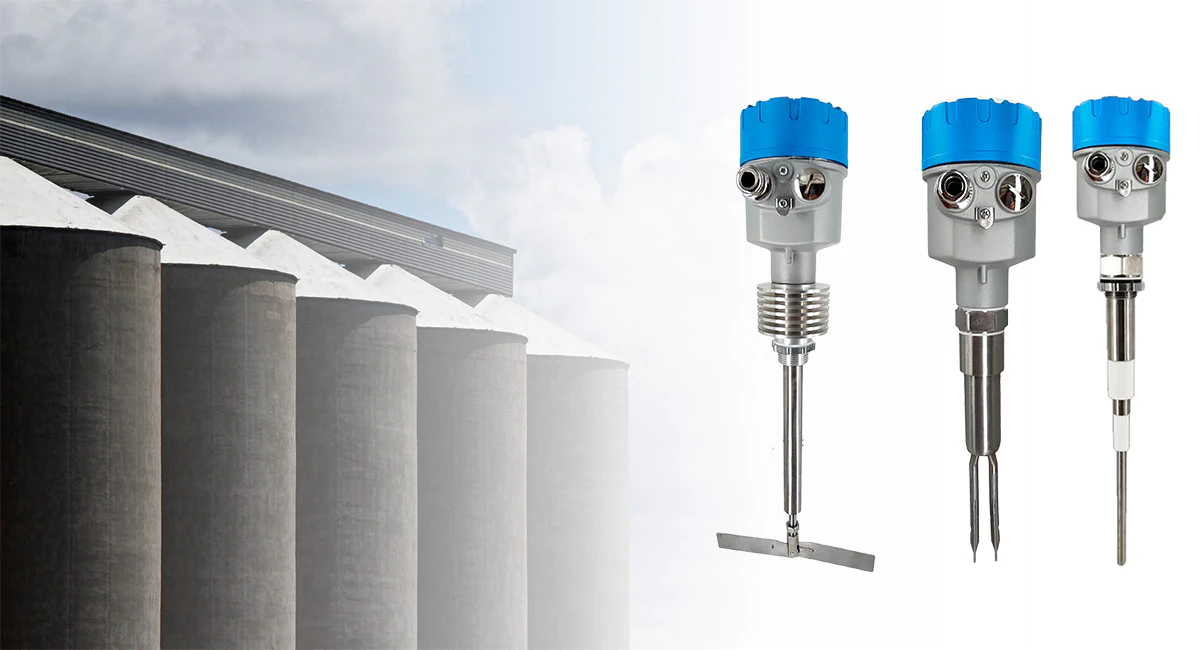
Reliable point level detection for powders and bulk solids in silos, bins, and hoppers
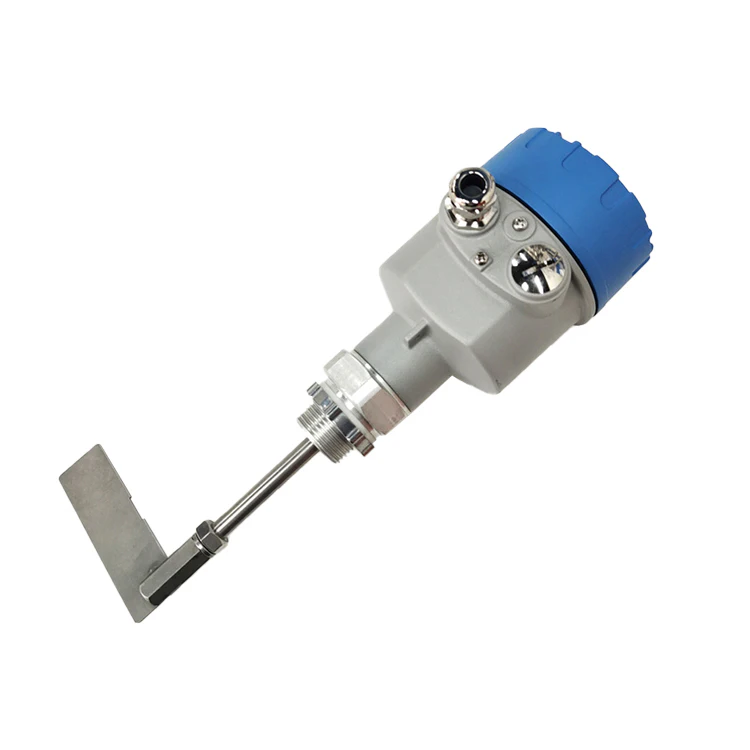
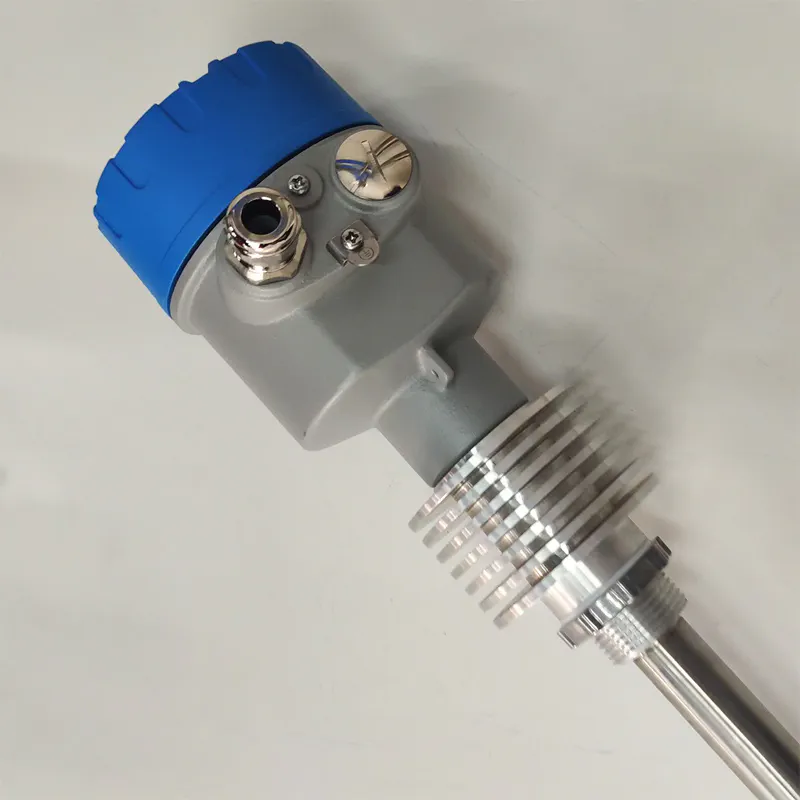
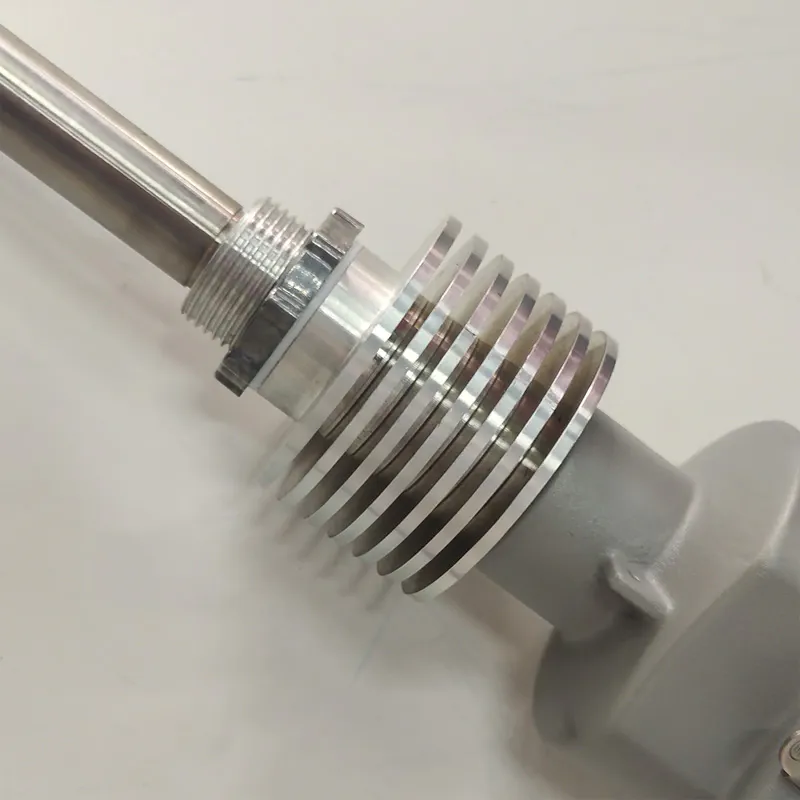
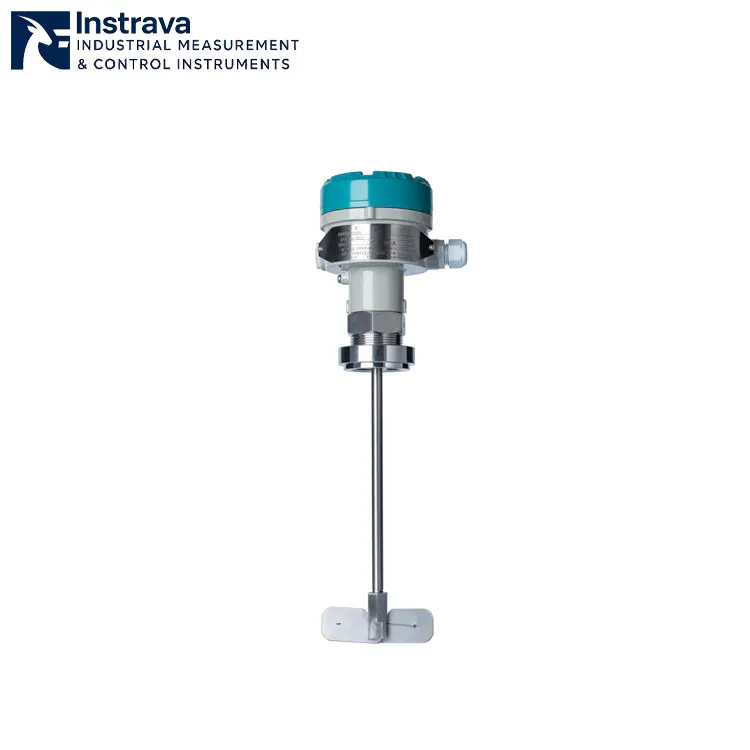
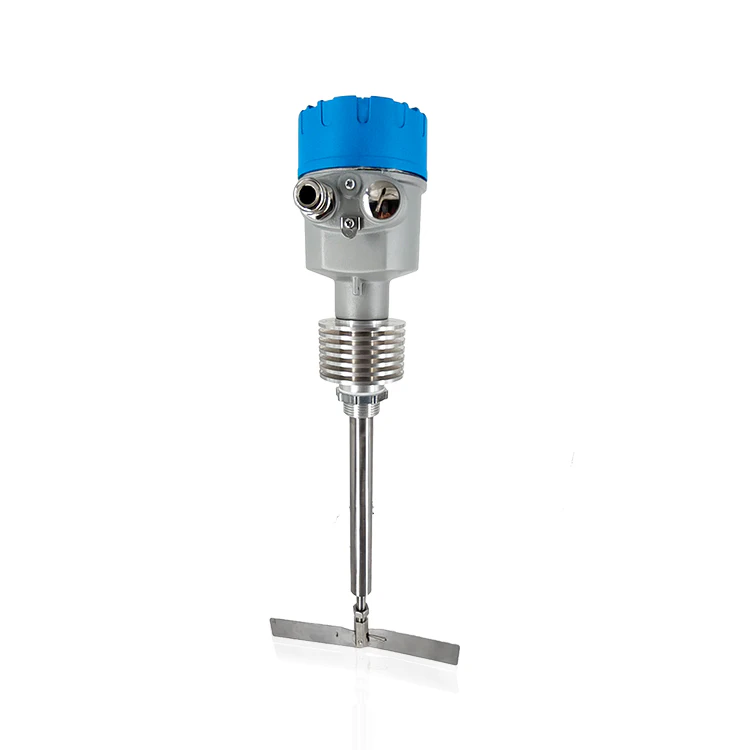
Instrava rotary paddle level switch is designed for stable and reliable point level detection in powder and bulk solid applications where dust, material density variation, and continuous operation are common challenges.
By combining adjustable torque detection, industrial-grade motor protection, and robust sealing design, this solution minimizes false alarms, reduces maintenance frequency, and protects equipment during material blockage or overload conditions. It is widely used in silos, hoppers, bins, and bulk material handling systems across multiple industries.
Key reasons engineers and procurement teams choose this solution:
Stable and adjustable torque to match different material densities
Built-in overload protection to prevent motor damage
Reliable operation in dusty and harsh industrial environments
Large output contact capacity for direct control system integration
Designed for long-term, low-maintenance industrial operation
OEM / ODM configuration available for equipment manufacturers
A proven level control solution focused on lifecycle reliability rather than short-term cost.
Liquid Level Switches Description
Rotary Paddle Level Switch Key Technology & Performance
Measurement Principle
The rotary paddle level switch detects material presence by monitoring paddle rotation. When bulk material blocks the rotating blade, torque increases and triggers a switching signal.
Torque Stability & Sensitivity
Stable and adjustable torque ensures consistent switching
Sensitivity can be fine-tuned via spring tension to match material density
Special paddle designs support low-density bulk materials
Motor Protection & Reliability
Built-in overload protection prevents motor damage
Low rotating speed (1 rpm) minimizes wear and extends service life
Output & Integration
Dual DPDT output supports flexible control logic
Suitable for direct integration with PLCs and industrial control panels


Rotary Paddle Level Switch Applications & Industry Solutions
Used in silos and bins for level detection of cement, lime, sand, and aggregates to prevent overfill and material shortage.
Reliable level monitoring for grain bins and feed silos where dust and variable bulk density are common.
Applied for powders and pellets in reactors, storage hoppers, and conveying systems.
Used in ash handling, dust collection, and bulk material storage applications.
Widely integrated into packaged silos, conveyors, and bulk handling equipment as a standard level switch.
Liquid Level Switches Parameter
| Parameter | Specification |
|---|---|
| Applicable Media | Powder, Particle |
| Particle Diameter | ≤ 20 mm |
| Rod Length | Standard: 150–500 mm; Extended: 500–2500 mm |
| Material | SS304, SS316L |
| Working Temperature | –10 to 80 °C (max up to 400 °C) |
| Rotating Speed | 1 r/min |
| Signal Output | 2 × DPDT |
| Contact Capacity | 250 VAC / 10 A, 1 × SPST |
| Process Connection | Thread, Flange |
| Power Supply | 220 VAC, 110 VAC, 24 VDC |
| Protection Grade | IP65 |
Instrava OEM/ODM
Reliable Instruments. Solutions That Fit Your Application.
Instrava is focused on delivering reliable industrial solutions through carefully curated products, application-driven optimization, and flexible customization. We select proven instruments from trusted manufacturers to ensure consistent quality, optimize solutions based on real working conditions to solve practical challenges, and provide tailored configurations to meet specific application needs.
By combining selection expertise with application understanding, Instrava helps customers reduce risk, improve efficiency, and achieve dependable results in complex industrial environments.

What applications are rotary paddle level switches used for?
Rotary paddle level switches are commonly used for point level detection of powders and bulk solids in silos, bins, hoppers, and bulk material handling systems.
How does a rotary paddle level switch work?
The switch detects material presence by monitoring the rotation of a paddle. When bulk material blocks the blade, torque increases and triggers a switching signal.
Can a rotary paddle level switch handle different material densities?
Yes. The torque sensitivity can be adjusted to match different bulk material densities, allowing stable operation across a wide range of powders and particles.
Is this rotary paddle level switch suitable for dusty industrial environments?
Yes. The switch features good sealing performance and is designed for reliable operation in dusty and harsh industrial conditions.
What protection features are included to prevent motor damage?
The rotary paddle level switch includes built-in overload protection to prevent motor damage when material blockage or abnormal load occurs.
Is this rotary paddle level switch suitable for OEM and equipment integration?
Yes. Instrava provides engineering support, customization options, and OEM/ODM services for integration into bulk material handling equipment.
Built on Consistency, Not Claims
We specialize in industrial analysis and detection, with a clear understanding of real-world operating environments and requirements.
Every instrument is evaluated based on performance, stability, and application suitability—not just specifications or pricing.
We work with trusted manufacturers to ensure stable supply, consistent quality, and dependable delivery.
Our recommendations are grounded in application understanding, helping customers avoid common issues and achieve reliable results.
Instrava is built to reduce uncertainty—so every decision you make is clearer, safer, and more reliable.

Float level switches are widely used in industrial and commercial applications to detect liquid levels in tanks, vessels, and pipelines....
Industrial level switch failures are rarely isolated incidents.They follow identifiable patterns linked to material behavior, installation conditions, and sensing limitations....
False level switch alarms are rarely random. They are usually the result of: Sensor contamination Incorrect technology selection Material property...