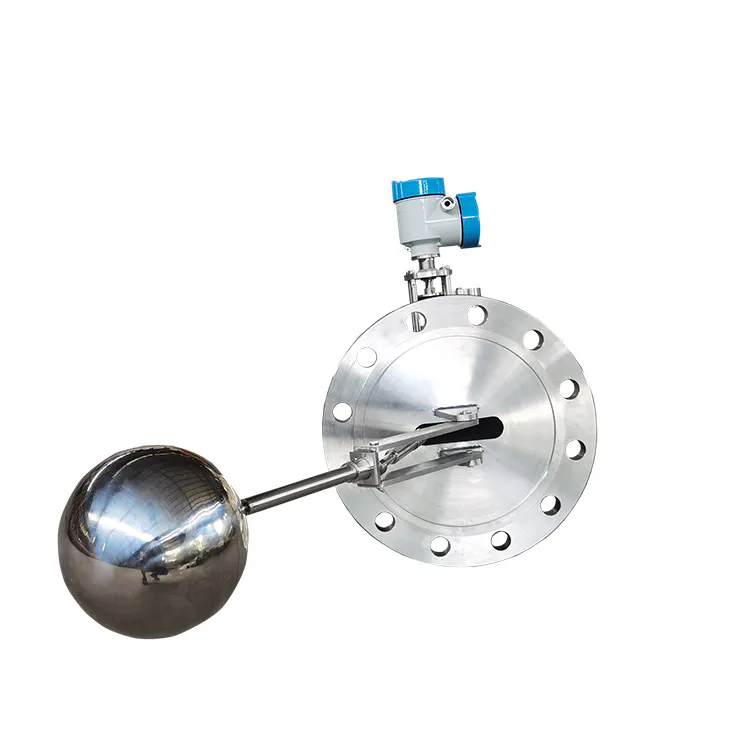
เครื่องส่งสัญญาณระดับลอยสำหรับวัดระดับของเหลวที่เชื่อถือได้

The float level transmitter is a reliable and accurate level measurement instrument designed for continuous liquid level monitoring in industrial tanks, vessels, and process systems. By detecting liquid level changes through the movement of a float, the float level transmitter converts the mechanical displacement into a stable electrical output signal for process control and monitoring.

Float level transmitters are widely used due to their simple structure, stable performance, and adaptability to various liquids. With different material options and output signals, the float level transmitter is suitable for industrial applications requiring dependable level measurement under demanding operating conditions.

เครื่องส่งสัญญาณและเซ็นเซอร์ คำอธิบาย  

Main Features of Float Level Transmitter

  • Stable and accurate liquid level measurement

  • Simple mechanical structure with high reliability

  • Suitable for various liquids and process media

  • Multiple output signal options (analog or digital)

  • Wide operating temperature and pressure range

  • ติดตั้งและบำรุงรักษาได้ง่าย

  • Customizable probe length and mounting options

  • Long service life with minimal maintenance

These features make the float level transmitter an ideal choice for continuous level monitoring in industrial environments.

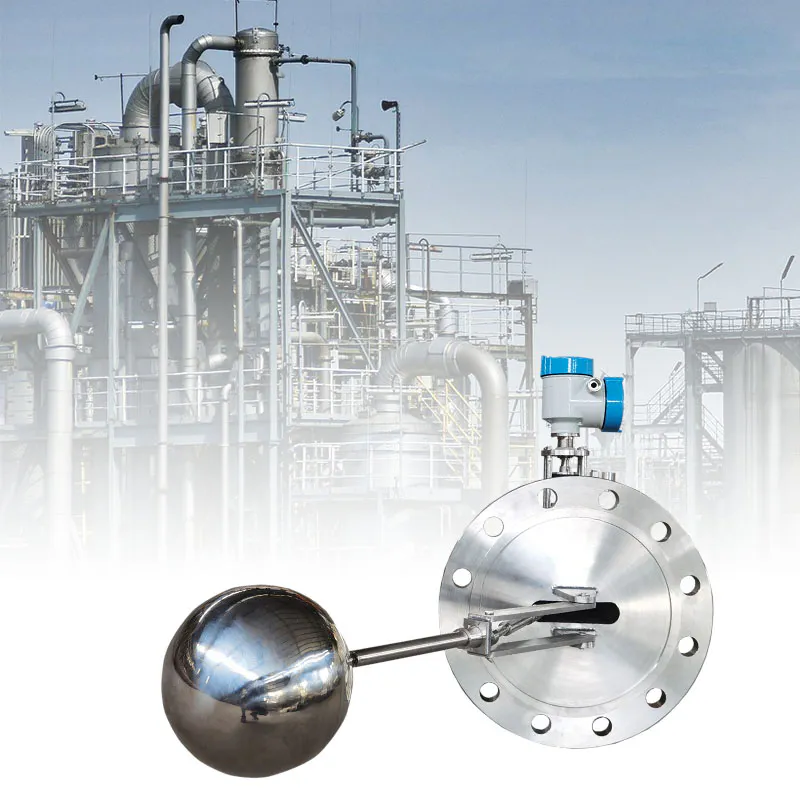
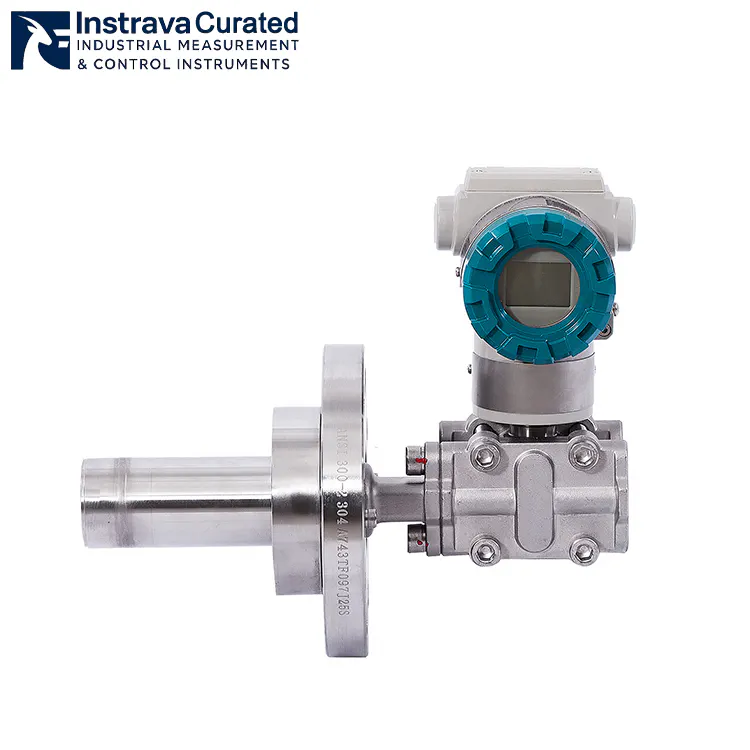
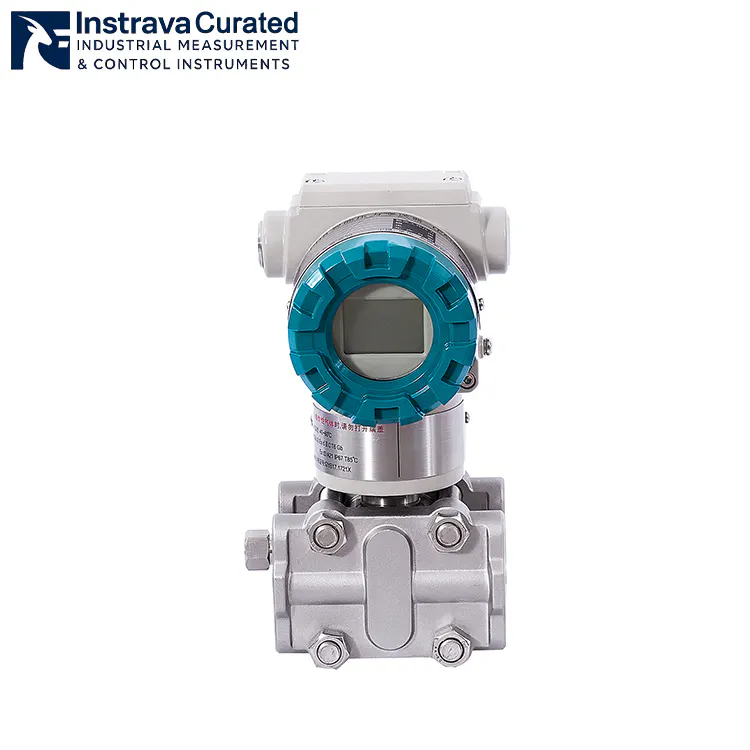
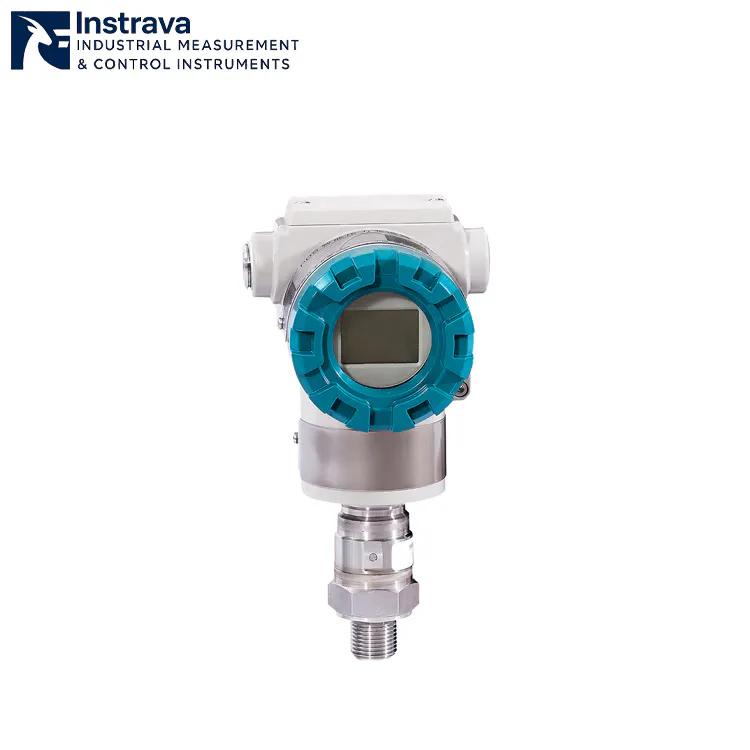
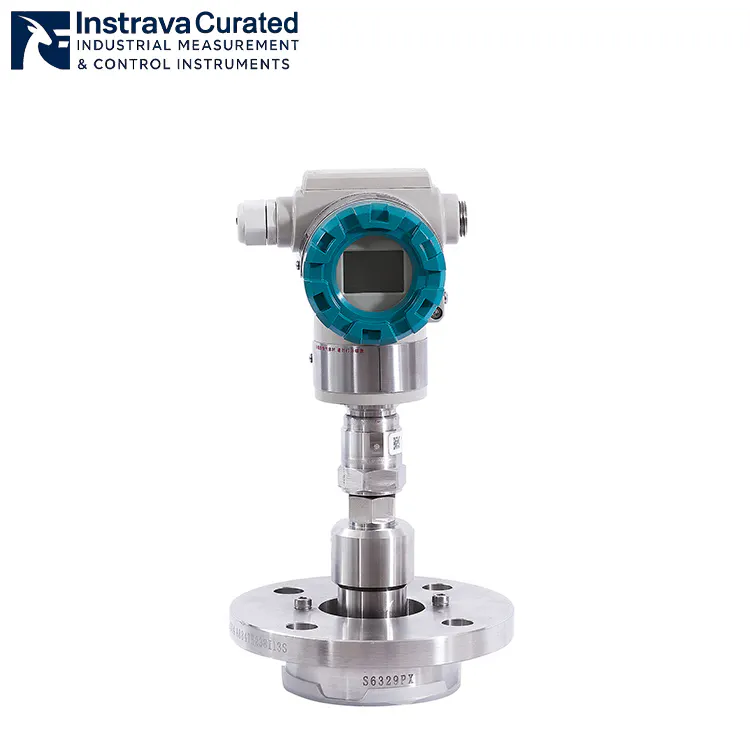
Float type level transmitter with 4-20 mA output
Float level transmitter installed on industrial equipment

Typical Applications of Float Level Transmitters

Float level transmitters are commonly used in:

  • ถังเก็บอุตสาหกรรม

  • Chemical processing systems

  • โรงงานบำบัดน้ำและน้ำเสีย

  • ถังเก็บน้ำมันและเชื้อเพลิง

  • Power generation facilities

  • Process control systems

The robust design of float level transmitters ensures reliable operation in both indoor and outdoor industrial applications.

Working Principle of Float Level Transmitter

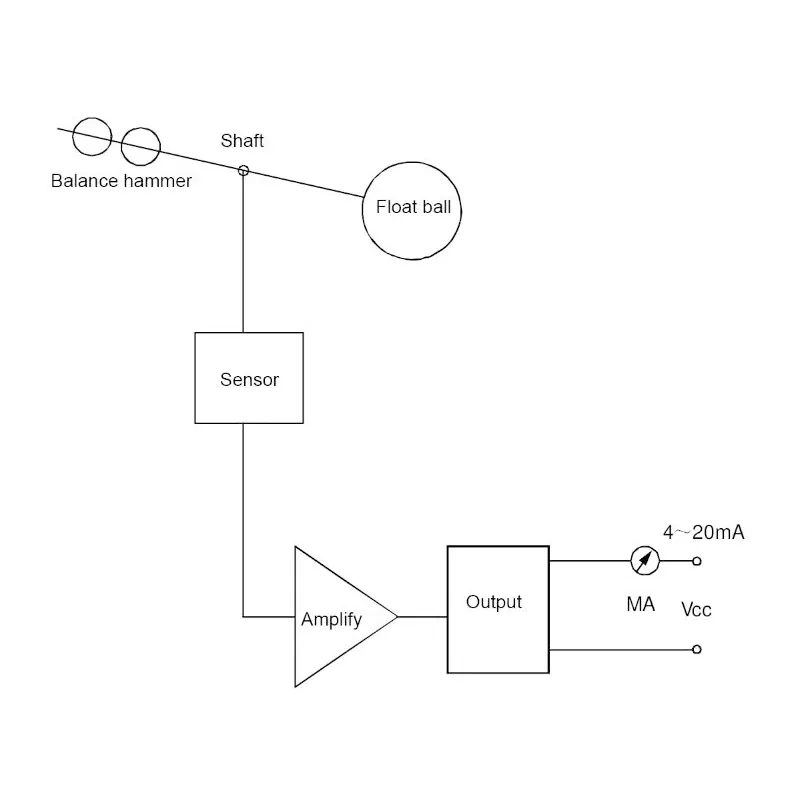
The float level transmitter consists of two main parts: the level measuring mechanism and the electrical transmission unit (meter head).

The level measuring mechanism includes a measuring float, float rod, balance hammer, and balance rod. These components form a torque balance system, allowing the float to move freely up and down in response to changes in the liquid level.

When the liquid level rises or falls, the float moves accordingly and drives the main shaft to rotate. The main shaft is axially connected to the angular displacement sensor located in the meter head, forming a synchronized mechanical transmission system.

As the main shaft rotates, the angular displacement sensor converts the shaft’s angular movement into an electrical signal. The electronic circuit inside the meter head then processes this signal and outputs a standard 4–20 mA current signal that is directly proportional to the actual liquid level.

This design ensures accurate, stable, and continuous level measurement under normal operating conditions.

Float level transmitter working principle diagram
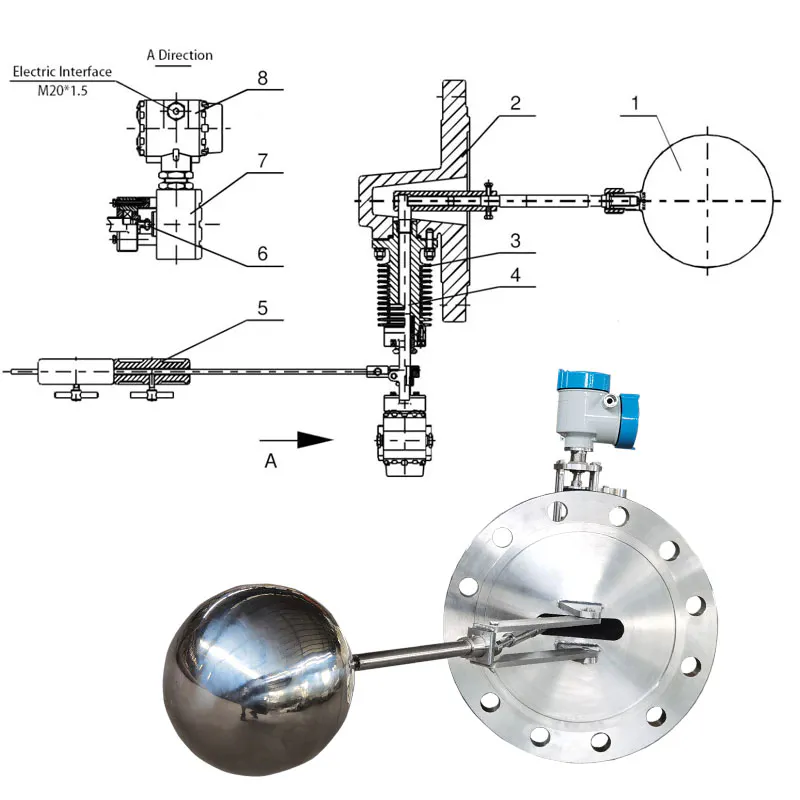
Float level transmitter structure diagram showing mechanical linkage and sensor

Float Type Level Transmitter Structural Composition

A typical float level transmitter consists of:

  • Float (stainless steel or plastic)

  • Guide rod or stem

  • Level sensing element

  • Transmitter housing

  • Electrical connection interface

  • Process mounting (flange or thread)

The compact and modular structure enables easy installation and flexible customization.

เครื่องส่งสัญญาณ & เซ็นเซอร์ พารามิเตอร์  

รายการข้อกำหนด
แบบจำลองINFLT114
Measuring Functionระดับของเหลว
ช่วงการวัดLarge-angle type: 450 – 1600 mm Small-angle type: 380 – 1200 mm
ความถูกต้องของการวัด±1.5% of full scale (FS)
แรงดันไฟฟ้าขาเข้า24 V DC (12.7 – 27.2 V DC)
สัญญาณขาออก4 – 20 mA DC
On-site IndicationMulti-parameter LCD display (intelligent) 0 – 100% (4 – 20 mA) moving coil display (analog type)
Explosion-proof RatingFlameproof: Ex d IIC T4 Intrinsically Safe: Ex ia IIC T4
ระดับการป้องกันIP67
อุณหภูมิแวดล้อม–20 °C to +60 °C
ความชื้นสัมพัทธ์≤ 95% RH
Process Medium Temperature–40 °C to +225 °C (without heat sink) +225 °C to +450 °C (with heat sink)
Minimum Medium Density≥ 0.55 g/cm³
ความดันในการทำงาน2.5 MPa / 4.0 MPa / 6.4 MPa
การเชื่อมต่อกระบวนการ (หน้าแปลน)Standard: DN250 PN, JB/T 82.2-94 (raised face) Special: DN200 PN, JB/T 82.2-94 (convex face)
Cable Entry (Outlet)M20 × 1.5 (internal thread)
Electrical EnclosureDie-cast aluminum alloy with powder coating
Float Maximum Running AngleSmall-angle type: 35° Large-angle type: 80°
Wetted Parts MaterialStandard: 1Cr18Ni9Ti Optional: 316 / 316L

อินสตราวา OEM/ODM

เครื่องมือที่เชื่อถือได้. โซลูชันที่เหมาะกับงานของคุณ.

Instrava มุ่งเน้นในการนำเสนอโซลูชันอุตสาหกรรมที่เชื่อถือได้ ผ่านผลิตภัณฑ์ที่คัดสรรมาอย่างพิถีพิถัน การปรับแต่งให้เหมาะสมกับการใช้งาน และการปรับแต่งที่ยืดหยุ่น เราเลือกเครื่องมือที่ผ่านการพิสูจน์แล้วจากผู้ผลิตที่เชื่อถือได้ เพื่อให้มั่นใจในคุณภาพที่สม่ำเสมอ ปรับโซลูชันให้เหมาะสมตามสภาพการทำงานจริงเพื่อแก้ไขปัญหาที่เกิดขึ้นจริง และให้การกำหนดค่าที่ปรับแต่งได้เพื่อตอบสนองความต้องการเฉพาะของการใช้งาน.

ด้วยการผสานความเชี่ยวชาญในการคัดเลือกเข้ากับความเข้าใจในการประยุกต์ใช้งาน Instrava ช่วยให้ลูกค้าลดความเสี่ยง เพิ่มประสิทธิภาพ และบรรลุผลลัพธ์ที่เชื่อถือได้ในสภาพแวดล้อมอุตสาหกรรมที่ซับซ้อน.

เป็นสัญลักษณ์ของความไว้วางใจและการเริ่มต้นของความร่วมมือระยะยาว

คำแนะนำสินค้าที่เกี่ยวข้อง  

A float level transmitter is used for continuous liquid level measurement in industrial tanks, vessels, and process systems. It converts the movement of a float into an electrical output signal for monitoring and process control.

A float level transmitter works based on the buoyancy principle. As the liquid level changes, the float moves up or down and transfers the movement to a sensing element, which converts it into an electrical signal such as 4–20 mA.

Float level transmitters can measure a wide range of liquids, including water, oils, fuels, chemicals, and other industrial fluids, provided the liquid density and material compatibility are suitable for the float and stem materials.

Common output signals for float level transmitters include 4–20 mA, 0–10 V, and switch outputs. Customized signal options are also available to meet specific control system requirements.

Yes. Float level transmitters can be customized in terms of measuring range, probe length, material selection, mounting type, output signal, and protection level to match different tank sizes and process conditions.

Float level transmitters are designed for industrial use and can operate under high temperature, pressure, and corrosive conditions when proper materials and sealing options are selected. They are widely used in chemical, oil & gas, and power generation industries.

ทำไมต้องเลือก Instrava

สร้างบนความสม่ำเสมอ ไม่ใช่คำกล่าวอ้าง

มุ่งเน้นการใช้งานในอุตสาหกรรม

เราเชี่ยวชาญด้านการวิเคราะห์และตรวจจับในอุตสาหกรรม โดยมีความเข้าใจอย่างชัดเจนเกี่ยวกับสภาพแวดล้อมการทำงานจริงและความต้องการต่างๆ.

เกณฑ์การคัดเลือกผลิตภัณฑ์อย่างเข้มงวด

ทุกเครื่องมือได้รับการประเมินตามประสิทธิภาพ, ความเสถียร, และความเหมาะสมในการนำไปใช้—ไม่ใช่เพียงแค่ข้อมูลจำเพาะหรือราคา.

การจัดหาที่เชื่อถือได้และความสม่ำเสมอของคุณภาพ

เราทำงานร่วมกับผู้ผลิตที่เชื่อถือได้เพื่อให้แน่ใจว่ามีปริมาณการจัดหาที่เสถียร คุณภาพที่สม่ำเสมอ และการจัดส่งที่น่าเชื่อถือ.

การสนับสนุนที่ปฏิบัติได้จริงและอิงจากประสบการณ์

คำแนะนำของเราได้รับการสนับสนุนจากความเข้าใจในการใช้งานจริง ช่วยให้ลูกค้าหลีกเลี่ยงปัญหาทั่วไปและบรรลุผลลัพธ์ที่เชื่อถือได้.

Instrava ถูกสร้างขึ้นเพื่อลดความไม่แน่นอน—เพื่อให้ทุกการตัดสินใจของคุณชัดเจน ปลอดภัย และน่าเชื่อถือมากขึ้น.

ฉากการวัดอุตสาหกรรมที่แสดงคนงานกำลังใช้เครื่องมือวัดความแม่นยำในการวัดและทำเครื่องหมายวัสดุบนโต๊ะทำงาน ซึ่งแสดงให้เห็นถึงการประยุกต์ใช้เครื่องมือวัดในทางปฏิบัติในการผลิตและการแปรรูป.

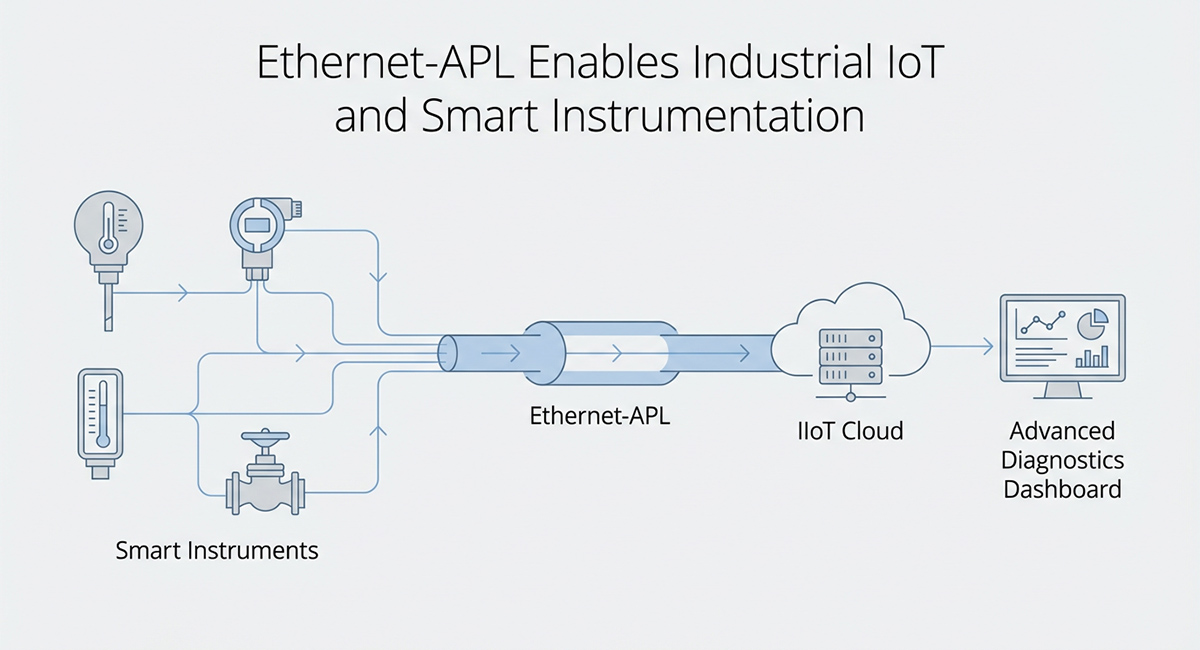
วิธีที่ Ethernet-APL ช่วยให้เกิด IoT อุตสาหกรรมและเครื่องมือวัดอัจฉริยะ

  • โดย อินสตราวา
  • เม.ย. 2, 2026

ระบบอุตสาหกรรมกำลังพัฒนาอย่างรวดเร็วจากสภาพแวดล้อมการควบคุมแบบแยกส่วนไปสู่ระบบนิเวศที่เชื่อมต่อกันทั้งหมดและขับเคลื่อนด้วยข้อมูล อยู่ที่ศูนย์กลางของการเปลี่ยนแปลงนี้...

  • อ่าน 2 นาที

อีเธอร์เน็ต-เอพีแอล กับ ฟีลด์บัส: ยุคใหม่แห่งการสื่อสารอุตสาหกรรม

  • โดย อินสตราวา
  • เม.ย. 2, 2026

เทคโนโลยีการสื่อสารอุตสาหกรรมได้พัฒนาไปอย่างมากในช่วงหลายทศวรรษที่ผ่านมา ระบบฟีดด์บัสแบบดั้งเดิม เช่น PROFIBUS และ Modbus ได้ถูกใช้มาเป็นเวลานาน...

  • อ่าน 3 นาที

อีเธอร์เน็ต-เอพีแอล: เทคโนโลยีการสื่อสารยุคใหม่สำหรับอุตสาหกรรมกระบวนการ

  • โดย อินสตราวา
  • เม.ย. 2, 2026

เมื่อระบบอุตสาหกรรมก้าวสู่การดิจิทัลและการอัตโนมัติที่ชาญฉลาด เทคโนโลยีการสื่อสารภาคสนามแบบดั้งเดิมก็ไม่สามารถตอบสนองความต้องการได้มากขึ้น...

  • อ่าน 3 นาที
หน้าแรก
ผลิตภัณฑ์
Whatsapp
ติดต่อ