
- Por Instrava
- 01/14/2026
- 0 Comentario
Transmisor de nivel de flotador: Medición fiable del nivel de líquido para aplicaciones industriales
La medición precisa y estable del nivel es esencial para mantener la seguridad, la eficacia y la continuidad del proceso en los sistemas industriales. Entre las diversas tecnologías de detección de nivel, el transmisor de nivel de flotador sigue siendo una de las soluciones más adoptadas debido a su fiabilidad mecánica, estructura sencilla y rendimiento a largo plazo en entornos exigentes.
Un transmisor de nivel de flotador proporciona una medición de nivel continua convirtiendo los cambios de nivel de líquido en señales eléctricas. Su diseño probado lo hace adecuado para una amplia gama de tanques industriales, recipientes y sistemas de proceso en todos los mercados mundiales.
Este artículo explora la tecnología de flotadores transmisores de nivel desde una perspectiva práctica y orientada a la aplicación, centrándose en las características de rendimiento, los materiales, la personalización, el control de calidad y el valor operativo a largo plazo.
¿Qué es un transmisor de nivel de flotación?
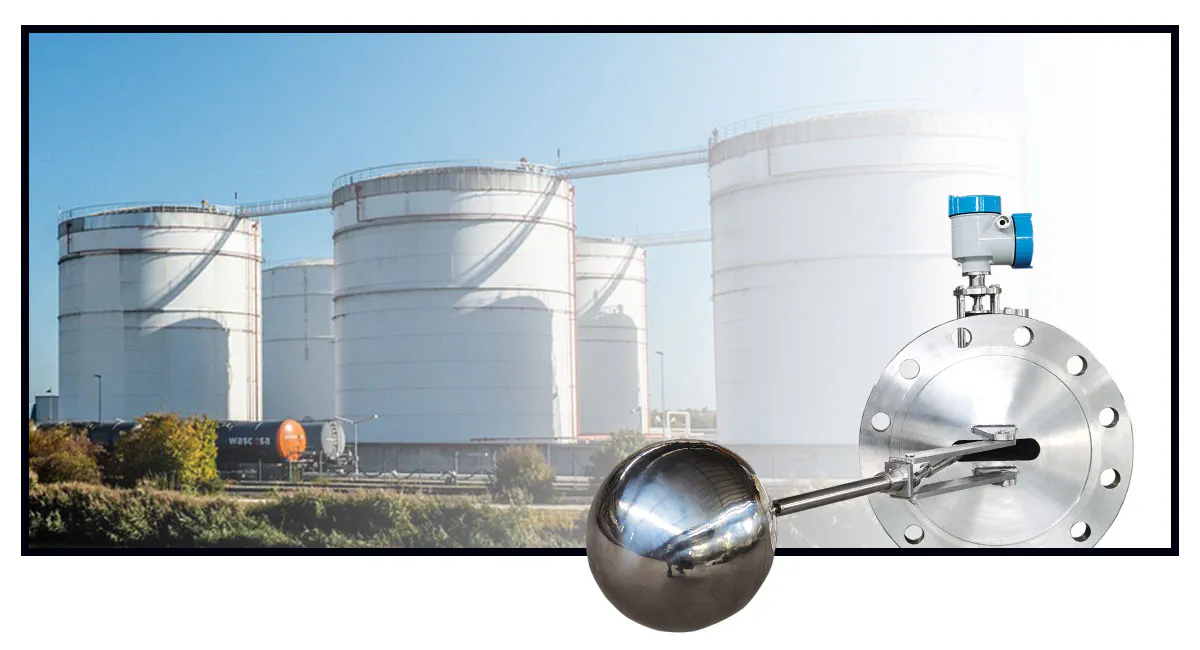
A transmisor de nivel de flotación es un dispositivo de medición de nivel que utiliza un flotador para detectar cambios en el nivel del líquido y transmitirlos como señales de salida normalizadas, como 4-20 mA.
Cuando el nivel del líquido sube o baja, el flotador se mueve en consecuencia. Este movimiento se transfiere a través de un acoplamiento mecánico o magnético al mecanismo transmisor, generando una señal de nivel continua y estable para los sistemas de supervisión y control.
Al no depender de complejos componentes electrónicos en el interior del medio de proceso, es muy adecuado para condiciones industriales duras.
Por qué se sigue utilizando ampliamente la tecnología de transmisores de nivel de flotador
A pesar de la disponibilidad de sensores electrónicos avanzados, las soluciones de transmisores de nivel de flotador siguen seleccionándose para muchos proyectos industriales debido a sus ventajas inherentes:
Medición estable y repetible
Desviación mínima de la señal a lo largo del tiempo
Alta resistencia al ruido eléctrico
Adecuado para líquidos sucios u opacos
Larga vida útil con escaso mantenimiento
Estas características hacen que el transmisor de nivel tipo flotador sea la opción preferida para aplicaciones en las que la fiabilidad es más importante que una resolución de medición ultra alta.
Aplicaciones industriales comunes
Un transmisor de nivel de flotador se aplica comúnmente en industrias donde la detección directa y mecánica del nivel proporciona resultados fiables.
Las aplicaciones típicas son:
Tanques de procesamiento químico
Sistemas de almacenamiento de petróleo y combustible
Tratamiento del agua y de las aguas residuales
Sistemas auxiliares de centrales eléctricas
Sistemas de lubricación industrial
Recipientes de proceso y sumideros
En muchas instalaciones, el transmisor de nivel tipo flotador se utiliza como sensor de nivel primario o como dispositivo de medición redundante junto con instrumentos de radar o ultrasónicos.
Materiales y opciones de construcción
La selección del material afecta directamente a la durabilidad y compatibilidad de un transmisor de nivel de flotador con diferentes medios de proceso.
Materiales húmedos comunes
| Material | Medios típicos |
|---|---|
| Acero inoxidable 304 | Agua, productos químicos ligeros |
| Acero inoxidable 316 | Líquidos corrosivos |
| Acero al carbono | Aceite, combustible, fluidos no corrosivos |
| PP / PTFE | Ácidos y álcalis fuertes |
El propio flotador puede fabricarse con distintas formas y materiales para optimizar la flotabilidad y la resistencia química.
Rendimiento de la medición y señales de salida
Un transmisor de nivel de flotador está diseñado para proporcionar una salida estable y lineal a lo largo de su rango de medición.
| Parámetro | Alcance típico |
|---|---|
| Intervalo de medida | Hasta 6 metros |
| Señal de salida | 4-20 mA |
| Precisión | ±1% FS |
| Temperatura de funcionamiento | -40°C a 200°C |
| Presión de proceso | Hasta 16 MPa |
Las especificaciones de rendimiento pueden variar en función del diseño del flotador, el tipo de transmisor y las condiciones de la aplicación.
Capacidades de personalización y OEM
La personalización es una ventaja clave de las soluciones de transmisores de nivel de tipo flotador, especialmente para proyectos con tanques de dimensiones o condiciones de funcionamiento no estándar.
Las opciones de personalización más comunes son:
Rango de medición y longitud de sonda
Tamaño y material del flotador
Normas de conexión a proceso (ANSI, DIN, JIS)
Configuración de la señal de salida
Orientación de montaje (superior, lateral o inferior)
Opciones de alojamiento eléctrico
Instrava trabaja en estrecha colaboración con socios OEM para ofrecer soluciones personalizadas de transmisores de nivel de flotación que se integran perfectamente en los sistemas y arquitecturas de control existentes.
Control de calidad y fiabilidad de la fabricación
Una calidad de fabricación constante es esencial para la estabilidad del transmisor a largo plazo.
Los procesos estándar de control de calidad incluyen:
Inspección de materias primas
Pruebas de flotabilidad
Verificación de la calibración de la señal
Pruebas de presión y estanqueidad
Pruebas funcionales finales
Ejemplo de capacidad de producción
| Artículo | Valor |
|---|---|
| Capacidad mensual | Más de 2.500 unidades |
| Cobertura de calibrado | 100% |
| Plazo de entrega estándar | 2-4 semanas |
| Pedidos personalizados | 4-6 semanas |
Estos controles garantizan que cada transmisor de nivel tipo flotador cumpla los requisitos de diseño y rendimiento antes de su entrega.
Certificaciones y conformidad global
En los proyectos internacionales, el cumplimiento de normas reconocidas es fundamental.
Las certificaciones típicas incluyen:
ISO 9001
CE
ATEX (para zonas peligrosas)
Documentación sobre la trazabilidad de los materiales
Estas certificaciones respaldan la aceptación de los productos transmisores de nivel de tipo flotante en EE.UU., Europa, Oriente Medio y los mercados mundiales.
Comparación del transmisor de nivel de boya con otros sensores de nivel
| Característica | Transmisor de nivel de flotador | Sensor de nivel radar | Sensor de nivel ultrasónico |
|---|---|---|---|
| Fiabilidad | Alta | Alta | Medio |
| Sensibilidad de los medios de comunicación | Bajo | Bajo | Alta |
| Mantenimiento | Bajo | Bajo | Medio |
| Coste | Moderado | Alta | Moderado |
| Idoneidad para medios sucios | Excelente | Bien | Limitado |
Esta comparación pone de relieve por qué las soluciones de transmisores de nivel de flotador siguen siendo relevantes en muchos entornos industriales.
Valor a largo plazo y consideraciones operativas
A la hora de evaluar un transmisor de nivel de tipo flotante, los compradores se centran cada vez más en el valor operativo a largo plazo que en el precio de compra inicial.
Los factores de valor clave incluyen:
Estabilidad de las mediciones durante años de funcionamiento
Menor necesidad de recalibrado
Menor frecuencia de sustitución
Solución sencilla de problemas
Compatibilidad con sistemas de control estándar
Estas ventajas contribuyen a reducir el coste total de propiedad a lo largo del ciclo de vida de los equipos.
Por qué elegir Instrava para soluciones de transmisor de nivel de flotador
Instrava es un socio centrado en el suministro de equipos, soluciones y servicios para instrumentos industriales de medición y control utilizados en aplicaciones críticas de seguridad y control de procesos.
Con un compromiso de confianza, comunicación y colaboración, Instrava apoya a los clientes globales y a los socios mayoristas OEM en China mediante el suministro de soluciones fiables de transmisores de nivel de flotación diseñados para un rendimiento a largo plazo, flexibilidad de personalización y calidad constante.
Conclusión
El transmisor de nivel de flotador sigue siendo una solución fiable y práctica para la medición continua del nivel de líquido en entornos industriales. Su simplicidad mecánica, rendimiento estable y adaptabilidad a diversas condiciones de proceso lo convierten en un componente valioso de los sistemas modernos de medición de nivel.
Seleccionando un transmisor de nivel de tipo flotador correctamente diseñado y un socio de fabricación fiable, los usuarios industriales pueden conseguir una supervisión precisa, estabilidad operativa y rentabilidad a largo plazo.