






Modelado de datos industriales: Cómo convertir señales en bruto en inteligencia estructurada para IIoT
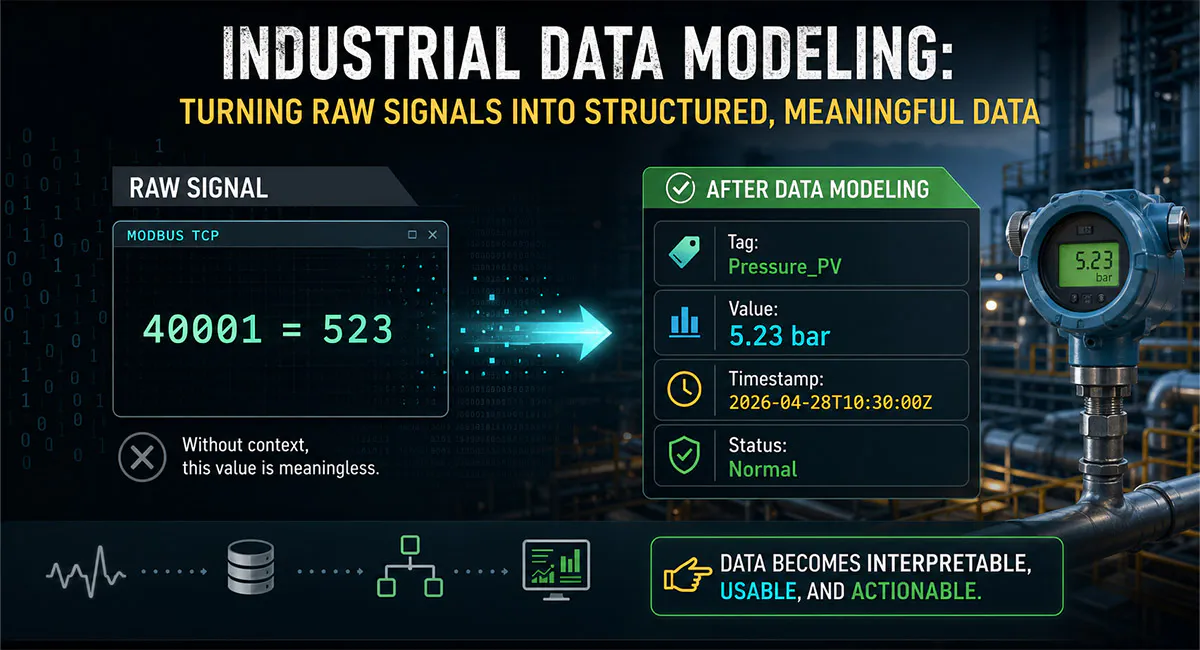
Introduction: Data Without Structure Has No Value Industrial systems generate massive amounts of data every second. However, in most brownfield...
Inicio » Productos » Edge Gateway » Edge Gateway – 5G Industrial Intelligent Edge Gateway
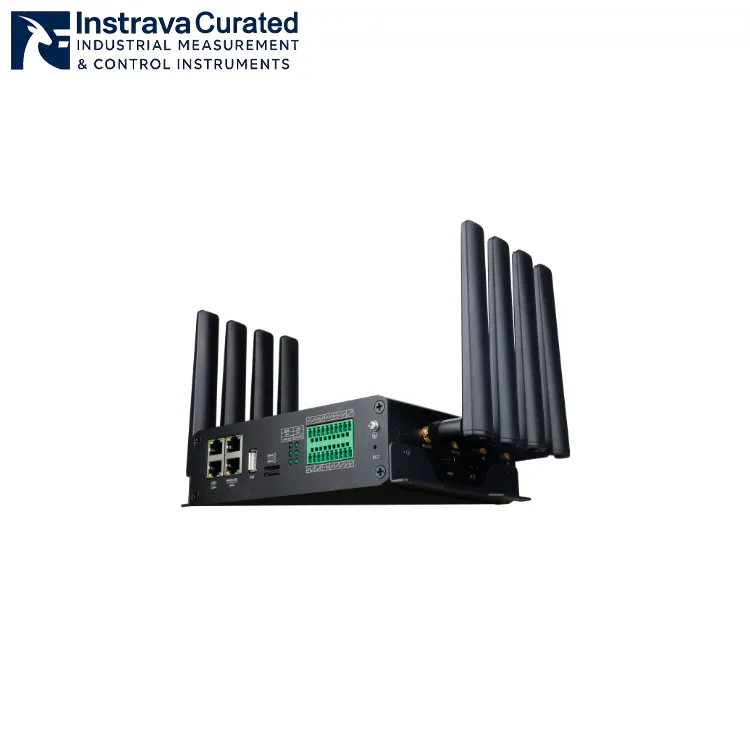
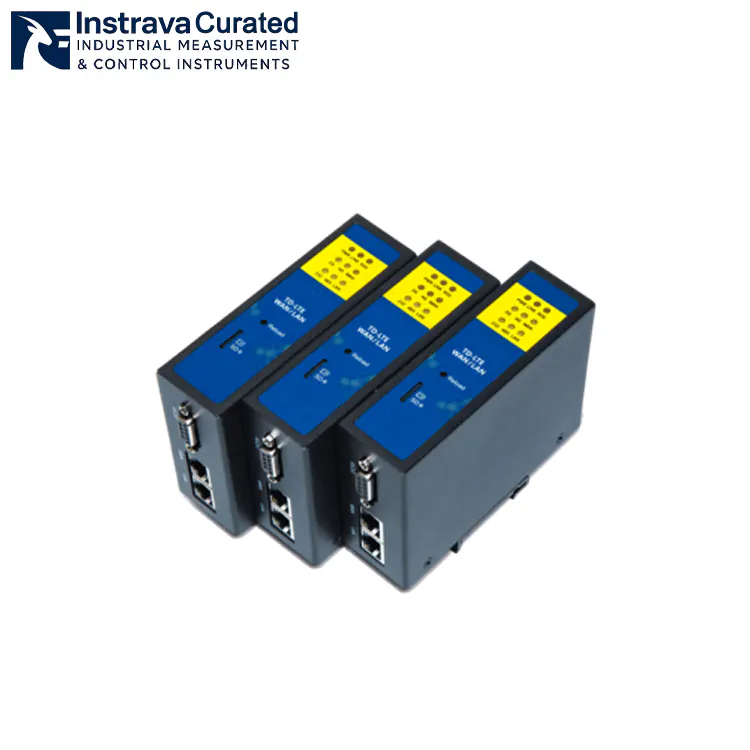
Instrava Curated Instruments: Industrial Edge Gateway Built for the Connected Future
Instrava Curated Instruments presents a next-generation Edge Gateway engineered to bridge industrial assets with modern digital infrastructure. Designed for high-performance edge connectivity, this 5G industrial edge gateway combines ultra-reliable communications, edge computing intelligence, and seamless protocol interoperability in one rugged platform.
Built on a domestic industrial-grade architecture, this intelligent gateway supports 5G dual-mode connectivity, Wi-Fi 6, Gigabit Ethernet, LoRa, Bluetooth 5.2, RedCap, and optional GPS/BeiDou positioning, enabling secure and resilient connectivity across diverse industrial environments. Whether deployed for industrial automation, smart manufacturing, AGV fleets, robotic inspection, or smart healthcare, it delivers the speed, reliability, and flexibility required for real-time operations.
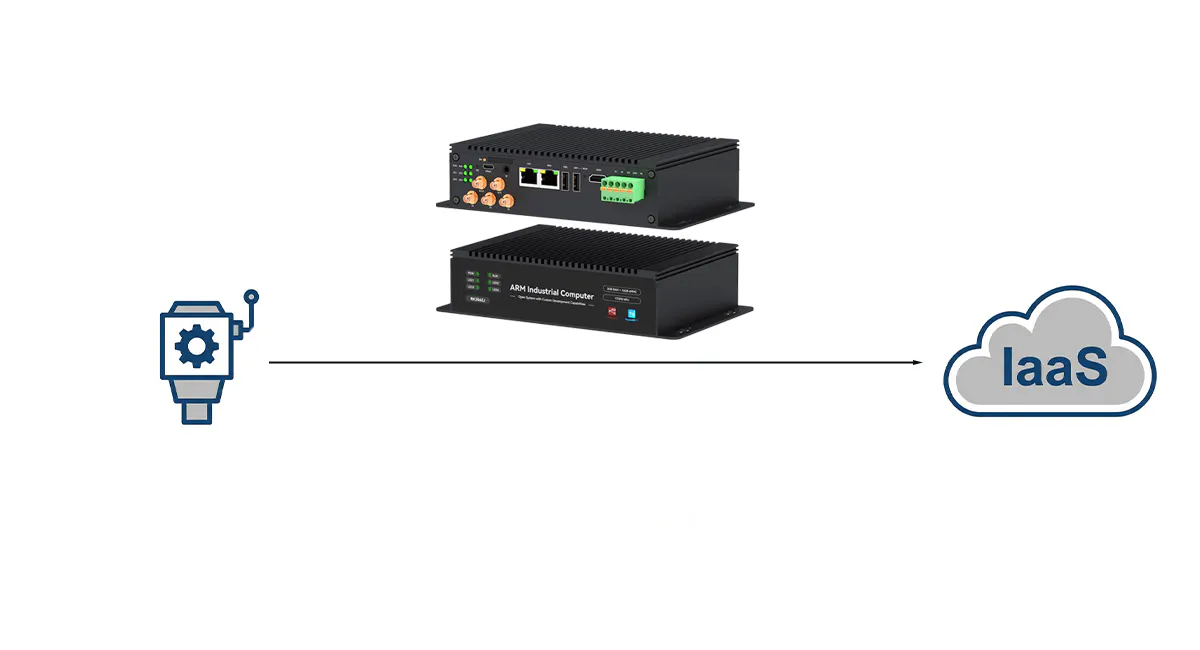
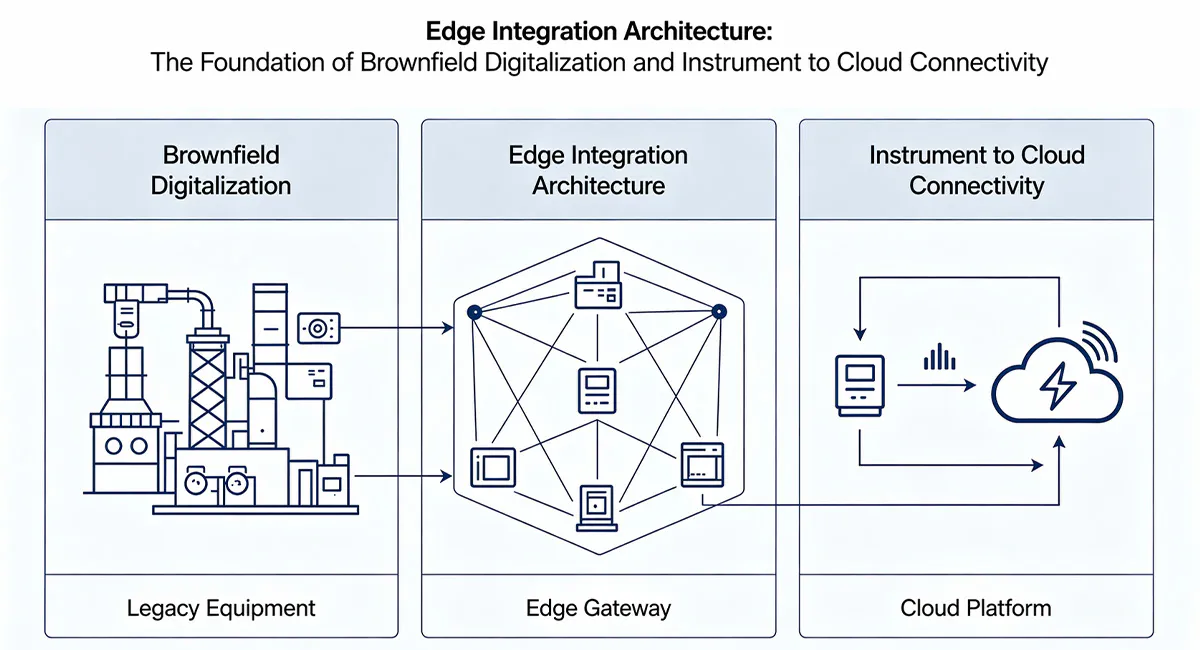
With built-in support for OPC UA, MQTT, Modbus TCP/RTU, SQL, IEC 61850, and multiple PLC/CNC protocols, this industrial IoT edge gateway acts as a powerful bridge between legacy equipment and cloud-based analytics platforms. It transforms isolated field devices into connected, intelligent assets—accelerating digital transformation while preserving existing infrastructure investments.
Edge Gateway Description
Why Choose This Industrial Edge Gateway?
Este 5G edge gateway for industrial IoT is designed to maintain uninterrupted communications in demanding environments. With support for dual-transmit selective-receive technology, it achieves network reliability of ≥99.99% and ultra-low latency of ≤12ms, making it ideal for real-time control, remote monitoring, and autonomous systems.
Key communication advantages include:
This combination ensures continuous, high-speed data transmission across fixed, mobile, and distributed industrial networks.
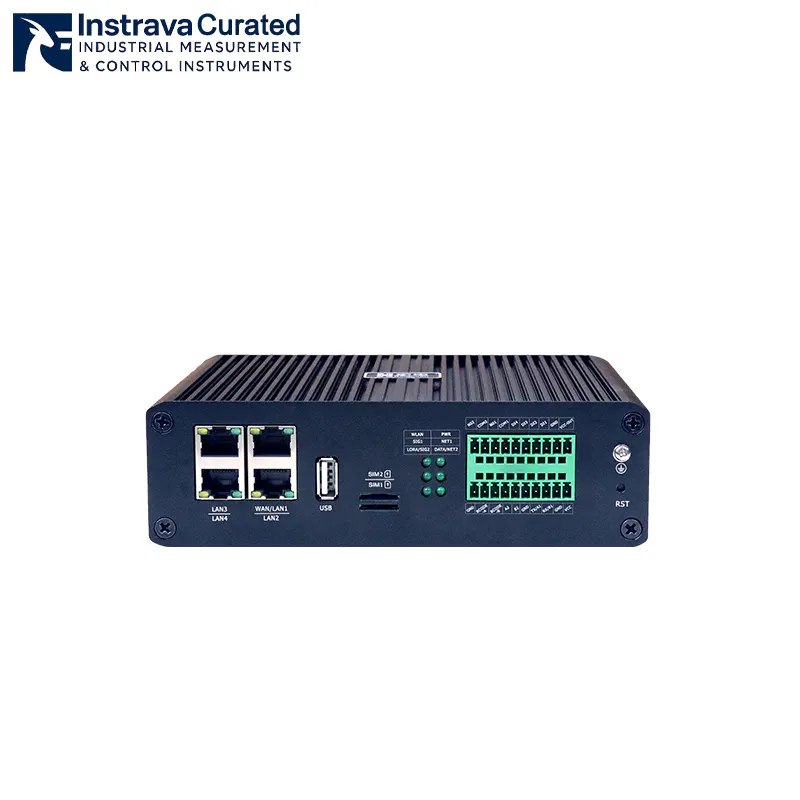
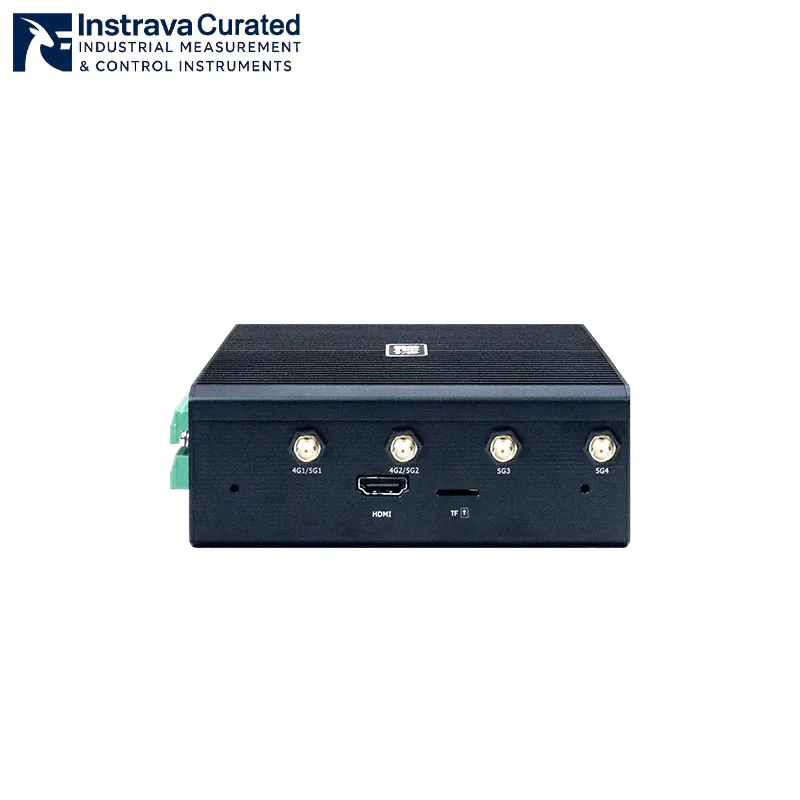
Edge Intelligence for Industrial Digital Transformation
More than a communication device, this industrial edge computing gateway enables local data processing, intelligent decision-making, and seamless cloud integration.
Southbound connectivity supports data acquisition from:
Northbound connectivity supports integration with:
This makes it an ideal OPC UA edge gateway, Modbus gateway, y industrial protocol converter for modern smart factories and process automation systems.
Edge Gateway Parameter
| CPU | Quad ARM Cortex-A55 2.0GHz |
| GPU | Mali G52 2EE, OpenGL ES 1.1/2.0/3.2, OpenCL 2.0 & Vulkan 1.1 |
| NPU | 1 TOPS for lightweight AI |
| Memory | 2GB |
| Built-in storage | 8GB |
| Cellular Interface | |
| Modem | 1 × LTE Cat4 or 1/2 × 5G NR SA/NSA |
| Number of Antennas | 2 (LTE version) or 4/8 (NR version) |
| Connector | SMA-K |
| SIM | 2 |
| Wireless Interface | |
| Standards | 802.11b/g/n/ac/ax, AP or station modes |
| Frequency Bands | 2.4 GHz & 5 GHz |
| Speed | 583Mbps |
| Seguridad | WEP, WPA, WPA2 |
| Cifrado | 64/128 AES, TKIP |
| Antennas | 2 |
| Connector | SMA-K |
| Star Flash | Support |
| Lora | Support |
| GNSS Interface | |
| Number of Antennas | 1 |
| Connector | SMA-K |
| Peripheral Interface | |
| Ethernet | 4 x RJ45 10/100/1000Mbps adaptive (1 of which supports WAN, LAN switching) |
| Serial | 1 × RS-232/RS-232 + 1 × RS-485 serial port |
| USB | 1 x USB2.0 |
| TF Card | 1 |
| HDMI | 1 |
| Extension interface | Extendable interface module Z4-EXT |
| Software | |
| Auto Fail-over | Between: 2 Cellulars, Cellular and WAN, Cellular and Wi-Fi (station mode), WAN and Wi-Fi (station mode) |
| Network Protocols | PPP, PPPoE, TCP, UDP, DHCP, ICMP, NAT, HTTP, HTTPs, DNS, ARP, NTP, SMTP, Telnet, SSH, DDNS, etc. |
| Network | APN, VPDN, VLAN, QoS |
| Routing | Static Routing, Policy routing, RIP, OSPF and BGP, etc |
| Firewall | NAT, PAT, DMZ, Port Forword, IP/Domain/MAC Filter, Access Control List |
| Attack Prevention | DDOS prevention, Anti port scanning |
| VPN | PPTP/L2TP/GRE/IPSec/OpenVPN/DMVPN/WireGuard |
| Ipsec Encryption | DES, 3DES, AES128, AES192, AES256 |
| OpenVPN Encryption | BF-CBC, DES-CBC, RC2-CBC, DES-EDE-CBC, DES-EDE3-CBC, DESX-CBC, RC2-40-CBC, CAST5-CBC, RC2-64-CBC, AES-128-CBC,AES-192-CBC, AES-256-CBC, SEED-CBC |
| Remote Management | HTTP, Telnet, SSH, SMS, SNMP V1/V2/V3, SNMP TRAP, Hongdian Wedora Cloud Platform |
| Serial Ports Function | Transparent, Modbus RTU, etc |
| Protocolo industrial | |
| Common Protocols | OPC-UA Client&Server, BACNet/IP Client&Server, Modbus RTU/TCP/ASCII, Modbus Master, BACnet/IP, Ethernet/IP,IEC101/104, IEC61850-modbus, etc. |
| Integración en la nube | MQTT, HTTPS, Hongdian HMP, TCP/UDP, etc |
| Configuration Tool | HDGatewayManager |
| Power Supply and Consumption | |
| Connector | 2 pin socket |
| Voltage Input | +9V~+48V DC |
| Consumo de energía | Idle: 400mA@12V DC, Data transceiving: 1.5A@12V DC |
| Others | |
| Reset Button | Sí |
| Hardware Watchdog | Sí |
| LED Indicators | 6 indicators for PWR, WLAN, NET1, SIG1, DATA/NET2, LORA/SIG2 |
| Características físicas | |
| Protección contra la penetración | IP30 |
| Housing & Weight | Metal, 1060g |
| Dimensión | 170 × 136.2× 51mm |
| Installations | Desktop, wall mounting and DIN rail mounting |
| Temperatura de funcionamiento | -35 ~ +75℃ |
| Temperatura de almacenamiento | -40 ~ +85℃ |
| Humedad relativa | 95% |
| Inputs/Outputs | |
| VCC-OUT | 1 voltage output, voltage source is the same as the input. |
| DI | 4 digital input channels (low-level input: 04.5V, high-level input: 636V). |
| Salidas de relé | 2 relay outputs (3A 250VAC/30VDC). |
| RS-485 | 6 RS-485 interfaces (default baud rate 115200bps). |
| AI | AI1、AI2(4~20mA),AI3、AI4(0~5V) |
| CAN | 1 CAN interface. |
| GPIO | 4 GPIO channels (output 0-3.3V). |
| Expansion Interface | 1 2×6pin 2.54mm pitch expansion module board interface. |
| Consumo de energía | |
| Typical Power Consumption | 3.3V average current 40mA, 5V average current 86mA. |
| Entorno operativo | |
| Temperatura de funcionamiento | -30℃ to +75℃ |
| Temperatura de almacenamiento | -40℃ to +85℃ |
| Constant Humidity | +45℃, 95% RH, 24h |
| Alternating Humidity | Temperature/Humidity: +25~+55℃ / 95% RH, 24 hours. |
| Physical Dimensions | |
| Dimensiones | 136.2 × 170× 51mm |
| Peso | 950g. |
Instrava OEM/ODM
Instrumentos fiables. Soluciones que se adaptan a su aplicación.
Instrava se centra en ofrecer soluciones industriales fiables a través de productos cuidadosamente seleccionados, optimización basada en aplicaciones y personalización flexible. Seleccionamos instrumentos probados de fabricantes de confianza para garantizar una calidad constante, optimizamos soluciones basadas en condiciones de trabajo reales para resolver retos prácticos y ofrecemos configuraciones a medida para satisfacer las necesidades de aplicaciones específicas.
Combinando la experiencia en selección con la comprensión de las aplicaciones, Instrava ayuda a sus clientes a reducir riesgos, mejorar la eficacia y obtener resultados fiables en entornos industriales complejos.
Instrava diseña el camino correcto para digitalizar sus operaciones: de instrumentos heredados a sistemas conectados y basados en datos.

Recomendaciones de productos relacionados
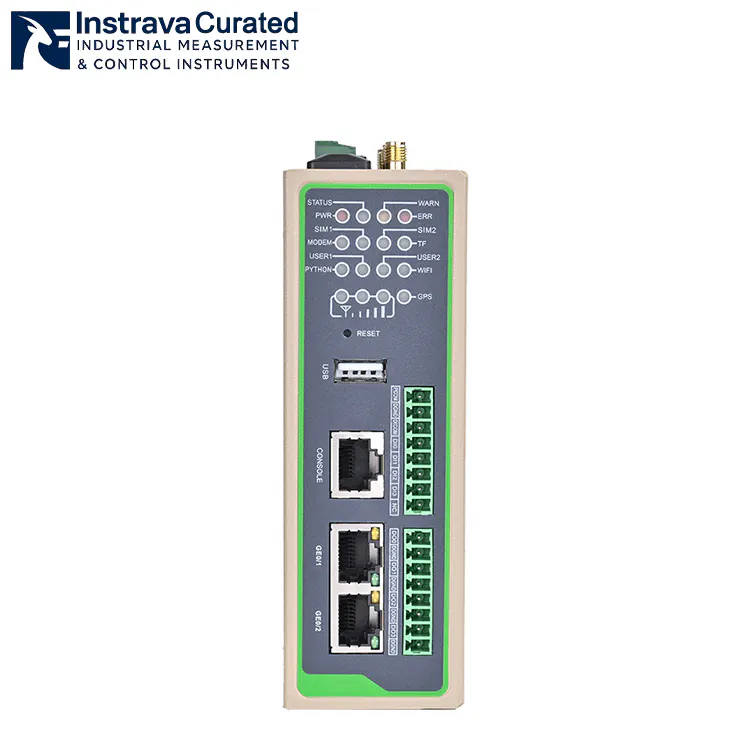
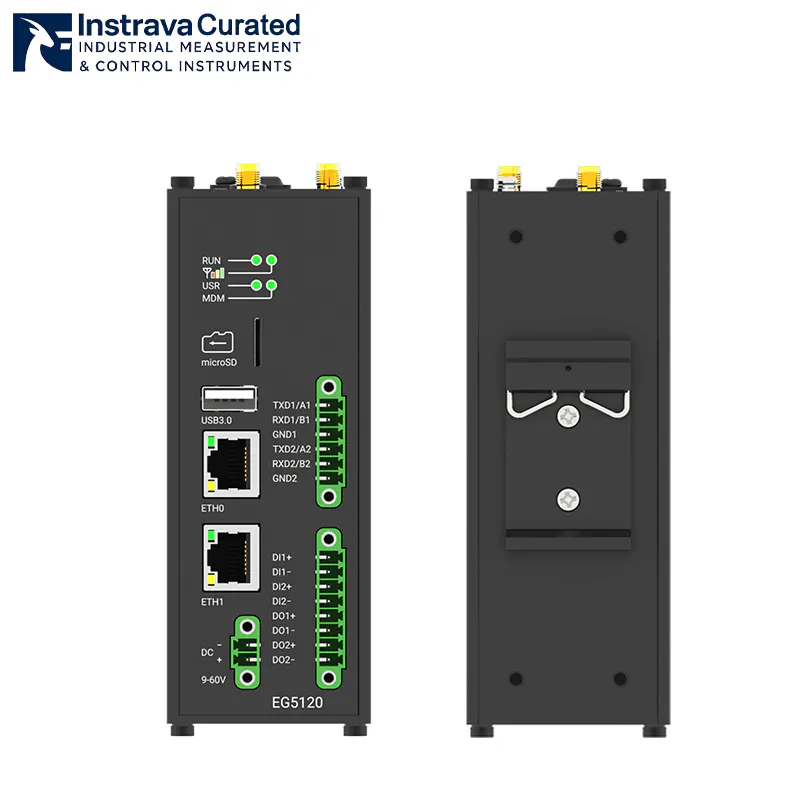
What is an Edge Gateway and why is it important in industrial IoT?
An Edge Gateway is a device that connects field instruments, PLCs, and legacy systems to cloud platforms. It processes data locally, reduces latency, and minimizes bandwidth usage. In industrial IoT (IIoT), it plays a critical role by enabling real-time decision-making, protocol conversion (e.g., Modbus, HART, OPC UA), and secure data transmission without replacing existing equipment.
Can an Edge Gateway connect legacy instruments to the cloud without replacing them?
Yes, one of the main advantages of an Edge Gateway is brownfield integration. It allows legacy instruments using protocols like 4–20mA, Modbus RTU, or HART to be digitized and connected to cloud systems. This avoids costly system replacement and enables gradual digital transformation with minimal downtime.
What protocols are typically supported by an industrial Edge Gateway?
Most industrial Edge Gateways support multiple protocols to ensure compatibility across devices. Common southbound protocols include Modbus RTU/TCP, HART, Profibus, and CAN. Northbound communication often includes MQTT, HTTP/HTTPS, OPC UA, and REST APIs. This multi-protocol capability ensures seamless data flow from field devices to cloud platforms.
How does an Edge Gateway improve data security in IIoT systems?
Edge Gateways enhance security by processing sensitive data locally and reducing direct exposure of field devices to the internet. They typically include features such as data encryption (TLS/SSL), firewall protection, VPN support, and device authentication. This layered security architecture helps prevent unauthorized access and cyber threats.
How many Edge Gateways are needed in a factory deployment?
The number of Edge Gateways depends on factors such as device count, communication protocols, data volume, and physical layout. A typical deployment may use one gateway per production line, per workshop, or per 50–200 devices. Network segmentation, redundancy requirements, and real-time processing needs also influence the final architecture.
What is the difference between an Edge Gateway and a standard IoT gateway?
While both connect devices to the cloud, an Edge Gateway provides advanced local computing capabilities such as data filtering, preprocessing, and analytics. Unlike basic IoT gateways, edge gateways can execute logic, reduce cloud dependency, and support real-time industrial control scenarios, making them more suitable for complex industrial environments.
Introduction: Data Without Structure Has No Value Industrial systems generate massive amounts of data every second. However, in most brownfield...
Introduction: The Missing Link in Industrial IoT Industrial companies are investing heavily in digital transformation, yet a major challenge remains:...
Introducción: Por qué es importante la integración Edge en el IoT industrial La transformación digital industrial se está acelerando, pero la mayoría de las instalaciones aún dependen de sistemas...
Basados en la coherencia, no en las reclamaciones
Estamos especializados en el análisis y la detección industriales, con una clara comprensión de los entornos operativos y los requisitos del mundo real.
Cada instrumento se evalúa en función de su rendimiento, estabilidad e idoneidad para la aplicación, no sólo de sus especificaciones o precios.
Trabajamos con fabricantes de confianza para garantizar un suministro estable, una calidad constante y una entrega fiable.
Nuestras recomendaciones se basan en el conocimiento de la aplicación, lo que ayuda a los clientes a evitar problemas comunes y lograr resultados fiables.
Instrava se ha creado para reducir la incertidumbre, de modo que cada decisión que tome sea más clara, segura y fiable.