- Schedule. Mon - Sat 09.00 - 20.00








Flowmeter
Home » Flowmeters
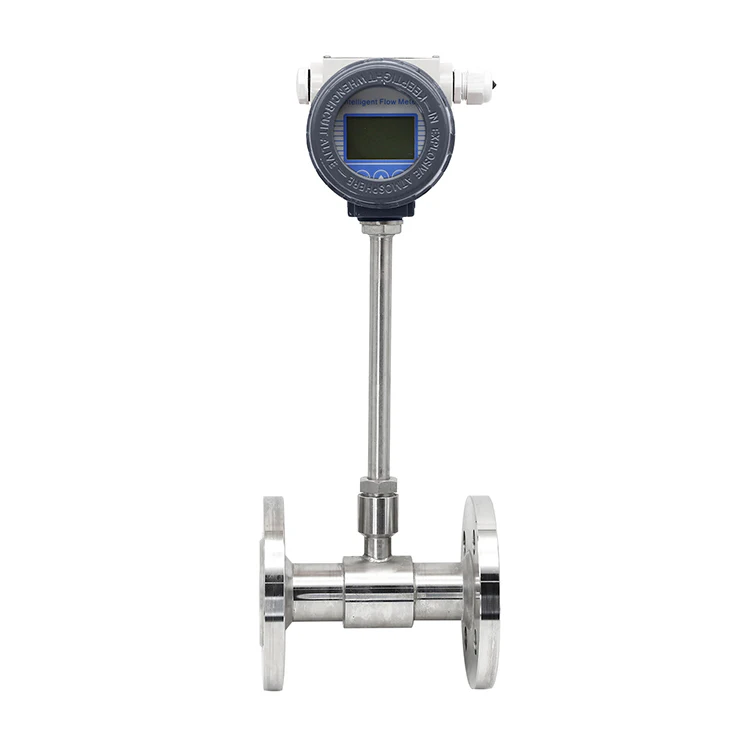
Accuracy up to 0.1% / 0.15% | Pipe size range: DN15 – DN150
- Intrinsically Safe, Wide Flow Range
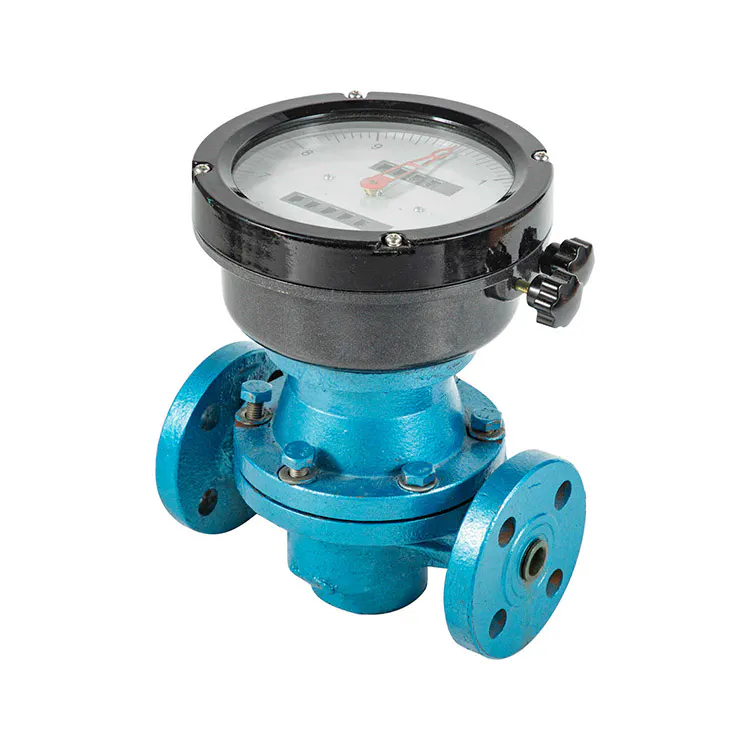
DN10-DN200 | 40-120000L/H
- High Accuracy, Low Pressure Loss
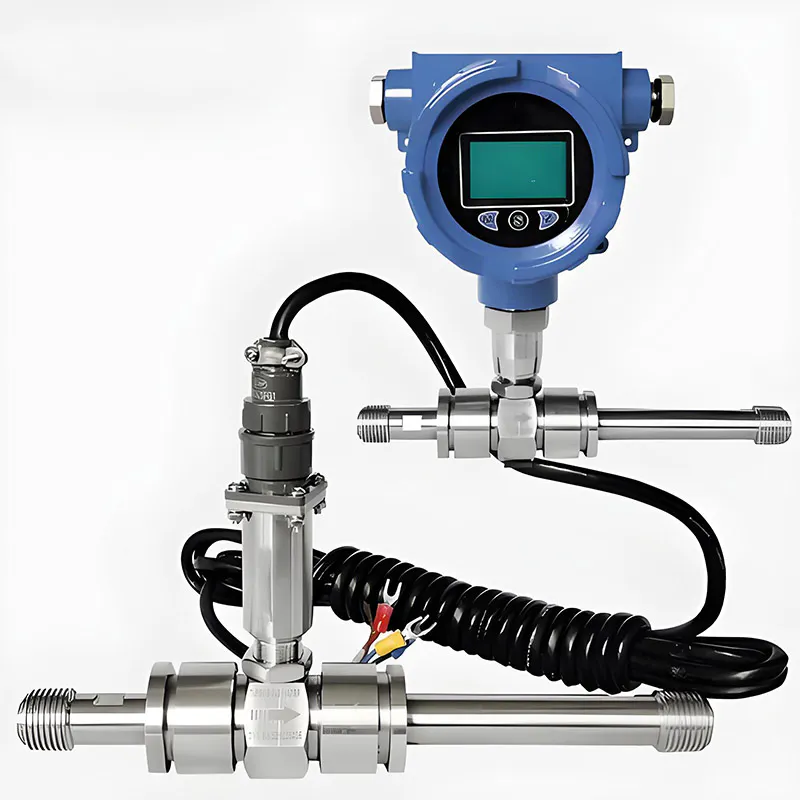
DN6~DN200 | -20~120℃
- High Accuracy, Low Pressure Loss
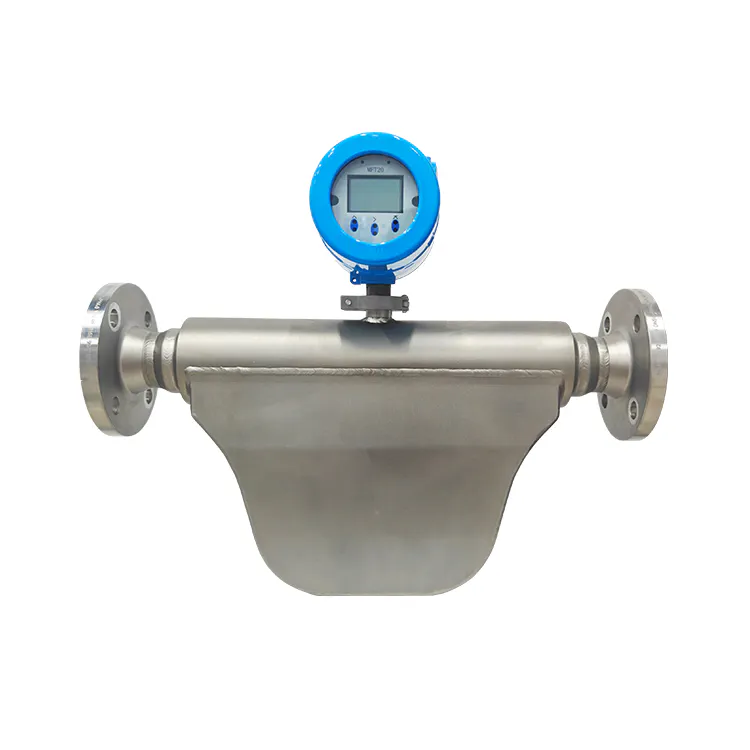
0.2 g/cm³ to 3.5 g/cm³ | -60℃ to +200℃
- High Accuracy, Wide Flow Range
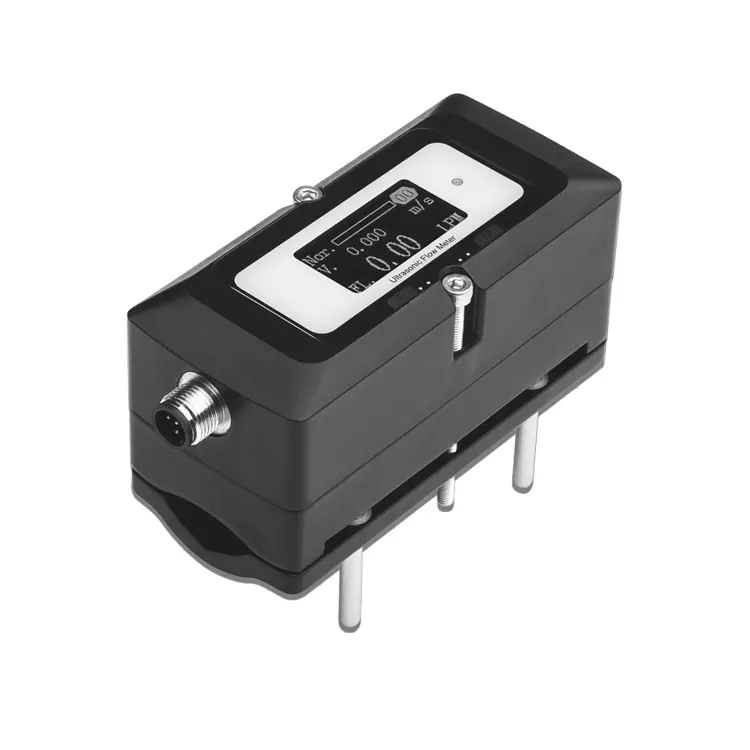
DN10–DN40 | Small Diameter Pipeline Flow Monitoring
- High Accuracy, Wide Flow Range
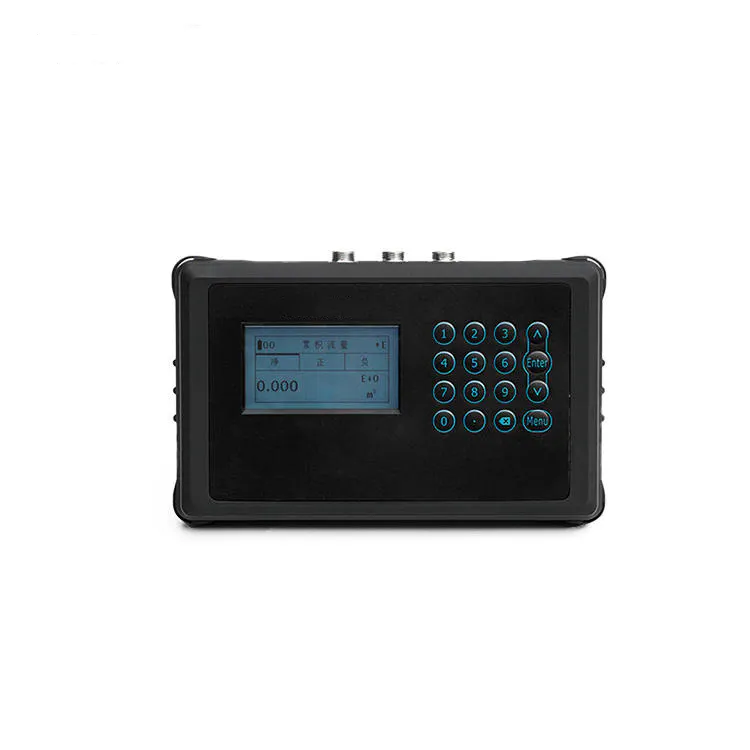
Non-Intrusive Flow Measurement for On-Site Diagnostics & Temporary Monitoring
- High Accuracy, Wide Flow Range
Download flow meter product information EN document
Industrial Flowmeters for Accurate Liquid & Gas Flow Measurement
Flowmeters are essential instruments used to measure the flow rate of liquids and gases in industrial processes. Accurate flow measurement plays a critical role in process control, inventory management, energy monitoring, and safety systems across a wide range of industries, including water treatment, chemical processing, oil & gas, food & beverage, pharmaceuticals, and power generation.
At Instrava, we provide a comprehensive range of high‑precision flowmeters designed for reliability, stability, and integration with modern automation systems. Whether you require electromagnetic measurement for conductive liquids or ultrasonic technology for non‑invasive flow monitoring — our solutions deliver dependable performance in demanding environments.
What Are Flowmeters?
Flowmeters are devices that measure the rate at which a fluid or gas passes through a pipe or open channel. They convert physical flow movement into a readable signal, such as an electrical output, that can be monitored by control systems or used for automation decisions.
Modern flowmeters support both volumetric flow (e.g., m³/h, L/min) and mass flow measurements, enabling accurate monitoring of process throughput, dosing, batching, and energy consumption.
Common Types of Flowmeters
Different industrial applications require different flow measurement technologies. Below are the most widely used types of industrial flowmeters:
Electromagnetic Flowmeters
Electromagnetic flowmeters use Faraday’s Law of electromagnetic induction to measure flow velocity in conductive liquids. They provide high accuracy and no obstruction to flow.
✔ No moving parts
✔ Ideal for water, wastewater, and corrosive liquids
✔ High accuracy over wide range
Ultrasonic Flowmeters
Ultrasonic flowmeters measure the flow rate by transmitting sound waves through the fluid. The transit time difference or Doppler shift is used to calculate flow velocity.
✔ Non‑contact measurement (clamp‑on)
✔ Works with clean or dirty fluids
✔ Minimal maintenance
Vortex Flowmeters
Vortex flowmeters detect vortices formed downstream of a bluff body placed in the flow stream. The vortex frequency is proportional to flow velocity.
✔ Suitable for liquids, gases, and steam
✔ No moving parts
✔ Good for HVAC and process control
Differential Pressure Flowmeters
Differential pressure flowmeters measure the pressure drop across an obstruction (e.g., orifice plate or venturi) to infer flow.
✔ Widely used standard method
✔ Compatible with many fluids
✔ Requires DP transmitter
Turbine Flowmeters
Turbine flowmeters use a rotor that spins proportional to flow velocity. A pick‑off sensor detects rotation frequency to determine flow rate.
✔ High accuracy for clean fluids
✔ Fast response
✔ Ideal for custody transfer
Thermal Mass Flowmeters
Thermal mass flowmeters measure the amount of heat dissipated from a heated sensor element to infer mass flow rate — commonly used for gases.
✔ Direct mass measurement
✔ No pressure/temperature correction needed
✔ Ideal for compressed air, natural gas
How Flowmeters Work
Flowmeters convert physical flow movement into measurable signals through sensing elements and electronics. The general process includes:
Sensing Mechanism – Detects a fluid property related to flow (velocity, pressure drop, sound transit time).
Signal Conversion – Converts sensor output into an electrical signal (4–20 mA, HART, Modbus).
Output Communication – Transmits flow rate data to PLC, DCS, or SCADA for monitoring and control.
This mechanism enables precise flow monitoring used for automation, safety, billing, and quality control.
Industrial Applications of Flowmeters
Flowmeters are used in a wide range of industries:
Water & Wastewater Treatment
Measure inflow/outflow, chemical dosing flow, and effluent discharge.
Chemical & Petrochemical
Monitor chemical reactant flow, steam flow, and solvent transfer.
Oil & Gas
Used for custody transfer, pipeline monitoring, and metering stations.
Food & Beverage
Accurate flow measurement for batching, filling, and CIP systems.
Pharmaceutical Manufacturing
Ensure strict dosage control and clean process monitoring.
HVAC & Energy Management
Monitor energy usage via steam and water flow measurement.
How to Choose the Right Flowmeter
Selecting the appropriate flowmeter depends on:
🔹 Fluid Type: Liquid vs gas vs steam
🔹 Conductivity: Electromagnetic flowmeters require conductive fluids
🔹 Accuracy Requirements: High precision vs general monitoring
🔹 Installation Environment: Pipe size, access, surrounding conditions
🔹 Output Signal Type: Analog, digital, communication protocol
🔹 Pressure & Temperature Conditions
Choosing the right flowmeter ensures improved process accuracy, reduced maintenance, and reliable long‑term performance.
Flowmeter Knowledge Hub
This page provides a structured, engineering-oriented overview of industrial flow measurement. It is designed to support technology selection, application evaluation, and system-level decision-making, rather than basic definitions. The content reflects real process conditions, long-term operation, and integration within industrial control systems.
1. Role of Flow Measurement in Industrial Systems
Flow measurement is a fundamental element of process control, energy management, and material balance. In industrial plants, flow data is directly linked to product quality, safety interlocks, efficiency optimization, and regulatory compliance. A flowmeter is rarely an isolated device; it functions as part of a larger measurement and control system.
Key objectives of flow measurement include:
Maintaining stable and repeatable process conditions
Supporting mass balance and consumption monitoring
Enabling control loops and safety logic
Providing reliable data for optimization and reporting
2. Flowmeter, Flow Sensor, and Flow Transmitter – System Roles
Flow measurement systems may include different functional components:
Flowmeters provide primary measurement based on a specific physical principle.
Flow sensors detect flow-related parameters and generate raw signals.
Flow transmitters condition signals and deliver standardized outputs for control systems.
In many industrial installations, these elements are integrated into a single device, while in others they are distributed for flexibility or redundancy. Understanding their roles helps define system architecture and reliability requirements.
3. Key Selection Factors for Flowmeters
Effective flowmeter selection begins with process conditions rather than product type. Critical factors include:
Medium type, such as liquid, gas, or steam
Fluid properties including density, viscosity, conductivity, and cleanliness
Operating pressure and temperature ranges
Required turndown ratio and response time
Pipe size, installation space, and accessibility
Selecting a flowmeter that matches actual operating conditions is more important than relying solely on nominal accuracy specifications.
4. Flow Measurement Technologies and Application Boundaries
4.1 Electromagnetic Flow Measurement
Electromagnetic flowmeters are commonly used for conductive liquids. They offer stable performance with minimal pressure loss and are well suited for water, wastewater, and slurry applications, provided conductivity requirements are met.
4.2 Ultrasonic Flow Measurement
Ultrasonic flowmeters are suitable for large pipe diameters and applications where non-intrusive measurement is preferred. Their performance depends on fluid properties, installation conditions, and signal path stability.
4.3 Differential Pressure and Velocity-Based Methods
Flow measurement methods based on pressure drop or velocity are widely used in gas and steam applications. These technologies require careful installation and compensation to maintain accuracy under changing process conditions.
5. Installation and Piping Considerations
Installation quality has a significant impact on flow measurement performance. Important considerations include:
Straight pipe length upstream and downstream
Flow profile disturbances caused by valves, bends, or pumps
Orientation and mounting alignment
Grounding, shielding, and signal routing
Proper piping design often improves measurement repeatability more effectively than selecting higher-accuracy devices.
6. Influence of Process Variations on Flow Measurement
Industrial processes are rarely stable. Temperature fluctuations, pressure changes, and flow regime variation can affect measurement consistency. Flowmeters designed for industrial use incorporate compensation and damping mechanisms to maintain reliable output under dynamic conditions.
7. Accuracy, Repeatability, and Long-Term Stability
While accuracy is an important parameter, repeatability and long-term stability are often more critical in industrial flow measurement. A flow sensor that produces consistent results over time supports better control performance and reduces recalibration effort.
8. System Integration and Data Utilization
Flowmeters are commonly integrated with PLC, DCS, or SCADA systems through standard output signals or digital communication. Beyond real-time monitoring, flow data supports batching, energy management, and predictive maintenance strategies.
9. Maintenance, Calibration, and Lifecycle Cost
Lifecycle cost is influenced by installation complexity, calibration requirements, and exposure to wear or fouling. Flowmeters selected for ease of maintenance and robust operation can significantly reduce downtime and total cost of ownership.
10. Industry-Specific Flow Measurement Practices
Different industries impose different priorities on flow measurement:
Water and wastewater applications emphasize reliability and low pressure loss
Oil and gas applications require wide operating ranges and safety compliance
Chemical processing focuses on material compatibility and process stability
Understanding these priorities helps align flowmeter selection with operational goals.
11. Common System-Level Challenges in Flow Measurement
Typical challenges encountered in flow measurement projects include:
Underestimating the impact of piping disturbances
Selecting technology based only on nominal accuracy
Ignoring maintenance access during design
Applying a single measurement principle across incompatible applications
Addressing these challenges requires a system-level approach rather than a device-centric view.
12. Building a Robust Flow Measurement Strategy
A robust flow measurement strategy integrates device selection, installation design, system integration, and maintenance planning. By focusing on real operating conditions and long-term performance, flowmeters can deliver reliable data that supports safe, efficient, and optimized industrial operations.
This knowledge structure is intended to serve as a long-term reference for engineers, system designers, and decision-makers involved in industrial flow measurement.
Flowmeter-FAQ
What is a flow meter and how does it work?
A flow meter is a device that measures the flow rate of liquids or gases in a pipe or channel. In industrial applications, flow meters convert the physical flow of fluid into an electrical or mechanical signal that can be transmitted to a control system. Common measurement principles include differential pressure, electromagnetic, ultrasonic, Coriolis, and turbine technologies.
What are the different types of flow meters used in industrial applications?
Industrial flow meters include:
Differential Pressure (DP) Flow Meters: Measure flow via pressure drop across an obstruction (orifice, venturi).
Electromagnetic Flow Meters: Use Faraday’s law for conductive liquids; no moving parts.
Ultrasonic Flow Meters: Measure flow by transit time or Doppler shift; suitable for large pipes or non-invasive measurement.
Coriolis Flow Meters: Directly measure mass flow; highly accurate for chemical or oil/gas applications.
Turbine Flow Meters: Use a rotor whose speed is proportional to flow; ideal for clean liquids and fuel.
How do you select the right flow meter for oil, gas, or chemical plants?
Selection depends on:
Fluid properties: viscosity, conductivity, corrosiveness, slurry content
Flow rate and range: minimum, maximum, and expected fluctuations
Pipe size and installation space
Accuracy requirements: ±0.1%–1% depending on process needs
Environmental conditions: temperature, pressure, vibration, and hazardous area classification
Integration needs: analog 4–20 mA or digital protocols like HART or Modbus
What is the difference between a flowmeter and a differential pressure flow meter?
A flow meter is a broad term for any device that measures flow. A differential pressure (DP) flow meter is a type of flow meter that calculates flow rate by measuring the pressure difference across an obstruction, such as an orifice plate or venturi tube. DP flow meters are widely used for industrial process monitoring due to their reliability and cost-effectiveness.
How do electromagnetic, Coriolis, and ultrasonic flow meters compare?
| Type | Best For | Accuracy | Pros | Cons |
|---|---|---|---|---|
| Electromagnetic | Conductive liquids | ±0.5–1% | No moving parts, low maintenance | Only conductive fluids |
| Coriolis | Mass flow of liquids and gases | ±0.1–0.2% | Direct mass flow, high accuracy | Higher cost, heavy |
| Ultrasonic | Large pipes, non-invasive | ±1% | No contact with fluid, easy retrofit | Sensitive to bubbles/solids |
How accurate are industrial flow meters for liquids and gases?
Accuracy depends on the flow meter type:
Coriolis meters: ±0.1–0.2%
Differential pressure meters: ±0.25–1%
Electromagnetic meters: ±0.5–1%
Ultrasonic meters: ±1%
Proper installation, calibration, and maintenance are crucial for maintaining specified accuracy.
Can a flow meter measure both liquid and gas flow?
Some flow meters, like Coriolis and ultrasonic types, can measure both liquids and gases. However, most electromagnetic flow meters only work with conductive liquids, and DP or turbine meters are typically calibrated for either liquid or gas, not both.
What are common installation mistakes for flow meters in pipelines?
Installing in areas with turbulent flow or insufficient straight pipe lengths
Using incorrectly sized meters for the pipe diameter or flow range
Ignoring environmental conditions (temperature, vibration, or corrosive media)
Skipping impulse lines or filters for DP flow meters
Not providing proper grounding or shielding for electromagnetic meters
How often should industrial flow meters be calibrated?
Calibration depends on usage and process criticality:
High-accuracy or mass flow meters (Coriolis): every 6–12 months
DP flow meters: 12 months or per process requirements
Electromagnetic or ultrasonic meters: 12–18 months
Regular calibration ensures reliable flow measurement and process control.
Can flow meters operate in hazardous or explosive environments?
Yes. Many industrial flow meters are ATEX, IECEx, or CSA certified, allowing safe operation in flammable or explosive conditions. Always select meters with proper hazardous area classification for the process environment.
How do smart flow meters communicate with SCADA or PLC systems?
Smart flow meters often include digital communication protocols such as HART, Modbus, or FOUNDATION Fieldbus, allowing remote monitoring, diagnostics, and integration with DCS or SCADA systems. They can provide real-time data on flow rate, totalized volume, and maintenance alerts.
What maintenance is required for long-term reliable flow measurement?
Periodic calibration and verification
Cleaning of sensors in high-deposit fluids
Inspection for mechanical damage or leakage
Verification of impulse lines (for DP meters)
Updating firmware or checking diagnostics for smart meters
Why Choose Instrava
By choosing Instrava, you gain a partner with a deep understanding of industrial applications and the expertise to meet today’s operational challenges.
Our role extends beyond products—we support your success through dependable solutions and long-term commitment.
Engineering-Driven Innovation
Innovation at Instrava is guided by real industrial requirements. We continuously refine our technologies to address evolving operational challenges, ensuring practical and reliable performance in demanding environments.
Application-Specific Customization
We provide engineering-level customization to match specific process conditions. From measurement range and materials to output signals and installation options, our solutions are configured to fit real applications.
Proven Quality and Reliability
Quality and reliability are fundamental to every Instrava product. Manufactured under strict quality control and thoroughly tested, our instruments deliver accurate, stable, and long-term performance.
Global Capability with Local Support
Instrava combines global engineering expertise with responsive local support, ensuring our partners benefit from internationally aligned technology and timely regional service.
Comprehensive Product Portfolio
Our broad portfolio of measurement and control instruments enables us to address a wide range of industrial needs, providing integrated solutions from a single, reliable source.
Partner-Oriented Engineering Support
We work closely with our partners from technical consultation to after-sales support. Our focus is on delivering solutions that create lasting value and support long-term operational success.