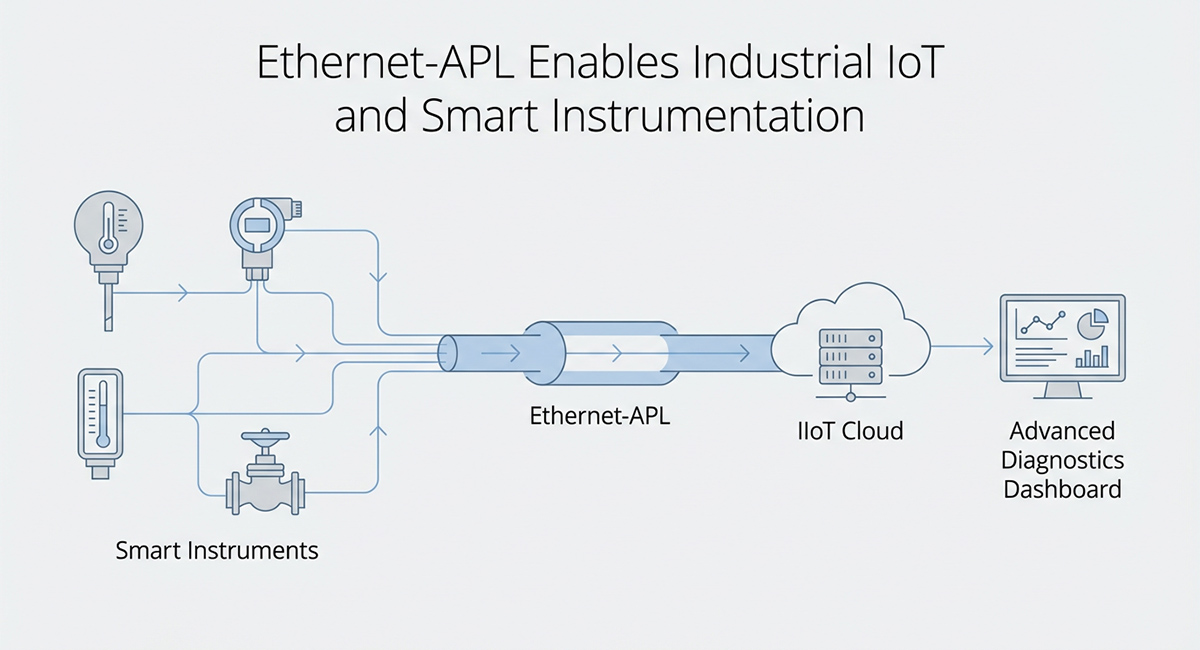
Float Level Transmitter for Reliable Liquid Level Measurement

The float level transmitter is a reliable and accurate level measurement instrument designed for continuous liquid level monitoring in industrial tanks, vessels, and process systems. By detecting liquid level changes through the movement of a float, the float level transmitter converts the mechanical displacement into a stable electrical output signal for process control and monitoring.

Float level transmitters are widely used due to their simple structure, stable performance, and adaptability to various liquids. With different material options and output signals, the float level transmitter is suitable for industrial applications requiring dependable level measurement under demanding operating conditions.

Transmitters & Sensors Description  

Main Features of Float Level Transmitter

  • Stable and accurate liquid level measurement

  • Simple mechanical structure with high reliability

  • Suitable for various liquids and process media

  • Multiple output signal options (analog or digital)

  • Wide operating temperature and pressure range

  • Easy installation and maintenance

  • Customizable probe length and mounting options

  • Long service life with minimal maintenance

These features make the float level transmitter an ideal choice for continuous level monitoring in industrial environments.

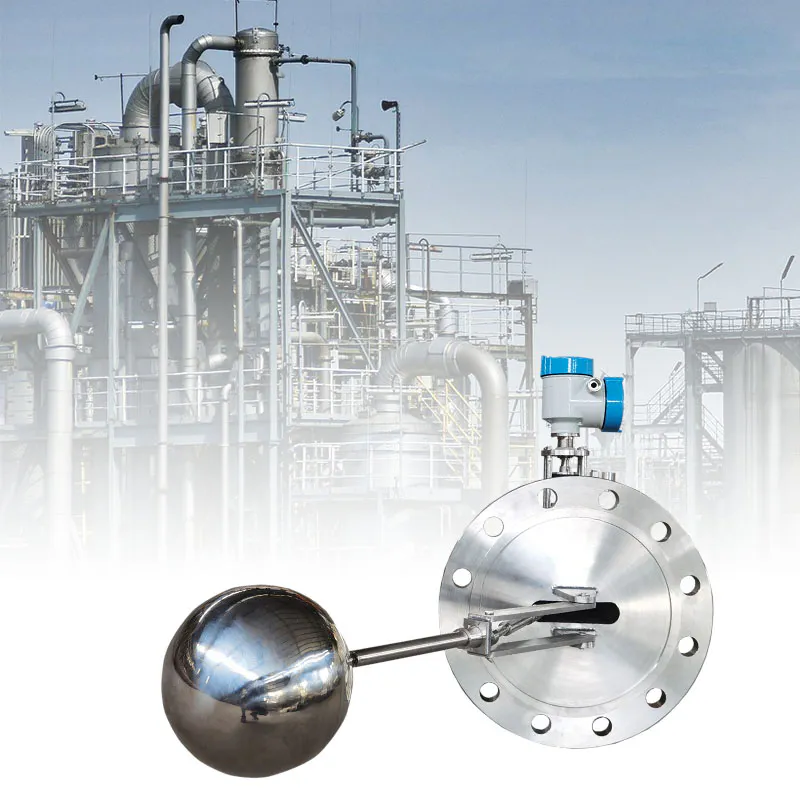
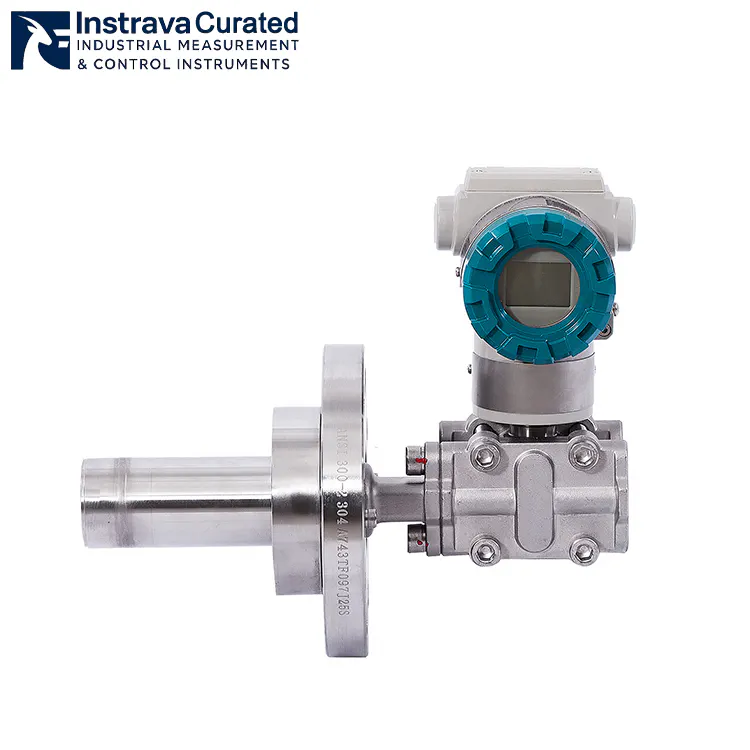
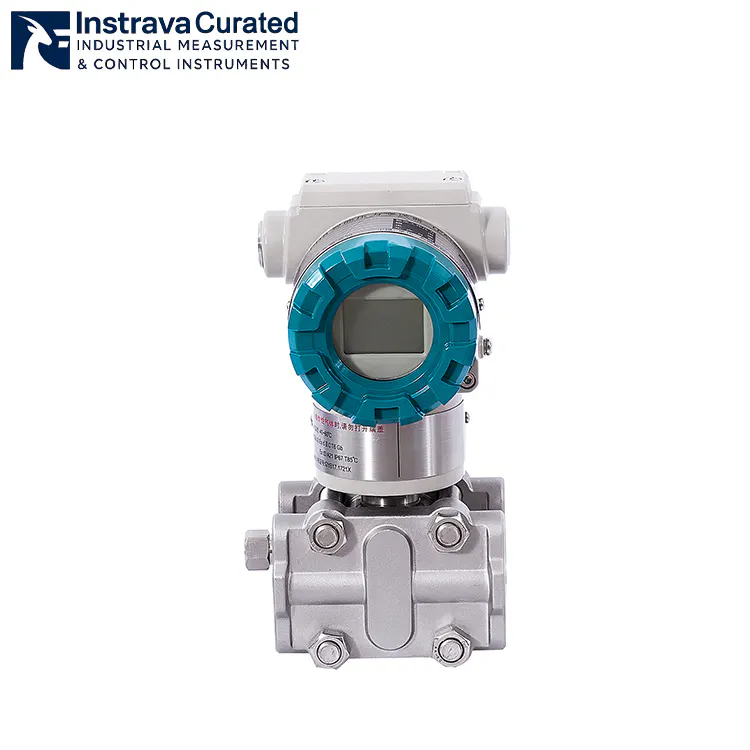
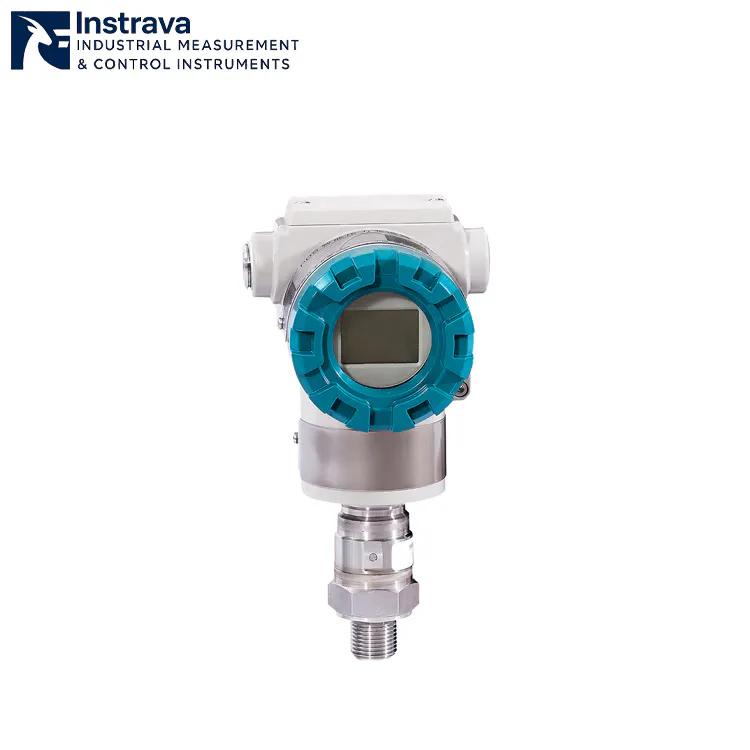
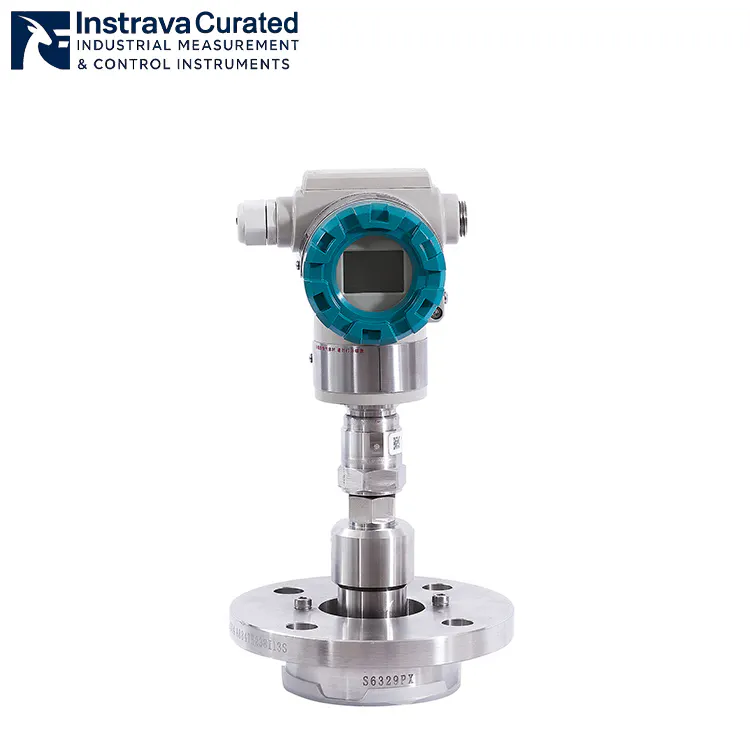
Float type level transmitter with 4-20 mA output
Float level transmitter installed on industrial equipment

Typical Applications of Float Level Transmitters

Float level transmitters are commonly used in:

  • Industrial storage tanks

  • Chemical processing systems

  • Water and wastewater treatment plants

  • Oil and fuel storage tanks

  • Power generation facilities

  • Process control systems

The robust design of float level transmitters ensures reliable operation in both indoor and outdoor industrial applications.

Working Principle of Float Level Transmitter

The float level transmitter consists of two main parts: the level measuring mechanism and the electrical transmission unit (meter head).

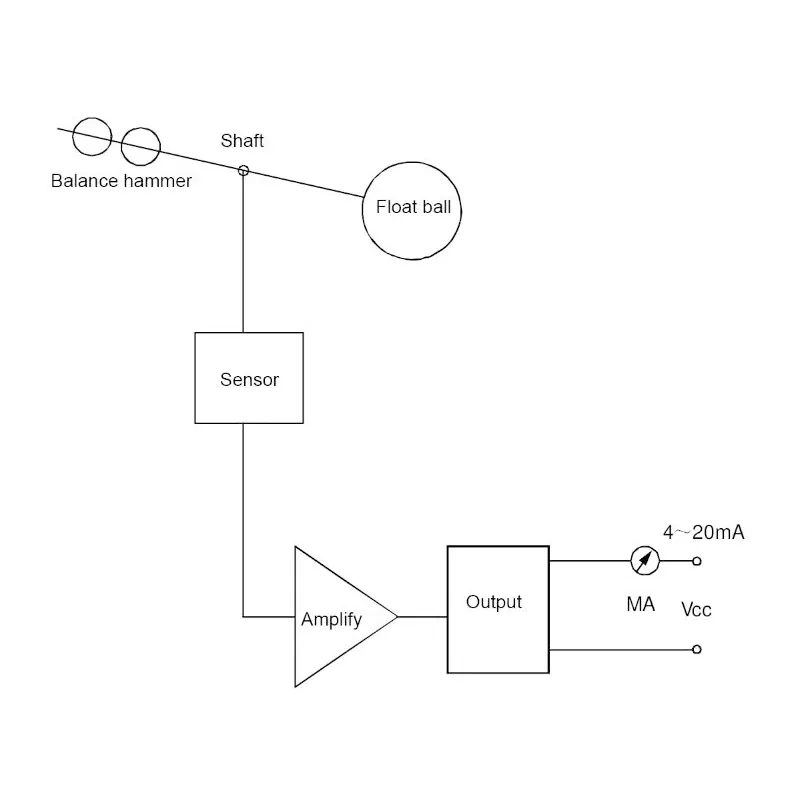
The level measuring mechanism includes a measuring float, float rod, balance hammer, and balance rod. These components form a torque balance system, allowing the float to move freely up and down in response to changes in the liquid level.

When the liquid level rises or falls, the float moves accordingly and drives the main shaft to rotate. The main shaft is axially connected to the angular displacement sensor located in the meter head, forming a synchronized mechanical transmission system.

As the main shaft rotates, the angular displacement sensor converts the shaft’s angular movement into an electrical signal. The electronic circuit inside the meter head then processes this signal and outputs a standard 4–20 mA current signal that is directly proportional to the actual liquid level.

This design ensures accurate, stable, and continuous level measurement under normal operating conditions.

Float level transmitter working principle diagram
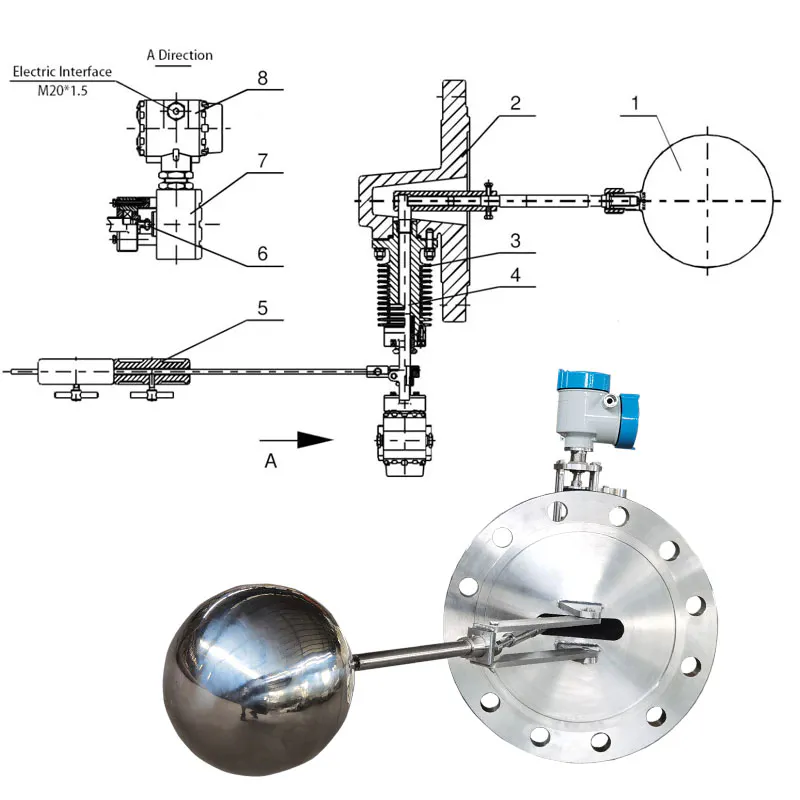
Float level transmitter structure diagram showing mechanical linkage and sensor

Float Type Level Transmitter Structural Composition

A typical float level transmitter consists of:

  • Float (stainless steel or plastic)

  • Guide rod or stem

  • Level sensing element

  • Transmitter housing

  • Electrical connection interface

  • Process mounting (flange or thread)

The compact and modular structure enables easy installation and flexible customization.

Transmitters & Sensors Parameter  

ItemSpecification
ModelINFLT114
Measuring FunctionLiquid level
Measuring RangeLarge-angle type: 450 – 1600 mm Small-angle type: 380 – 1200 mm
Measurement Accuracy±1.5% of full scale (FS)
Supply Voltage24 V DC (12.7 – 27.2 V DC)
Output Signal4 – 20 mA DC
On-site IndicationMulti-parameter LCD display (intelligent) 0 – 100% (4 – 20 mA) moving coil display (analog type)
Explosion-proof RatingFlameproof: Ex d IIC T4 Intrinsically Safe: Ex ia IIC T4
Protection ClassIP67
Ambient Temperature–20 °C to +60 °C
Ambient Humidity≤ 95% RH
Process Medium Temperature–40 °C to +225 °C (without heat sink) +225 °C to +450 °C (with heat sink)
Minimum Medium Density≥ 0.55 g/cm³
Working Pressure2.5 MPa / 4.0 MPa / 6.4 MPa
Process Connection (Flange)Standard: DN250 PN, JB/T 82.2-94 (raised face) Special: DN200 PN, JB/T 82.2-94 (convex face)
Cable Entry (Outlet)M20 × 1.5 (internal thread)
Electrical EnclosureDie-cast aluminum alloy with powder coating
Float Maximum Running AngleSmall-angle type: 35° Large-angle type: 80°
Wetted Parts MaterialStandard: 1Cr18Ni9Ti Optional: 316 / 316L

Instrava OEM/ODM

Reliable Instruments. Solutions That Fit Your Application.

Instrava is focused on delivering reliable industrial solutions through carefully curated products, application-driven optimization, and flexible customization. We select proven instruments from trusted manufacturers to ensure consistent quality, optimize solutions based on real working conditions to solve practical challenges, and provide tailored configurations to meet specific application needs.

By combining selection expertise with application understanding, Instrava helps customers reduce risk, improve efficiency, and achieve dependable results in complex industrial environments.

symbolizing trust and the beginning of a long-term partnership

Related Product Recommendations  

A float level transmitter is used for continuous liquid level measurement in industrial tanks, vessels, and process systems. It converts the movement of a float into an electrical output signal for monitoring and process control.

A float level transmitter works based on the buoyancy principle. As the liquid level changes, the float moves up or down and transfers the movement to a sensing element, which converts it into an electrical signal such as 4–20 mA.

Float level transmitters can measure a wide range of liquids, including water, oils, fuels, chemicals, and other industrial fluids, provided the liquid density and material compatibility are suitable for the float and stem materials.

Common output signals for float level transmitters include 4–20 mA, 0–10 V, and switch outputs. Customized signal options are also available to meet specific control system requirements.

Yes. Float level transmitters can be customized in terms of measuring range, probe length, material selection, mounting type, output signal, and protection level to match different tank sizes and process conditions.

Float level transmitters are designed for industrial use and can operate under high temperature, pressure, and corrosive conditions when proper materials and sealing options are selected. They are widely used in chemical, oil & gas, and power generation industries.

Why Choose Instrava

Built on Consistency, Not Claims

Focused on Industrial Applications

We specialize in industrial analysis and detection, with a clear understanding of real-world operating environments and requirements.

Strict Product Selection Criteria

Every instrument is evaluated based on performance, stability, and application suitability—not just specifications or pricing.

Reliable Supply & Quality Consistency

We work with trusted manufacturers to ensure stable supply, consistent quality, and dependable delivery.

Practical, Experience-Based Support

Our recommendations are grounded in application understanding, helping customers avoid common issues and achieve reliable results.

Instrava is built to reduce uncertainty—so every decision you make is clearer, safer, and more reliable.

Industrial measurement scene showing a worker using a precision measuring instrument to measure and mark material on a workbench, demonstrating the practical application of measuring instruments in manufacturing and processing.

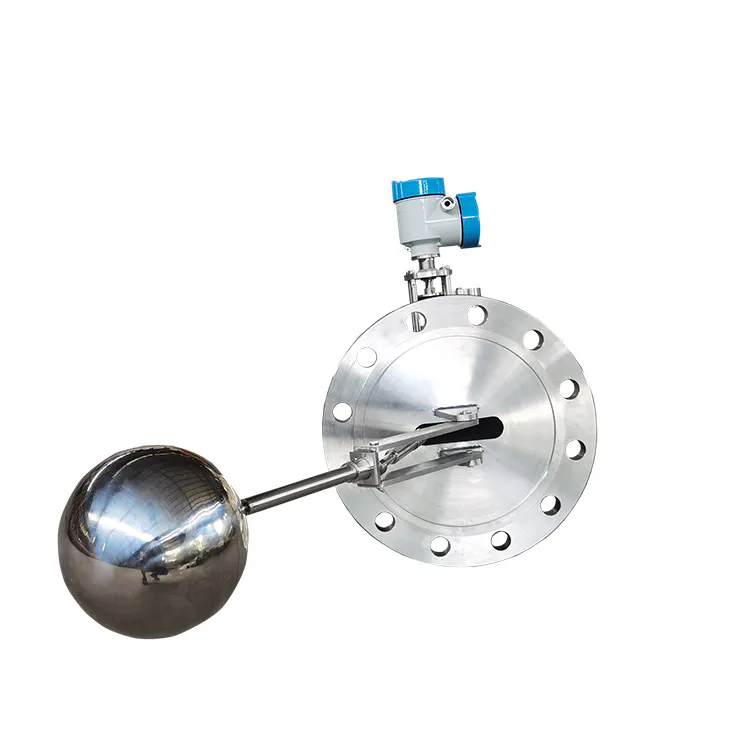
How Ethernet-APL Enables Industrial IoT and Smart Instrumentation

  • By Instrava
  • Apr 2, 2026

Industrial systems are rapidly evolving from isolated control environments into fully connected, data-driven ecosystems. At the center of this transformation...

  • 2Min Read

Ethernet-APL vs Fieldbus: A New Era of Industrial Communication

  • By Instrava
  • Apr 2, 2026

Industrial communication technologies have evolved significantly over the past decades. Traditional fieldbus systems such as PROFIBUS and Modbus have long...

  • 3Min Read

Ethernet-APL: The Next-Generation Communication Technology for Process Industries

  • By Instrava
  • Apr 2, 2026

As industrial systems move toward digitalization and intelligent automation, traditional field communication technologies are increasingly unable to meet the demands...

  • 3Min Read
Home
Products
Whatsapp
Contact