Magnetic Float Level Gauge

The magnetic float level gauge is an essential instrument for industrial liquid level measurement. It operates by using a magnetic float that moves along the guide tube, transferring liquid level changes to an indicator or signal output device.

Ideal for chemical, oil, water, and corrosive liquid applications, it provides reliable and continuous monitoring of tank levels. The device is designed with robust materials, ensuring excellent durability even under high pressure or harsh environments.

With both direct visual readings and remote electrical outputs, this level gauge supports integration into modern automation systems, helping industries achieve efficient process control.

Level Measuring Instruments Description  

Magnetic Float Level Gauge-Features

  • Simple and Reliable Design – Compact structure ensures stable operation, easy installation, and minimal maintenance requirements.

  • Separated Measuring and Connection Chambers – The working cavity and transmitter chamber are independent, enhancing safety and reliability.

  • Wide Application for Harsh Media – Suitable for thick, dirty, flammable, explosive, and corrosive liquids, ideal for demanding industrial environments.

  • Dual Display Options – Equipped with a field pointer and LCD screen for clear, real-time liquid level visualization.

  • Intelligent Signal Processing – Automatic zero and span calibration without manual switching, simplifying commissioning and adjustments.

  • High Measurement Accuracy – Precise liquid level detection; minimum adjustment angle can achieve 2°.

  • Advanced Output Capabilities – 4–20 mA current output with HART protocol support for seamless integration into industrial automation systems.

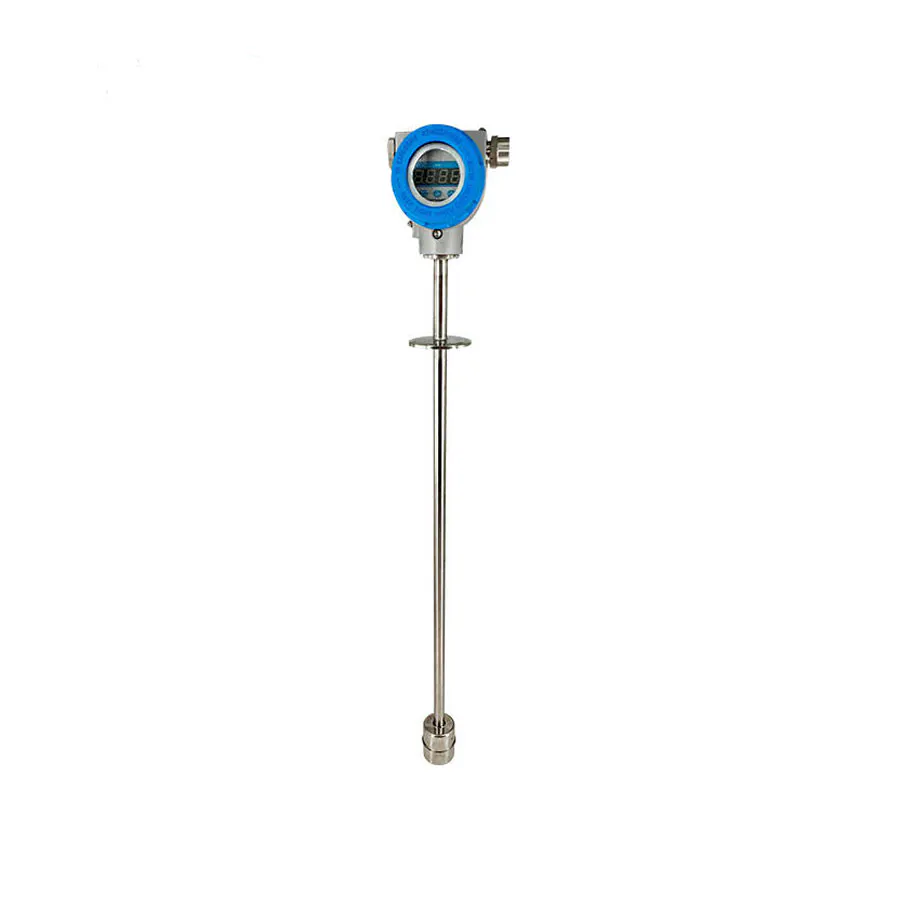
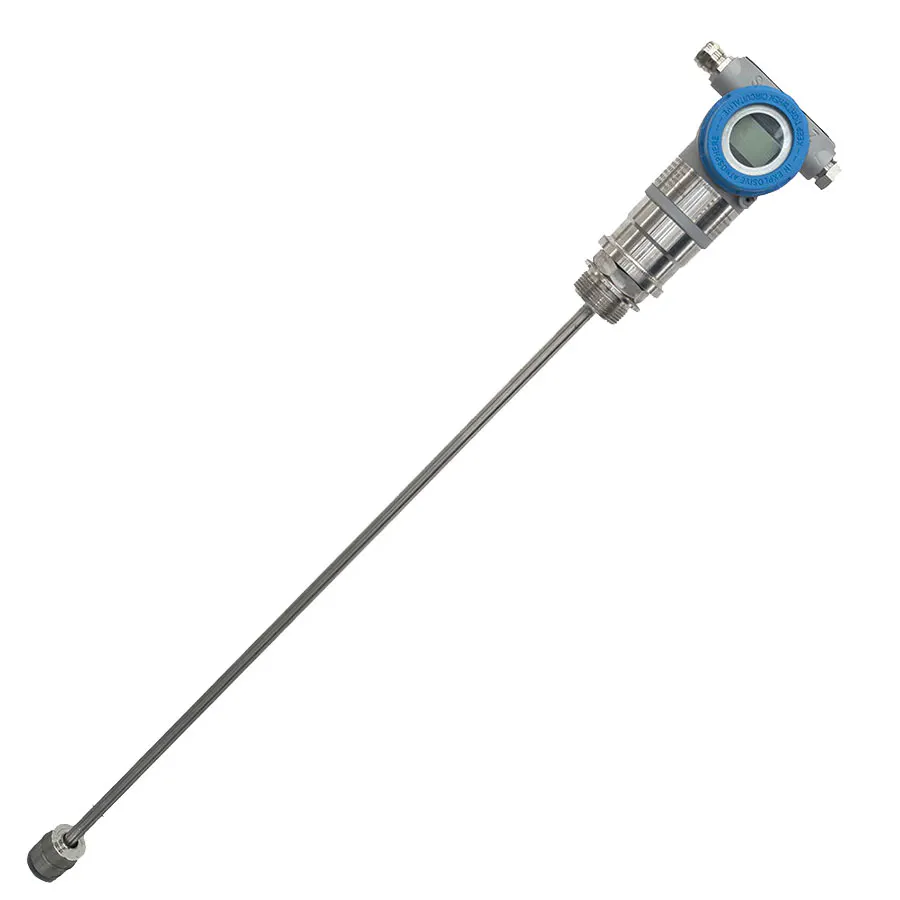
This image shows a float level gauge, commonly used for carburetor liquid level monitoring, featuring a digital display and explosion-proof housing for accurate level readings.
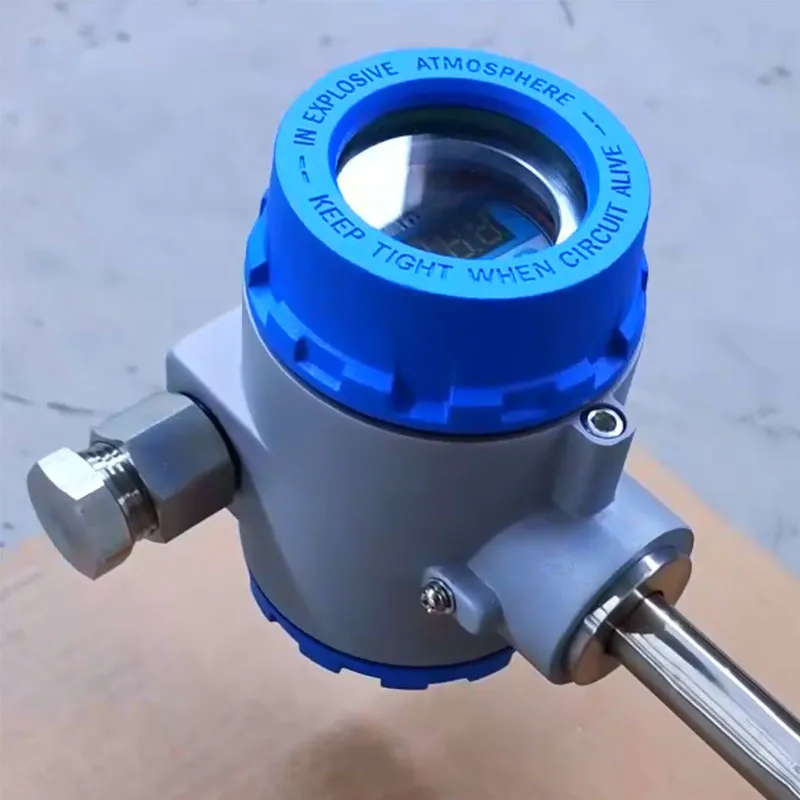
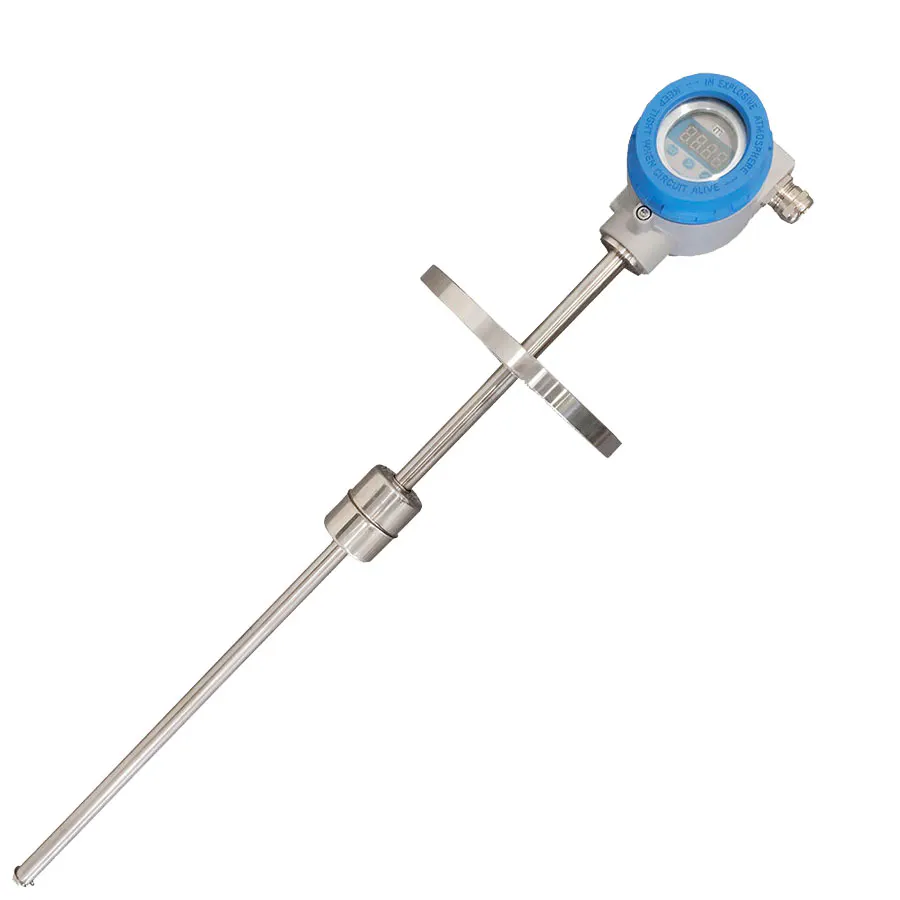
This image shows a float level gauge capable of measuring both liquid levels and interface levels. The image displays two application scenarios: liquid level and interface level monitoring.

Applications of Magnetic Float Level Gauge

The Magnetic Float Level Gauge is widely used for continuous liquid level and interface measurement in various industrial processes. Based on buoyancy principles and a robust mechanical structure, it delivers stable and reliable performance even under harsh operating conditions.

Typical applications include:

  • Chemical Industry
    Used for level and interface measurement of corrosive, toxic, and high-viscosity liquids in reactors, storage tanks, and process vessels. Suitable for aggressive media where reliability and safety are critical.

  • Oil & Gas and Petrochemical Industry
    Ideal for monitoring crude oil, refined fuels, and chemical intermediates in storage tanks and separators. The all-metal construction and explosion-proof design ensure safe operation in hazardous areas.

  • Power Generation
    Applied in boiler systems, condensate tanks, and auxiliary vessels for accurate liquid level indication under high-temperature and high-pressure conditions.

  • Water and Wastewater Treatment
    Used for level measurement in clean water tanks, sewage treatment basins, and sludge systems. Performs reliably in dirty and particle-laden liquids with minimal maintenance.

  • Pharmaceutical and Food Processing
    Suitable for hygienic applications requiring stable and repeatable level measurement. Optional stainless steel materials support clean and controlled process environments.

  • Shipbuilding and Marine Engineering
    Applied in ballast tanks, fuel tanks, and service tanks where vibration resistance and long-term stability are required.

With support for local indication, 4–20 mA signal output, alarm switching, and HART communication, the float level gauge can be easily integrated into PLC, DCS, and industrial automation systems, making it a reliable solution for modern process control.

Magnetic Float Level Meter-Working Principle

The float (interface) level gauge is designed based on the principles of buoyancy and Hooke’s law. The float’s length corresponds to the measurement range.

When the float is suspended on the measuring spring inside the gauge and submerged in the liquid, it is subjected to the combined forces of spring tension, buoyancy, and gravity. The upward displacement of the float is proportional to the spring’s tension, and the change in spring length reflects the liquid level.

This displacement is transmitted to an external indicator via a magnetic coupling, providing a clear and accurate local liquid level reading.

The gauge features a full-metal construction, with the indicator fully isolated from the measured medium. It supports on-site visual display, as well as 4–20 mA two-wire output, switch signals, and HART protocol for integration with industrial automation systems.

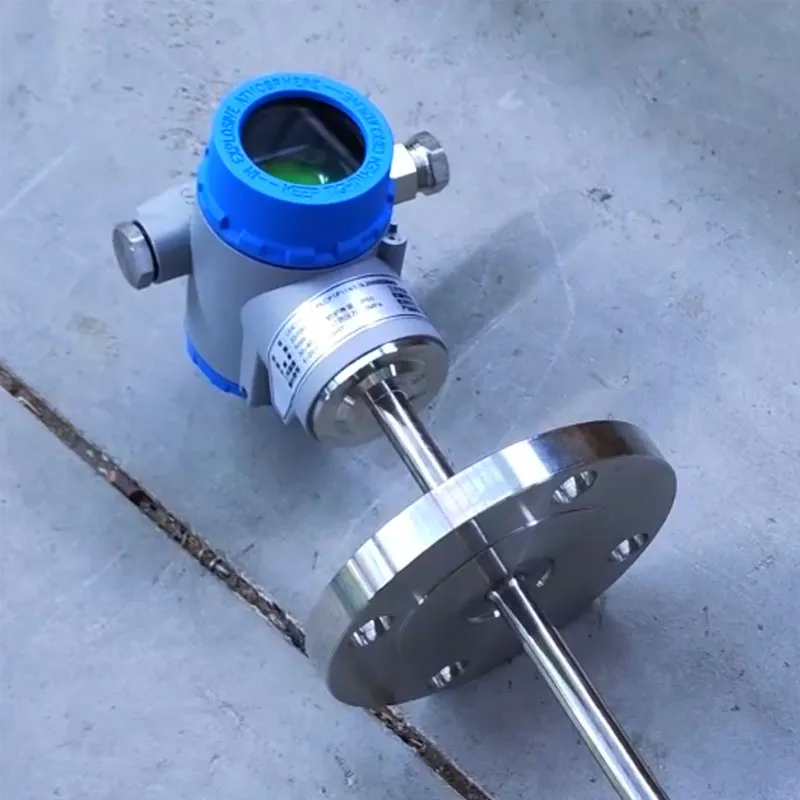
This image shows a float type water level meter, suitable for water level monitoring systems, with a digital display to ensure high precision and reliability in water level monitoring.
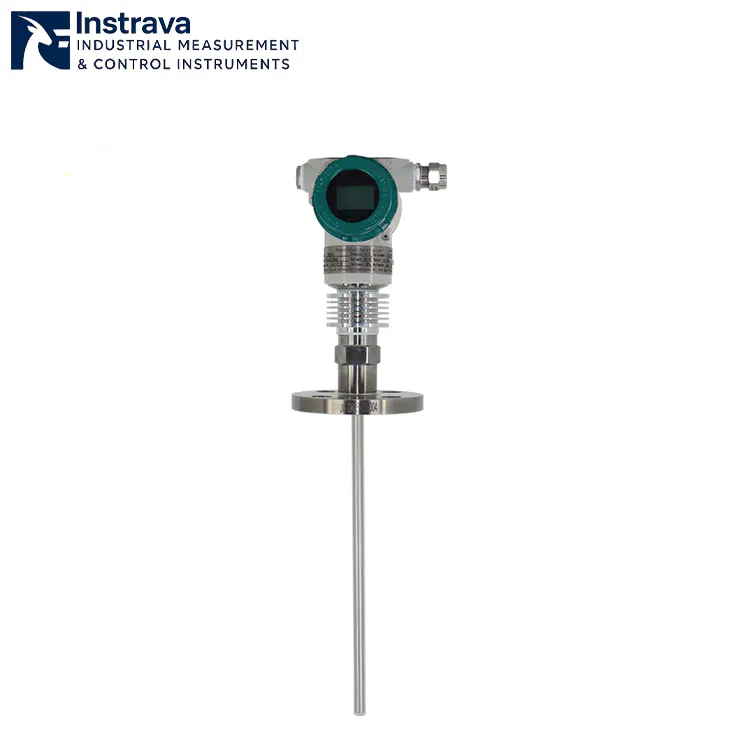
This image shows a magnetic float level meter that uses magnetic principles for liquid level measurement, suitable for use in the oil & gas, chemical liquids, and water treatment industries.

Product Structure of Magnetic Float Level Meter

The Magnetic Float Level Meter adopts a modular all-metal structure with magnetic coupling, ensuring complete isolation between the measured medium and the indicator. According to display and safety requirements, the following configurations are available:

  • Basic Type
    Without LED display, non-explosion-proof design. Suitable for non-hazardous areas requiring reliable local level indication.

  • LED Display Explosion-Proof Type
    Integrated LED digital display in an explosion-proof housing, providing clear on-site indication for hazardous industrial environments.

  • LCD Display with HART Protocol (Explosion-Proof)
    Equipped with an intelligent transmitter, LCD display, and 4–20 mA output with HART communication, enabling remote monitoring and system integration.

Structural Advantages:
Compact design, high reliability, corrosion-resistant construction, and flexible configuration to meet various industrial applications.

Level Measuring Instruments Parameter  

ParameterSpecification
Measuring Range300–6000 mm (customizable per user requirements)
Measurement Accuracy±1.5%, ±2.0%
Float MaterialSS304, SS316L, HC, Ti, (customizable per user requirements)
Medium Density≥ 0.45 g/cm³
Interface MeasurementDensity difference between two media ≥ 0.1 g/cm³
Medium Temperature≤ 80°C, ≤ 150°C, ≤ 250°C, ≤ 400°C
Medium PressureStandard: ≤ 4.0 MPa; High-pressure: ≤ 42 MPa
Pressure RatingStandard: DN40–DN50 / PN4.0 MPa; DN80–DN100 / PN1.6 MPa High-pressure: DN40–DN50 / PN10.0 MPa Special: per customer request
Flange StandardHG20592, DIN2501, ANSI, SH, GB (or per user request)
Process ConnectionFlange DN50, G 1.5″ threaded, or per customer requirements
Output Signal4–20 mA DC (two-wire system)
Load Resistance500 Ω (powered by 24V DC)
Communication ProtocolHART, Modbus (RS485)
Alarm OutputUpper and lower limit switch isolated output
Contact CapacityMax. 400 VAC 0.05 A, 24 VDC 0.2 A
Power Supply15–35 VDC, 220 VAC; Lithium battery 3.6 V 7.5 Ah, 220 VAC
Ambient Temperature-20°C to +60°C
Housing MaterialSS304, SS316L, or per customer request
Indicator HousingAluminum alloy, SS304, SS316L
Protection LevelIP65, IP67 (IP68 optional upon request)
Explosion-proof RatingIntrinsically safe: Ex ia IIC T6 Ga, Isolated: Ex d IIC T6 Gb
Pressure TestTested 1.2–1.5× rated pressure per standards before delivery

Instrava OEM/ODM

Reliable Instruments. Solutions That Fit Your Application.

Instrava is focused on delivering reliable industrial solutions through carefully curated products, application-driven optimization, and flexible customization. We select proven instruments from trusted manufacturers to ensure consistent quality, optimize solutions based on real working conditions to solve practical challenges, and provide tailored configurations to meet specific application needs.

By combining selection expertise with application understanding, Instrava helps customers reduce risk, improve efficiency, and achieve dependable results in complex industrial environments.

symbolizing trust and the beginning of a long-term partnership

Related Product Recommendations  

The Float Level Gauge can measure water, oils, acids, alkalis, corrosive chemicals, and viscous fluids. It is suitable for a wide range of industrial applications, including chemical, petrochemical, and food processing environments.

Using precision float and guide rod design, this meter provides ±10 mm measurement accuracy. It ensures reliable and long-term stable performance for industrial liquid level measurement applications.

Yes, models with 4–20 mA signal output can integrate with PLC and DCS systems for real-time monitoring, supporting automated control and data logging in industrial processes.

Routine maintenance includes checking the float and seals every 6–12 months. For aggressive or viscous media, more frequent inspections may be required to maintain measurement accuracy.

Install the gauge vertically and ensure the float moves freely. Avoid contact with tank walls or turbulence in the liquid to maintain accurate and stable level readings.

Yes, with appropriate material selection such as stainless steel or corrosion-resistant alloys, the gauge can reliably measure aggressive, corrosive, or viscous fluids in industrial tanks.

Why Choose Instrava

Built on Consistency, Not Claims

Focused on Industrial Applications

We specialize in industrial analysis and detection, with a clear understanding of real-world operating environments and requirements.

Strict Product Selection Criteria

Every instrument is evaluated based on performance, stability, and application suitability—not just specifications or pricing.

Reliable Supply & Quality Consistency

We work with trusted manufacturers to ensure stable supply, consistent quality, and dependable delivery.

Practical, Experience-Based Support

Our recommendations are grounded in application understanding, helping customers avoid common issues and achieve reliable results.

Instrava is built to reduce uncertainty—so every decision you make is clearer, safer, and more reliable.

Industrial measurement scene showing a worker using a precision measuring instrument to measure and mark material on a workbench, demonstrating the practical application of measuring instruments in manufacturing and processing.

Level Ultrasonic Sensor: Working Principle, Types & Industrial Applications

  • By Instrava
  • Mar 31, 2026

  Level Ultrasonic Sensor Overview A level ultrasonic sensor is a non-contact device used to measure liquid or solid levels...

  • 2Min Read

The Strategic Role of Industrial Instrumentation in Post-War Reconstruction

  • By Instrava
  • Mar 26, 2026

Modern warfare has shifted from traditional battlefield confrontations to precision strikes targeting industrial infrastructure, energy systems, and supply chain nodes....

  • 2Min Read

Industrial Instrumentation in Post-Conflict Reconstruction: The Hidden Backbone of National Recovery

  • By Instrava
  • Mar 25, 2026

When a conflict ends, rebuilding begins—not just cities, but systems. Energy, water, chemical production, and infrastructure must be restored quickly,...

  • 1Min Read
Home
Products
Whatsapp
Contact