Metal Tube Float Flowmeter

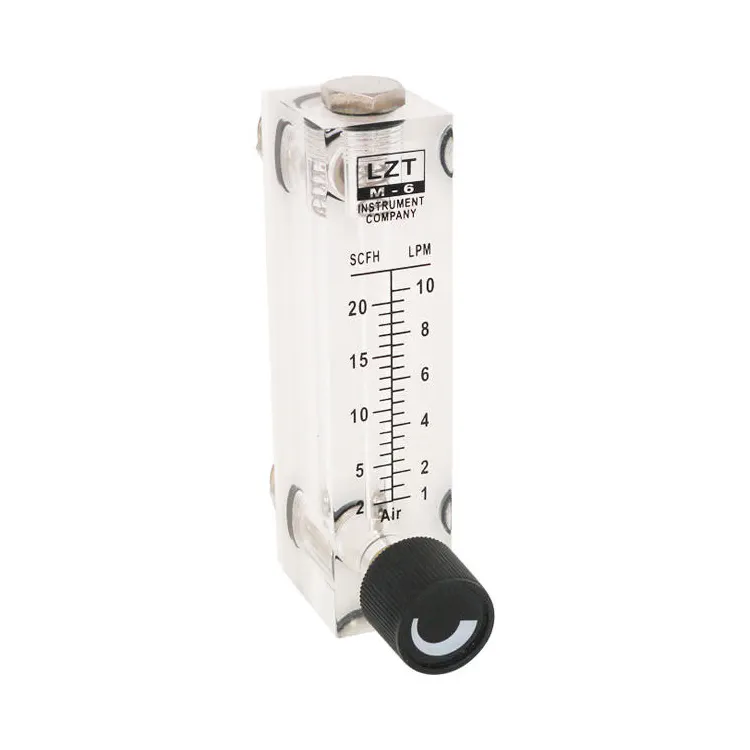
The Metal Tube Float Flowmeter is a variable area flow measurement instrument composed of a measuring tube, float, indicator, and process connections.
With its compact structure, wide measuring range, and easy installation, it has been widely applied in industrial process control systems for the measurement of liquids, gases, and steam, especially in low flow velocity and small flow rate applications.

The metal tube float flowmeter is available in local indication type and intelligent remote transmission type.

  • Local type provides pointer indication for instantaneous flow measurement.

  • Intelligent type features pointer indication combined with an LCD display, showing instantaneous flow and totalized flow, and supports high and low limit alarm outputs, pulse output, standard two-wire 4–20 mA current output, and HART communication protocol.

Flow Meter Description  

Metal Tube Flow Meter-Features

  • Simple and Robust Design – The metal tube rotameter features a compact structure with excellent stability and long-term reliability, ensuring consistent performance in demanding industrial environments.

  • Independent of Medium Properties – Accurate flow measurement is maintained regardless of the medium’s conductivity, dielectric constant, or other physical and chemical properties.

  • Versatile Application – Suitable for a wide range of media, including corrosive, toxic, and explosive substances, making it ideal for diverse industrial processes.

  • Multi-Media Measurement – Capable of measuring interfaces or levels of two different media with varying densities, providing flexible process monitoring.

  • Advanced Signal and Display Options – Supports two-wire 4–20 mA output and digital LED display (0.56” or 0.8”), enabling local reading and easy integration with automated control systems.

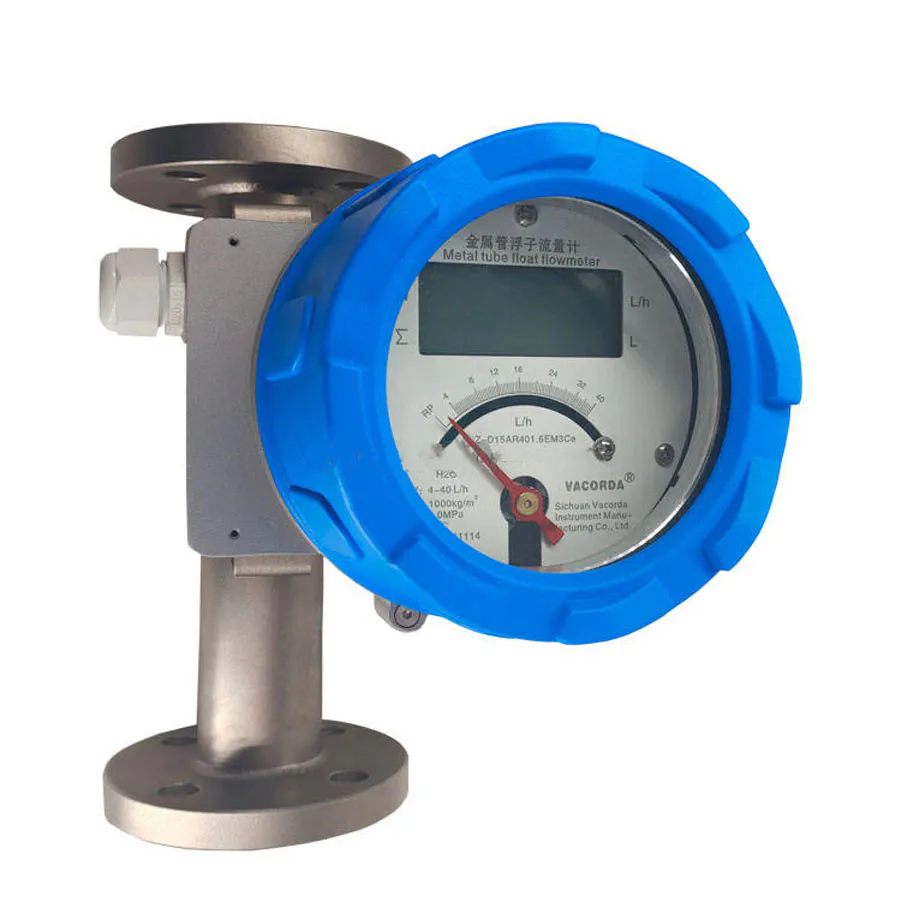
This image shows a metal tube variable area flow meter, with detailed display featuring a blue outer casing and indicators, designed for precise flow measurement.
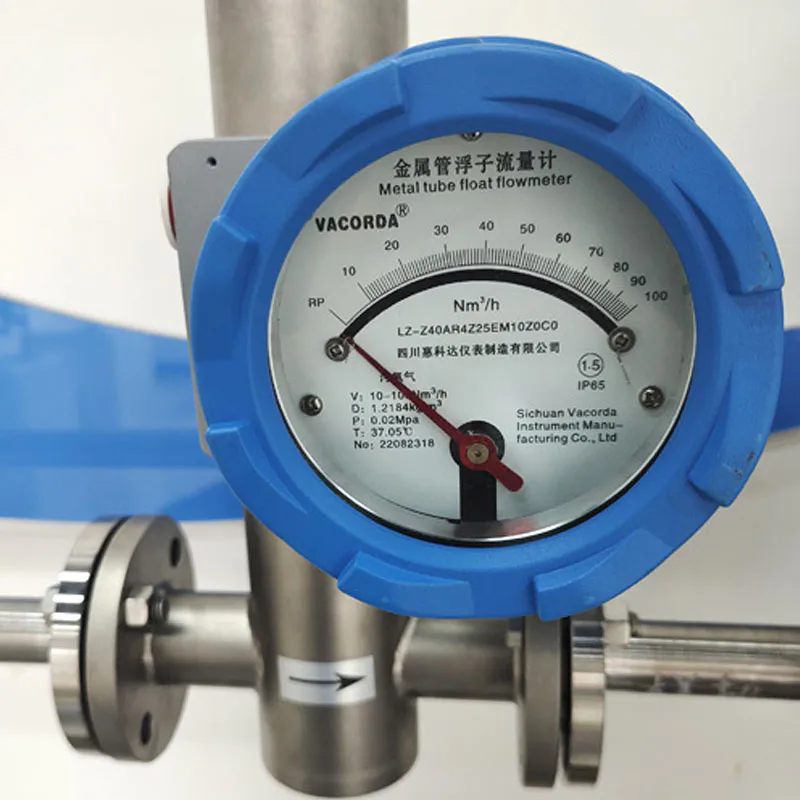
This image shows multiple flow meters installed in a piping system, featuring blue outer casings and digital displays, providing accurate readings of liquid flow (e.g., water).

Metal Tube Flowmeter-Applications

With its excellent performance, high reliability, and cost-effective solution, the metal tube float flowmeter is widely used in:

  • Petroleum and chemical industries

  • Steel and metallurgical processes

  • Power generation and energy systems

  • Light industry and food processing

  • Pharmaceutical production

  • Water and wastewater treatment

By selecting different wetted materials, the flowmeter is suitable for non-corrosive, corrosive, and highly corrosive media, meeting the demands of various industrial applications.

Rotary Flow Meter-Working Principle

The metal tube float flowmeter measures flow based on the variable area principle. The float rises or falls inside the tapered tube until the upward hydrodynamic force balances the weight minus buoyancy:

Ff = Cd × 0.5 × ρ × v2 × A
Fg = (ρf – ρ) × V × g

At equilibrium, the flow rate Q is proportional to the float’s position:

Q = K × Aeffective × √[ 2 × (ρf – ρ) × V × g / ρ ]

Key Points:

  • Works for liquids, gases, and steam
  • Suitable for low flow rates and small ranges
  • Stable and accurate under industrial conditions
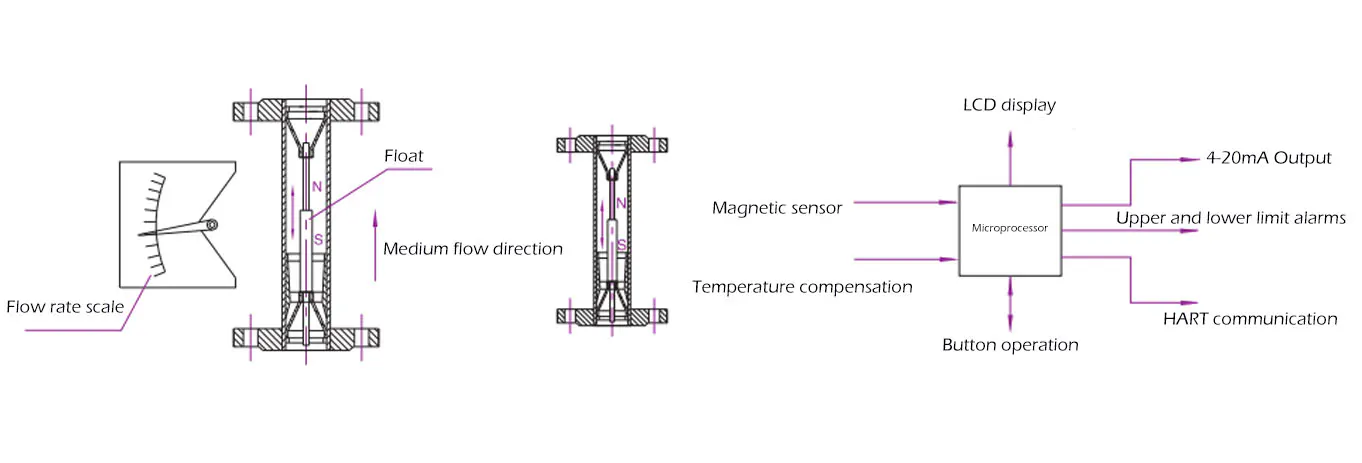
This image shows a schematic diagram of a flowmeter, illustrating key components such as the float, flow rate scale, magnetic sensor, temperature compensation, LCD display, HART communication, and button operation, suitable for liquid metal flow measurement.
Rotary flow meter showing external appearance and internal structure of float-based flow measurement.

Rotary Flowmeter-Flexible Installation Structures

According to different process connection requirements, the metal tube float flowmeter is available in multiple measuring tube configurations, including:

  • Bottom inlet – top outlet

  • Bottom inlet – side outlet

  • Side inlet – side outlet

  • Right inlet – left outlet

  • Left inlet – right outlet

  • Top inlet – bottom outlet

Users can select the appropriate structure to meet specific installation and process requirements.

Flow Meter Parameter  

Measuring rangeWater:1-150000L/H(20℃)
Air: 0.7~3000m3/h (20℃, 0.1013MPa)
Measuring range proportionStandard: 10:1
Accuracy classStandard:1.5, 2.5; Special: 1.0
Pressure ratingStandard & sanitary one:DN15~DN50≤4.0MPa; DN80~DN200≤2.5MPa
Special one:DN15~DN25≤42MPa;DN50~DN100≤16MPa
Jacket one: 1.6MPa
Pressure loss7kPa~70kPa
Medium temperatureStandard:-70℃~+180℃; PTFE:-50℃~+100℃(Change frequently is not allowed)
Environment temperatureRemote type: -40℃~+85℃ (LCD display:  -35℃~+70℃)
Local needle indicator: -40℃~+100℃
Connection typeFlange; Sanitary tri-clamp
Jacket connectionDN15/PN1.6MPa or 1/2” ANSI 150LB RF or φ12mm tube
Flange StandardStandard: GB/T 9119-2010, HG20592, ASME/ANSI B 16.5, DIN2501, SH3406
Food type: SMS, DIN 11851, Tri-clamp
Wiring connectionM20×1.5; 1/2NPT female thread
Power supplyStandard: 24VDC two-line 4~20mA(12VDC~32VDC)
AC type:85~260VAC
Battery type:3.6V lithium battery(2-3 years lifetime)
Loading resistance featureTwo-line: max loading resistance 500Ω(24VDC)
Multi-line: max loading resistance 500Ω
Warning signal outputReed pipe warning switch output, upper limit and lower limit flow warning(contact capacity 250V 0.05A or 24VDC 0.2A)
LCD displayInstant flow display scope:0~99999
Total flow display scope: 0~99999999
Protection gradeIP65, IP67
Explosion-proof gradeExia II CT6Ga   Exd II BT6Gb
Installation Height:Standard height: 250mm for DN15-DN200; High pressure type: 300mm for size > DN80

Instrava OEM/ODM

Reliable Instruments. Solutions That Fit Your Application.

Instrava is focused on delivering reliable industrial solutions through carefully curated products, application-driven optimization, and flexible customization. We select proven instruments from trusted manufacturers to ensure consistent quality, optimize solutions based on real working conditions to solve practical challenges, and provide tailored configurations to meet specific application needs.

By combining selection expertise with application understanding, Instrava helps customers reduce risk, improve efficiency, and achieve dependable results in complex industrial environments.

symbolizing trust and the beginning of a long-term partnership

Related Product Recommendations  

A metal tube float flowmeter operates on the variable area flow measurement principle, where the flow rate is determined by the equilibrium position of a float inside a vertically mounted, tapered metal measuring tube.

The float reaches a stable position when the following forces are balanced:

  • Upward force generated by fluid flow

  • Gravity acting on the float

  • Buoyancy force of the medium

  • Drag force related to fluid density and viscosity

Therefore, the measurement result directly depends on:

  • Medium density

  • Medium viscosity

  • Flow regime (laminar or transitional)

  • Float geometry and mass

This is why metal tube float flowmeters are factory-calibrated for a specific medium and operating condition, and recalibration or correction is required if the process conditions change.

Metal tube float flowmeters are technically suitable for stable, continuous flow measurement under harsh process conditions, but they are not universal instruments.

Suitable Conditions:

  • High pressure systems: up to 25–40 MPa

  • High temperature processes: up to 300–450°C

  • Corrosive fluids: with proper material or lining

  • Steam, gas, and liquid applications

  • Low to medium flow rates with stable flow

Unsuitable or Limited Conditions:

  • Strongly pulsating flow

  • Highly unstable density or viscosity

  • Applications requiring very high accuracy (< ±0.5%)

  • Rapidly changing process conditions

  • Severe vibration without proper damping

From an engineering standpoint, correct application matching is more critical than the flowmeter model itself.

The typical accuracy of a metal tube float flowmeter is ±1.0% to ±1.5% of full scale (FS) under rated conditions.

Accuracy Influencing Factors:

  1. Medium Density Deviation
    Any deviation from the calibrated density will cause proportional flow error.

  2. Viscosity Change
    Increased viscosity increases drag force, causing the float to rise higher than expected.

  3. Installation Conditions

    • Must be installed vertically

    • Straight pipe lengths upstream improve stability

  4. Temperature & Pressure Variation
    Extreme changes may alter medium properties and affect readings.

In practical industrial applications, metal tube float flowmeters are used for process indication, monitoring, and control, not custody transfer.

Material selection directly determines safety, service life, and measurement stability.

Common Material Configurations:

Process MediumRecommended Tube MaterialFloat Material
Water / SteamSS304 / SS316SS316
Corrosive acidsSS316L + PTFE liningPTFE / Hastelloy
AlkalisSS316LAlloy / PTFE
HydrocarbonsSS316SS316
High-temperature steamAlloy steelAlloy steel

Incorrect material selection may lead to:

  • Float sticking

  • Chamber corrosion

  • Measurement drift

  • Safety risks

From a procurement perspective, material compatibility confirmation is mandatory before ordering.

Modern metal tube float flowmeters use magnetic coupling to transmit float position to external devices without process penetration.

Signal Options:

  • 4–20 mA two-wire transmitter

  • Local mechanical pointer

  • Digital LED display

  • Limit switches (SPST / SPDT)

Signal Reliability:

  • No direct contact with the medium

  • Immune to vibration and temperature fluctuations

  • Long-term stability for PLC and DCS integration

Typical applications include:

  • Flow interlocks

  • Low / high flow alarms

  • Simple closed-loop control

Metal tube flowmeters are preferred when signal stability and mechanical robustness are more important than ultra-high accuracy.

Based on field feedback, the most frequent procurement errors include:

  1. Selecting flow range too close to maximum operating flow
    → Causes float saturation and poor resolution

  2. Ignoring medium density and viscosity
    → Results in systematic measurement error

  3. Using standard materials for corrosive media
    → Leads to premature failure

  4. Assuming metal tube flowmeters are maintenance-free
    → Periodic inspection is still required in dirty media

  5. Using them in highly fluctuating flow systems
    → Leads to unstable readings

A properly selected metal tube float flowmeter should operate reliably for 10–15 years with minimal intervention.

Why Choose Instrava

Built on Consistency, Not Claims

Focused on Industrial Applications

We specialize in industrial analysis and detection, with a clear understanding of real-world operating environments and requirements.

Strict Product Selection Criteria

Every instrument is evaluated based on performance, stability, and application suitability—not just specifications or pricing.

Reliable Supply & Quality Consistency

We work with trusted manufacturers to ensure stable supply, consistent quality, and dependable delivery.

Practical, Experience-Based Support

Our recommendations are grounded in application understanding, helping customers avoid common issues and achieve reliable results.

Instrava is built to reduce uncertainty—so every decision you make is clearer, safer, and more reliable.

Industrial measurement scene showing a worker using a precision measuring instrument to measure and mark material on a workbench, demonstrating the practical application of measuring instruments in manufacturing and processing.

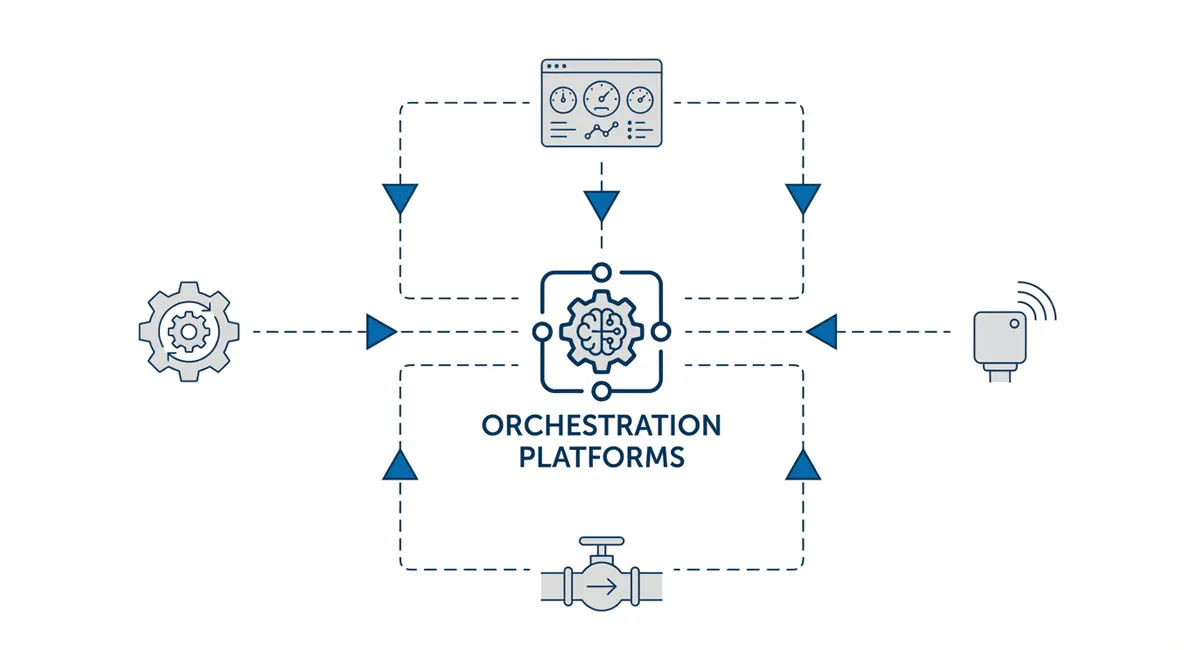
Instrumentation is Shifting Toward Orchestration Platforms: What It Means for Industrial Systems

  • By Instrava
  • Apr 3, 2026

Introduction Industrial instrumentation is undergoing a fundamental transformation. Traditionally, instruments such as sensors, transmitters, and analyzers operated as independent devices...

  • 2Min Read

What is “Instrument-as-a-Service” in Industrial Automation?

  • By Instrava
  • Apr 3, 2026

Industrial instrumentation is undergoing a fundamental transformation. Traditionally, instruments were typically deployed as standalone hardware devices—installed, calibrated, and maintained to...

  • 1Min Read

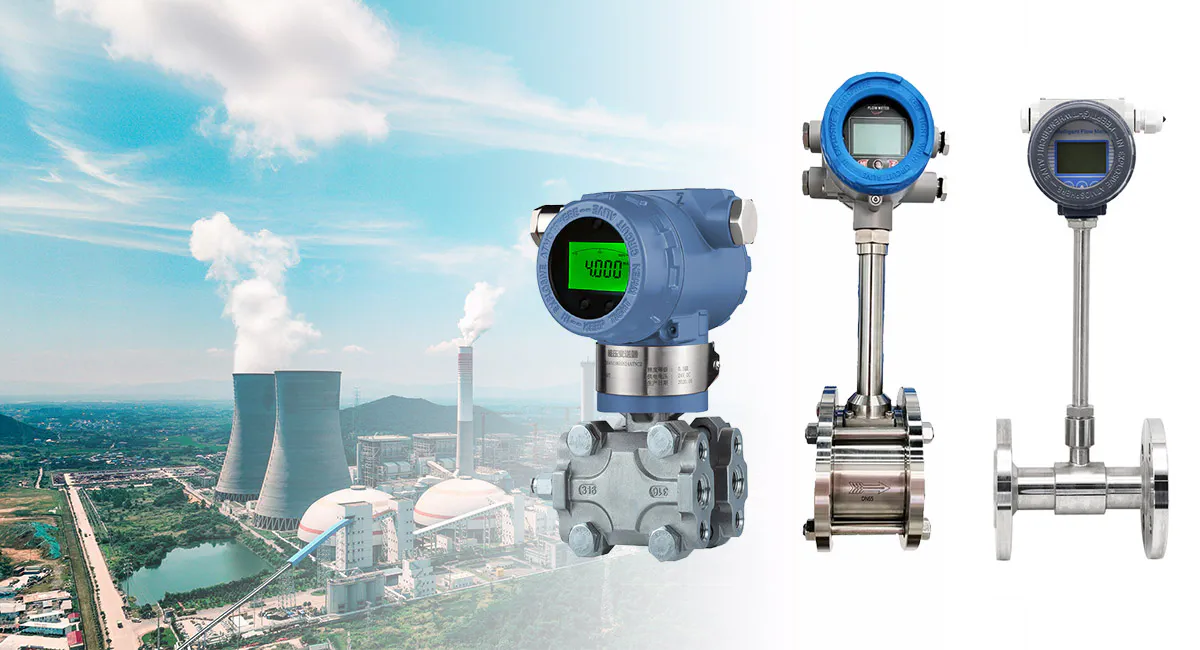
Thermal vs Vortex vs Differential Pressure: How to Choose the Right Flow Measurement Technology

  • By Instrava
  • Feb 25, 2026

Selecting a flow meter is rarely about accuracy alone. In industrial applications, the real challenges include: Variable flow rates Pressure...

  • 1Min Read
Home
Products
Whatsapp
Contact