
Electromagnetic Flowmeter
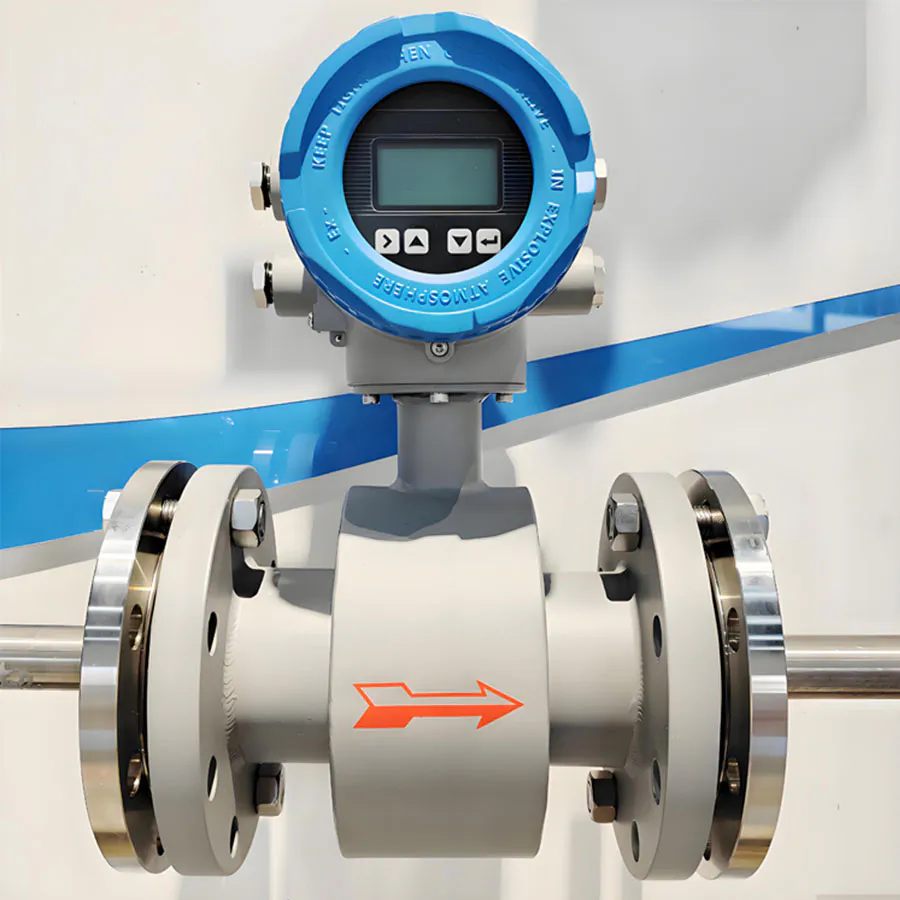
The working principle of an electromagnetic flowmeter is based on Faraday’s law of electromagnetic induction. The measuring tube is made of a non-magnetic alloy and internally lined with an insulating material to prevent signal interference and ensure measurement stability.
Two measuring electrodes are installed diametrically opposite on the inner wall of the flow tube, with the electrode surfaces flush with the lining. When the excitation coils generate a pulsed magnetic field perpendicular to the flow direction, a uniform magnetic flux density is formed across the measuring section.
As a conductive liquid flows through the magnetic field inside the tube, it cuts the magnetic lines of force and generates an induced electromotive force. This induced voltage is proportional to the magnetic flux density, the inner diameter of the pipe, and the average velocity of the fluid. The electrodes detect this voltage signal and transmit it to the converter through shielded cables.
The converter amplifies and processes the signal, converting it into a flow rate value. The electromagnetic flowmeter then outputs standard signals such as pulse output and analog current (4–20 mA), enabling real-time flow display, process monitoring, flow control, and system integration in industrial automation applications.

Flow Meter Description
Electromagnetic Flowmeter-Features
-
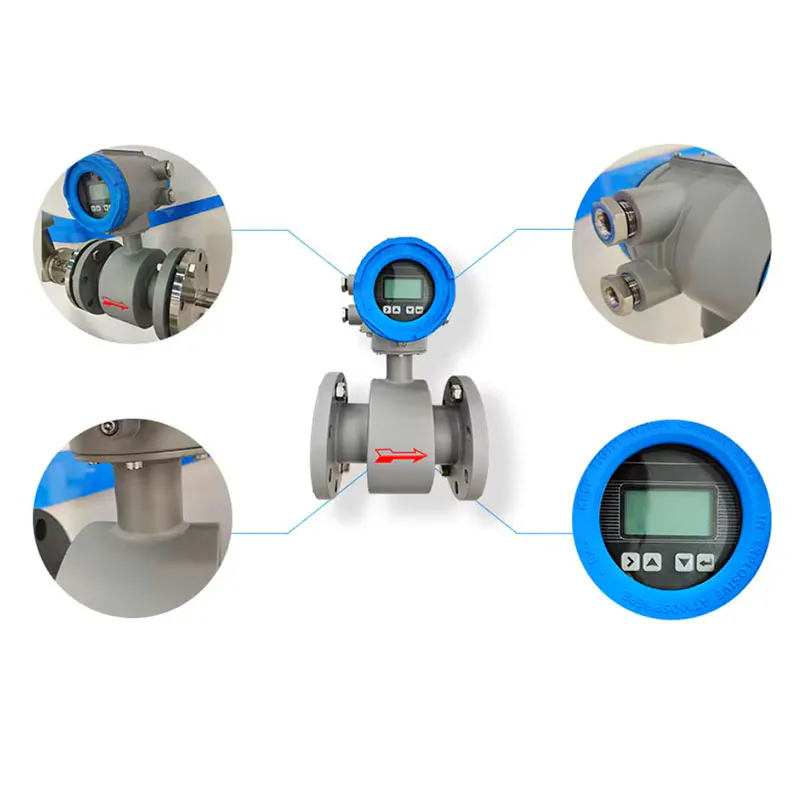
The electromagnetic flowmeter delivers stable electromagnetic flow measurement that is independent of fluid density, viscosity, temperature, pressure, and conductivity, reducing recalibration frequency and long-term operating costs.
-
With a full-bore design and no moving parts, the electromagnetic flow meter eliminates pressure loss and minimizes maintenance, making it ideal for continuous operation in slurry, wastewater, and corrosive liquid applications.
-
A wide DN6–DN3000 size range, combined with multiple lining and electrode material options, allows one electromagnetic flowmeter platform to cover diverse processes, reducing spare parts inventory and total cost of ownership.
-
Advanced low-frequency rectangular wave excitation and full digital signal processing ensure high measurement stability and strong anti-interference performance, even in electrically noisy industrial environments.
-
The 32-bit embedded processor enables fast signal calculation and a wide measurement range of up to 1500:1, allowing accurate flow monitoring under both low-flow and peak-load conditions without changing instruments.
-
Integrated diagnostics, empty pipe detection, and conductivity monitoring improve operational safety and reduce unexpected downtime, supporting predictive maintenance strategies.
-
Multiple industrial communication protocols, including RS485, HART, and optional Profibus, ensure seamless system integration and protect automation investments over the long term.
-
Explosion-proof options and robust SMT-based electronics provide reliable performance in hazardous and harsh environments, extending service life and maximizing return on investment.
Electromagnetic Flow Meter-Applications
Water & Wastewater
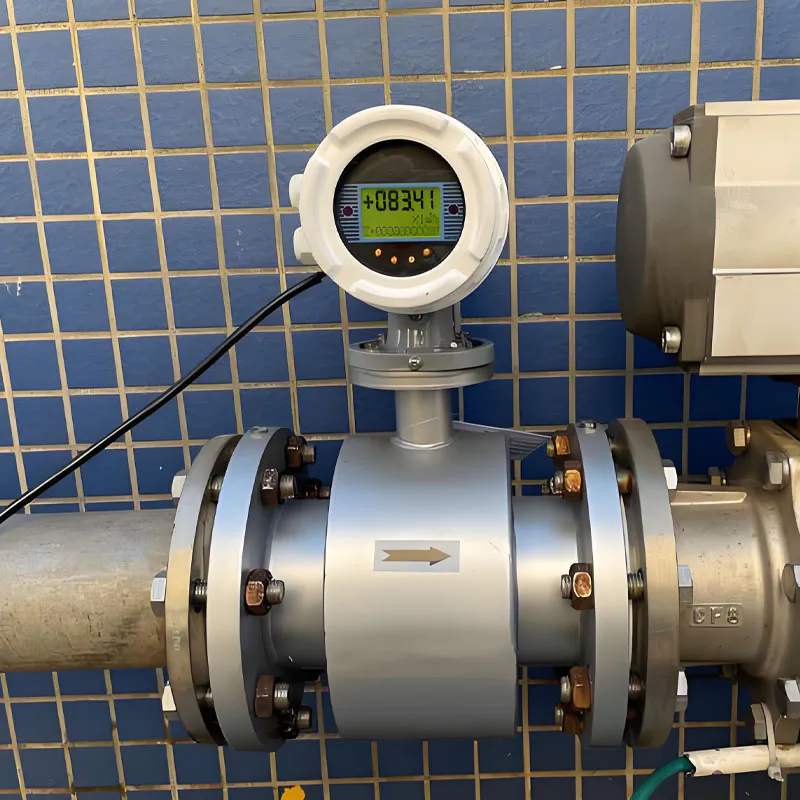
Electromagnetic flowmeters are used for raw water intake, distribution pipelines, effluent discharge, and sludge measurement, providing stable electromagnetic flow measurement for municipal and industrial water systems.
Chemical & Pharmaceutical
Electromagnetic flowmeters measure corrosive chemicals, acids, alkalis, and process liquids with high accuracy, supported by multiple lining and electrode options for chemical compatibility.
Food & Beverage
Sanitary electromagnetic flow meters are applied to beverages, dairy products, syrups, and process water, supporting hygienic electromagnetic flow measurement and batch consistency.
Pulp & Paper
Electromagnetic flowmeters are suitable for stock preparation, white water circulation, chemical dosing, and wastewater monitoring in fiber-rich process environments.
Power & Cooling Water
Electromagnetic flowmeters monitor cooling water circulation and auxiliary water systems, helping improve system efficiency and operational reliability.
Mining & Slurry
Electromagnetic flowmeters are ideal for abrasive slurry, tailings, and mineral processing fluids, delivering reliable electromagnetic flow measurement in harsh industrial conditions.
Flow Meter Parameter
| PTFE Lined Pipe(Dn) | 10, 15, 20, 25, 32, 40, 50, 65, 80, 100, 125, 150, 200, 250, 300, 350, 400, 450, 500, 600 |
| Rubber Lined Pipe(Dn) | 40, 50, 65, 80, 100, 125, 150, 200, 300, 350, 400, 500, 600, 800, 1000, 1200, note: special specifications can be customized |
| Measuring Range Ratio | 150:01:00 |
| Repeatability Error | +/-0.1% |
| Accuracy | Piped: 0.5 class, 1.0 class |
| Measured Medium Temperature | Common rubber lining: -20~+60 ° c |
| High temperature rubber lining: -20~+90 ° c | |
| PTFE lining: -30~+100 ° c | |
| High temperature vinyl lining: -30~+180 ° c | |
| Rated working pressure | Pipeline: DN10~DN65: ≤ 2.5MPa;DN80~DN150: ≤ 1.6MPa; |
| DN200~DN1200: ≤ 1.0MPa | |
| Flow Measuring Range | Flow measuring range corresponding to flow rate range is 0.3~15m/s |
| Measured Fluid Conductivity | 5μs/cm (Most with water as the composition of the medium, its conductivity in the range 200~800 Mu s/cm, optional solenoid flow) |
| Output | Current:4~20mADC (isolation), pulse frequency 0~1kHz, OCT photoelectric isolation, external power ≤ 35VDC, breakover, collector Max 25mA |
| Electrode Material | 316L, titanium (Ti), tantalum (Ta), Hastelloy, (h), Platinum (Pt) or other special electrode materials |
Instrava OEM/ODM
Tailored Sourcing & Customization: Getting You the Exact Product You Need
As your trusted supplier and sourcing partner, we bridge the gap between your custom requirements and China’s vast manufacturing capabilities.
Finding the right product in a massive supply chain can be challenging. That is where we step in.
As a curated industrial supplier, our core value is simple: we stand in your shoes to help you procure the most optimal products. Whether you are an EPC contractor needing specialized technical compliance, an OEM equipment manufacturer looking for custom branding, or an industrial distributor/trader seeking competitive edge, we customize and tailor products to fit your exact procurement needs.
How We Customize to Fit Your Procurement Needs
For EPC Contractors & Engineers: We custom-configure instruments and devices to match your precise datasheets—tailoring process connections, exotic materials, signal protocols, and managing third-party calibration and testing so you get project-ready solutions.
For OEM Equipment Manufacturers: We provide comprehensive OEM/ODM customization, including custom housing, labeling, branding (private labeling), and tailored technical specifications to seamlessly integrate with your machinery.
For Industrial Distributors & Traders: We offer flexible customization in packaging, product ranges, and technical parameters, helping you differentiate your portfolio and win more local bids.
Why Partner with Us for Custom Sourcing?
One-Stop Engineering Alignment: You don’t have to deal with multiple factories. We translate your technical requirements into precise manufacturer blueprints.
Strict Quality & Compliance Safeguard: We oversee the entire customization and production process in China, ensuring the final customized product meets your local standards and certifications.
Our Ultimate Value: We don’t just sell what’s on the shelf. We find, customize, and deliver the most suitable and cost-effective product for your unique application.

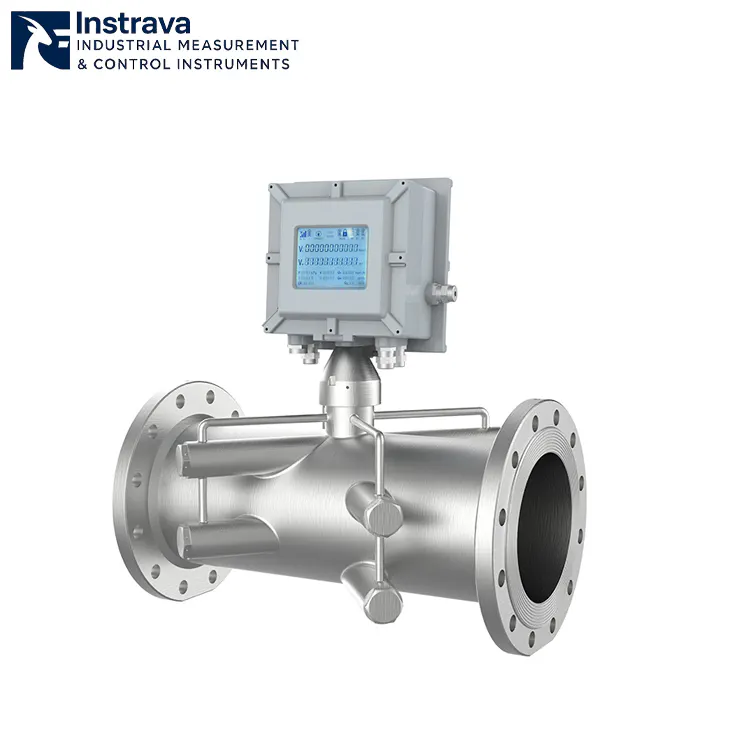
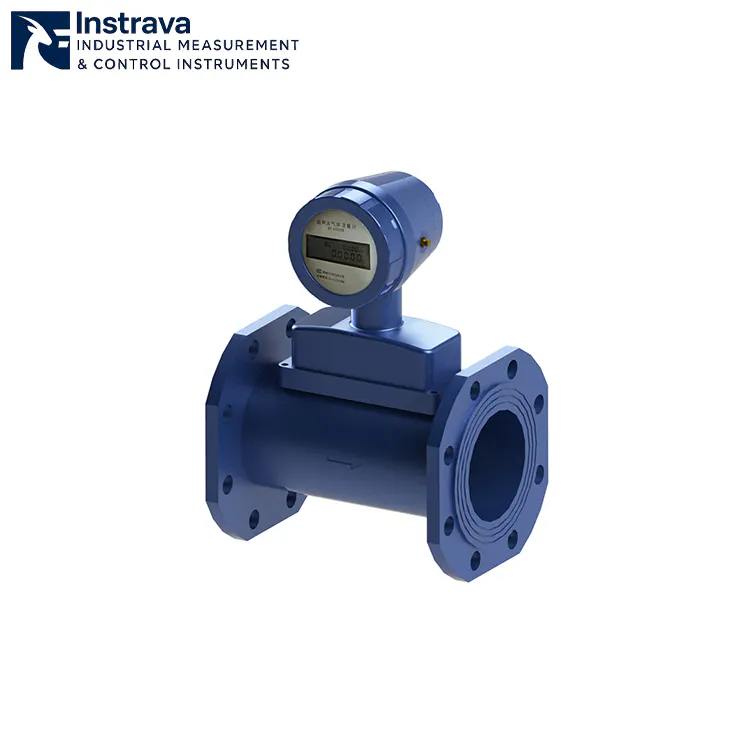
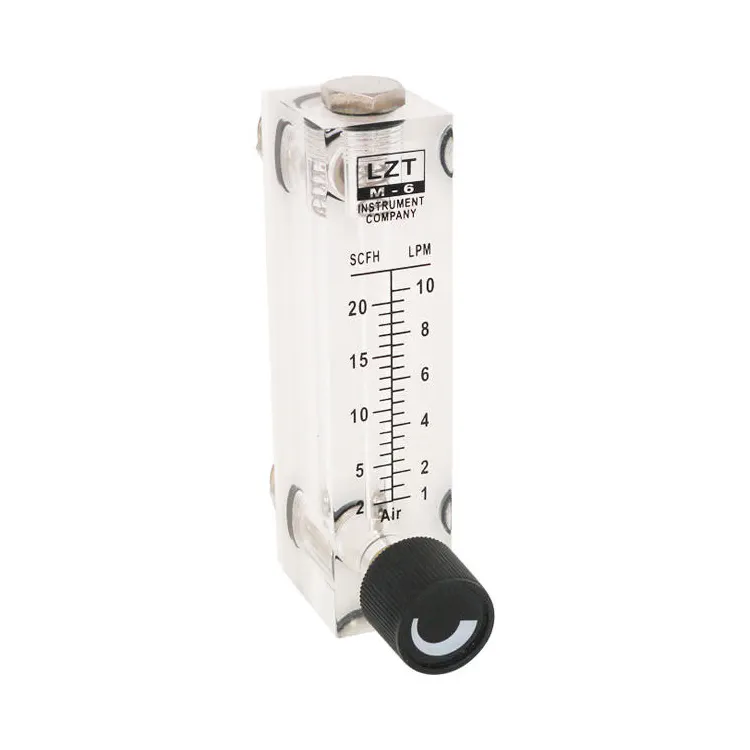
What types of liquids can an electromagnetic flowmeter measure accurately?
An electromagnetic flowmeter is designed for electromagnetic flow measurement of conductive liquids only. Typical measurable media include water, wastewater, acids, alkalis, slurry, pulp, chemicals, and process liquids.
The minimum conductivity requirement is usually ≥5 μS/cm (some models ≥1 μS/cm with special excitation).
| Liquid Type | Suitability | Notes |
|---|---|---|
| Clean water | Excellent | Most common application |
| Wastewater | Excellent | Not affected by impurities |
| Slurry | Excellent | No moving parts, no blockage |
| Oil / Gas | Not suitable | Non-conductive |
| Deionized water | Limited | Conductivity must be verified |
This makes the electromagnetic flow meter especially suitable for water treatment, chemical processing, and slurry transport.
How accurate is an electromagnetic flowmeter compared with other flow meters?
standard industrial electromagnetic flowmeter typically offers an accuracy of ±0.5% of reading, with high-end models reaching ±0.3%. Accuracy remains stable because electromagnetic flow measurement is independent of fluid density, viscosity, pressure, and temperature.
| Flowmeter Type | Typical Accuracy | Moving Parts |
|---|---|---|
| Electromagnetic flowmeter | ±0.3% – ±0.5% | No |
| Turbine flowmeter | ±0.5% – ±1.0% | Yes |
| Ultrasonic flowmeter | ±0.5% – ±1.0% | No |
| Orifice plate | ±1.0% – ±2.0% | No |
For long-term ROI and low maintenance, electromagnetic flow meters are often preferred in continuous industrial processes.
What pipe sizes and flow ranges are supported by electromagnetic flowmeters?
Electromagnetic flowmeters support a very wide nominal diameter range, typically from DN6 to DN3000, making them suitable for both small dosing lines and large pipelines.
| Parameter | Range |
|---|---|
| Nominal diameter | DN6 – DN3000 |
| Flow velocity | 0.1 – 10 m/s |
| Measurement range ratio | Up to 1500:1 |
This wide range allows one electromagnetic flowmeter platform to cover multiple applications, reducing spare parts inventory and system complexity.
How do lining and electrode materials affect electromagnetic flow measurement?
The performance and service life of an electromagnetic flowmeter depend heavily on correct material selection. Different media require different lining and electrode combinations to ensure corrosion resistance and signal stability.
| Medium | Lining Material | Electrode Material |
|---|---|---|
| Water / wastewater | Rubber / PTFE | SS316L |
| Acid / alkali | PTFE / PFA | Hastelloy |
| Slurry | Rubber / Ceramic | SS316L / Hastelloy |
| High corrosion | PTFE | Tantalum |
Proper material selection improves measurement reliability and significantly reduces total cost of ownership.
What communication outputs are available for electromagnetic flowmeters?
Modern electromagnetic flowmeters support multiple analog and digital outputs for seamless integration into automation systems.
| Output Type | Purpose |
|---|---|
| 4–20 mA | Process control |
| Pulse | Flow totalization |
| RS485 / Modbus | PLC and SCADA |
| HART | Configuration and diagnostics |
| Profibus | Industrial networks (optional) |
These communication options ensure the electromagnetic flow meter remains compatible with current and future control systems.
What OEM and ODM customization options are available for electromagnetic flowmeters?
As an OEM / ODM manufacturer, we provide deep customization for electromagnetic flowmeters to match specific project requirements and branding needs.
| Customization Item | OEM | ODM |
|---|---|---|
| Logo & nameplate | Yes | Yes |
| Housing color | Yes | Yes |
| Diameter & pressure | Limited | Fully customizable |
| Lining & electrode | Standard options | Application-specific |
| Communication protocol | Optional | Fully selectable |
| Explosion-proof design | Optional | Custom certified |
OEM electromagnetic flowmeter solutions help customers shorten delivery time, while ODM solutions support differentiated products and faster market entry.
Why Trust Instrava?
We select manufacturers from a neutral, impartial standpoint, always with your best interests in mind.
Our very existence depends on helping you source the products that are the perfect fit for your needs.
Based in China, we are able to conduct on-site inspections of production environments and product quality firsthand.
We help you avoid intermediaries posing as factories.
We facilitate smoother after-sales support, eliminating time zone issues and the delays often associated with dealing directly with factories.
Our multilingual team ensures effective communication.
For a trading startup, every interaction with a client is a precious opportunity—a sign that you are willing to place your trust in us and give us the chance to prove ourselves.
In the digital age, while information is easily accessible, misconceptions often cloud the trust between people.
Instrava relies entirely on trust; it is our core philosophy and the foundation of our existence in society. It is the fundamental basis for our long-term growth and our commitment to serving the community.
Please place your trust in us.