
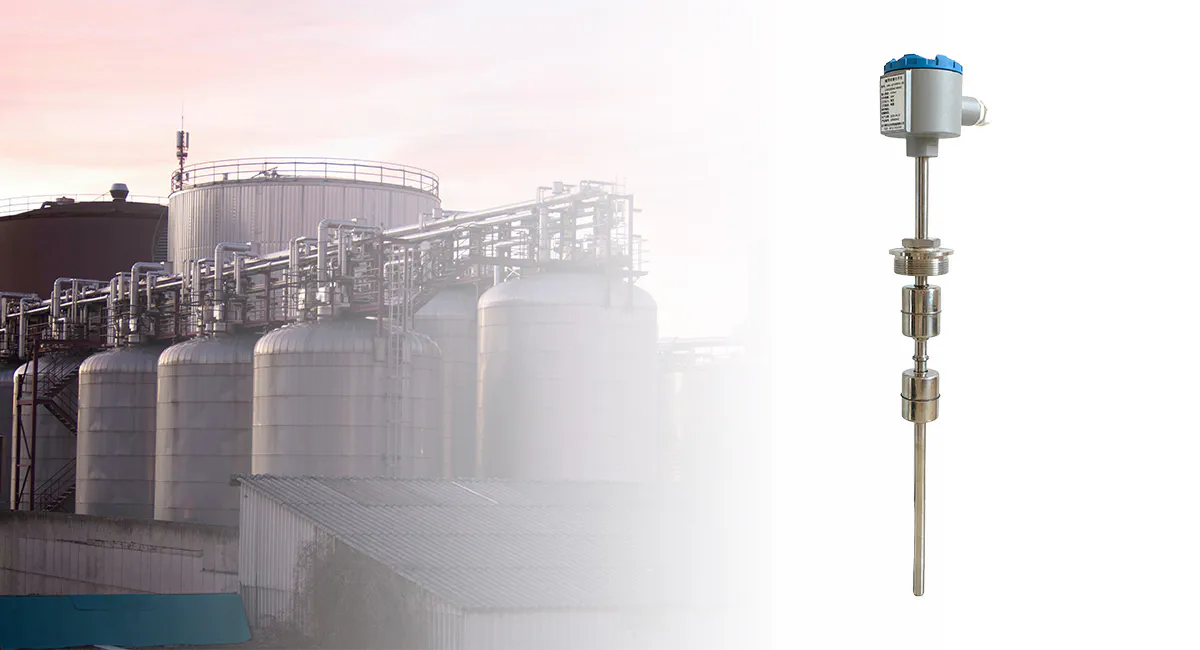
مفتاح مستوى العوامة - كشف موثوق لمستوى السائل في جميع الصناعات
تُستخدم مفاتيح التبديل ذات المستوى العائم على نطاق واسع في التطبيقات الصناعية والتجارية للكشف عن مستويات السوائل في الخزانات والأوعية وخطوط الأنابيب. إن تصميمها المتين وبساطتها وموثوقيتها تجعلها مكونات أساسية في صناعات تتراوح من معالجة المياه إلى المعالجة الكيميائية وأنظمة الطاقة.
في الأنظمة الصناعية الحديثة، لا تُستخدم مفاتيح تبديل المستوى العائم في الأنظمة الصناعية الحديثة للتحكم في التشغيل/إيقاف التشغيل فحسب، بل تلعب أيضًا دورًا حاسمًا في أنظمة السلامة، وأتمتة العمليات، والصيانة الوقائية.
لماذا تظل مفاتيح تبديل مستوى العوامة ذات صلة بالموضوع
على الرغم من ظهور أجهزة الاستشعار الإلكترونية والموجات فوق الصوتية المتقدمة, مفاتيح تبديل المستوى العائم لا تزال مفضلة في العديد من السيناريوهات الصناعية بسبب البساطة الميكانيكية، والموثوقية في السوائل القاسية، وانخفاض الصيانة، وفعالية التكلفة.
تضمن البساطة الميكانيكية جنبًا إلى جنب مع الأداء القوي التشغيل المتسق في ظل ظروف المعالجة المختلفة.
مقارنة الأداء على المدى الطويل لتقنيات مفاتيح المستوى
| الميزة | مفتاح تبديل المستوى العائم (قياسي صناعي) | مستشعر الموجات فوق الصوتية | مستشعر سعوي |
|---|---|---|---|
| الدقة | ± 2 - 3 مم | ± 1 مم | ± 1-2 مم |
| الموثوقية في السوائل القاسية | وقت تشغيل 98% على مدار 12 شهراً | 85% | 90% |
| تواتر الصيانة | كل 6-12 شهراً | كل 2-3 أشهر | كل 3-6 أشهر |
| التكلفة لكل وحدة | $80-$200 | $300-$600 | $150-$400 |
| عمق الخزان المناسب | 0.3-10 m | 0.5-12 m | 0.5-8 m |
توازن مفاتيح تبديل المستوى العائم بين الدقة المعتدلة والموثوقية العالية. يُظهر وقت تشغيل 98% على مدى 12 شهرًا الحد الأدنى من الصيانة وقلة التعرض للتلوث، مقارنةً بأجهزة الاستشعار الإلكترونية الأكثر حساسية.
أنواع مفاتيح تبديل المستوى العائم
تتوفر مفاتيح تبديل المستوى العائم في عدة تصميمات، كل منها مناسب لتطبيقات مختلفة:
-
مفاتيح تبديل العوامة العمودية - لمراقبة الخزان من أعلى إلى أسفل والتحكم البسيط في التشغيل/إيقاف التشغيل.
-
مفاتيح دوارة من نوع المجداف - مثالية للكشف عن المستويات البينية للسوائل مع المواد الصلبة أو الحمأة.
-
مفاتيح تبديل العوامة المغناطيسية - محكمة الإغلاق ومقاومة كيميائياً، ومناسبة للسوائل المسببة للتآكل.
تسمح التصميمات المختلفة للمهندسين باختيار مفاتيح تبديل مصممة خصيصًا لنوع السائل وتكوين الخزان واحتياجات الأتمتة.
اختيار نوع مفتاح التبديل العائم حسب الصناعة
| نوع المفتاح | اللزوجة النموذجية للسائل (cP) | أقصى درجة حرارة الخزان (درجة مئوية) | مثال على الصناعة | درجة الموثوقية (%) |
|---|---|---|---|---|
| تعويم عمودي | 1-10 | 100 | معالجة المياه | 95 |
| مجداف دوار | 50-500 | 80 | المعالجة الكيميائية | 92 |
| عوامة مغناطيسية | 1-300 | 120 | تخزين البتروكيماويات | 97 |
تجمع درجة الموثوقية بين مقاومة المواد والمتانة البيئية والتشغيل الخالي من الأعطال على مدار 12 شهرًا. تعمل مفاتيح التبديل المغناطيسية ذات العوامة المغناطيسية بشكل أفضل في البيئات ذات درجات الحرارة العالية أو البيئات المسببة للتآكل، مما يجعلها مناسبة للتطبيقات البتروكيماوية.
التطبيقات الصناعية
تُستخدم مفاتيح تبديل المستوى العائم في العديد من الصناعات لضمان مراقبة آمنة وموثوقة لمستوى السائل.
تتنوع التطبيقات الصناعية، ولكنها تشترك جميعها في الحاجة إلى مراقبة موثوقة ومنخفضة الصيانة وآمنة لمستوى السائل.
مصفوفة التطبيق مع المؤشرات الكمية
| الصناعة | حجم الخزان النموذجي (متر مكعب) | زمن الاستجابة الحرجة (بالثواني) | أقصى وقت تعطل مسموح به (ساعة/سنة) | نوع المفتاح المفضل |
|---|---|---|---|---|
| المياه ومياه الصرف الصحي | 5-500 | 5-15 | 8 | تعويم عمودي |
| الكيماويات والبتروكيماويات | 1-200 | 3-10 | 4 | مغناطيسي/دوّار |
| المأكولات والمشروبات | 0.5-50 | 2-8 | 6 | عمودي/مغناطيسي |
| الطاقة والطاقة | 10-300 | 5-12 | 5 | مغناطيسي/عمودي |
يقيس زمن الاستجابة الحرجة مدى سرعة تشغيل المفتاح للمضخات أو الإنذارات. يعكس الحد الأقصى لوقت التوقف عن العمل نوافذ الصيانة المقبولة. تضمن مطابقة نوع المفتاح مع الصناعة التحكم في العملية دون انقطاع.
مقاييس الفترة الزمنية للصيانة
يؤثر تواتر الصيانة بشكل مباشر على الاستمرارية التشغيلية والتكلفة.
| نوع المفتاح | فترة الصيانة الموصى بها | العمر المتوقع (بالسنوات) |
|---|---|---|
| تعويم عمودي | 6-12 شهراً | 8-10 |
| مجداف دوار | 3-6 أشهر | 6-8 |
| عوامة مغناطيسية | 9-18 شهراً | 10-12 |
فترات صيانة أطول تقلل من الانقطاعات التشغيلية وتحسن استمرارية البيانات. تعتبر مفاتيح التبديل المغناطيسية ذات العوامة مثالية للتركيبات البعيدة أو القاسية بسبب أطول فترة خدمة.
مزايا مفاتيح تبديل المستوى العائم الحديثة
-
التخصيص وتوافر صانعي المعدات الأصلية/التصنيع حسب الطلب - أطوال، ومواد، وأنواع مفاتيح مصممة خصيصًا.
-
الشهادات والامتثال للمعايير - موافقات IEC وATEX وUL وغيرها من الموافقات الأخرى.
-
اختيار المواد - الفولاذ المقاوم للصدأ أو PVDF أو البولي بروبيلين أو PTFE للتوافق الكيميائي.
-
مراقبة الجودة والقدرة الإنتاجية - يضمن أداءً ثابتًا على المدى الطويل.
-
كفاءة المهلة الزمنية - تسليم سريع للمشاريع الحرجة.
كلمات مضمنة بشكل طبيعي: مفتاح تبديل مستوى العوامة المخصص، ومفتاح تعويم OEM العائم، ومفتاح تعويم OEM العائم، ومستشعر السائل الصناعي، ومفتاح مستوى العوامة المعتمد.
الخاتمة
تظل مفاتيح تبديل المستوى العائم حل عملي وموثوق به وفعال من حيث التكلفة للكشف عن مستوى السائل في التطبيقات الصناعية المتنوعة. إن قوتها وبساطتها وقدرتها على التكيف تجعلها لا غنى عنها في البيئات التي تكون فيها الصيانة والسلامة والاستمرارية أمرًا بالغ الأهمية.
من خلال اختيار النوع المناسب والحفاظ على الفترات الزمنية المناسبة، يمكن للصناعات من معالجة المياه إلى البتروكيماويات وإنتاج الأغذية ضمان استقرار تشغيلي طويل الأمد، وأقل وقت تعطل، وتحكم آمن في العملية.