
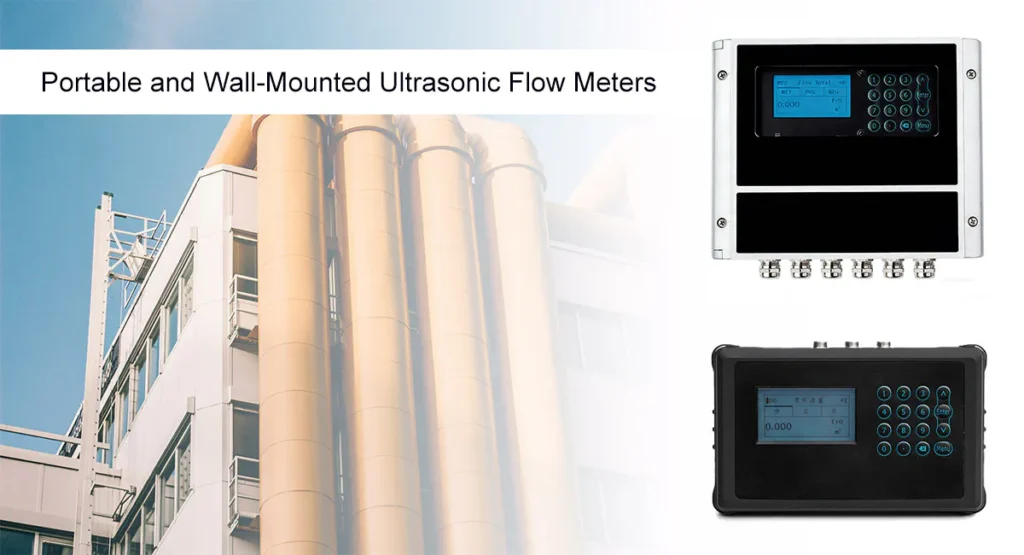
في البيئات الصناعية التي يتعذر فيها إيقاف تشغيل خطوط الأنابيب أو قطع الأنابيب أو مقاطعة العملية، أصبح قياس التدفق غير التدخلي حلاً عمليًّا بشكل متزايد. تتيح أجهزة قياس التدفق بالموجات فوق الصوتية المثبتة على الأنابيب قياس التدفق دون ملامسة مباشرة لوسط العملية، مما يجعلها مناسبة لكل من التشخيص المؤقت والمراقبة طويلة الأمد.
ومع ذلك، فإن الاختيار بين مقياس التدفق بالموجات فوق الصوتية المحمول ومقياس التدفق بالموجات فوق الصوتية المثبت على الحائط لا يتعلق بمبدأ القياس بقدر ما يتعلق بالمتطلبات التشغيلية.
لماذا يُفضل غالبًا استخدام قياس التدفق بالموجات فوق الصوتية غير التداخلية
كثيرون قياس التدفق تتعلق هذه المشاريع بأنابيب قائمة تكون التعديلات عليها مكلفة أو محفوفة بالمخاطر. وهذا أمر شائع في عمليات تحديث محطات معالجة المياه، وعمليات تدقيق كفاءة الطاقة، وأنظمة التدفئة والتهوية وتكييف الهواء (HVAC)، وخطوط توزيع المواد الكيميائية. وفي هذه الحالات، تتيح تقنية القياس بالموجات فوق الصوتية المثبتة على الأنابيب إجراء القياس دون التعرض لخطر التلوث أو فقدان الضغط أو توقف الإنتاج.
تستخدم كل من أجهزة قياس التدفق بالموجات فوق الصوتية المحمولة والمثبتة على الحائط عادةً مبدأ زمن العبور وأجهزة استشعار خارجية مثبتة على سطح الأنبوب. ويكمن الاختلاف في طريقة تركيب جهاز القياس وصيانته على المدى الطويل.
القيود الهندسية الرئيسية التي تؤثر على الاختيار
قبل اختيار التكوين، ينبغي تقييم عدة قيود عملية:
-
مدة القياس: اختبار مؤقت أم مراقبة مستمرة
-
توافر الطاقة: التشغيل بالبطارية مقابل مصدر الطاقة الدائم
-
استخدام البيانات: القراءة في الموقع، أو تسجيل البيانات، أو تكامل الأنظمة
-
ثبات التركيب: تثبيت مؤقت أو تثبيت دائم
غالبًا ما يكون لهذه العوامل تأثير أكبر على مدى ملاءمة المنتج مقارنة بمواصفات الدقة الاسمية.
متى يكون مقياس التدفق بالموجات فوق الصوتية المحمول هو الخيار الأفضل
A مقياس تدفق بالموجات فوق الصوتية محمول يُستخدم عادةً في مهام القياس المؤقتة أو المتنقلة. وهو مناسب تمامًا لعمليات التشغيل الأولي، واستكشاف الأعطال وإصلاحها، والتحقق من صحة عمل عدادات التدفق الموجودة.
إذا كانت هناك حاجة إلى قياس التدفق في مواقع متعددة أو لأغراض التشخيص قصير الأجل، فإن مقياس التدفق بالموجات فوق الصوتية المحمول يوفر المرونة دون الحاجة إلى تركيب دائم. وهذا يجعله خيارًا شائعًا لفرق الصيانة، وعمليات تدقيق الطاقة، وتقييمات أداء الأنظمة.
متى يكون مقياس التدفق بالموجات فوق الصوتية المثبت على الحائط هو الخيار الأنسب
مقاييس التدفق بالموجات فوق الصوتية المثبتة على الحائط وهي مصممة للعمل المستمر في نقاط قياس ثابتة. وتُستخدم عادةً في الحالات التي تتطلب مراقبة بيانات التدفق على مدى فترات طويلة أو دمجها في أنظمة التحكم.
بالنسبة للتطبيقات التي تتطلب مراقبة مستمرة وتركيبًا ثابتًا ونقل البيانات إلى منصات SCADA أو DCS، يوفر مقياس التدفق بالموجات فوق الصوتية المثبت على الحائط اتساقًا تشغيليًا أعلى وجهد صيانة أقل على المدى الطويل.
المفاهيم الخاطئة الشائعة في اختيار مقاييس التدفق بالموجات فوق الصوتية
من المفاهيم الخاطئة الشائعة أن أجهزة قياس التدفق بالموجات فوق الصوتية المحمولة أقل دقة بطبيعتها من النماذج المثبتة على الحائط. وفي الواقع، تتأثر الدقة في المقام الأول بجودة تركيب المستشعر، وحالة الأنابيب، ومعالجة الإشارات، وليس بنوع الهيكل.
ومن الأخطاء الشائعة الأخرى التقليل من أهمية مادة الأنابيب وحالة سطحها، اللتين تؤثران بشكل مباشر على انتقال الإشارات فوق الصوتية واستقرار القياس.
مواءمة التكوين مع أهداف القياس
تركز الحلول المتطورة لقياس التدفق بالموجات فوق الصوتية على التوافق مع متطلبات التطبيق بدلاً من الاعتماد على تصميم موحد يناسب جميع الحالات. وتلبي أجهزة قياس التدفق بالموجات فوق الصوتية المحمولة والمثبتة على الحائط أولويات تشغيلية مختلفة، مع تمتعها جميعًا بنفس مزايا القياس غير التدخلي.
يضمن اختيار التكوين المناسب جمع البيانات بشكل موثوق، والنشر الفعال، والاستخدام الأمثل لتقنية قياس التدفق بالموجات فوق الصوتية في الأنظمة الصناعية.
مقياس التدفق بالموجات فوق الصوتية – الأسئلة الشائعة حول الاختيار المتقدم
متى يجب استخدام مقياس التدفق فوق الصوتي المحمول بدلاً من الوحدة المثبتة على الحائط؟
مقياس التدفق بالموجات فوق الصوتية المحمول هو الأكثر ملاءمة عندما يكون قياس التدفق مطلوبًا بشكل مؤقت، أو عبر مواقع متعددة، أو لأغراض التشخيص. ويُستخدم عادةً للتشغيل التجريبي والتحقق من الصيانة وتدقيق الطاقة حيث يكون التركيب الدائم غير ضروري.
هل دقة قياس مقياس التدفق بالموجات فوق الصوتية المحمول أقل من المقياس المثبت على الحائط؟
لا يتم تحديد دقة القياس من خلال ما إذا كان مقياس التدفق بالموجات فوق الصوتية محمولاً أو مثبتًا على الحائط. في الممارسة العملية، تعتمد الدقة على جودة تركيب المجس ومواد الأنابيب وحالة الأنابيب الداخلية وقدرة معالجة الإشارة أكثر من اعتمادها على نوع الضميمة.
ما هي التطبيقات التي تتطلب مقياس تدفق بالموجات فوق الصوتية مثبت على الحائط بدلاً من حل محمول؟
تُفضل أجهزة قياس التدفق بالموجات فوق الصوتية المثبتة على الحائط للتطبيقات التي تتطلب مراقبة مستمرة أو تسجيل بيانات طويلة الأجل أو التكامل مع أنظمة SCADA و DCS. يتم تركيبها عادةً في أقسام خطوط الأنابيب الثابتة حيث يكون التشغيل المستقر وغير المراقب أولوية.
هل يمكن استخدام مقياس التدفق بالموجات فوق الصوتية المحمول للتحقق من عدادات التدفق المثبتة؟
نعم. تُستخدم مقاييس التدفق المحمولة بالموجات فوق الصوتية على نطاق واسع للتحقق في الموقع ومقارنة أداء مقاييس التدفق الحالية. يسمح تركيبها غير التدخلي بفحص التدفق دون مقاطعة العملية أو تعديل خط الأنابيب.
كيف تؤثر مادة الأنبوب على أداء قياس التدفق بالموجات فوق الصوتية؟
تؤثر مادة الأنبوب بشكل مباشر على نقل الإشارة بالموجات فوق الصوتية. وتوفر الأنابيب المعدنية مثل الفولاذ الكربوني والفولاذ المقاوم للصدأ بشكل عام اقتراناً جيداً للإشارة، بينما قد تتطلب الأنابيب البلاستيكية أو المبطنة مسافات معدلة بين أجهزة الاستشعار وتقنيات اقتران لضمان ثبات القياس.
هل قياس التدفق غير التدخلي بالموجات فوق الصوتية مناسب للتركيب الخارجي طويل الأجل؟
يمكن أن يكون قياس التدفق غير التطفلي بالموجات فوق الصوتية مناسبًا للتركيب الخارجي طويل الأجل عند استخدام تكوينات مثبتة على الحائط مع حماية بيئية مناسبة. يجب مراعاة عوامل مثل التغير في درجة الحرارة والرطوبة وثبات تركيب المستشعر.
ما هو الأهم من مواصفات الدقة عند اختيار مقياس التدفق بالموجات فوق الصوتية؟
في العديد من التطبيقات الصناعية، تُعد استقرار التركيب ومدة القياس وإمكانية الوصول إلى البيانات ومتطلبات الصيانة أمورًا أكثر أهمية من قيم الدقة الاسمية. ويضمن اختيار التكوين الصحيح بناءً على الاحتياجات التشغيلية الحصول على بيانات تدفق أكثر موثوقية.