
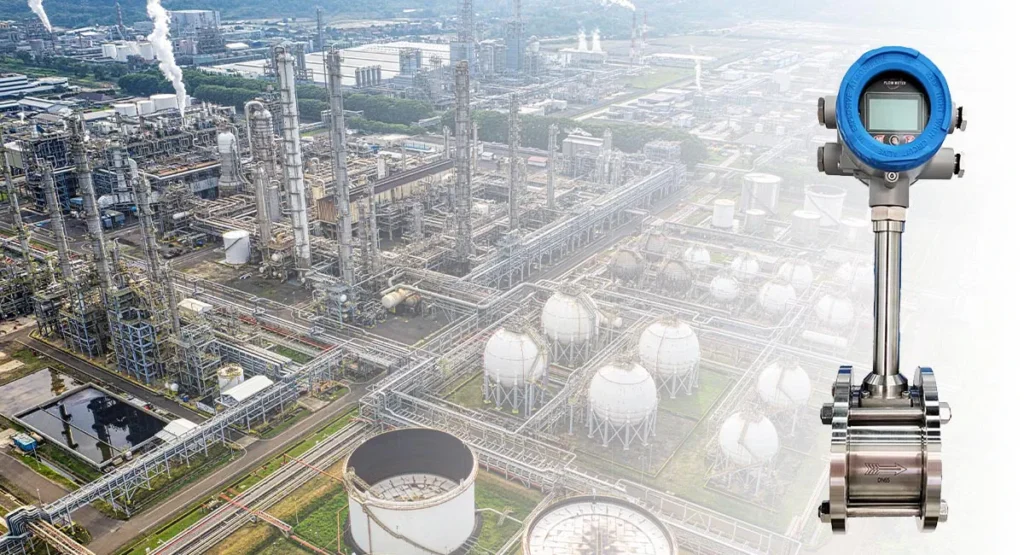
Flow Meter Selection Guide | Oil, Gas & Chemical Plant Applications
Accurate flow measurement is a critical component of industrial process control. In oil, gas, and chemical plants, flow meters are essential for monitoring liquids, gases, and slurries to ensure process efficiency, safety, and compliance with environmental standards. Selecting the right flow meter for your application requires careful consideration of fluid properties, process conditions, installation requirements, and operational goals.
This guide provides a structured approach to selecting flow meters for industrial applications, helping engineers and process managers make informed decisions.
Why Selecting the Right Flow Meter Matters
Flow measurement is the backbone of industrial automation. A poorly chosen flow meter can lead to:
-
Inaccurate flow readings
-
Reduced process efficiency
-
Increased operational costs
-
Safety risks in hazardous environments
In industries such as oil refining, chemical processing, and natural gas distribution, flow meters are used for custody transfer, inventory management, chemical dosing, and process optimization. Selecting the correct meter ensures reliable operation and long-term cost savings.
Key Factors to Consider When Selecting a Flow Meter
1. Fluid Type and Properties
The first step in selection is understanding the fluid characteristics:
| Factor | Consideration |
|---|---|
| Phase | Liquid, gas, or slurry |
| Viscosity | High viscosity fluids may require Coriolis or positive displacement meters |
| Conductivity | Required for electromagnetic meters (must be conductive) |
| Corrosiveness | Material compatibility with chemical or aggressive fluids |
| Temperature | Extreme temperatures may require high-grade materials or insulation |
| Pressure | Operating pressure affects meter selection and safety |
2. Flow Rate and Range
The flow meter must operate accurately across the expected flow range. Consider:
-
Minimum and maximum flow rates
-
Flow profile and turbulence
-
Intermittent vs. continuous flow
For example, a turbine flow meter may work well for clean, consistent liquid flow, but Coriolis meters are better for fluctuating flow rates or mass flow measurement in chemical reactors.
3. Pipe Size and Installation Space
-
Verify pipe diameter compatibility with the flow meter type.
-
Ensure there is sufficient straight pipe upstream and downstream to minimize turbulence.
-
Consider accessibility for maintenance and calibration.
Recommended Straight Pipe Lengths for Common Flow Meters
| Flow Meter Type | Upstream | Downstream |
|---|---|---|
| Differential Pressure | 10×D | 5×D |
| Electromagnetic | 5×D | 3×D |
| Ultrasonic | 10×D | 5×D |
| Coriolis | 3×D | 3×D |
| Turbine | 10×D | 5×D |
D = Pipe Diameter
4. Accuracy Requirements
Industrial processes often demand high accuracy to ensure proper dosing, quality, and energy efficiency. Typical accuracy ranges for industrial flow meters:
| Meter Type | Accuracy |
|---|---|
| Coriolis | ±0.1–0.2% |
| Differential Pressure | ±0.25–1% |
| Electromagnetic | ±0.5–1% |
| Ultrasonic | ±1% |
| Turbine | ±0.5% |
Choose a meter type that meets your process requirements without overpaying for unnecessary precision.
5. Environmental and Safety Considerations
Industrial environments can be harsh. Key factors include:
-
Temperature extremes
-
Vibration or shock
-
Dust, moisture, or corrosive atmospheres
-
Hazardous area requirements (ATEX, IECEx certification)
Example: Oil & gas pipelines often require explosion-proof flow meters certified for flammable gases or liquids.
6. Communication and Integration
Modern industrial automation relies on digital communication protocols:
-
4–20 mA analog output
-
HART protocol
-
Modbus, FOUNDATION Fieldbus
-
Integration with SCADA or DCS systems
Smart flow meters can also provide diagnostics, alerts, and remote calibration, reducing downtime and maintenance costs.
Types of Flow Meters Commonly Used in Oil, Gas, and Chemical Plants
| Flow Meter Type | Best Application | Pros | Cons |
|---|---|---|---|
| Differential Pressure (DP) | Steam, water, hydrocarbons | Simple, reliable, widely available | Pressure drop, requires straight pipe |
| Coriolis | Mass flow, chemical dosing | High accuracy, direct mass measurement | Higher cost, heavy |
| Electromagnetic | Conductive liquids | No moving parts, low maintenance | Cannot measure non-conductive fluids |
| Ultrasonic | Large pipes, non-invasive | Non-intrusive, easy retrofit | Sensitive to bubbles or solids |
| Turbine | Clean liquids, fuel | High accuracy, good linearity | Not suitable for slurry or viscous fluids |
Installation Best Practices
-
Correct orientation: Follow manufacturer guidelines (horizontal vs. vertical).
-
Avoid turbulence: Install with proper straight pipe lengths.
-
Impulse lines for DP meters: Ensure proper filling and venting.
-
Environmental protection: Use enclosures or insulation for extreme conditions.
-
Calibration access: Install in locations accessible for maintenance.
Maintenance Tips
-
Schedule routine calibration (6–12 months depending on criticality)
-
Inspect for deposits, corrosion, or mechanical wear
-
Clean strainers and filters upstream to protect sensitive meters
-
Monitor flow meter diagnostics for early warning of anomalies
Conclusion
Selecting the right flow meter for oil, gas, or chemical plants is a multi-factor decision. By evaluating fluid properties, flow range, accuracy, environmental conditions, and communication needs, you ensure reliable measurement, process efficiency, and safety. Proper selection, installation, and maintenance help industrial plants achieve accurate flow monitoring, reduce operational costs, and maintain compliance with industry standards.